Japan
to
673
992,848
711,691
2,224
1,815
835
635
456
433
397
181
144
136
130
120
102
92
56
54
51
45
40
39
27
23
12
12
12
6
6
6
6
6
5
5
5
4
4
4
3
2
2
2
1
1
1
1
1
1
304
201
81
76
61
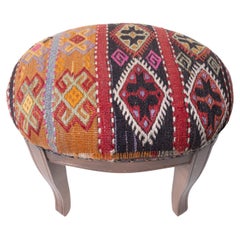
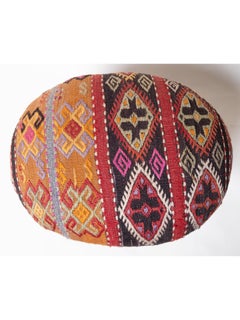
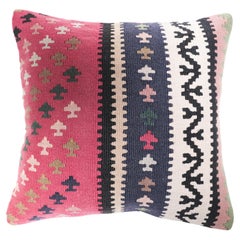
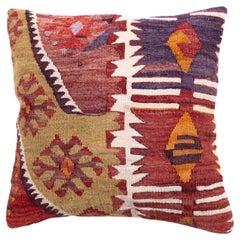
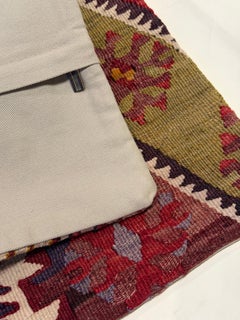
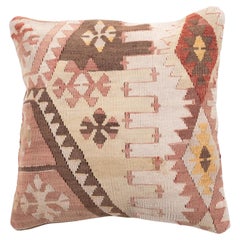
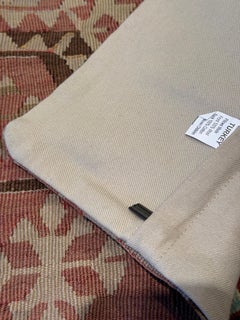
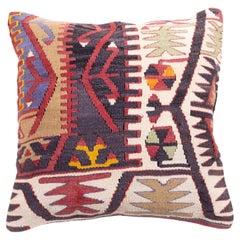
Vintage & Old Kilim Cushion Cover, Anatolian Yastik Turkish Modern Pillow 4354
Located in Tokyo, JP
This beautifully handcrafted cushion cover is made from a vintage Anatolian kilim—once part of a traditional yastik, or small decorative rug used in Turkish homes. Woven in the mid-2...
Category
2010s Turkish Kilim Japan
Materials
Wool, Cotton, Natural Fiber, Organic Material
$120 Sale Price
20% Off
Vintage & Old Kilim Cushion Cover, Anatolian Yastik Turkish Modern Pillow 3580
Located in Tokyo, JP
This beautifully handcrafted cushion cover is made from a vintage Anatolian kilim—once part of a traditional yastik, or small decorative rug used in Turkish homes. Woven in the mid-2...
Category
2010s Turkish Kilim Japan
Materials
Wool, Cotton, Natural Fiber, Organic Material
$120 Sale Price
20% Off
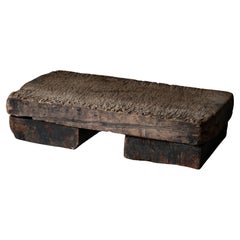
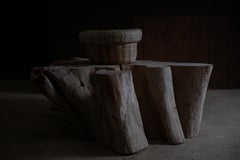
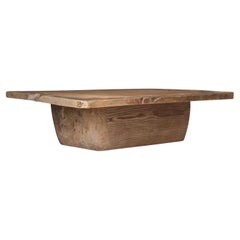
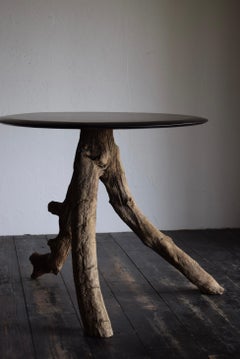
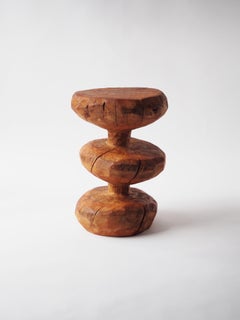
Japanese Antique Primitive Coffee Table 1860s-1900s / Side Table Wabi Sabi
By Axel Vervoordt
Located in Chōsei District Nagara, JP
This is an old Japanese side table in a primitive style, dating back to the Meiji period (1860s–1900s).
Originally used in a farmhouse, the piece still exudes a commanding presence e...
Category
Early 20th Century Japanese Primitive Japan
Materials
Wood
Antique Japanese Ink Painting Curtain/Wabi-Sabi Tapestry/1868-1920
Located in Sammu-shi, Chiba
This is an old Japanese noren curtain. It is believed to be made from a traditional Japanese fabric called asa or basho, made from banana leaf fibers. Noren curtains were originally hung at the entrances of shops and homes, gently blocking outside views and breezes while also conveying a sense of the presence of people and the changing seasons, a presence born from Japan's unique lifestyle and culture. More than simply a room divider, noren curtains also quietly convey the aesthetic sense of the people and businesses that inhabit them.
The greatest appeal of this work lies in the ink paintings executed on the fabric. The moon, bamboo grass, rocks, and flowing river are depicted, making ample use of the white space, creating a tranquil worldview reminiscent of Chinese and Japanese landscape paintings. However, the depiction is by no means verbose; the bamboo grass is depicted with minimal, omitted lines, and the river is not depicted in full, leaving it to the viewer's imagination. In the center, a full moon is depicted only as an outline, and its understated depiction evokes a sense of transience and lingering beauty.
A two-character signature can be seen in the corner of the painting, but details about the artist are unknown. However, noren curtains painted directly onto them in ink like this are extremely rare, and I have only seen them a few times before. I think it is particularly noteworthy that such poetic, highly refined pictorial expression has been applied to a noren curtain, which is supposed to be a practical item.
Over the years, the entire fabric has taken on a slight brownish tinge, taking on the depth and tranquility that only comes with aging. This color blends with the pale ink colors of the ink, quietly blending into the space without making a strong statement. It pairs particularly well with white walls, and I highly recommend using it not only as a noren curtain, but also hanging it on the wall like a tapestry for viewing. I believe that just hanging one in a space will bring a sense of dignified space and the depth of time.
Size & Specifications
Cloth Width: Approx. 87.5 cm
Height: Approx. 150.5 cm
Cloth Thickness: Very thin (approx. 0.05 mm; exact measurements not taken)
Top Bamboo Rod Length: Approx. 98.5 cm
Item Number
OB314
It's impossible to say when we'll ever be able to find another antique noren...
Category
Late 19th Century Japanese Meiji Antique Japan
Materials
Hemp
Japanese old wooden low table/wabisabi coffee table/1868-1920
Located in Sammu-shi, Chiba
This piece is a Japanese wooden low table crafted during the
Meiji to Taisho period (1868–1920).
It is made from tochi (Japanese horse chestnut) wood, a material valued for its su...
Category
Early 20th Century Japanese Meiji Japan
Materials
Wood
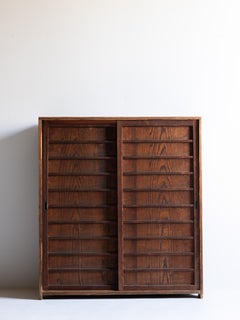
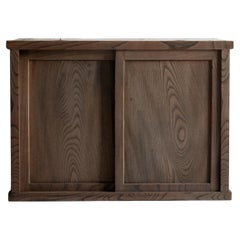
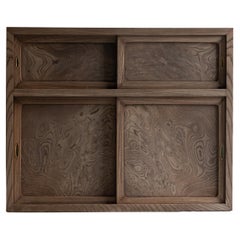
Japanese Antique Tansu Cabinet/ Wabi-sabi / Taishō–Shōwa Period 1910-40s
Located in Sammu-shi, Chiba
This cha dansu tea cabinet was crafted in Japan during the Taishō to early Shōwa period, using richly grained keyaki (zelkova) wood.
The bold, flowing grain that appears continuously...
Category
Early 20th Century Japanese Taisho Japan
Materials
Wood
Japanese Antique Tansu Cabinet/ Wabi-sabi / Taishō–Shōwa Period 1910-40s
Located in Sammu-shi, Chiba
This cha dansu tea cabinet was crafted in Japan during the Taishō to early Shōwa period, using richly grained keyaki (zelkova) wood.
The bold, flowing grain that appears continuously...
Category
Early 20th Century Japanese Taisho Japan
Materials
Wood
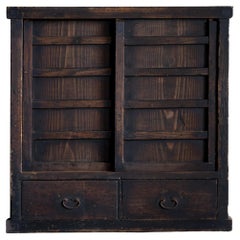
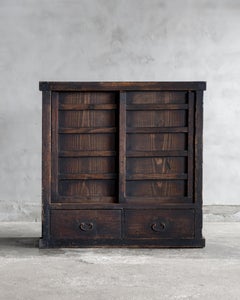
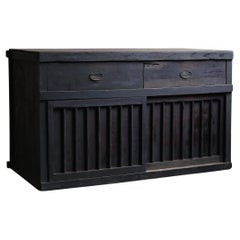
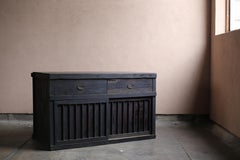
Japanese Large Black Tansu Circa 1860's / Cabinet Wabi-Sabi
Located in Sammu-shi, Chiba
This large Japanese tansu was crafted in the early 1900s and reflects a restrained yet powerful approach to utilitarian furniture.
Made from solid cedar wood, the piece combines stru...
Category
Early 20th Century Japanese Meiji Japan
Materials
Cedar
Japanese Antique Massive Tansu Chest 1860s-1900s / Cabinet Cupboard Wabi Sabi
Located in Chōsei District Nagara, JP
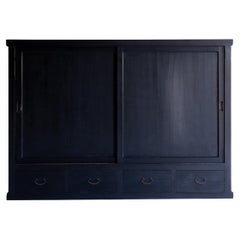
This is a large, old black tansu chest made in Japan, dating to the Meiji period (1860s–1900s). Crafted from Japanese cedar, it is substantial in sca...
Category
Early 20th Century Japanese Meiji Japan
Materials
Cedar
Antique Japanese Wooden Table / 1868-1920 / Wabi-Sabi Table
Located in Sammu-shi, Chiba
This Japanese antique wooden table was crafted between the Meiji and Taishō periods (1868–1920) and is made from solid pine wood.
While originally conceived as a functional piece fo...
Category
Late 19th Century Japanese Meiji Antique Japan
Materials
Wood
Vintage & Old Kilim Cushion Cover, Anatolian Yastik Turkish Modern Pillow 4243
Located in Tokyo, JP
This beautifully handcrafted cushion cover is made from a vintage Anatolian kilim—once part of a traditional yastik, or small decorative rug used in Turkish homes. Woven in the mid-2...
Category
2010s Turkish Kilim Japan
Materials
Natural Fiber, Organic Material, Wool, Cotton
$144 Sale Price
20% Off
Japanese antique wall hanging wooden object/Wabi-Sabi withered ornament
Located in Sammu-shi, Chiba
This wall-hanging object combines a naturally weathered block of wood with iron fittings. It likely originates from Japan, and the previous owner was so captivated by the shape of th...
Category
Early 20th Century Japanese Taisho Japan
Materials
Iron
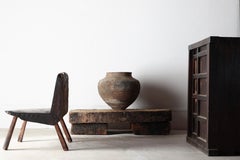
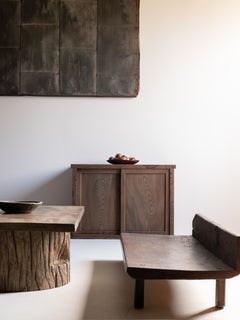
Japanese Antique Low Table 1860s-1920s / Sofa Table Wabi Sabi
By Axel Vervoordt
Located in Sammu-shi, Chiba
This sculptural low table is composed of two antique Japanese utilitarian objects, created during the late Meiji to early Taishō period, approximately (1868 to 1920).
The tabletop i...
Category
Early 20th Century Japanese Meiji Japan
Materials
Wood, Cedar
Vintage & Old Kilim Cushion Cover, Anatolian Yastik Turkish Modern Pillow 4447
Located in Tokyo, JP
This beautifully handcrafted cushion cover is made from a vintage Anatolian kilim—once part of a traditional yastik, or small decorative rug used in Turkish homes. Woven in the mid-2...
Category
2010s Turkish Kilim Japan
Materials
Wool, Cotton, Natural Fiber, Organic Material
$120 Sale Price
20% Off
Japanese Antique Large Low Table 1860s-1920s / Sofa Table Dining Table Wabisabi
Located in Chōsei District Nagara, JP
This is a large, old low table made in Japan, dating from the Meiji to Taishō period (1860s–1920s). It is a fine example that strongly reflects the woodworking techniques and aesthet...
Category
Early 20th Century Japanese Taisho Japan
Materials
Wood, Cedar
Japanese Antique Large Tansu 1860s-1900s / Sideboard Cabinet Wabisabi
Located in Chōsei District Nagara, JP
This is an old large black Japanese tansu, crafted during the Meiji period (1860s–1900s). It is made from traditional sugi (Japanese cedar), a material beloved for its warmth and nat...
Category
Early 20th Century Japanese Meiji Japan
Materials
Cedar
Japanese Antique "BORO" Edo period 1800s-1860s / Rag Abstract Art Wabi-Sabi
By Axel Vervoordt
Located in Chōsei District Nagara, JP
This is an old Japanese BORO textile, dating back to the Edo period (1800s–1860s). It is a rare cloth that has survived through a long span of time. The interplay of indigo and natur...
Category
Late 19th Century Japanese Edo Antique Japan
Materials
Fabric
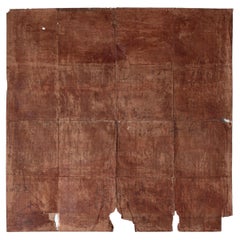
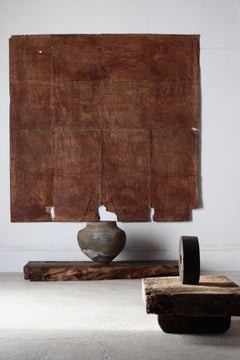
Japanese Antique Huge Paper Boro / Wall Decoration / 1868-1912s / Wabi-sabi
Located in Iwate-gun Shizukuishi-cho, Iwate Prefecture
This is a huge piece of old Japanese paper, it is thought that they were laid on the floors of old Japanese houses or used for sericulture.
To increase the paper's strength, several...
Category
Late 19th Century Japanese Meiji Antique Japan
Materials
Paper
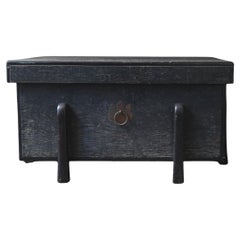
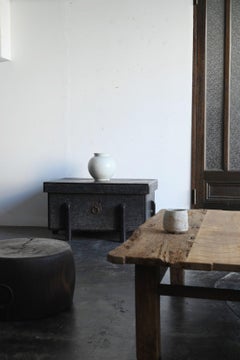
Japanese Antique Wooden Box 1860s-1920s / Sofa Table Storage Box Wabisabi
Located in Chōsei District Nagara, JP
This is an old Japanese wooden box, crafted in the Meiji to Taishō period (1860s–1920s). Despite its long history, it retains a quiet and compelling presence. The box is made from traditional sugi (Japanese cedar), whose soft grain and gentle texture reflect the depth and warmth of its age.
The form is strikingly minimal—its design is completely free of unnecessary elements. Although it is simply a box, the composition of clean lines and planes gives it a subtle tension and understated beauty. It carries the precision and warmth of handcraft, something that cannot be replicated by industrial production.
One particularly captivating feature is the visible trace of careful repairs made over many years. A knot hole on the side was thoughtfully patched with black washi paper, a practical repair that, over time, has become an expressive and almost artistic detail. In this small gesture, one can sense the quiet presence of Japanese aesthetic sensibilities.
The top and sides bear gentle wear and abrasion accumulated over decades. Rather than damage, these marks serve as a texture created by time, giving the piece its unique depth and character. The box possesses a humble yet powerful presence—a true embodiment of wabi-sabi, the beauty of imperfection and age.
The interior remains sturdy, offering ample storage capacity. It has been thoroughly cleaned, ensuring it can be used safely and comfortably. Its low, elongated proportions make it highly versatile: ideal as a low coffee table, a book table, a side table, or a display platform. Simply placing it in a modern interior instantly adds a sense of calm and visual depth.
A simple yet richly expressive antique wooden box...
Category
Early 20th Century Japanese Taisho Japan
Materials
Cedar
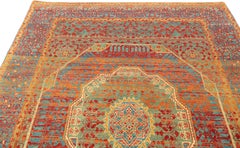
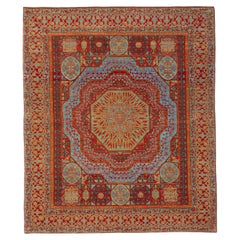
Ararat Rugs Mamluk Rug with Cusped Medallion Antique Revival Carpet Natural Dyed
By Ararat Rugs
Located in Tokyo, JP
This Mamluk Rug with Cusped Medallion embodies a contemporary revival of a classic design, meticulously handwoven in Eastern Turkey by skilled artisans of Ararat Rugs. The design fea...
Category
21st Century and Contemporary Turkish Revival Japan
Materials
Wool, Natural Fiber, Organic Material
Japanese Antique Large Black Tansu 1860s-1900s / Sideboard Cabinet Wabi Sabi
Located in Chōsei District Nagara, JP
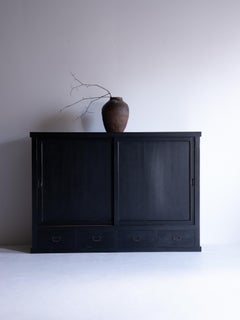
This is an old large black tansu chest made in Japan. Crafted during the Meiji period (1860s–1900s), it is made from cedar wood, a material known for...
Category
Early 20th Century Japanese Meiji Japan
Materials
Cedar
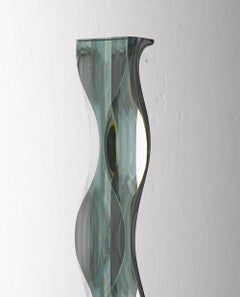
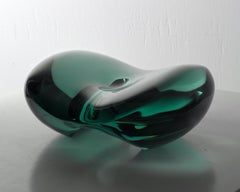
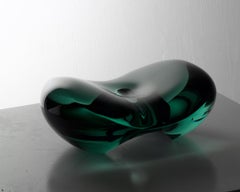
F.171201 by Toshio Iezumi - Contemporary glass sculpture, green, abstract, light
By Toshio Iezumi
Located in Paris, FR
F.171201 is a glass sculpture by Japanese contemporary artist Toshio Iezumi, dimensions are 17 × 42 × 35 cm (6.7 × 16.5 × 13.8 in).
The sculpture is signed and numbered, it is part ...
Category
2010s Contemporary Japan
Materials
Glass
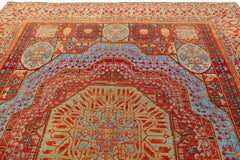
Ararat Rugs Mamluk Rug with Cusped Medallion Antique Revival Carpet Natural Dyed
By Ararat Rugs
Located in Tokyo, JP
Introducing the Mamluk Rug with Cusped Medallion, an outstanding example of contemporary craftsmanship influenced by centuries of tradition. This exquisite piece is handwoven in East...
Category
21st Century and Contemporary Turkish Revival Japan
Materials
Wool, Natural Fiber, Organic Material
Japanese BK Tansu 1920-1940 / Showa Period / Cabinet Sideboard Wabi sabi
Located in Sammu-shi, Chiba
This is an antique Japanese Tansu.
The patina developed over time is truly exquisite.
It has been meticulously maintained to preserve its patina.
The doors operate smoothly.
It is i...
Category
Early 20th Century Japanese Showa Japan
Materials
Cedar
Japanese Antique Large BK Tansu 1860s-1900s / Cabinet Sideboard Wabi Sabi
Located in Sammu-shi, Chiba
This is an antique Japanese Tansu.
Judging by the condition of the metal parts, it appears to be quite old, likely dating to the Edo period.
It has been carefully maintained to pres...
Category
Mid-19th Century Japanese Edo Antique Japan
Materials
Cedar
Japanese Old Wabi-Sabi Iron Panel Abstract Art 1950s-1970s / Wall Decoration
By Axel Vervoordt
Located in Chōsei District Nagara, JP
This is an old iron panel made in Japan, dating to the mid-Shōwa period (1950s–1970s). It may originally have been used as part of a workbench or industrial surface, though its exact...
Category
Late 20th Century Japanese Showa Japan
Materials
Iron
1930s - 50s Japanese Vintage solid wood 5 shelves bookcase organic Wabi sabi
Located in 常陸大宮市, JP
Japanese vintage wooden bookcase with 5 shelves - product of 1930s - 50s (early Showa period) estimate from the style, material & conditions.
Fully made of solid wood panels of ...
Category
20th Century Japanese Organic Modern Japan
Materials
Wood, Cedar
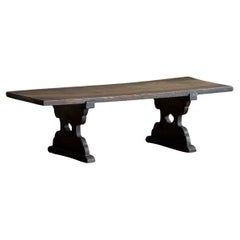
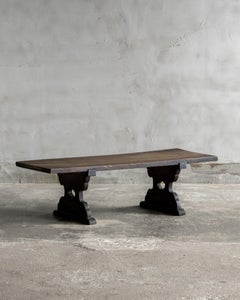
Japanese Antique Primitive Coffee Table 1860s-1900s / Side Table Wabisabi
Located in Chōsei District Nagara, JP
This is an antique Japanese primitive-style coffee table, believed to have been crafted in the Meiji period (1860s–1900s). Even after more than a century, it retains an overwhelming ...
Category
Early 20th Century Japanese Primitive Japan
Materials
Wood
Japanese Antique Horse Figurine 1900s-1940s / Sculpture Object Wabi Sabi
Located in Chōsei District Nagara, JP
This is an antique Japanese horse figurine, crafted in the early Shōwa period (1900s–1940s).
Although simple in form, it carries a distinct sense of life—an expressive charm that cou...
Category
Mid-20th Century Japanese Showa Japan
Materials
Glass, Wood, Paper
Japanese Antique Iron Vessel 1860s-1920s / Flower Vase Steel Bowl Wabisabi
By Axel Vervoordt
Located in Chōsei District Nagara, JP
This is an antique Japanese iron container, believed to have been made in the Meiji to Taishō period (1860s–1920s). It is one of the few surviving iron vessels from that era, now con...
Category
Early 20th Century Japanese Meiji Japan
Materials
Iron
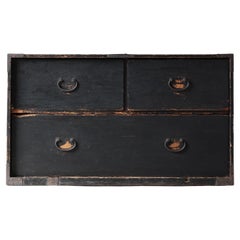
Japanese Antique Black Tansu 1860s-1900s / Sideboard Storage Cabinet Wabisabi
Located in Chōsei District Nagara, JP
This is an antique Japanese black tansu chest, crafted in the Meiji period (1860s–1900s). It is made from sugi (cedar) wood. Its understated and unem...
Category
Early 20th Century Japanese Meiji Japan
Materials
Cedar
Japanese Vintage Low Board Cabinet, Early Showa Period (1926–1945)
Located in Hitachiomiya-shi, 08
This Japanese lowboard was crafted in the early Showa Period (1926–1945) from kaede (Japanese maple). The softly layered grain of the maple subtly emerges through the dark finish, cr...
Category
Mid-20th Century Japanese Showa Japan
Materials
Maple
Japanese Gold Maki-e Katana Kake (Sword Stand) with Dragon Motif
Located in Fukuoka, JP
This elegant katana kake (sword stand) is crafted from wood and finished with a rich lacquer coating. Its surface is adorned with a striking gold maki-e depiction of a dragon — a tim...
Category
Late 18th Century Japanese Edo Antique Japan
Materials
Gold Leaf
Japanese Antique Large Tansu 1860s-1900s / Sideboard Cabinet Wabi Sabi
Located in Chōsei District Nagara, JP
This is a very old Japanese tansu chest, crafted in the Meiji period (1860s–1900s). It is made from sugi (cedar) wood, and its modest, unassuming presence is part of its charm. The a...
Category
Early 20th Century Japanese Meiji Japan
Materials
Cedar
Japanese Antique Wabi Sabi Small Tansu 1860s-1900s / Cabinet Nightstand Storage
Located in Chōsei District Nagara, JP
This is a small antique Japanese tansu chest.
It was crafted in the Meiji period (1860s–1900s) and made from Japan’s traditional sugi (cedar) wood. Sugi, known for its lightness and ...
Category
Early 20th Century Japanese Meiji Japan
Materials
Cedar
Japanese Antique Drawer Chest 1860s-1920s / Tansu Sideboard Wabi Sabi
Located in Chōsei District Nagara, JP
This is an antique Japanese drawer chest, crafted in the Meiji to Taishō period (1860s–1920s). It carries a quiet presence shaped by many decades of use. The piece is made from tradi...
Category
Early 20th Century Japanese Meiji Japan
Materials
Iron
Japanese Antique Paper-covered Large Ceramic Jar 1860s-1900s / Vessel Wabisabi
By Axel Vervoordt
Located in Chōsei District Nagara, JP
This is an exceptionally rare large ceramic jar from Japan, covered in paper. It was made during the Meiji period (1860s–1900s) and was originally used for transporting and storing t...
Category
Early 20th Century Japanese Meiji Japan
Materials
Paper, Straw, Pottery
Japanese Antique Edo period Drawer Chest 1830s-1844s / Sideboard Tansu Wabisabi
Located in Chōsei District Nagara, JP
This is a very old Japanese chest of drawers.
On the inner side of one drawer, a clearly handwritten inscription reading “天保(Tenpō)” remains intact, indicating that the piece was cra...
Category
1830s Japanese Edo Antique Japan
Materials
Iron
1780s-1850s Edo Japanese antique black Urushi medicine chest of drawers cabinet
Located in 常陸大宮市, JP
Mid size apothecary chest, medicine chest of drawers - "Kusuri dansu" in Japanese - product of late Edo era (1780s-1868), estimate from the style & conditions.
The outer structu...
Category
Late 18th Century Japanese Edo Antique Japan
Materials
Wood
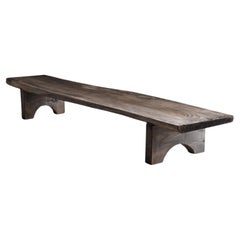
Japanese Antique Low Table 1900s-1940s / Sofa Table Display Table Wabi Sabi
Located in Chōsei District Nagara, JP
This is an old Japanese low table dating from the early Showa period (1900s–1940s), discovered in an old farmhouse.
Designed in a separate two-part structure, it is both practical an...
Category
Mid-20th Century Japanese Showa Japan
Materials
Cedar
Japanese Antique Primitive Coffee Table 1860s-1900s / Side Table Wabisabi
By Axel Vervoordt
Located in Chōsei District Nagara, JP
This is an antique Japanese coffee table in a primitive style.
It is believed to have been crafted in the Meiji period (1860s–1900s), and even after more than a century, it retains a...
Category
Early 20th Century Japanese Primitive Japan
Materials
Wood
Japanese Antique Black Tansu 1860s-1900s / Sideboard Drawer Storage Wabisabi
Located in Chōsei District Nagara, JP
This is an old black chest of drawers made in Japan during the Meiji period (1860s–1900s), a time when craftsmanship and material refinement reached an extraordinary level.
Expertly ...
Category
Early 20th Century Japanese Meiji Japan
Materials
Iron
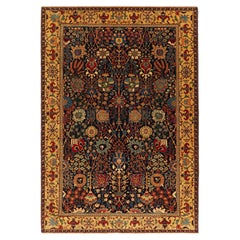
Ararat Rugs Safavid Kirman Vase Technique Carpet Kerman Revival Rug Natural Dyed
By Ararat Rugs
Located in Tokyo, JP
Discover an exquisite, rare Safavid Kirman 'Vase-Technique' Carpet, handwoven in Eastern Turkiye. This splendid carpet is laid out with a floral design of surprising complexity, agai...
Category
21st Century and Contemporary Turkish Revival Japan
Materials
Wool, Organic Material, Natural Fiber
Japanese Antique Umbrella Stand 1900s-1940s / Wabi Sabi
Located in Chōsei District Nagara, JP
This is an old Japanese umbrella stand, crafted in the early Shōwa period (1900s–1940s). Its presence reflects the practical, understated beauty of everyday furnishings from that era...
Category
Mid-20th Century Japanese Showa Japan
Materials
Tin
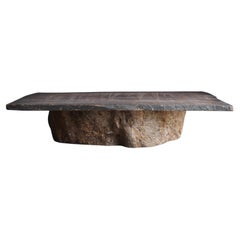
Japanese Antique Large Center Table / Sofa Table Low Table / Wabi-Sabi Primitive
By Axel Vervoordt
Located in Iwate-gun Shizukuishi-cho, Iwate Prefecture
This is a large center table crafted from aged Japanese wood.
The tabletop is an extremely large, heavy board, and its years of use have given it a natural, primitive texture. It is ...
Category
Early 20th Century Japanese Primitive Japan
Materials
Hardwood, Cedar
Japanese Antique Rag "BORO" 1800s-1860s / Abstract Art Wabi Sabi
Located in Sammu-shi, Chiba
This is an exceptionally old piece of Japanese fabric, dating back to the Edo period (1800s–1860s).
It has been carefully used to withstand the harsh winter cold.
Since ancient time...
Category
Mid-19th Century Japanese Edo Antique Japan
Materials
Fabric
Aurora Hanadama 8.5 - 9.0 mm Akoya Pearl Strand Necklace
By Mikimoto
Located in Kobe, Hyogo
Item: Aurora Hanadama 8.5 - 9.0 mm Akoya Pearl Strand Necklace
Stone: Akoya Pearl
Pearl Grade : Aurora Hanadama
Metal: Silver
Length: 16.9 inches (43 cm) (including clasp)
Pearl siz...
Category
2010s Japanese Japan
Materials
Pearl, Cultured Pearl
Antique Japanese black glaze gourd-shaped vase / Edo period / Sake bottle
Located in Sammu-shi, Chiba
Known as the birthplace of Seto ware, Seto City in Aichi Prefecture is one of Japan's Six Ancient Kilns and boasts a long history dating back to the late Heian period. During the Edo...
Category
Late 18th Century Japanese Edo Antique Japan
Materials
Pottery
Japanese Antique Brutalist Low Table 1900s-1940s / Side Table Wabi Sabi
Located in Sammu-shi, Chiba
Japanese Zelkova Low Table circa 1900s–1940s
This exceptional low table was crafted in Japan during the early Showa period, between the 1900s and 1940s.
It was carved from a single ...
Category
Early 20th Century Japanese Taisho Japan
Materials
Wood
Japanese Antique Black Drawer Storage 1860s-1900s / Tansu Sideboard Wabisabi
Located in Chōsei District Nagara, JP
This is an old Japanese chest of drawers, handcrafted during the Meiji period (1860s–1900s).
It is a fine example of traditional Japanese craftsmanship from that era. The body is mad...
Category
Early 20th Century Japanese Meiji Japan
Materials
Iron
Vintage Daybed by Christian Durupt, Pine, French Modernist, 1960s
By Christian Durupt
Located in Sammu-shi, Chiba
Vintage Daybed by Christian Durupt, 1960s – French Modernist Design, Collaboration with Charlotte Perriand
This is a vintage daybed crafted in the 1960s by the skilled French furnit...
Category
Mid-20th Century French Mid-Century Modern Japan
Materials
Pine
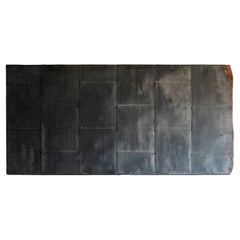
Japanese Antique Huge Door " Wall Decoration " 1860s-1900s / Wabi Sabi"
Located in Sammu-shi, Chiba
Japanese Antique Huge Door " Wall Decoration " 1860s-1900s / Wabi Sabi
This extraordinary large sliding door was once used in an old warehouse in Japan.
Dating back to the Meiji per...
Category
Early 20th Century Japanese Meiji Japan
Materials
Iron
Japanese Antique Drawer 1860s-1920s / Tansu Wabi Sabi
Located in Sammu-shi, Chiba
This is an antique Japanese drawer chest from the Meiji period (1860s–1920s).
Crafted from paulownia wood (kiri) with iron fittings, it embodies the essence of Japanese simplicity an...
Category
Early 20th Century Japanese Meiji Japan
Materials
Wood
Japanese Antique Large Black Tansu / Cabinet Sideboard / 1800-1868s / Wabi-Sabi
Located in Iwate-gun Shizukuishi-cho, Iwate Prefecture
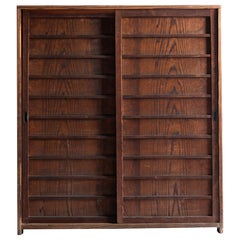
This is an old Japanese cabinet called a tansu.
It is made of cedar and is thought to date from the Edo or Meiji period.
The doors have a simple, unified design, with vertical bars ...
Category
Mid-19th Century Japanese Edo Antique Japan
Materials
Iron
Japanese Antique Huge Sliding Door or Wall Decoration 1860s-1900s / Wabi Sabi
By Axel Vervoordt
Located in Chōsei District Nagara, JP
This is an old, large Japanese sliding door.
It was crafted during the Meiji period (1860s–1900s) and was likely used in traditional houses or storehouses of the time. The material i...
Category
Early 20th Century Japanese Meiji Japan
Materials
Iron
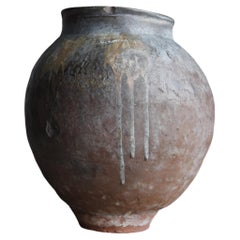
Antique Japanese pottery, Echizen ware vase / 1450-1600 / Natural glaze
Located in Sammu-shi, Chiba
This medium-sized Echizen ware jar, a representative example of ancient Japanese pottery, is believed to have been produced during the late Muromachi period to the Azuchi-Momoyama pe...
Category
16th Century Japanese Other Antique Japan
Materials
Pottery
Japanese Vintage Sliding-Door Cabinet (Cha Tansu), Early Showa Era, Wabi Sabi
Located in Hitachiomiya-shi, 08
This Japanese sliding-door cabinet (cha tansu) was crafted during the early Showa Period (1926–1945) in hinoki cypress, a wood valued for its fine grain, durability, and calming natu...
Category
Mid-20th Century Japanese Showa Japan
Materials
Cypress, Wood
Japanese Vintage Black Glass Sliding-Door Cabinet, Early Showa Period (1926–)
Located in Hitachiomiya-shi, 08
This Japanese glass cabinet was crafted during the early Showa Period (1926–1945) in matsu (Japanese pine) and finished with black cashew lacquer applied over the original shibuzumi ...
Category
Mid-20th Century Japanese Showa Japan
Materials
Pine
Japanese Antique Sliding-Door Cabinet (Cha Tansu), Taisho Era (1912–1926), Wabi
Located in Hitachiomiya-shi, 08
This Japanese sliding-door cabinet (cha tansu) was crafted during the Taisho Period (1912–1926) using a thoughtful combination of woods: kiri (paulownia) for the frame, sugi (Japanes...
Category
Early 20th Century Japanese Taisho Japan
Materials
Wood, Cedar
Japanese Antique Low Table (Zataku), Meiji Era (1868–1912), Wabi Sabi
Located in Hitachiomiya-shi, 08
This Japanese low table (zataku) was crafted in the Meiji Era (1868–1912) from sugi (Japanese cedar) and finished with kakishibu (persimmon tannin combined with pine soot), creating ...
Category
Late 19th Century Japanese Meiji Antique Japan
Materials
Cedar