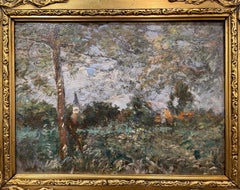
Surely you’ll find the exact louis knight aston you’re seeking on 1stDibs — we’ve got a vast assortment for sale. You can easily find an example made in the
Post-Impressionist style, while we also have 1
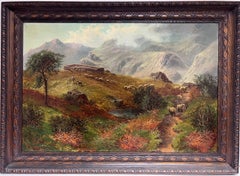
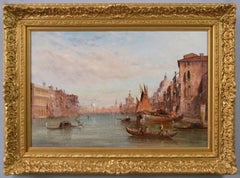
Post-Impressionist versions to choose from as well. Making the right choice when shopping for a louis knight aston may mean carefully reviewing examples of this item dating from different eras — you can find an early iteration of this piece from the 19th Century and a newer version made as recently as the 20th Century. When looking for the right louis knight aston for your space, you can search on 1stDibs by color — popular works were created in bold and neutral palettes with elements of
brown,
black and
beige. There have been many interesting louis knight aston examples over the years, but those made by
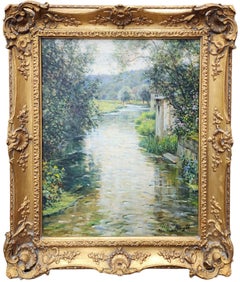
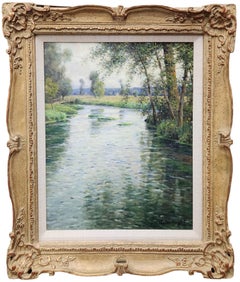
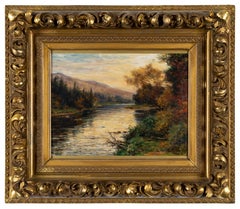
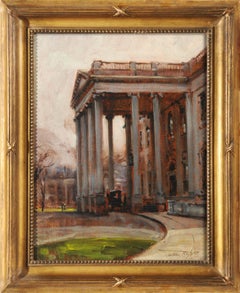
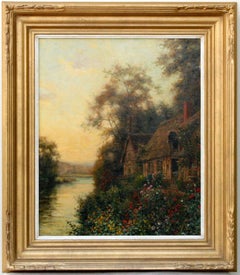
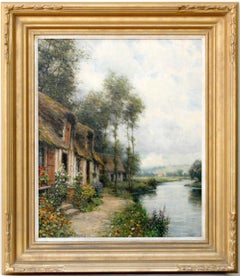
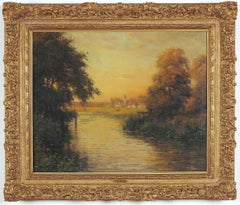
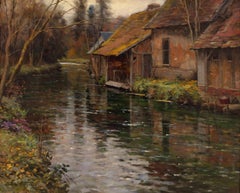
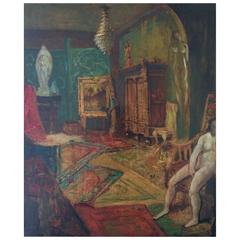
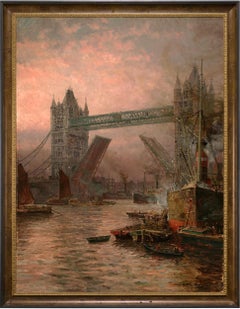
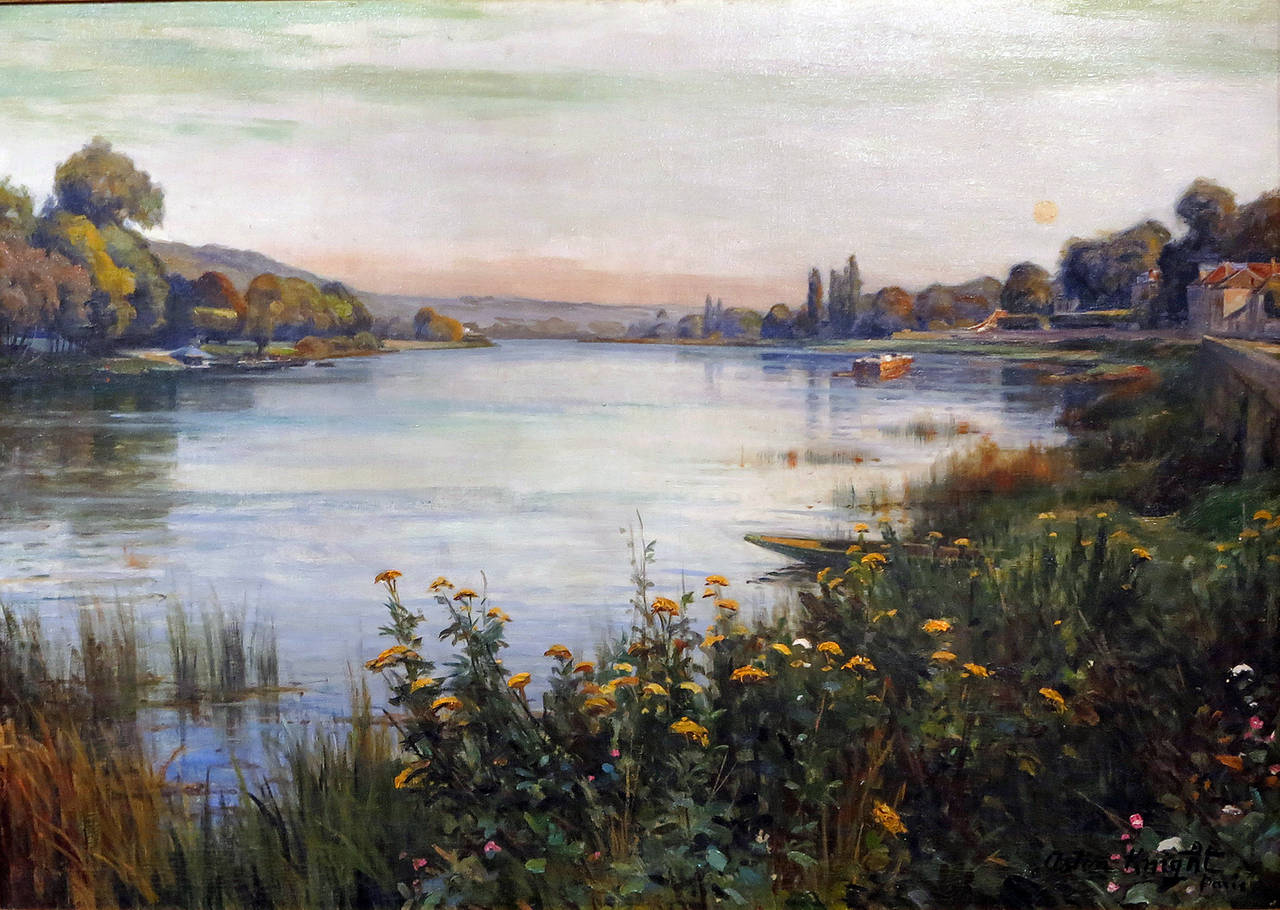
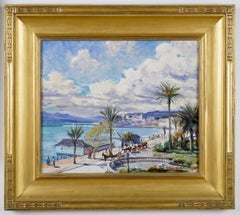
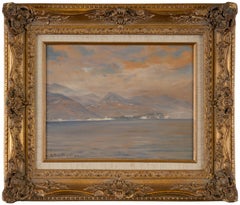
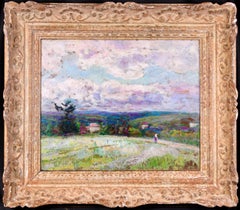
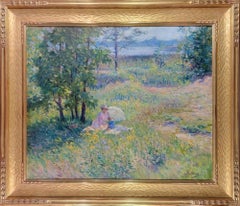
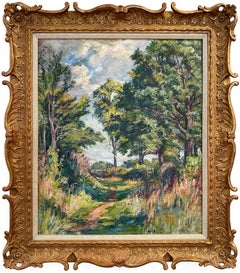
Louis Aston Knight are often thought to be among the most thought-provoking. Artworks like these of any era or style can make for thoughtful decor in any space, but a selection from our variety of those made in
oil paint,
paint and
canvas can add an especially memorable touch.
The price for an artwork of this kind can differ depending upon size, time period and other attributes — a louis knight aston in our inventory may begin at $3,160 and can go as high as $32,000, while the average can fetch as much as $11,795.
Louis Aston Knight, commonly known as an expatriate, was in fact born in Paris to American parents, his father the celebrated American painter Daniel Ridgeway Knight. Receiving early and influential instruction from his father he later studied at the Académie Julian under Jules Lefebvre and Robert Fleury (1891-1898). Knight’s exhibition debut was at the Annual Paris Salon in 1894, thrust him into an increasingly successful career over which he was awarded numerous honors. He was notably the first American painter to win the Paris Salon gold medals for two consecutive years and his work was included in such distinguished venues as the Paris World’s Fair of 1900 and in 1927 he was made a Chevalier de la Legion d’Honneur. Although he resided in Paris, Knight exhibited very frequently throughout the United States.
Despite his indisputable success, Knight never found a niche in the Parisian society and bore a dislike for the traditional ateliers of Paris. He spent a great deal of his time out of Paris in a mill that he rented in Normandy, once the home of the poet Chateaubriand.