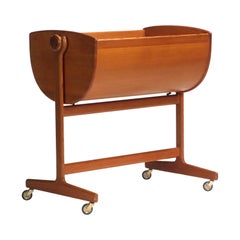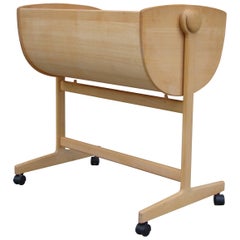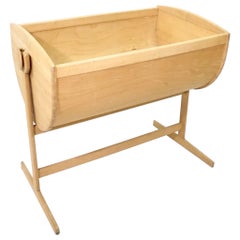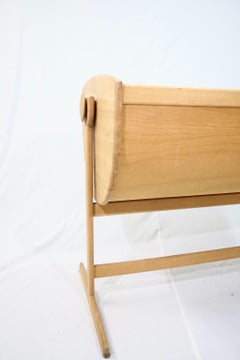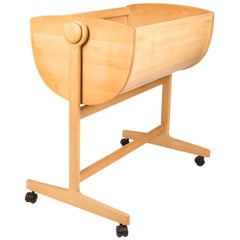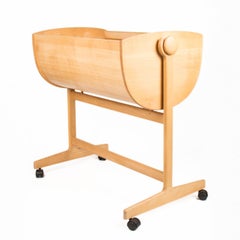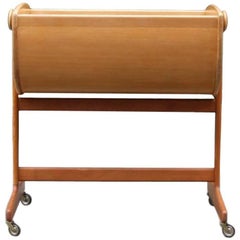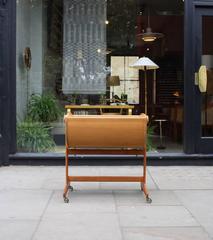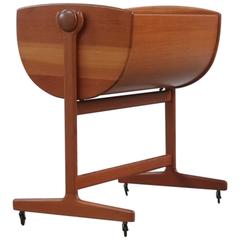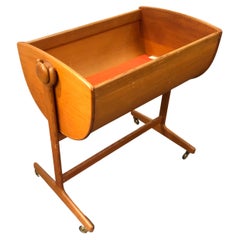
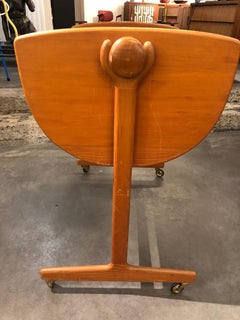
Nanna Ditzel Cradle
Vintage 1960s Danish Mid-Century Modern Children's Furniture
Wood
Recent Sales
20th Century Danish Modern Children's Furniture
Beech
Vintage 1960s Danish Scandinavian Modern Children's Furniture
Beech
Late 20th Century Danish Mid-Century Modern Children's Furniture
Beech
Vintage 1960s Danish Modern Children's Furniture
Brass
Mid-20th Century Danish Scandinavian Modern Beds and Bed Frames
People Also Browsed
Vintage 1970s American Sofas
Velvet, Rattan
Vintage 1970s Italian Mid-Century Modern Loveseats
Bouclé, Foam, Wood
Vintage 1930s American Art Deco Dressers
Oak
Vintage 1940s Italian Coat Racks and Stands
Oak
Vintage 1950s American Mid-Century Modern Lounge Chairs
Fabric, Walnut
Vintage 1930s Italian Art Deco Cabinets
Iron
21st Century and Contemporary Brazilian Post-Modern Armchairs
Wood, Mahogany
Mid-20th Century Finnish Mid-Century Modern Wall-mounted Sculptures
Plywood
Vintage 1970s American Mid-Century Modern Beds and Bed Frames
Chrome
Vintage 1960s Dutch Mid-Century Modern Wall Mirrors
Brass
20th Century Italian Mid-Century Modern End Tables
Marble
Vintage 1960s Dutch Mid-Century Modern Chaise Longues
Leather, Upholstery
Antique Early 1900s English Arts and Crafts Stools
Walnut
Vintage 1910s Scottish Arts and Crafts Fireplace Tools and Chimney Pots
Copper
Finding the Right Childrens-furniture for You
When you’re shopping for antique, new and vintage children’s furniture, you’ll want your choices to fit nicely within the decor scheme of the rest of your home. But you’ll also want to create an alluring and inspirational space for your children to feel relaxed and encouraged creatively. Indeed, a child’s room can be simultaneously stylish and playful — the ideal environment for children.
Understandably, beds were the first piece of furniture designed for young children. In Ancient Egypt, children’s beds were scaled-down versions of adult beds. They were intended to be a logical size for a child and low enough to the ground so that they could climb in by themselves.
Historians discovered early high chairs in Ancient Greece. In the 6th century B.C., a child’s training potty might have also been used as a high chair, while archaeologists on a dig discovered a terracotta high chair in a marketplace in Athens. By the Renaissance period, children’s bookshelves were popular with upper-class families who had disposable income and the desire to beautify all areas of the home. The original purpose was to organize school books, but shelves eventually became integral to children’s rooms of the era.
In the early 20th century, Italian physician Maria Montessori changed the way designers thought about children’s furniture. She wrote that it was important for children to have a safe environment of their own that they could easily navigate. Montessori believed that children’s furniture should be sized for them but that it should also be made of light, durable materials so that it’s easy for them to carry if needed.
Today’s widely known mid-century modern furniture designers took interest in the idea that young children should have well-crafted furniture of their own. You can find vintage mid-century modern children’s furniture created by the likes of Harry Bertoia, Charles and Ray Eames and Alvar Aalto. Contemporary industrial designer and architect Philippe Starck is also known for having introduced versions of his furniture that were geared toward children, especially his seating and storage solutions.
It’s never too early for good design. Decorating a child’s room offers the opportunity to combine elevated furnishings and a youthful spirit and can result in spaces that are at once elegant and whimsical. On 1stDibs, find design ideas for children’s rooms as well as a variety of new, antique and vintage children’s furniture today.