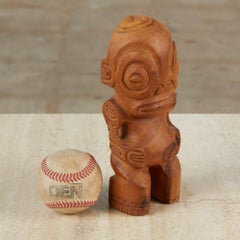
Polynesian Wood Sculpture

Recent Sales

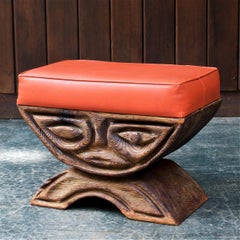
Polynesian Carved Sculpture

Polynesian Carved Sculpture

Sold

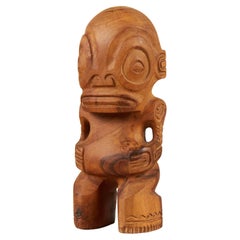
H 8.5 in W 3.25 in D 2.25 in

Polynesian Carved Sculpture

Located in Los Angeles, CA

A small, hand-carved Polynesian sculpture from the Marquesas Islands with soft curved wood grain

Category

Mid-20th Century Polynesian Mid-Century Modern Figurative Sculptures

Materials

Wood

POLYNESIAN SCULPTURE

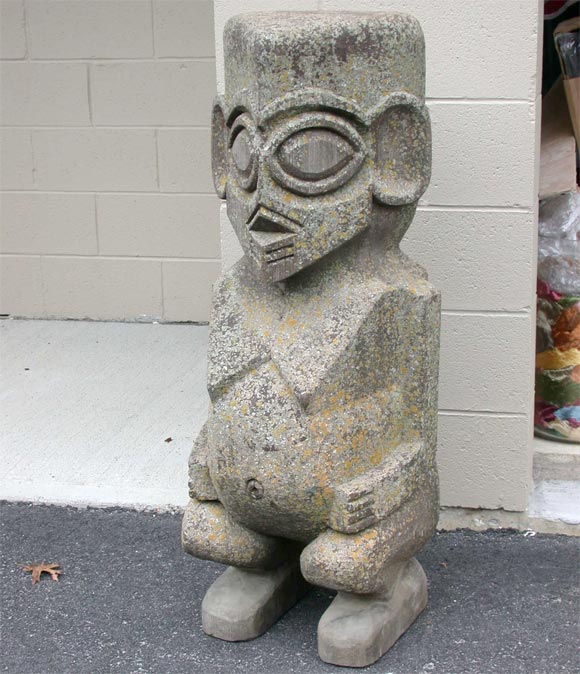
POLYNESIAN SCULPTURE

Sold

H 41.5 in W 16 in D 14 in

POLYNESIAN SCULPTURE

Located in Solebury, PA

Polynesian figural sculpture, mad for the tourist trade. From a prominent midwestern collection

Category

Vintage 1930s Sculptures

Materials

Wood

Get Updated with New Arrivals
Save "Polynesian Wood Sculpture", and we’ll notify you when there are new listings in this category.

Polynesian Wood Sculpture For Sale on 1stDibs

At 1stDibs, there are many versions of the ideal piece of polynesian wood sculpture for your home. Was constructed with extraordinary care, often using wood. Your living room may not be complete without an item from our selection of polynesian wood sculpture — find older editions for sale from the 20th Century and newer versions made as recently as the 20th Century. Many designers have produced at least one well-made choice in our collection of polynesian wood sculpture over the years, but those crafted by William Westenhaver and Witco are often thought to be among the most beautiful.

How Much is a Polynesian Wood Sculpture?

Prices for a piece of polynesian wood sculpture can differ depending upon size, time period and other attributes — at 1stDibs, they begin at $1,775 and can go as high as $11,250, while the average can fetch as much as $4,480.
Questions About Polynesian Wood Sculpture
  • 1stDibs ExpertOctober 19, 2021
    The difference between carving and sculpture is that carving is a carved object, whereas sculpture is the art of shaping figures or designs — because sculpture can involve adding material (i.e., working with plaster, creating a mold to be cast in bronze), it is considered “additive” versus the “subtractive” act of carving.