Located in London, by appointment only
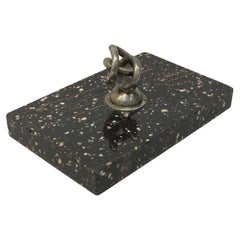
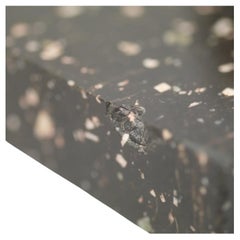
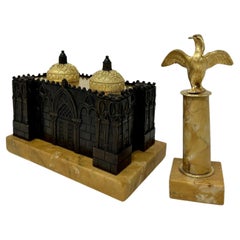
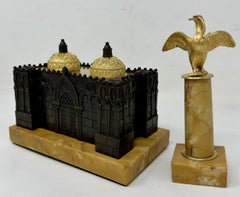
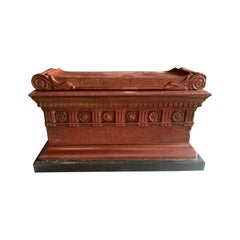
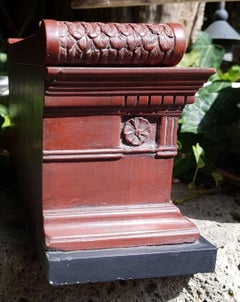
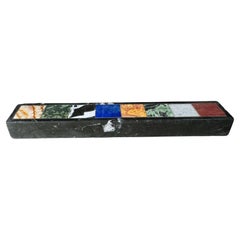
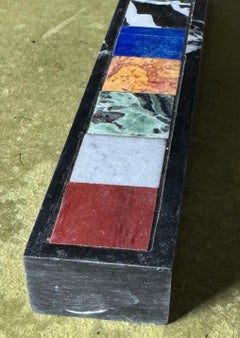
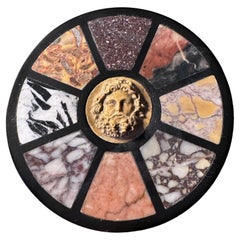
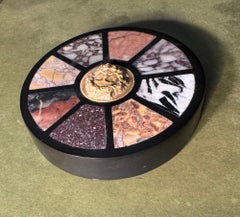
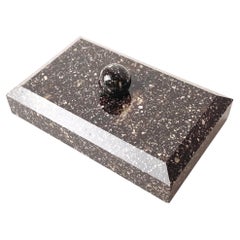
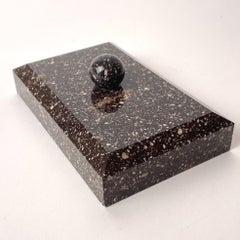
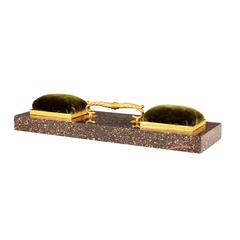
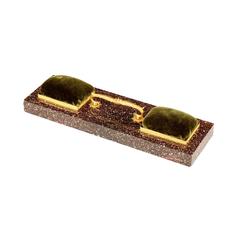
A magnificent desk top ornament of rectangular form the solid porphyry base with two pin cushions with green silk velvet covers within ormolu fielded mounts, a central gilt metal handle with carved foliage.
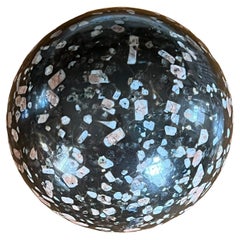
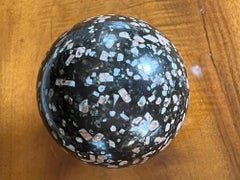
Porphyry has always been highly prized throughout the world. It was first mined and quarried from the only known source, Mount Porphyrites in Egypt, in the 4th-5th centuries BC. The extreme density of the stone allows for a perfectly smooth surface when polished and the actual carving requires a great degree of skill and dexterity. The term ‘Porphyry’ is Greek in origin and means ‘purple.’ As purple was the colour of royalty, it was a prized material for use in monuments and architectural elements in Imperial Rome. In around 30BC, the Romans conquered Egypt and took over the quarries. Due to the colour of the stone and similarity to the Murex dye, it was adopted as the Imperial stone and used throughout the Roman world on Imperial property and tombs. The renaissance saw the revival of the stone, particularly in Venice, where Porphyry columns were cut into discs and used to decorate walls and floors, set within mosaics. In around 1555, the Florentine Francesco Tadda revived the technique of carving and polishing the stone into accomplished forms, such as the fountain basin for the courtyard of the Palazzo Vecchia. With such a wealth of historic and prestigious symbolism, the French Kings were keen to decorate their palaces with the stone. Thus, it was again revived and carved in French designs. In 1731, porphyritic rock was unearthed in Ãlvdalen, Sweden.
The valley of Ãlvdalen and its bordering parishes appear to be the only serious European mining source for Porphyry during the late eighteenth and early nineteenth centuries. A Porphyry seam was discovered there in 1731; in 1785 Councillor Nils Adam Bielke showed samples of the stone to Gustaf III...
Category
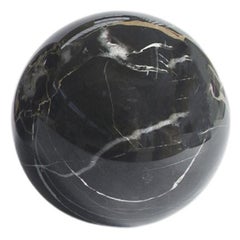
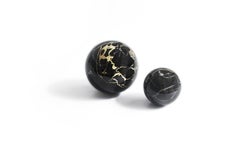
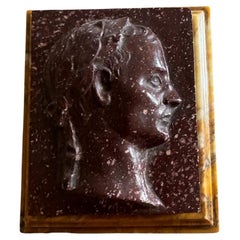
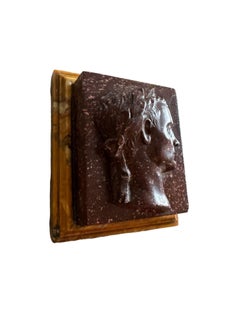
Late 18th Century Swedish Neoclassical Antique Porphyry Paperweights
MaterialsPorphyry, Bronze