Vintage 1920s Posters
20th Century French Vintage 1920s Posters
Linen, Paper
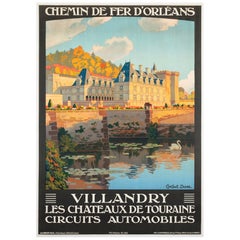

20th Century French Vintage 1920s Posters
Linen, Paper
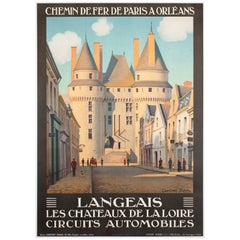
20th Century Spanish Belle Époque Vintage 1920s Posters
Paper
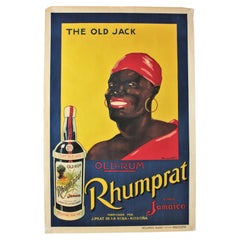
20th Century French Vintage 1920s Posters
Linen, Paper
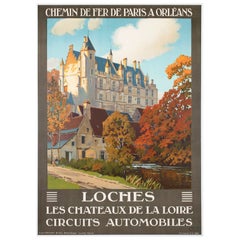
Mid-20th Century American Modern Vintage 1920s Posters
Lithograph
1950s Vintage 1920s Posters
Lithograph
1950s Vintage 1920s Posters
Linen, Paper, Lithograph
Mid-20th Century French Mid-Century Modern Vintage 1920s Posters
Canvas, Wood, Ash, Paint
Recent Sales
20th Century British Vintage 1920s Posters
Canvas
20th Century Austrian Art Deco Vintage 1920s Posters
Paper
20th Century Austrian Art Deco Vintage 1920s Posters
Paper
1970s American Vintage 1920s Posters
1970s American Post-Modern Vintage 1920s Posters
Paper
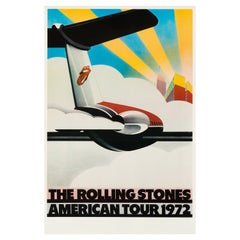
1970s American Vintage 1920s Posters
Paper
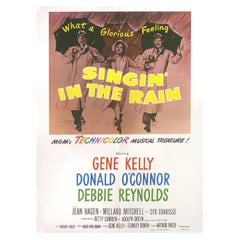
1940s Russian Mid-Century Modern Vintage 1920s Posters
Paper
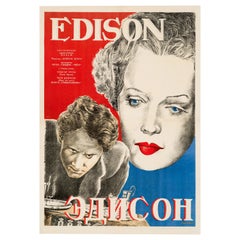
1940s American Sporting Art Vintage 1920s Posters
Oak, Paper
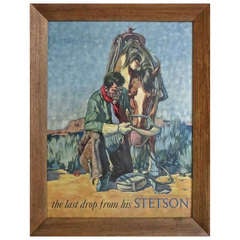
1940s Vintage 1920s Posters
Paper
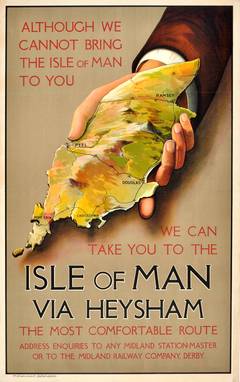
1940s Realist Vintage 1920s Posters
Lithograph
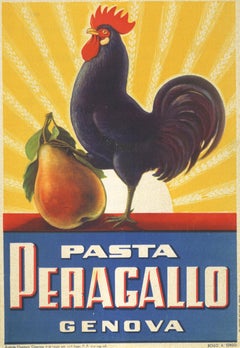
1970s Spanish Mid-Century Modern Vintage 1920s Posters
Ceramic
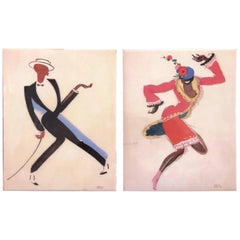
Late 20th Century Chinese Chinese Export Vintage 1920s Posters
Paper

People Also Browsed
1820s Jamaican British Colonial Vintage 1920s Posters
Muslin, Mahogany
1940s Spanish Vintage 1920s Posters
Paper
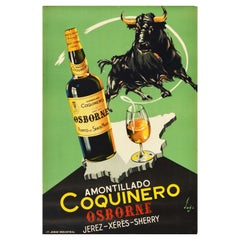
20th Century English Art Deco Vintage 1920s Posters
Crocodile
1960s American Mid-Century Modern Vintage 1920s Posters
Plastic
1930s Italian Vintage 1920s Posters
Linen, Paper
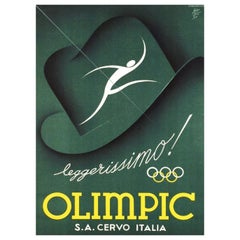
19th Century French Belle Époque Vintage 1920s Posters
Paper
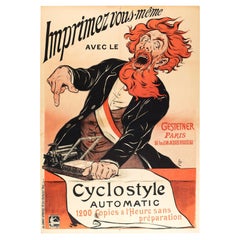
1990s Contemporary Vintage 1920s Posters
Screen
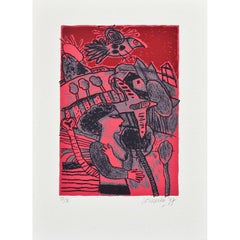
1910s Art Nouveau Vintage 1920s Posters
Lithograph
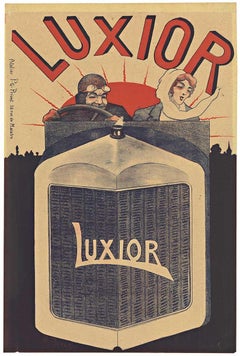
1930s French Art Deco Vintage 1920s Posters
Glass, Wood, Paper
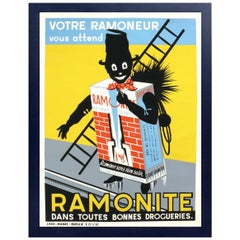
1910s German Vintage 1920s Posters
Paper
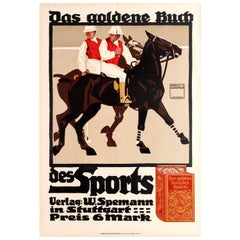
1940s French Belle Époque Vintage 1920s Posters
Paper
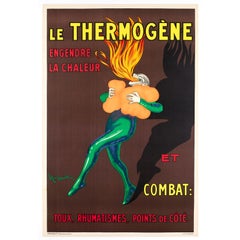
19th Century French Vintage 1920s Posters
Silver
1980s Modern Vintage 1920s Posters
Archival Pigment, Color
1980s Modern Vintage 1920s Posters
C Print
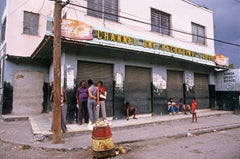
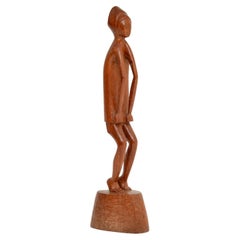
Mid-20th Century Jamaican Mid-Century Modern Vintage 1920s Posters
Wood
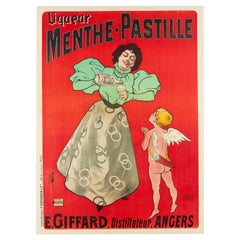
19th Century French Art Nouveau Vintage 1920s Posters
Paper
Vintage 1920S Posters For Sale on 1stDibs
How Much are Vintage 1920S Posters?
- What is a vintage poster?1 Answer1stDibs ExpertSeptember 28, 2021A vintage poster is a collector’s item — it usually refers to a piece of poster art that is at least 20 years old. These posters may range from $500 to $2,000 per item and can even be more expensive depending on subject matter, artist and other attributes. Shop a wide collection of unique vintage posters on 1stDibs today.
- What do I wear to a 1920s party?1 Answer1stDibs ExpertMarch 3, 2023To a 1920s party, you can wear a short fringed or beaded flapper dress, layers of long beaded or pearl necklaces, elbow-length gloves and a feathered headband. Another option is to wear an off-white men's suit. Shop a selection of vintage apparel on 1stDibs.
- 1stDibs ExpertMarch 22, 2022In the 1920s, flappers often wore straight, fitted dresses with plunging necklines and knee-length hems. Fringe was a common embellishment used at the time. Flappers also sported pumps and opted for bras and lingerie instead of corsets for undergarments. Shop a variety of vintage clothing on 1stDibs.
- 1stDibs ExpertJune 15, 2023In the 1920s, fashionable colors included jewel tones. Fashion, jewelry, furniture and decorative objects often featured jade green, deep reds, amethyst purple, dusty mustard yellow and peacock blue. Find a range of 1920s-era jewelry and fashion on 1stDibs.
- 1stDibs ExpertMay 5, 2023In the 1920s, brides often wore tubular-shaped slip dresses with a beaded tunic over top. Hemlines usually fell just below the knee or to the ankle, and many gowns had dropped waists. For headwear, brides often showed off veils attached to cloche or flapper-style headbands. On 1stDibs, shop a collection of wedding dresses from some of the world’s top boutiques.
- What era is 1920s jewelry?1 Answer1stDibs ExpertDecember 4, 2023What era 1920s jewelry is depends on its design. Most people associate this decade with the Art Deco movement, which took inspiration from eclectic sources like Cubism, ancient Egypt and Native American, African and Asian motifs. However, some pieces produced during the 1920s are more in line with the style trends of earlier periods, such as Art Nouveau, Edwardian and Victorian. Explore a diverse assortment of 1920s jewelry on 1stDibs.
- 1stDibs ExpertApril 5, 2024The clothing style in the 1920s that most people think of first is the flapper style. Women who dressed in this style sported loose-fitting, short dresses, often outfitted with drop waists and fringe. Small cloche hats and headbands were signature accessories of the flapper look. During the decade, pleated tennis skirts and cardigan sweater sets left the courts and became staples of some women's everyday styles. For men, soft collars replaced stiff, starched ones, and simple single and double-button suit jackets worn without waistcoats became trendy. Trousers also took on a new shape with wider-cut legs, and Oxford bags gained popularity. On 1stDibs, shop a variety of 1920s apparel and accessories.
- What are 1920s dresses called?1 Answer1stDibs ExpertFebruary 13, 2023The iconic dresses from the 1920s are called flapper dresses. This name comes from the term flapper, which was used to describe young women during the period who enjoyed personal fulfillment and independence in American cities, particularly as they gained the right to vote and enjoy other freedoms previously reserved for men. Flappers danced at jazz clubs and upended most societal restrictions placed on women at the time, and fashion statements typically attributed to flappers included short “bob” haircuts, higher hemlines and other then-audacious style choices. Find a selection of flapper dresses on 1stDibs.
- What is 1920s furniture called?1 Answer1stDibs ExpertNovember 13, 2024What 1920s furniture is called depends on its style. However, the most prominent design style of the decade was Art Deco. The term alone conjures visions of the Roaring Twenties, Machine Age metropolises, vast ocean liners, sleek typography and Prohibition-era hedonism. The iconic movement made an indelible mark on all fields of design throughout the 1920s and ’30s, celebrating society’s growing industrialization with refined elegance and stunning craftsmanship. Art Deco furniture often featured bold geometric lines, floral forms, shimmering mirrored finishes, sleek metal accents, and the use of expensive materials such as shagreen or marble as well as exotic woods such as mahogany, ebony and zebra wood. On 1stDibs, find a diverse assortment of Art Deco furniture.
- 1stDibs ExpertMay 5, 2023To identify a vintage poster, feel the texture. Authentic vintage posters will usually feel similar to a newspaper, while reprints of originals will usually be on glossy paper with a smooth surface. An experienced art dealer or certified appraiser can aid you in dating posters. Shop a range of posters from some of the world's top galleries on 1stDibs.
- 1stDibs ExpertOctober 15, 2024To tell if a poster is vintage, first consider the paper. Due to their age, most vintage posters will show at least minor signs of wear around the edges. A poster that appears brand new could be a reproduction. Also, familiarize yourself with the type of paper used for poster printing during the time when you believe your piece may have been produced. For example, you'd expect an original poster from the early 20th century to feel like newsprint, so a glossy finish on a piece would likely indicate that it's a later reprint. Next, grab a magnifying glass and examine the image. If you can see small dots or pixels, your poster was likely produced with printers that emerged during the late 1960s. Vintage posters from the 1970s, 80s and 90s may still be authentic originals if you observe pixelation, but you wouldn't expect to see it on a piece that purported to be older. If you still feel unsure about the age of your poster, consult a certified appraiser or knowledgeable art dealer. On 1stDibs, explore a variety of vintage posters.
- 1stDibs ExpertMay 5, 2023The type of tile that was used in the 1920s was primarily ceramic. Many shapes were available, including basketweave, penny round, pinwheel, square and subway. Hexagon tiles, however, which are still on trend, have been in use in bathrooms since at least the early 1900s. The choice of hexagonal tiles is believed to have been tied to cleanliness, as the small pieces could stand up to aggressive cleaning and could be easily replaced if needed. On 1stDibs, shop a collection of tiles from some of the world's top sellers.
- 1stDibs ExpertApril 5, 2022Flapper dresses from the 1920s came in a range of colors, although darker hues such as black and navy were immensely popular. Flapper dresses were cut with straight and slim silhouettes, were typically knee-length and had a lower neckline. They were often made from silk chiffon and featured beaded details. You’ll find a selection of 1920s flapper dresses from some of the world’s top sellers on 1stDibs.
- 1stDibs ExpertMarch 3, 2023The art style of antique and vintage posters varies greatly. During the first decades of the 20th century, posters reflected the Art Nouveau style. After World War II, the mid-century modern style influenced designs, and by the 1960s, Op Art and Surrealism provided inspiration for posters. Shop a selection of posters from some of the world's top galleries on 1stDibs.
- 1stDibs ExpertMarch 31, 2023Whether vintage posters are worth anything depends on the piece in question. The age, number of pieces produced, the maker, the subject or theme of the poster and its condition all play a role in determining the value. Because rarity and current demand also influence price, you may wish to work with a certified appraiser or knowledgeable dealer to determine whether a particular poster is valuable. The former is a big factor, as collectors are said to gravitate toward purchasing a rare poster even if its condition is less than mint. On 1stDibs, shop a collection of posters from some of the world's top galleries.
- 1stDibs ExpertNovember 21, 2023In the 1920s, engagement rings still looked like rings but were representative of a diverse range of styles and influences. Art Deco diamond ring designs took inspiration from the contemporary Cubist movement as well as from ancient Egypt – a revival sparked by the opening of King Tut’s tomb in 1922. Native American, African and Asian motifs also inspired jewelry pieces. Diamonds in square and rectangular shapes incorporating angular steps – like emerald cuts, Asscher cuts and baguettes – were set against black onyx, rubies, sapphires and emeralds to create color-blocking effects. Platinum, 18-karat gold, 14-karat white gold and sterling silver were some of the favored metals of the decade. Find a wide range of Art Deco engagement rings on 1stDibs.
- 1stDibs ExpertJanuary 10, 2025Coco Chanel was considered one of the leading fashion designers in the 1920s and ’30s in Paris. The first Chanel shop was established in 1910 on rue Cambon by the young milliner Gabrielle Chanel, who had picked up the nickname “Coco” while working as a club singer. The boutique drew the attention of the Parisian fashion elite, who popularized her wide-brimmed Chanel Modes hats. Soon, she added a sportswear store in the Normandy resort town of Deauville, where Coco set the tone for her defining sense of style — traditionally masculine garments reimagined for feminine shapes, made from simple jersey fabric. Effortless and elegant, Chanel's designs promoted comfort and grace in women’s wear that had been dominated in the previous century by complicated layers of fabric and cumbersome corsets. She followed this success with a couture house, opened in 1915 in Biarritz. In 1926, Chanel introduced her first little black dress, reclaiming a color that had once been reserved for mourning and working-class women. That same decade, she debuted her perfume, Chanel No. 5, as well as the Chanel suit with a fitted skirt, inspired by the boxy lines of men’s clothing and employing a sporty tweed. During the 1920s, she also unveiled the predecessor for the 2.55 Flap bag, which remains one of Chanel's most popular offerings. Shop a large selection of Chanel apparel, bags and accessories on 1stDibs.
- 1stDibs ExpertApril 5, 2022To tell if a movie poster is vintage, look at it through a loupe or magnifying glass. Older posters were created through a process that applies a solid color to the paper. Reproductions are often produced by a method that uses visible pixels. The size of the poster may also be a giveaway. Research to determine the known sizes of that particular poster will help in your research. Shop a large collection of vintage movie posters from some of the world’s top sellers on 1stDibs.
Read More
Punk Rock and Rebellion Animate London’s Hit Yoshitomo Nara Show
The exhibition includes his portraits of wide-eyed kids with mayhem on their minds, as well as some of the artist’s personal belongings.
Whether Painted or Papered, Muraled Walls Make Bold Statements in the Home
The ancient practice of covering walls in artistic scenery is back.
In Francks Deceus’s ‘Mumbo Jumbo #5,’ the Black Experience Is . . . Complicated
Despite the obstacles, the piece’s protagonist navigates the chaos without losing his humanity.
12 Floral-Accented Rooms with a Handmade, Folkloric Feel
Who needs a flower garden? Just use your imagination — and some beautifully patterned wallpaper or fabric — to bring the outdoors in.
This Wolf Kahn Pastel Is the Epitome of Beauty at Its Most Essential
A longtime admirer of Kahn’s work, 1stDibs editorial director Anthony Barzilay Freund explores why it’s relevant now more than ever.
Why Jules Chéret Was the King of the Modern Poster
The streets of fin-de-siècle Paris were set aglow with colorful poster ads, thanks to the printing techniques invented by Jules Chéret. Now, the Milwaukee Art Museum is celebrating this undersung talent in America's first solo show dedicated his exuberant works.
Anna Condo’s Multifaceted Career Spans Film, Photography and NFTs
From her historic Manhattan townhouse, the talented creator and curator of 1stDibs' latest NFT exhibition tells us about the art in her home and how she got involved with cryptoart.
How Keith Rivers Went from NFL Linebacker to Blue-Chip Art Aficionado
The former football player is as serious about becoming a great contemporary-art patron as he once was about making tackles. Here, Rivers tells us how he got the collecting bug and how his tastes have evolved over the years.