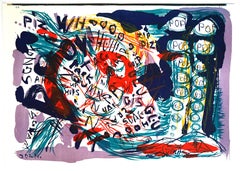
By Asger Jorn
Located in Missouri, MO
Asger Jorn
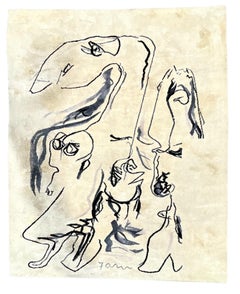
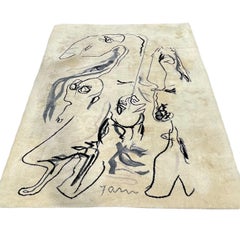
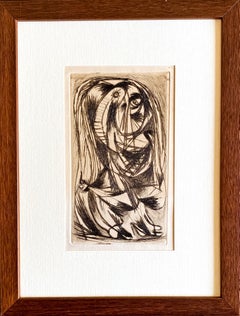
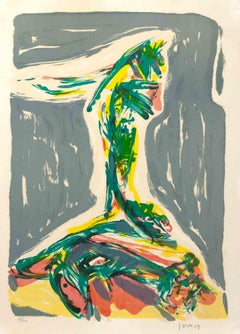
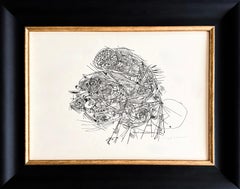
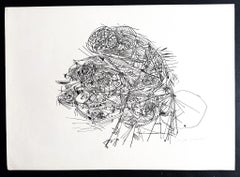
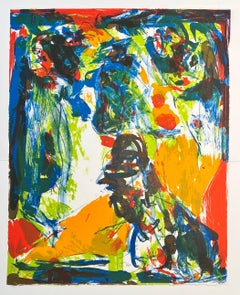
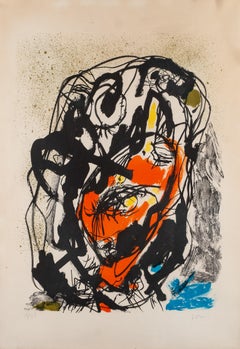
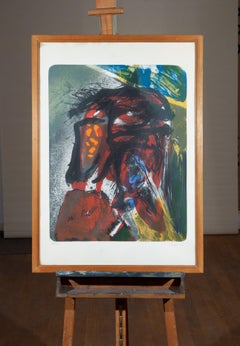
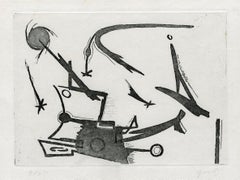
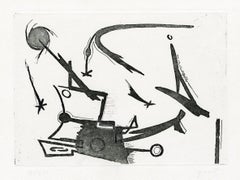
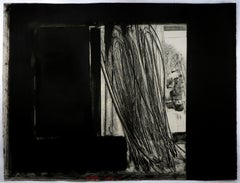
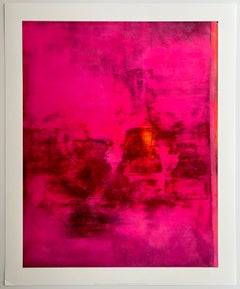
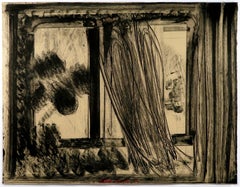
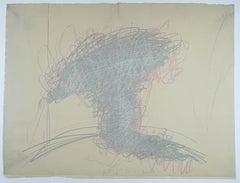
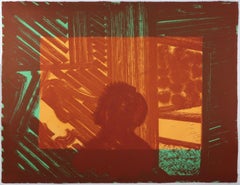
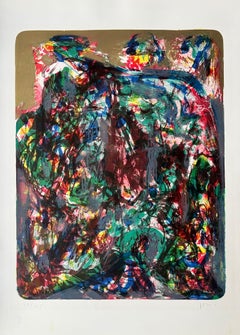
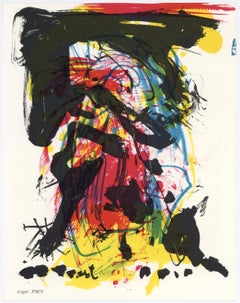
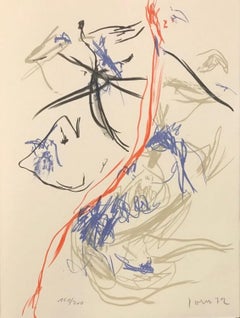
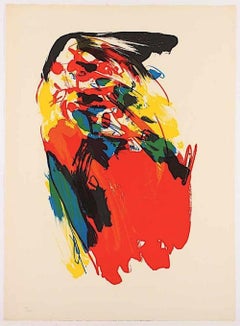
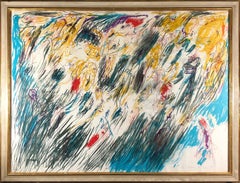
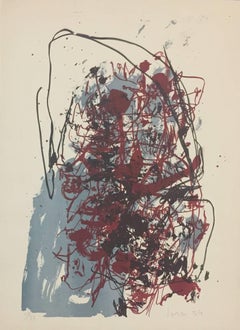
"Das Offene Versteck" (The Open Hiding Place) 1970
Lithograph in Colors on Smooth Paper
approx. 40 x 55 inches (approx 45 x 60 in framed)
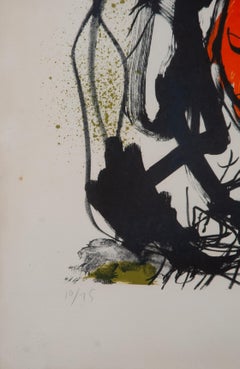
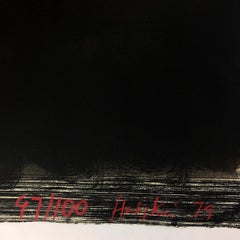
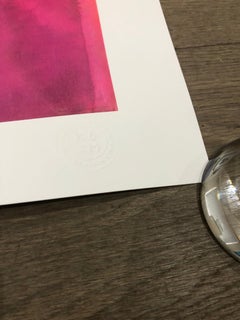
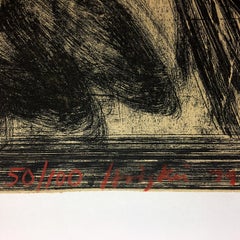
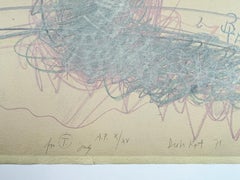
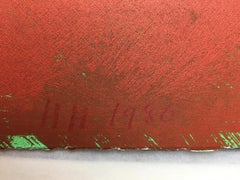
Signed and Dated Lower Right
Ed. 65/85
Published by Edition Van de Loo, Munich
Printed at Fratelli Pozzo, Turin
A prolific painter of abstraction and political activist, Asger Jorn was a founding member of Situationist International, a group of agitators linked to Marxism and other avant-garde philosophies with the goal of effecting major social and political changes. He was born in the village of Vejrum in northwest Jutland, Denmark to parents who were teachers and fundamentalist Christians, a philosophy Asger rebelled against increasingly as he got older. His father was killed in an automobile wreck when Asger was twelve years old. Three years later, he was diagnosed with tuberculosis, and he spent three months in treatment on the coast of Jutland. Shortly after that, he began painting, influenced by Danish artist Martin Kaalund-Jorgensen, who used Asger as a model for many of his figurative works.
In 1935, Asger Jorn graduated from Vinthers Seminarium in Silkeborg, Denmark, where he had been especially influenced by a class in 19th Century Scandinavian thought. He had also joined a branch of the Danish Communist Party, and was much impressed by trade unionism. Its leader, Christian Christensen, became a 'second father' to him.
Jorn traveled to Paris in 1936 with the intention of studying with avant-garde artist Wassily Kandinsky, but learning that he was at poverty level and selling only a few paintings, Jorn associated himself with Fernand Leger at the Academie Contemporaine. During this period, he changed his painting focus from figurative to abstraction. He joined French architect and painter Le Corbusier (1887-1965), a pioneer in the International Style, in working on an entry in the 1937 Paris Exhibition. Shortly after, Jorn returned to Denmark where, from 1937 to 1942, he studied at the Copenhagen Art Academy.
When the Nazis occupied Denmark, Asger Jorn was filled with depression, fury and confusion, especially since he had been dedicated to pacifism. He became an active communist resistor and co-founded an underground group called Helhesten, meaning "hell horse". For its journal, he wrote essays including one called "Intimate Banalities" in which he praised amateur landscape painting and asserted that kitsch was the future of art.
After the war, he moved back to France, having distanced himself from the Communist Party as being too committed to central "bourgeois political control". With Karel Appel, Constant Anton Nieuwenhuys...
Category
1970s Abstract Asger Jorn Art