Awaji Pottery

Average Sold Price
$1,238
Styles
Materials
Related Creators
Antique Japanese Awaji Pottery Minpei Ware Sancai (Three Color) Bowl Signed

Antique Japanese Awaji Pottery Minpei Ware Sancai (Three Color) Bowl Signed

By Awaji Pottery

Located in Wilton, CT

Antique Japanese Awaji pottery bowl in sancai (three color) glaze, circa 1900. Hand turned. Impressed plover mark from the Danto Kiln, succesor to the Minpei Kiln. Sancai glazes orig...

Category

Early 1900s Japanese Meiji Antique Awaji Pottery

Materials

Pottery

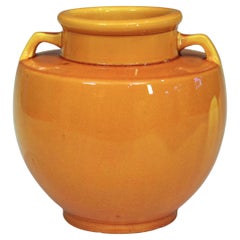
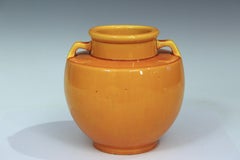
Vintage Awaji Pottery Art Deco Atomic Chrome Orange Vase

Vintage Awaji Pottery Art Deco Atomic Chrome Orange Vase

By Awaji Pottery

Located in Wilton, CT

Vintage Awaji pottery vase in Art Deco form with pair of small upturned handles and bright chrome orange glaze. Circa 1930. Hand turned. Impressed export, kiln, and potter's marks. ...

Category

1930s Japanese Art Deco Vintage Awaji Pottery

Materials

Pottery

Antique Awaji Pottery Light Green Vase with Brass Weaving

Antique Awaji Pottery Light Green Vase with Brass Weaving

By Awaji Pottery

Located in Wilton, CT

Antique Awaji pottery vase in light green crackled glaze overlayed with a geometric pattern of brass weaving. The brass has darkened to a warm brown patina. From the kiln of Tamura K...

Category

1910s Japanese Arts and Crafts Vintage Awaji Pottery

Materials

Pottery

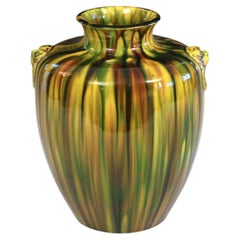
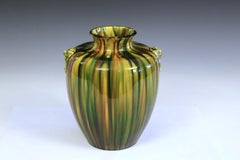
Collection of Vintage Awaji Pottery Vases in Colorful Monochrome Glazes

Collection of Vintage Awaji Pottery Vases in Colorful Monochrome Glazes

By Awaji Pottery

Located in Wilton, CT

Collection of vintage Awaji pottery vases in colorful monochrome glazes. This cheerful grouping of lively forms and bright colors will uplift any room. These range in date from appro...

Category

Early 20th Century Japanese Art Deco Awaji Pottery

Materials

Pottery

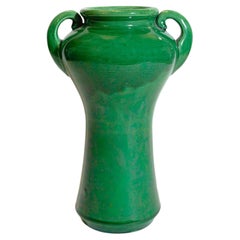
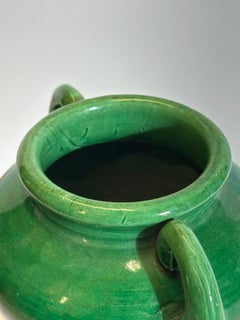
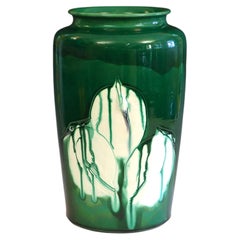
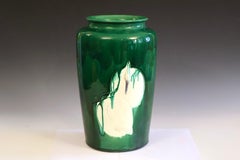
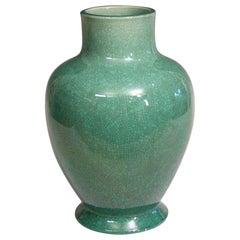
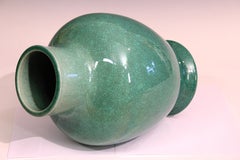
Awaji Pottery Hu Form Green Crackle Glaze Vase

Awaji Pottery Hu Form Green Crackle Glaze Vase

By Awaji Pottery

Located in Wilton, CT

Large Awaji pottery vase in luminous green crackle glaze, circa 1930. This vase is in the Hu form, a shape with origins in ancient Chinese bronze vessels that was later embraced in J...

Category

1930s Japanese Art Deco Vintage Awaji Pottery

Materials

Pottery

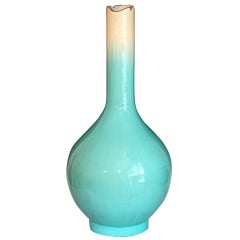
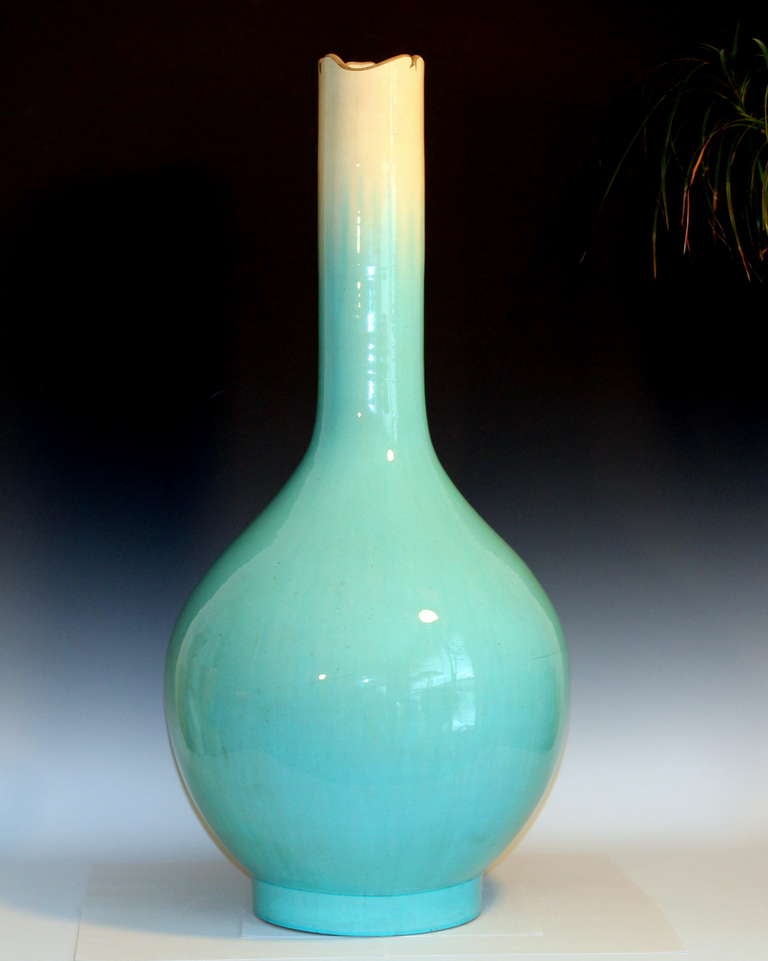
Antique Kyoto-Awaji Pottery Blue Organic Art Nouveau Two Tone Trumpet Vase 18"

Antique Kyoto-Awaji Pottery Blue Organic Art Nouveau Two Tone Trumpet Vase 18"

By Awaji Pottery

Located in Wilton, CT

Antique Kyoto-Awaji pottery vase in tall and slender sweeping organic Art Nouveau form with trumpet mouth, in two tone color with a cream glaze fading into a deep cobalt, circa 1910....

Category

1910s Japanese Art Nouveau Vintage Awaji Pottery

Materials

Pottery

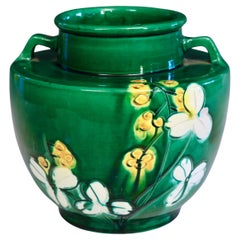
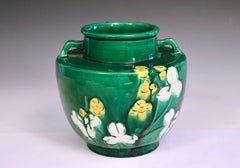
Antique Awaji Pottery Arts & Crafts Incised Blossoms Vase

Antique Awaji Pottery Arts & Crafts Incised Blossoms Vase

By Awaji Pottery

Located in Wilton, CT

Antique Awaji pottery Arts and Crafts vase in lively form with wide flat shoulder, little angular handles, and rounded mouthrim. Charming floral blossom sprays are incised front and ...

Category

1920s Japanese Arts and Crafts Vintage Awaji Pottery

Materials

Pottery

Vintage Awaji Pottery Art Deco Mottled Chrome Red Atomic Drip Glaze Vase

Vintage Awaji Pottery Art Deco Mottled Chrome Red Atomic Drip Glaze Vase

By Awaji Pottery

Located in Wilton, CT

Vintage Awaji pottery vase with three upturned little handles emanating from the shoulder and folding under the mouthrim in mottled chrome orange and green atomic age drip glaze. Han...

Category

1930s Japanese Art Deco Vintage Awaji Pottery

Materials

Pottery

Browse all Furniture from Awaji Pottery
Shop Now

Awaji Pottery Sale Prices

Sold DateSold PriceCategoryMaterialCreation Year
2026$750Animal SculpturesPotteryCirca 1900
2026$2,800CeramicsCeramic, Pottery1920s
2026$1,270VasesPotteryCirca 1930
2026$1,275VasesPotteryCirca 1920
2025$1,195VasesPotterycirca 1930
2025$1,495VasesPotteryCirca 1910
2025$375VasesPotteryCirca 1930
2025$750VasesPotteryCirca 1920
2025$600Ceramics, VasesPottery1920s
2025$495VasesPotterycirca 1930
2025$2,610VasesPotterycirca 1920
$1,238
Average sold price of items in the past 12 months
$375-$2,800
Sold price range of items in the past 12 months

Awaji Pottery furniture for sale on 1stDibs.

Awaji Pottery furniture are available for sale on 1stDibs. These distinctive items are frequently made of ceramic and are designed with extraordinary care. There are many options to choose from in our collection of Awaji Pottery furniture, although black editions of this piece are particularly popular. Many of the original furniture by Awaji Pottery were created in the Art Deco style in japan during the 20th century. Prices for Awaji Pottery furniture can differ depending upon size, time period and other attributes — on 1stDibs, these items begin at $350 and can go as high as $4,800, while a piece like these, on average, fetch $1,495.
Questions About Awaji Pottery
  • 1stDibs ExpertMay 3, 2024
    Opinions vary as to what is the most famous type of Japanese pottery. A few kinds of pottery that originated in Japan have gained fame and are popular with collectors. Among them are Arita or Imari ware, Seto ware, Mino ware, Tokoname ware, Shigaraki ware, Kutani ware and Onta ware. Shop a wide variety of Japanese pottery on 1stDibs.
  • 1stDibs ExpertNovember 26, 2024
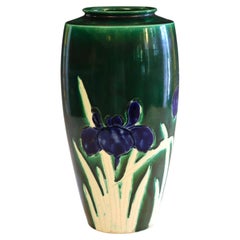
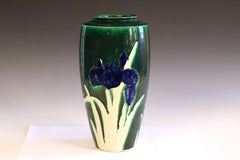
    To identify Awaji pottery, first look for any markings. Rather than the name of a single maker, Awaji is the term for a style of pottery that emerged in Japan during the late 19th century and remained popular through the 1940s. As a result, several factories, artisans and workshops have produced Awaji ware. Researching any maker's marks on your piece can help you determine if the creator is known for producing Awaji-style pottery. If you can't find a mark, the decorative motifs, glaze color and clay color can help you make an identification. Usually, the underlying clay is cream or white-colored, and its glazes are usually brightly colored and iridescent or glossy. While some Awaji pottery is unadorned, other examples have carved textural effects, such as deep grooves that encircle the pottery or raised iris flower accents. Because expertise is often necessary to accurately identify unmarked pieces, you may wish to have an experienced antique dealer or certified appraiser assist you. Find a variety of Awaji pottery on 1stDibs.