By Betye Saar
Located in Surfside, FL
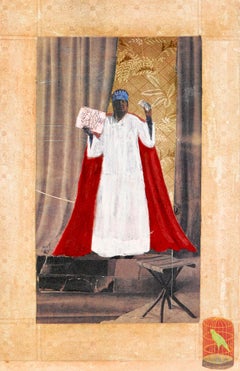
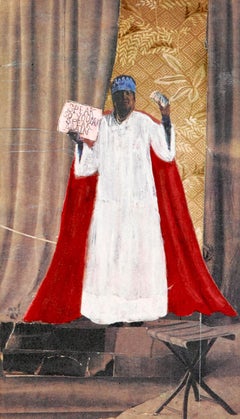
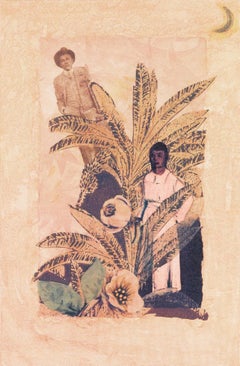
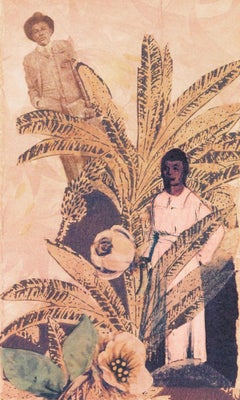
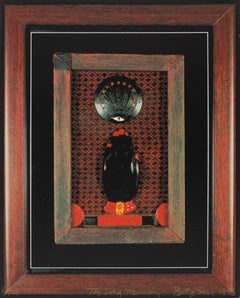
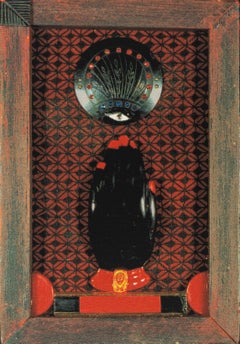
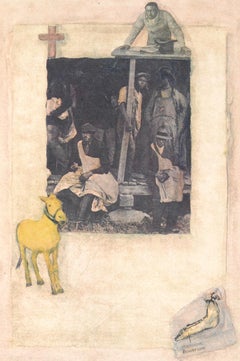
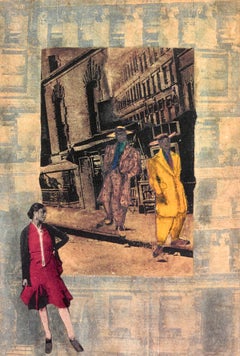
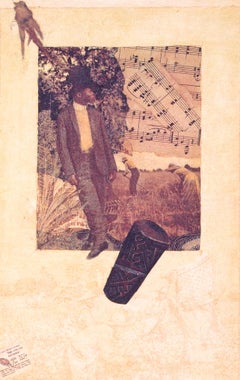
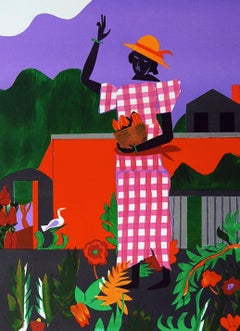
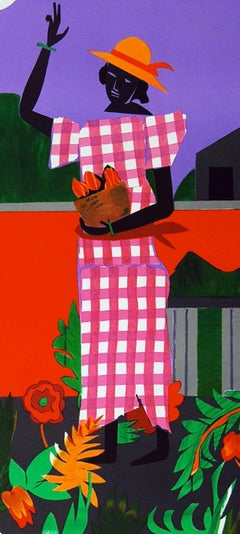
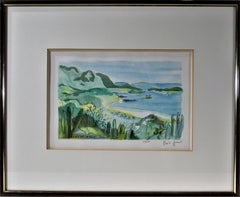
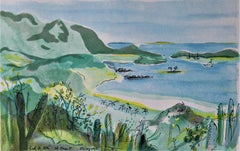
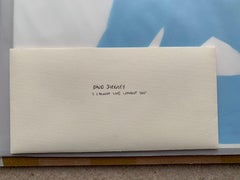
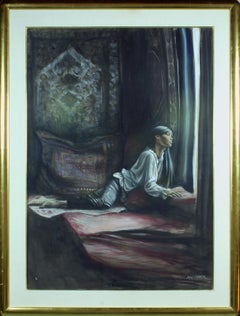
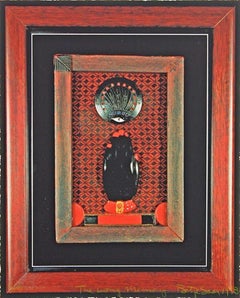
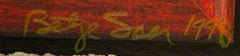
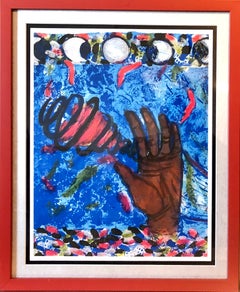
Betye Saar (American, B. 1926) "Takin' a Chance on Luv". Pigment print. Signed with artist stamp. 2017, from the edition of 150.
printed on Canson Edition Etching Rag 310 gram paper;
paper size: 13 x 16-1/4 inches; Frame: 19" x 15.5"
comes with Certificate of Authenticity
Betye Irene Saar (born 1926 in Los Angeles, California) is an African American female artist known for her work in the medium of assemblage and collage. Saar has been called "a legend" in the world of contemporary art. She is a visual storyteller and an accomplished printmaker. Betye Saar was a part of the Black Arts Movement in the 1970s, which engaged myths and stereotypes about race and femininity. Her work is considered highly political Feminist art, as she challenged negative racist ideas about African-Americans throughout her career. Betye Saar’s work mixes surreal, symbolic imagery with a folk art aesthetic. African tribal mysticism, history, memory, and nostalgia are also important for Saar. Her daughter is the well known artist Alison Saar.
Her college education began with art classes at Pasadena City College and continued at the University of California, Los Angeles after receiving a tuition award from an organization that raised funds to send minority students to universities. Saar received a B.A. in design in 1947. She went on to graduate studies at California State University, Long Beach, University of Southern California, California State University, Northridge, and American Film Institute.
Saar was inspired to create assemblages by a 1967 exhibition by found object sculptor, Joseph Cornell and Robert Rauschenberg. She was also greatly influenced by Simon Rodia's Watts Towers, which she witnessed being built in her childhood. Saar said that she was “fascinated by the materials that Simon Rodia used, the broken dishes, sea shells, rusty tools, even corn cobs—all pressed into cement to create spires. To me, they were magical.”
She began to create work that consisted of found objects arranged within boxes or windows, with items that drew from various cultures to reflect her own mixed ancestry: African-American, Irish, and Native American.
In the 1960s, Saar began collecting images of Aunt Jemima, Uncle Tom, Little Black Sambo, and other stereotyped African-American figures from folk culture and advertising of the Jim Crow era. She incorporated them into collages and assemblages, transforming them into statements of political and social protest. The Liberation of Aunt Jemima is one of her most notable works from this era. In this mixed-media assemblage, Saar utilized the stereotypical mammy figure of Aunt Jemima to subvert traditional notions of race and gender. In the late 1960s, her focus turned to the civil rights movement and issues of race. Black women artists like Faith Ringgold, Betye Saar, Adrian Piper, Howardena Pindell, and Barbara Chase...
Category
21st Century and Contemporary Contemporary Betye Saar Art