Delft Inkwells

to
1
1
1
1
1
1
1
Height
to
Width
to
1
1
1
149
33
7
6
5
Creator: Delft
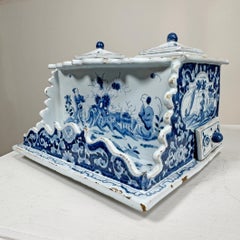
18th Century Dutch Delft Blue and White Ink Well attributed to Anthoni Pennis

18th Century Dutch Delft Blue and White Ink Well attributed to Anthoni Pennis

By Delft

Located in Hastings, GB

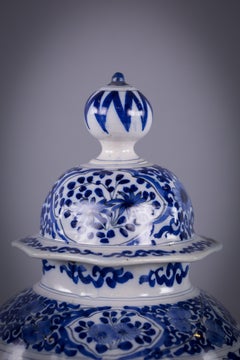
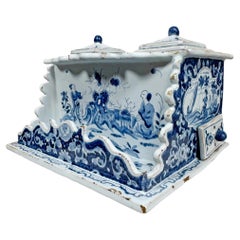
A superb 18th Century Dutch Delft Blue and White Ink Well and Desk Stand attributed to Anthoni Pennis, beautifully decorated in the chinoiserie style. Marked to the base with the Blu...

Category

Mid-18th Century Dutch Chinoiserie Antique Delft Inkwells

Materials

Pottery
Related Items
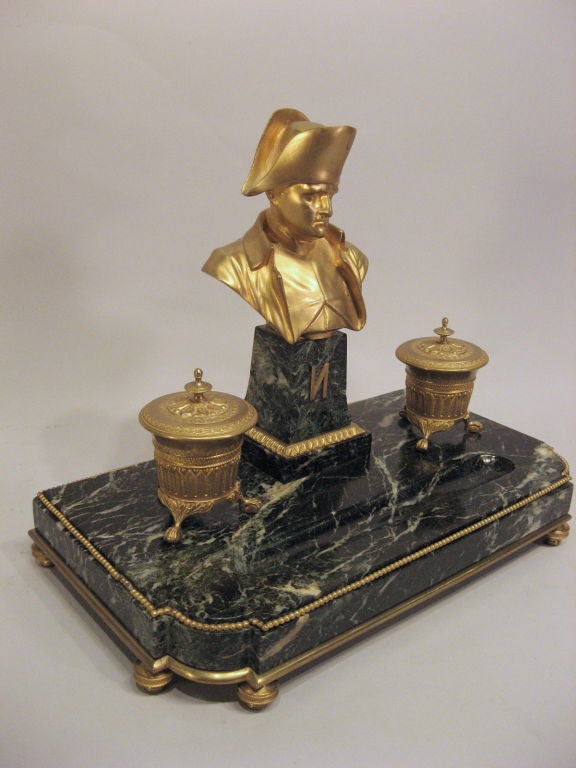
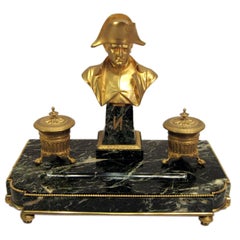
19th Century Bronze Dore Napolean Ink Well, France.

19th Century Bronze Dore Napolean Ink Well, France.

Located in Atlanta, GA

An Encrier set with richly-veined Verde Antico marble base mounted with pair gilt-bronze inkwells flanked on either side of a Napolean bust. The marble base with pen tray rest on sh...

Category

19th Century French Napoleon III Antique Delft Inkwells

Materials

Marble, Bronze

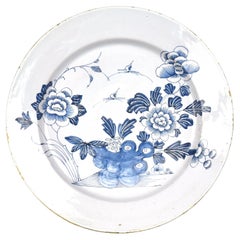
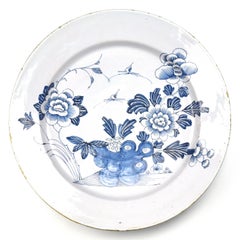
Antique 18th Century Dutch Delft Chinoserie Plate w. Peony & Chrysanthemum

Antique 18th Century Dutch Delft Chinoserie Plate w. Peony & Chrysanthemum

By Delft

Located in Bad Säckingen, DE

This antique 18th Century Dutch Delft Chinoserie plate is a captivating piece of ceramic art that reflects the outstanding craftsmanship and cultural exchange of its time. Originatin...

Category

Early 18th Century Dutch Baroque Antique Delft Inkwells

Materials

Faience

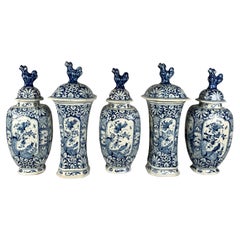
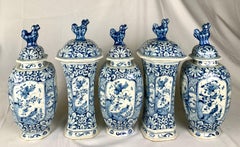
Blue and White Dutch Delft Five Piece Garniture Hand Painted 18th Century C-1760

Blue and White Dutch Delft Five Piece Garniture Hand Painted 18th Century C-1760

Located in Katonah, NY

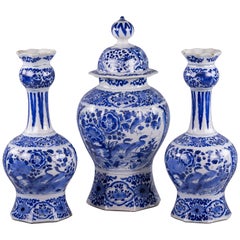
This splendid five-piece Delft garniture, made in Holland in the mid-18th century, circa 1760, captures the harmony and refinement of 18th-century Dutch faience at its height. ...

Category

Mid-18th Century Dutch Chinoiserie Antique Delft Inkwells

Materials

Delft

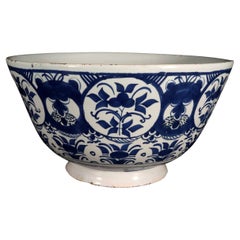
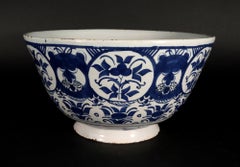
Dutch Delft Blue & White Botanical Bowl

Dutch Delft Blue & White Botanical Bowl

$2,500

H 5.75 in Dm 10.25 in

Dutch Delft Blue & White Botanical Bowl

By Delft

Located in Downingtown, PA

Dutch Delft Blue and White Chinoiserie Punch Bowl A striking Dutch Delft pottery punch bowl dating from the height of the Delftware tradition, circa 1720. This high-sided bowl featu...

Category

Early 18th Century Dutch Rococo Antique Delft Inkwells

Materials

Delft, Faience, Pottery

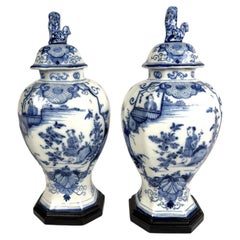
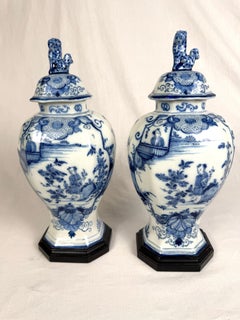
Dutch Delft Blue and White Covered Jars Hand Painted 18th Century Circa 1770

Dutch Delft Blue and White Covered Jars Hand Painted 18th Century Circa 1770

By Delft

Located in Katonah, NY

This pair of Dutch Delft blue and white covered jars was hand painted in the Netherlands circa 1770. Fully composed on every side, they reflect a level of planning and painterly cont...

Category

18th Century Dutch Chinoiserie Antique Delft Inkwells

Materials

Delft, Wood

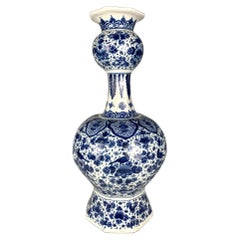
Large Antique Blue and White Dutch Delft Vase Hand Painted 18th Century Ca. 1770

Large Antique Blue and White Dutch Delft Vase Hand Painted 18th Century Ca. 1770

By Delft

Located in Katonah, NY

This hand-painted Dutch Delft vase, made circa 1770, is a beautiful example of 18th-century tin-glazed earthenware in blue and white. Rising to more than eighteen inches, the vase ha...

Category

1770s Dutch Antique Delft Inkwells

Materials

Delft

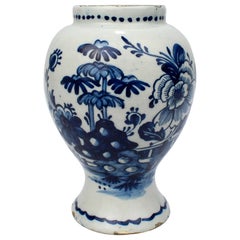
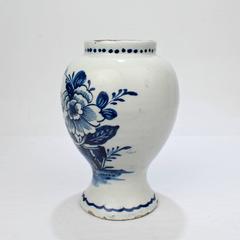
18th Century Tin Glazed Dutch Delft Pottery Blue and White Vase or Jar

18th Century Tin Glazed Dutch Delft Pottery Blue and White Vase or Jar

By Delft

Located in Philadelphia, PA

A very fine 18th century Dutch Delft pottery vase or jar. Of typical vasiform shape with medium and deep blue Chinoiserie landscape decoration, dot border to the top rim, and swag...

Category

18th Century Dutch Baroque Antique Delft Inkwells

Materials

Delft

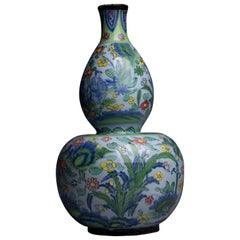
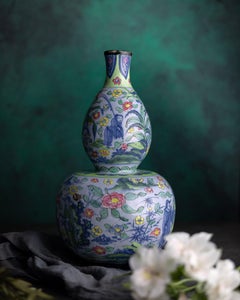
Early 18th Century Blue and White Dutch Delft Clobbered Vase

Early 18th Century Blue and White Dutch Delft Clobbered Vase

Located in Fort Lauderdale, FL

A blue and white Dutch delft vase made circa 1700, with clobbered-style polychrome enamels added in the mid-18th century. This brightly colored blue and white Dutch delft vase is a ...

Category

Early 18th Century Dutch Dutch Colonial Antique Delft Inkwells

Materials

Delft, Pottery

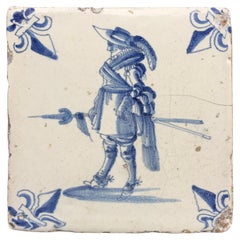
Blue and White Dutch Delft Tile with Pikier, Mid 17th Century

Blue and White Dutch Delft Tile with Pikier, Mid 17th Century

Located in AMSTERDAM, NH

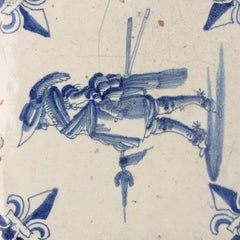
The Netherlands Amsterdam Circa 1625 – 1650 A blue and white Dutch tile with a decoration of a Dutch soldier from the period of the 80 Years War. This soldier could be a member of t...

Category

1620s Dutch Baroque Antique Delft Inkwells

Materials

Ceramic, Faience, Majolica

Early 18th Century Wooden Folk Art Ink Sander

Early 18th Century Wooden Folk Art Ink Sander

Located in Copenhagen, K

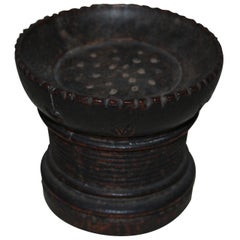
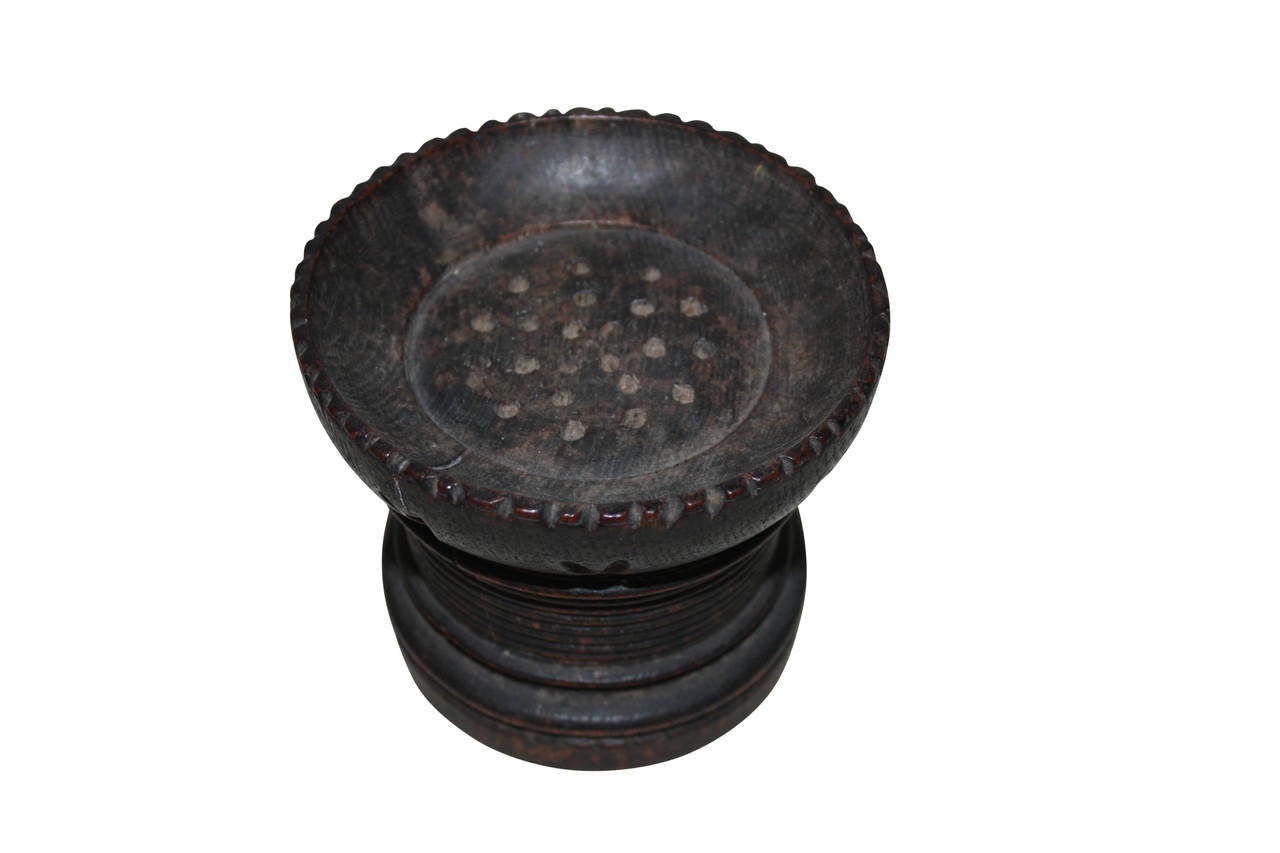
Very lovely wooden ink sander with small carvings all around it.

Category

Early 18th Century Danish Folk Art Antique Delft Inkwells

Materials

Wood

Blue and White Dutch Delft Tile: Stil life with vase and fruit, 17th Century

Blue and White Dutch Delft Tile: Stil life with vase and fruit, 17th Century

Located in AMSTERDAM, NH

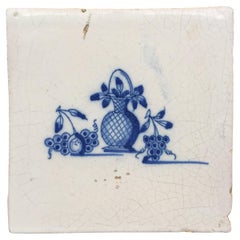
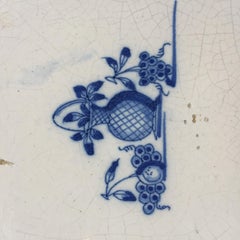
The Netherlands Circa 1700 A fine blue and white Dutch tile with a still life painting of a vase with leaves and grapes and an apple on the sides. The scene is painted without corn...

Category

1690s Dutch Baroque Antique Delft Inkwells

Materials

Ceramic, Faience, Majolica

Delft inkwells for sale on 1stDibs.

Delft inkwells are available for sale on 1stDibs. If you’re looking for additional options, many customers also consider inkwells by Elkington & Co., René Lalique, and John Grinsell & Sons.
Questions About Delft Inkwells
  • 1stDibs ExpertApril 5, 2022
    Delft is known for its blue ceramic pottery called Delftware. Artisans in the Dutch city began producing the earthenware during the 16th century. In addition, Delft is the home of the 17th-century Dutch Baroque painter Johannes Vermeer. You'll find a range of Delftware on 1stDibs.
  • 1stDibs ExpertApril 5, 2022
    To tell if Delft pottery is real, look at it under a magnifying glass. Authentic Delftware should show visible brushstrokes, a sign that the pieces have hand-painted images. You can also turn the piece over and look for a crown cross marking with the words Handpainted, Delft Blue, Made in Holland. On 1stDibs, find a collection of expertly vetted Delft pottery.
  • 1stDibs ExpertMarch 22, 2022
    Delft tiles were made during the 17th and 18th centuries. The term refers to earthenware tiles with tin-glaze finishes that were meticulously hand-painted by artisans living in the city of Delft in what is now the Netherlands. Find a selection of Delft tiles on 1stDibs.
  • 1stDibs ExpertMay 3, 2024
    To tell how old your Delft is, look for the maker's markings. On most pieces, you will find the painter's initials as well as a two-letter date code. By comparing the date code on your piece to information provided on trusted online resources, you can find out its year of production. If you have trouble locating the date code, a certified appraiser or knowledgeable antiques dealer can assist you with dating. Explore a diverse assortment of Delft pottery on 1stDibs.
  • 1stDibs ExpertOctober 7, 2024
    The difference between Delft and Chinoiserie is that one is a specific type of pottery, and the other is a style of pottery. Chinoiserie is a general term for pottery and other decorative objects produced by Western artisans that draw inspiration from traditional Chinese functional and fine arts. Delft, or Delftware, is tin-glazed pottery made through techniques that originated in Delft, Netherlands. Many pieces of Delftware are examples of Chinoiserie because their decorative embellishments were inspired by Chinese porcelain. On 1stDibs, explore a selection of Delftware and Chinoiserie pottery.
  • 1stDibs ExpertFebruary 22, 2021
    Delftware often has a maker's mark on the base or back of the item consisting of letters or figurative symbols to show where the item was manufactured. Today markings will say hand-painted in Holland as well as the phrase Delft blue in Dutch or English.
  • 1stDibs ExpertApril 5, 2022
    Yes, Delft tiles are still being produced. Delft pottery, also known as Delftware or Delft Blue, refers to a tin-glazed earthenware crafted in the city of Delft in the Netherlands. Delftware is highly coveted due to the intricate nature of the design and is a favorite among home decor enthusiasts. Shop a wide range of authentic Delftware on 1stDibs.
  • 1stDibs ExpertApril 5, 2022
    Delft Blue is in fact still made today. There is one factory left, the Royal Dutch, which has been in operation since 1653. It continues to make delft blue using the traditional methods. You’ll find a variety of Delft blue products from some of the world’s top sellers on 1stDibs.
  • 1stDibs ExpertSeptember 16, 2024
    How much Delft pottery is worth varies based on characteristics like type, style, age and condition. Selling prices usually start in the low hundreds, with the most valuable examples of Delft pottery worth $10,000 or more. True blue Delftware originates only from a single location: Delft in the Netherlands. These precious pieces pair well with French faience. Unlike Delftware, French faience utilizes a lead-and-tin glaze. To find out how much a specific piece is worth, have a certified appraiser or knowledgeable antique dealer evaluate it. On 1stDibs, shop a large selection of antique Delft pottery.
  • 1stDibs ExpertSeptember 23, 2024
    To identify your Delft pottery marks, try using the factory mark database on the Delfts Aardewerk platform. Several Dutch museums joined forces to create this site in order to educate the public and collectors about Delftware. On it, you'll find hundreds of pictures of makers’ markings and a handy search feature for browsing the images based on a description of your marking. If you're unable to find your mark on the site, a certified appraiser or knowledgeable antique dealer can aid you with making an identification. Explore a selection of Delft pottery on 1stDibs.