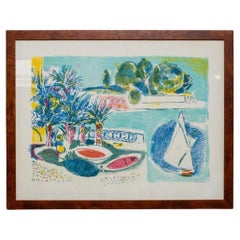
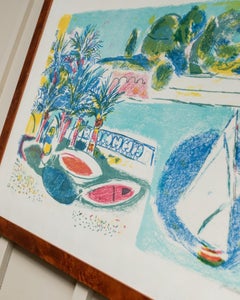
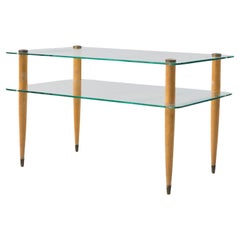
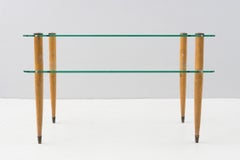
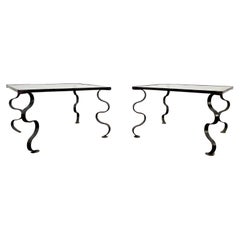
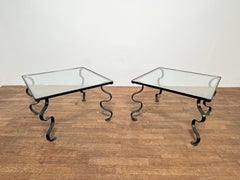
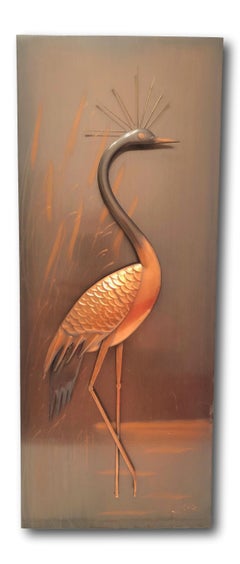
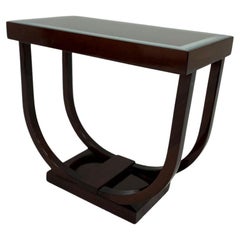
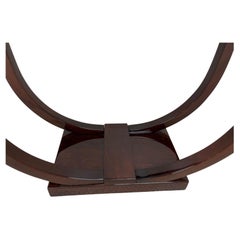
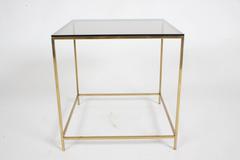
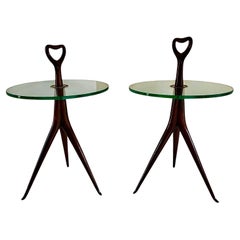
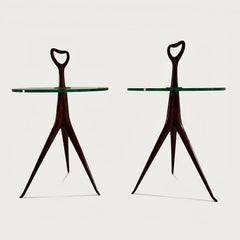
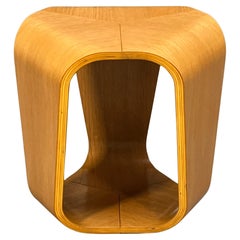
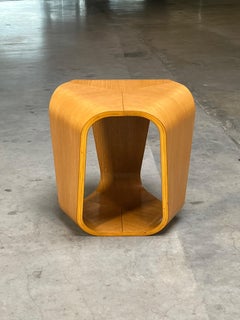
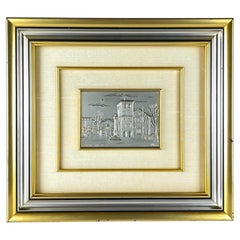
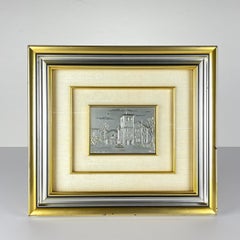
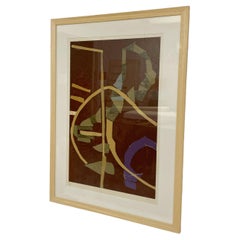
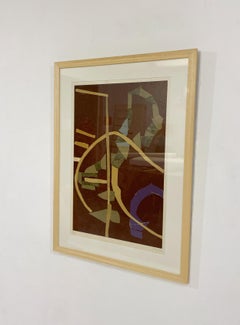
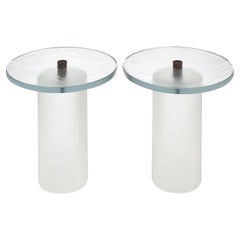
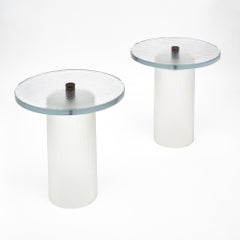
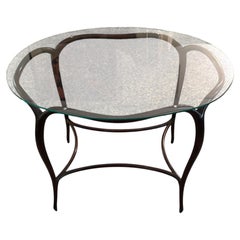
Enrico Paulucci furniture are available for sale on 1stDibs. These distinctive items are frequently made of
wood and are designed with extraordinary care. There are many options to choose from in our collection of Enrico Paulucci furniture, although brown editions of this piece are particularly popular. Many of the original furniture by Enrico Paulucci were created in the
modern style in
italy during the
mid-20th century. If you’re looking for additional options, many customers also consider furniture by
Paolo Piva,
Marcello Siard, and
Anna Castelli Ferrieri. Prices for Enrico Paulucci furniture can differ depending upon size, time period and other attributes — on 1stDibs, these items begin at
$1,617 and can go as high as
$3,774, while a piece like these, on average, fetch
$2,695.