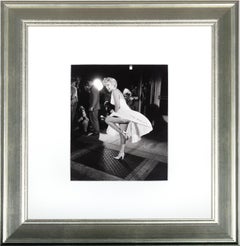
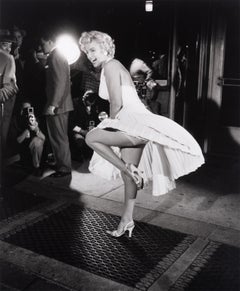
Listing includes framing with UV plexiglas, free shipping and a 14 day return policy.
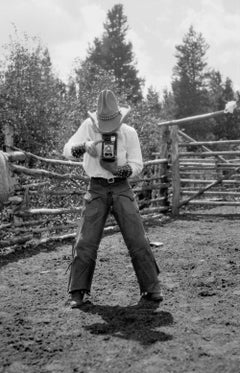
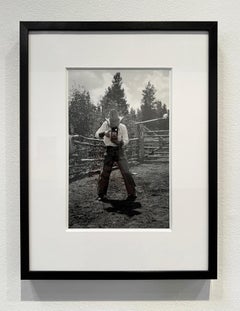
Ted Higby at Skyline Rodeo, 1928
15 x 12 inch gelatin silver print
Image Size: 14 x 8.5 inches
Frame size: 22.5 x 17.5 x 2 inches
Edition of 15
Lora Webb Nichols was born in 1883 and grew up in the small mining town of Encampment, Wyoming. At the age of 16 Lora received her first camera and from that moment and for the next few decades she produced work that is both stunning in its singular voice and revealing in the world it opens up for us.
At first Nichols photographed her family, friends, and the landscape around Encampment, but when the town experienced a copper mining boom Nichols expanded her scope to become a photographer for hire shooting portraits and industrial photographs. When the boom collapsed, Nichols took the risk of opening her own business in Encampment - The Rocky Mountain Studio - which opened in 1925. The studio ran for ten years, accumulating 24,000 negatives that illustrate the lives and environment of the people living in and around the town while creating a distinctive and surprising body of work. If one was to attempt an analogy – Nichols’ pictures fit somewhere between Lartigue and Lange - joyful and generous while objectively intimate. In particular what seems to distinguish Nichols’ work is the way she sees the world from a female perspective. As Vince Aletti...
Category
1920s Other Art Style George Zimbel Art