Hermine David Paintings
Hermine David was one of the École de Paris artists, a group of non-French artists working in Paris before the first World War. Jules Pascin was another member of the same artistic group whom she met in 1907. By then, she was already well-established as a successful young painter, miniaturist and printmaker. David and Pascin soon became lovers and lived together in a series of studios in the bohemian communities of Montmartre and Montparnasse. She followed Pascin to the United States in 1915, where they were married a few years later and stayed for five years. David exhibited in New York during her residence there. In 1920, after returning to France, she exhibited in London and in several solo shows at prominent galleries in Paris. David was widely appreciated by both critics and collectors. While her finest work dates to the 1920s and '30s, including the book illustrations for which she developed a passion in the '20s, she was active into the '60s, winning a watercolor prize at the Biennale de Deauville in 1965. She outlived her husband by forty years, dying in 1970.
1920s Hermine David Paintings
Paper, Oil, Cardboard
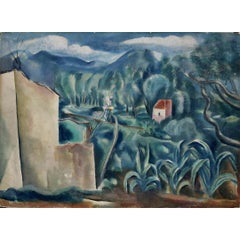
1870s Impressionist Hermine David Paintings
Paper, Oil, Cardboard
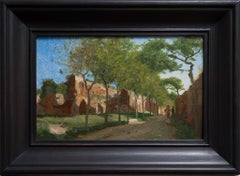

19th Century Naturalistic Hermine David Paintings
Paper, Oil, Cardboard
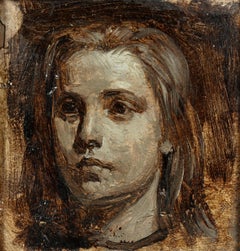
Late 19th Century Naturalistic Hermine David Paintings
Paper, Oil, Cardboard
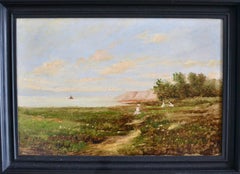
Late 20th Century Post-Modern Hermine David Paintings
Fabric, Paper, Oil, Cardboard
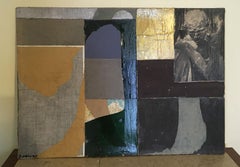
1970s Impressionist Hermine David Paintings
Oil, Cardboard
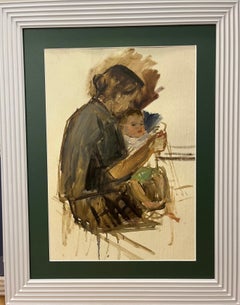
Mid-20th Century Post-Modern Hermine David Paintings
Oil Pastel, Oil, Cardboard, Magazine Paper
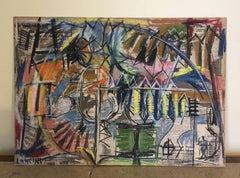
Early 2000s Impressionist Hermine David Paintings
Oil, Wood Panel, Cardboard
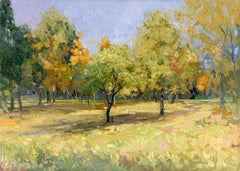
1850s Other Art Style Hermine David Paintings
Oil, Cardboard, Paper

21st Century and Contemporary Abstract Expressionist Hermine David Paintings
Oil, Paper, Cardboard
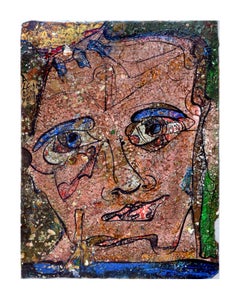
1950s Abstract Impressionist Hermine David Paintings
Cardboard, Oil, Paper

2010s Pop Art Hermine David Paintings
Metal

2010s Expressionist Hermine David Paintings
Canvas, Oil, Cardboard