John Glick Vases and Vessels

to
3
3
1
2
1
1
3
3
3
3
Height
to
3
3
3
11
1,120
544
405
344
Creator: John Glick
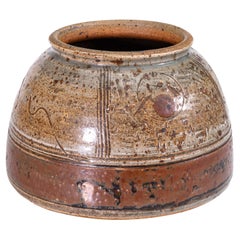
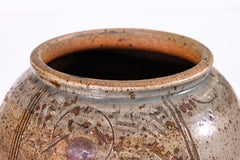
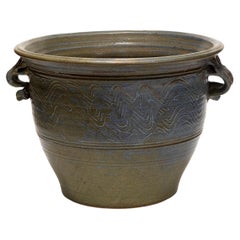
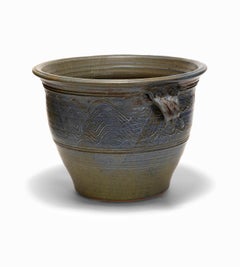
John Glick Ceramic Garden Planterette Signed

John Glick Ceramic Garden Planterette Signed

By John Glick

Located in Bloomfield Hills, MI

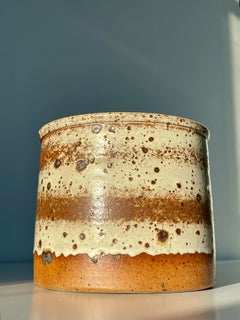
The Ceramic Garden Planterette is an example of the kind of work by which John Glick became so famous. He was seduced by the effects of the reduction kiln, which decreased the levels of oxygen during firing, inducing the flame to pull oxygen out of the clay and glazes changing the colors of the glazes depending on their iron and copper content. In this way he achieved the rich gradients of ochre and umber and variations in stippling and opacity. The piece is signed by Glick and stamped with the name of his studio: Plum Street Pottery on the verso. John was an American Abstract Expressionist ceramicist born in Detroit, MI. Though open to artistic experimentation, Glick was most influenced by the styles and aesthetics of Asian pottery—an inspiration that shows in his use of decorative patterns and glaze choices. He has said that he is attracted to simplicity, as well as complexity: my work continually reflects my re-examination that these two poles can coexist… or not, in a given series. Glick also took influences from master potters of Japan, notably Shoji Hamada and Kanjrio Kawai, blending their gestural embellishments of simple forms with attitudes of Abstract Expressionism. He was particularly drown to the work of Helen Frankenthaler whose soak-stain style resonated with Glick’s multi-layered glaze surfaces, which juxtaposed veils of atmospheric color with gestural marks and pattern. He spent countless hours developing and making his own tools in order to achieve previously unseen results in his work with clay and glaze. Glick’s “Plum Tree Pottery” (now a designated historic landmark in Farmington Hills, Michigan) studio opened around 1965 and closed in the summer of 2016. It was a private studio space for John and a number of his students and assistants. He believed his shapes evolved guided by forces apparently outside his control. This was instinctual, intellectual and due to his openness to change, fusing into what he thought was the most positive force behind a potter’s approach: evolution and growth. Some have called it inspiration. John was not only a major figure in the Detroit creative community, but in the ceramics world at large. According to Shelley Selim in her book on John, “John Glick: A Legacy in Clay” John remains: “one of the most recognizable names in the field of studio pottery – known for lecturing, publishing, and offering workshops widely – and his work has been featured in well over a hundred local, national and international exhibitions since he was a college student in the late 1950s.” Along with this John has mentored over thirty studio apprentices over five and a half decades, received numerous grants and awards for his work, and has been prolific, with an estimated 300,000 ceramic wares throughout the world. He received his Masters from Cranbrook Academy of Art in Bloomfield Hills, Michigan, working with Maija Grotell, a legendary and influential teacher. Grotell was noted for her deep interest in the human connection to nature’s rhythms and patters. These ideas often grounded her dialog with her students including Glick, affecting, a profund and lasting influence on his future work. This famous Art Academy was designed by architect and faculty member, Eliel Saarinen who collaborated with Charles and Ray Eames on chair and furniture design. Numerous creative artists who are alumni of Cranbrook include: Harry Bertoia, Florence Knoll, Jack Lenor Larsen, Donald Lipski, Duane Hanson, Nick Cave, Hani Rashid, George Nelson, Urban Jupena (Nationally recognized fiber artist), Artis Lane (the first African-American artist to have her sculpture, "Sojourner Truth," commissioned for the Emancipation Hall in the Capital Visitor Center in Washington DC), Cory Puhlman (televised Pastry Chef extraordinaire), Thom O’Connor (Lithographs), Paul Evans (Brutalist-inspired sculpted metal furnishings), Eugene Caples (small bronze images/abstract), Morris Brose (Bronze Sculptures), Herb Babcock (blown glass), Larry Butcher (mixed media) and Lauren Anais Hussey...

Category

1990s American American Classical John Glick Vases and Vessels

Materials

Ceramic
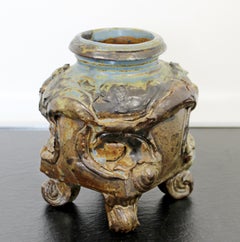
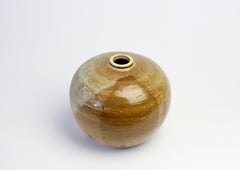
John Glick Modernist Stoneware Glazed Ceramic Planter Vessel Plum Tree Pottery

John Glick Modernist Stoneware Glazed Ceramic Planter Vessel Plum Tree Pottery

By John Glick

Located in Keego Harbor, MI

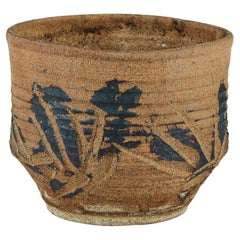
A modernist stoneware glazed ceramic planter by Detroit artist John Glick of Plum Tree Pottery. Circa late 20th century. Glazed in earthtones. Artisisnal yet functional and makes a u...

Category

Mid-20th Century American John Glick Vases and Vessels

Materials

Ceramic

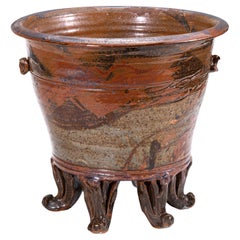
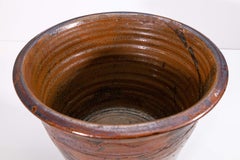
John Glick Modernist Stoneware Glazed Ceramic Footed Planter Plum Tree Pottery

John Glick Modernist Stoneware Glazed Ceramic Footed Planter Plum Tree Pottery

By John Glick

Located in Keego Harbor, MI

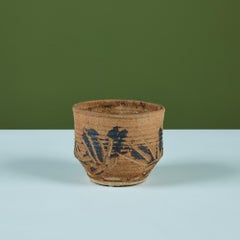
A modernist stoneware glazed ceramic planter by Detroit artist John Glick of Plum Tree Pottery. Circa late 20th century. Glazed in earthtones. Artisisnal yet functional and makes a u...

Category

Late 20th Century American John Glick Vases and Vessels

Materials

Ceramic

Related Items
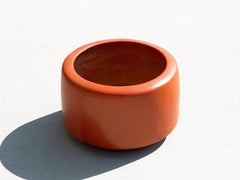
Architectural Pottery "Tire Planter" by John Follis in Matte Red Glaze

Architectural Pottery "Tire Planter" by John Follis in Matte Red Glaze

By Architectural Pottery

Located in Los Angeles, CA

Architectural Pottery small "Tire"' planter designed by John Follis in matte red glaze. The planter shows patina consistent with use and age. Structurally sound with minor glaze loss...

Category

Mid-20th Century American Mid-Century Modern John Glick Vases and Vessels

Materials

Ceramic

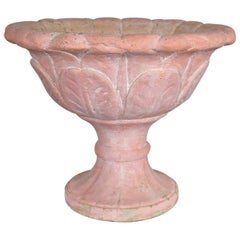
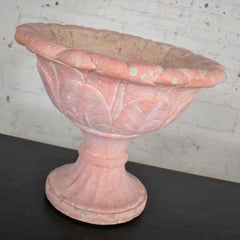
Antiqu Salmon Red Concrete Garden Urn Planter

Antiqu Salmon Red Concrete Garden Urn Planter

$746Sale Price|25% Off

H 16 in Dm 20 in

Antiqu Salmon Red Concrete Garden Urn Planter

Located in Topeka, KS

Awesome antique concrete garden urn or planter. This salmon colored paint encrusted urn is in fabulous vintage condition with lots of gorge...

Category

20th Century American American Classical John Glick Vases and Vessels

Materials

Concrete

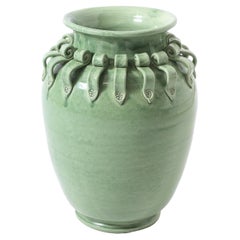
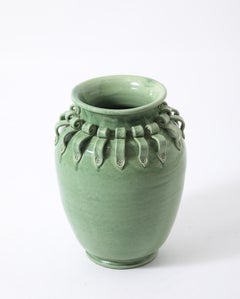
Large Celadon Ceramic Vase, USA 1920's

Large Celadon Ceramic Vase, USA 1920's

Located in New York, NY

Large hand formed ceramic vase with a large neck adorned with miniature “handles”

Category

Mid-20th Century American American Classical John Glick Vases and Vessels

Materials

Ceramic

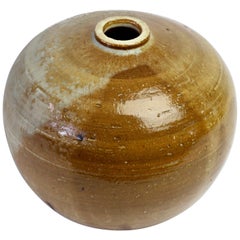
Vintage Glazed Signed European Art Studio Stoneware Pottery Vase or Vessel

Vintage Glazed Signed European Art Studio Stoneware Pottery Vase or Vessel

Located in Landau an der Isar, Bayern

Beautiful brown salt glazed studio pottery vase or vessel. The piece is signed by the artist but we have not yet been able to identify them. Most cer...

Category

20th Century German Mid-Century Modern John Glick Vases and Vessels

Materials

Stoneware

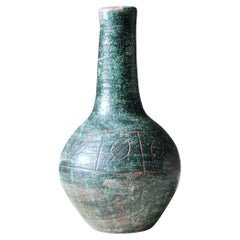
Ceramic vase signed Dieulefit

Ceramic vase signed Dieulefit

$450

H 11.03 in Dm 5.91 in

Ceramic vase signed Dieulefit

By Dieulefit

Located in grand Lancy, CH

Ceramic decorative vase signed Dieulefit

Category

1960s French Vintage John Glick Vases and Vessels

Materials

Ceramic

Ceramic Vase, Glazed Stoneware Vase, Ciboure Pottery, France, circa 1925

Ceramic Vase, Glazed Stoneware Vase, Ciboure Pottery, France, circa 1925

By Ciboure

Located in New York, NY

One of a set of beautiful ceramics from Ciboure Pottery, this piece is inspired by antiquity—evident in its form, its spare coloring, and its depiction of classical figures. Produced...

Category

Early 20th Century French Art Deco John Glick Vases and Vessels

Materials

Stoneware

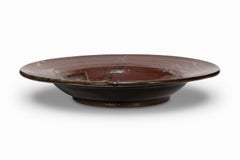
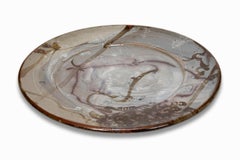
John Glick Plum Street Pottery Ceramic Charger Monumental

John Glick Plum Street Pottery Ceramic Charger Monumental

By John Glick

Located in Bloomfield Hills, MI

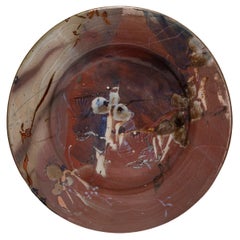
The ceramic charger is an example of the kind of work by which John Glick became so famous. He was seduced by the effects of the reduction kiln, which decreased the levels of oxygen during firing, inducing the flame to pull oxygen out of the clay and glazes changing the colors of the glazes depending on their iron and copper content. In this way he achieved the rich gradients of ochre and umber and variations in stippling and opacity. It is signed by the artist and stamped with Plum Street Pottery on the verso. John was an American Abstract Expressionist ceramicist born in Detroit, MI. Though open to artistic experimentation, Glick was most influenced by the styles and aesthetics of Asian pottery—an inspiration that shows in his use of decorative patterns and glaze choices. He has said that he is attracted to simplicity, as well as complexity: my work continually reflects my re-examination that these two poles can coexist… or not, in a given series. Glick also took influences from master potters of Japan, notably Shoji Hamada and Kanjrio Kawai, blending their gestural embellishments of simple forms with attitudes of Abstract Expressionism. He was particularly drown to the work of Helen Frankenthaler whose soak-stain style resonated with Glick’s multi-layered glaze surfaces, which juxtaposed veils of atmospheric color with gestural marks and pattern. He spent countless hours developing and making his own tools in order to achieve previously unseen results in his work with clay and glaze. Glick’s “Plum Tree Pottery” (now a designated historic landmark in Farmington Hills, Michigan) studio opened around 1965 and closed in the summer of 2016. It was a private studio space for John and a number of his students and assistants. He believed his shapes evolved guided by forces apparently outside his control. This was instinctual, intellectual and due to his openness to change, fusing into what he thought was the most positive force behind a potter’s approach: evolution and growth. Some have called it inspiration. John was not only a major figure in the Detroit creative community, but in the ceramics world at large. According to Shelley Selim in her book on John, “John Glick: A Legacy in Clay” John remains: “one of the most recognizable names in the field of studio pottery – known for lecturing, publishing, and offering workshops widely – and his work has been featured in well over a hundred local, national and international exhibitions since he was a college student in the late 1950s.” Along with this John has mentored over thirty studio apprentices over five and a half decades, received numerous grants and awards for his work, and has been prolific, with an estimated 300,000 ceramic wares throughout the world. He received his Masters from Cranbrook Academy of Art in Bloomfield Hills, Michigan, working with Maija Grotell, a legendary and influential teacher. Grotell was noted for her deep interest in the human connection to nature’s rhythms and patters. These ideas often grounded her dialog with her students including Glick, affecting, a profund and lasting influence on his future work. This famous Art Academy was designed by architect and faculty member, Eliel Saarinen who collaborated with Charles and Ray Eames on chair and furniture design. Numerous creative artists who are alumni of Cranbrook include: Harry Bertoia, Florence Knoll, Jack Lenor Larsen, Donald Lipski, Duane Hanson, Nick Cave, Hani Rashid, George Nelson, Urban Jupena (Nationally recognized fiber artist), Artis Lane (the first African-American artist to have her sculpture, "Sojourner Truth," commissioned for the Emancipation Hall in the Capital Visitor Center in Washington DC), Cory Puhlman (televised Pastry Chef extraordinaire), Thom O’Connor (Lithographs), Paul Evans (Brutalist-inspired sculpted metal furnishings), Eugene Caples (small bronze images/abstract), Morris Brose (Bronze Sculptures), Herb Babcock (blown glass), Larry Butcher (mixed media) and Lauren Anais Hussey...

Category

1990s American Expressionist John Glick Vases and Vessels

Materials

Ceramic

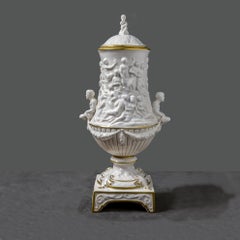
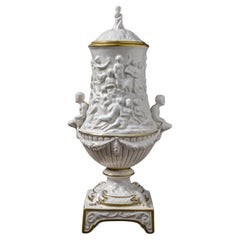
Period Italian Capodimonte Signed Ceramic Vase

Period Italian Capodimonte Signed Ceramic Vase

By Capodimonte

Located in Roma, IT

A beautiful and elegant Medici-type vase in white glazed ceramic in perfect condition. It presents a prestigious decoration in pure gold leaf on the edges. This is an important work ...

Category

Late 19th Century Italian Neoclassical Revival Antique John Glick Vases and Vessels

Materials

Ceramic

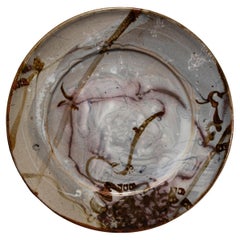
John Glick Plum Street Pottery Ceramic Charger Monumental

John Glick Plum Street Pottery Ceramic Charger Monumental

By John Glick

Located in Bloomfield Hills, MI

The ceramic charger is an example of the kind of work by which John Glick became so famous. He was seduced by the effects of the reduction kiln, which decreased the levels of oxygen during firing, inducing the flame to pull oxygen out of the clay and glazes changing the colors of the glazes depending on their iron and copper content. In this way he achieved the rich gradients of ochre and umber and variations in stippling and opacity. It is signed by the artist and stamped with Plum Street Pottery #129 on the verso. John was an American Abstract Expressionist ceramicist born in Detroit, MI. Though open to artistic experimentation, Glick was most influenced by the styles and aesthetics of Asian pottery—an inspiration that shows in his use of decorative patterns and glaze choices. He has said that he is attracted to simplicity, as well as complexity: my work continually reflects my re-examination that these two poles can coexist… or not, in a given series. Glick also took influences from master potters of Japan, notably Shoji Hamada and Kanjrio Kawai, blending their gestural embellishments of simple forms with attitudes of Abstract Expressionism. He was particularly drown to the work of Helen Frankenthaler whose soak-stain style resonated with Glick’s multi-layered glaze surfaces, which juxtaposed veils of atmospheric color with gestural marks and pattern. He spent countless hours developing and making his own tools in order to achieve previously unseen results in his work with clay and glaze. Glick’s “Plum Tree Pottery” (now a designated historic landmark in Farmington Hills, Michigan) studio opened around 1965 and closed in the summer of 2016. It was a private studio space for John and a number of his students and assistants. He believed his shapes evolved guided by forces apparently outside his control. This was instinctual, intellectual and due to his openness to change, fusing into what he thought was the most positive force behind a potter’s approach: evolution and growth. Some have called it inspiration. John was not only a major figure in the Detroit creative community, but in the ceramics world at large. According to Shelley Selim in her book on John, “John Glick: A Legacy in Clay” John remains: “one of the most recognizable names in the field of studio pottery – known for lecturing, publishing, and offering workshops widely – and his work has been featured in well over a hundred local, national and international exhibitions since he was a college student in the late 1950s.” Along with this John has mentored over thirty studio apprentices over five and a half decades, received numerous grants and awards for his work, and has been prolific, with an estimated 300,000 ceramic wares throughout the world. He received his Masters from Cranbrook Academy of Art in Bloomfield Hills, Michigan, working with Maija Grotell, a legendary and influential teacher. Grotell was noted for her deep interest in the human connection to nature’s rhythms and patters. These ideas often grounded her dialog with her students including Glick, affecting, a profund and lasting influence on his future work. This famous Art Academy was designed by architect and faculty member, Eliel Saarinen who collaborated with Charles and Ray Eames on chair and furniture design. Numerous creative artists who are alumni of Cranbrook include: Harry Bertoia, Florence Knoll, Jack Lenor Larsen, Donald Lipski, Duane Hanson, Nick Cave, Hani Rashid, George Nelson, Urban Jupena (Nationally recognized fiber artist), Artis Lane (the first African-American artist to have her sculpture, "Sojourner Truth," commissioned for the Emancipation Hall in the Capital Visitor Center in Washington DC), Cory Puhlman (televised Pastry Chef extraordinaire), Thom O’Connor (Lithographs), Paul Evans (Brutalist-inspired sculpted metal furnishings), Eugene Caples (small bronze images/abstract), Morris Brose (Bronze Sculptures), Herb Babcock (blown glass), Larry Butcher (mixed media) and Lauren Anais Hussey...

Category

1990s American Expressionist John Glick Vases and Vessels

Materials

Ceramic

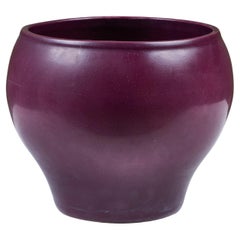
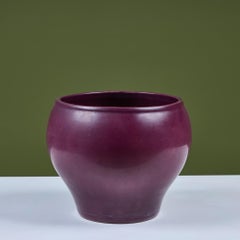
Architectural Pottery Purple Glazed Bell Planter

Architectural Pottery Purple Glazed Bell Planter

By Architectural Pottery

Located in Los Angeles, CA

Medium sized planter by Architectural Pottery with a pop of color in a purple glaze. This planter has a bell-shaped body with its widest section through its middle region. Dimension...

Category

Mid-20th Century American Mid-Century Modern John Glick Vases and Vessels

Materials

Stoneware

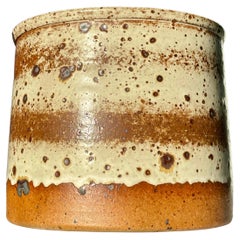
Speckled Glaze Stoneware Planter, Denmark, 1960s

Speckled Glaze Stoneware Planter, Denmark, 1960s

$393Sale Price|20% Off

H 4.53 in Dm 5.32 in

Speckled Glaze Stoneware Planter, Denmark, 1960s

Located in Copenhagen, DK

Hand-thrown cylinder planter vase by Danish company Ting Keramik in the 1960s. Speckled earth toned glaze in warm beige, black and brown colors inside and...

Category

Mid-20th Century Danish Scandinavian Modern John Glick Vases and Vessels

Materials

Ceramic, Pottery, Stoneware

Stoneware Table Planter with Black Glaze

Stoneware Table Planter with Black Glaze

Located in Los Angeles, CA

Hand thrown stoneware table planter. The planter features a ribbed exterior with incised detail and a painted black glaze atop the unglazed vessel.  Signed "Slater" on the underside....

Category

Mid-20th Century American Mid-Century Modern John Glick Vases and Vessels

Materials

Stoneware

Previously Available Items
Mid-Century Modern John Glick Signed Handmade Pottery Ceramic Footed Vase 1960s

Mid-Century Modern John Glick Signed Handmade Pottery Ceramic Footed Vase 1960s

By John Glick

Located in Keego Harbor, MI

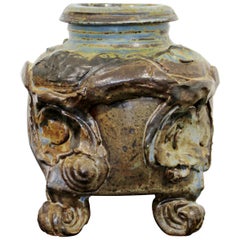
For your consideration is a gorgeous, handmade, ceramic, footed art vase, signed on the bottom by John Glick, circa 1960s. In excellent condition. The dimensions are 6" diameter x 7"...

Category

1960s American Mid-Century Modern Vintage John Glick Vases and Vessels

Materials

Ceramic

John Glick vases and vessels for sale on 1stDibs.

John Glick vases and vessels are available for sale on 1stDibs. These distinctive items are frequently made of ceramic and are designed with extraordinary care. Many of the original vases and vessels by John Glick were created in the neoclassical style in united states during the 1990s. Prices for John Glick vases and vessels can differ depending upon size, time period and other attributes — on 1stDibs, these items begin at $2,600 and can go as high as $2,600, while a piece like these, on average, fetch $2,600.