By Josef Hoffmann
Located in New York, NY
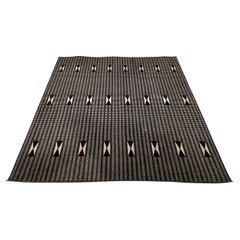
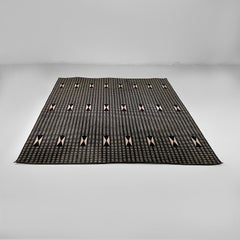
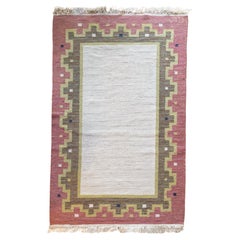
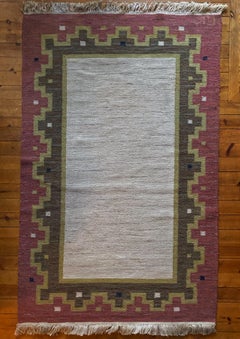
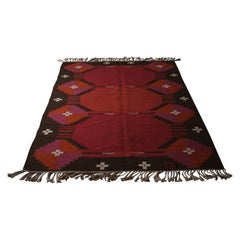
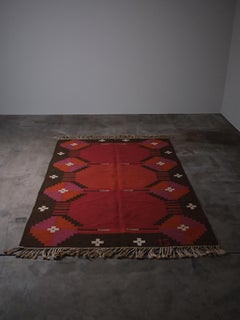
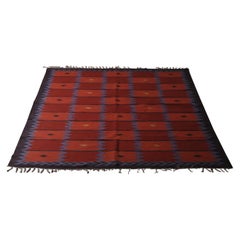
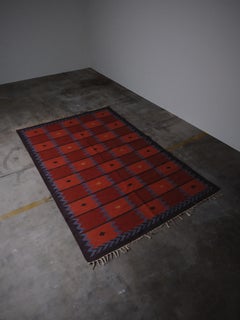
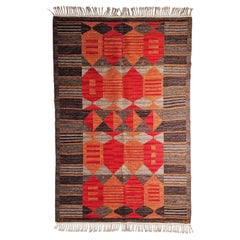
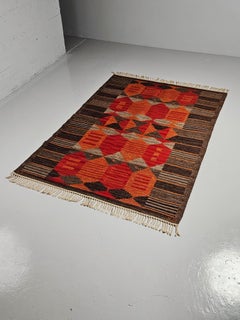
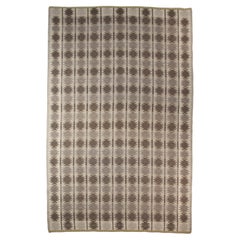
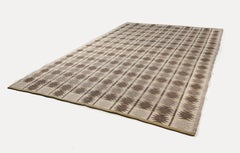
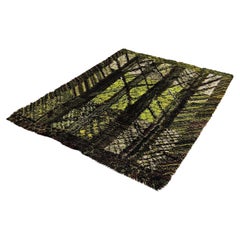
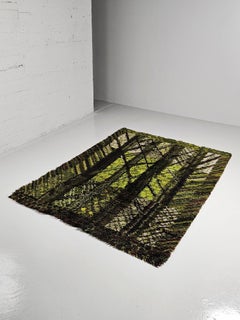
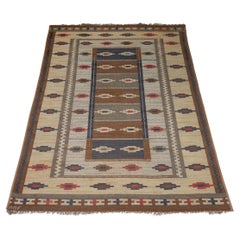
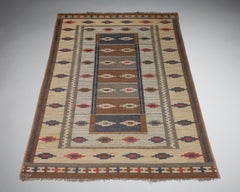
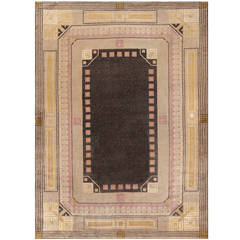
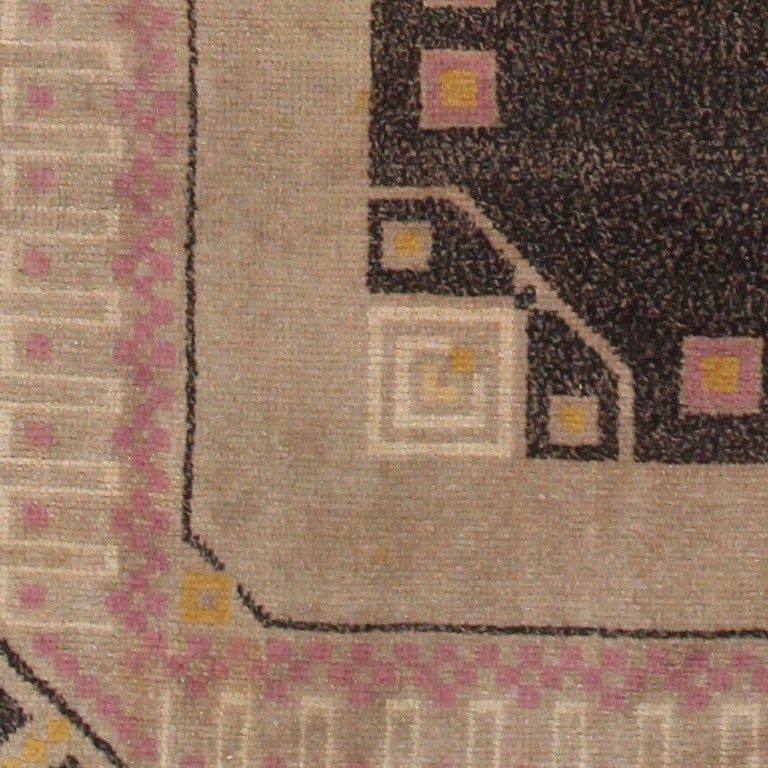
Art Deco Carpet by Josef Hoffman, Early 20th Century -- Nazmiyal is pleased to announce the addition of a beautiful Art Deco rug by Josef Hoffmann to its collection. This rug bears the initials of the manufacturer Hoffmann worked with, JBS, standing for J. Backmann Söhne. Hoffmann was a respected European architect and designer during the early 20th century who contributed to a number of aesthetic movements that would shape European design for generations to come.
Born in Moravia, Hoffmann studied at the Higher State Crafts School beginning in 1887, and went on to study at at the Academy of Fine Arts Vienna, graduating in 1895. Soon after, he became one of the founding members of the Vienna Secession, along with artists Gustav Klimt and Koloman Moser. The Vienna Secession was founded as an alternative to the prevailing style of artistic output at the time, which focused on traditional and historical subjects and aesthetics. The Secession is known for introducing the French Impressionist style to a wider audience, via its numerous exhibitions.
In 1903, Hoffmann moved on to become a founding member of the Wiener Werkstatte, which was a modern community of visual artists, intent on bringing contemporary aesthetics to the applied arts. The Weiner Werkstatte employed over 100 skilled artisans and produced a number of different items, including jewelry, paper goods, ceramics, textiles, and other household accents. Hoffmann's designs for the Weiner Werkstatte, including chairs, lamps, and drinking glasses can now be found in both the Museum of Modern Art and the Metropolitan Museum of Art's collections.
As Hoffmann developed his aesthetic, he began to focus almost exclusively on designing beautiful and artisanal household products and contemporary buildings, including the Sanatorium Purkersdorf in Vienna, as well as the Palais Stoclet in Brussels. His work was so well-known and admired that he was asked to act as the Austrian General Commissioner for the Venice Biennale. He was also awarded a position as a member of Austria's Art Senate.
Josef Hoffmann seamlessly transitioned from the Jugendstil style which characterized his earlier years to the increasingly popular Art Deco style that took hold around 1920. While Jugendstil, like Art Nouveau, focused on curving lines and natural motifs, the Art Deco style was characterized by angular lines, sharp geometry, and the influence of new technology. Hoffmann was superior in creating Art Deco rugs and carpets that appeared at once modern and timeless. His designs, which include chic, simple patterns in muted palettes brought a feeling of elegance to the Art Deco style.
This particular Josef Hoffmann rug...
Category
Early 20th Century Austrian Art Deco Josef Hoffmann Rugs and Carpets