By Kimono ikasu
Located in Setagaya City, JP
<>
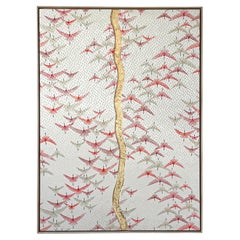
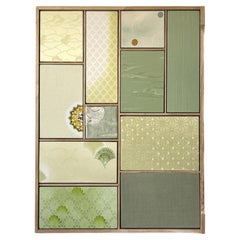
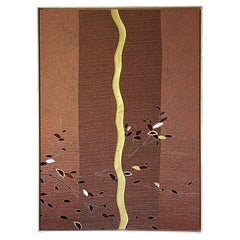
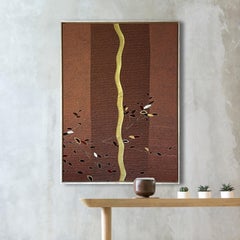
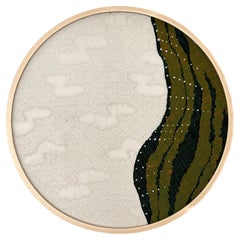
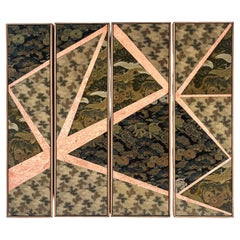
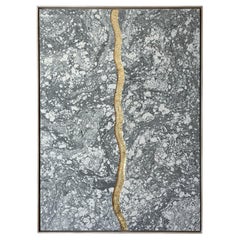
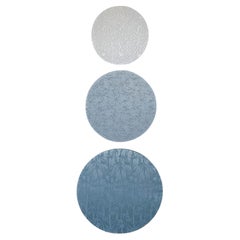
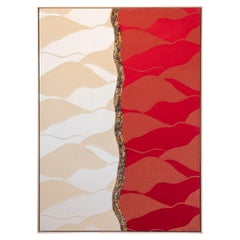
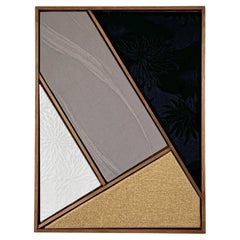
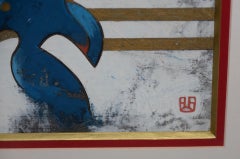
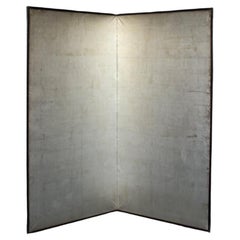
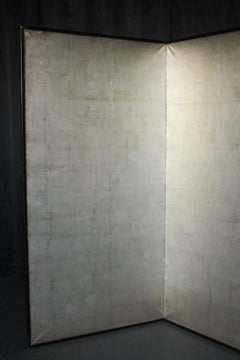
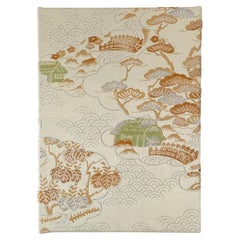
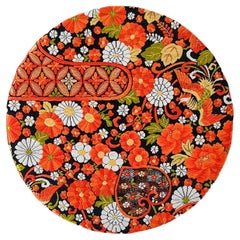
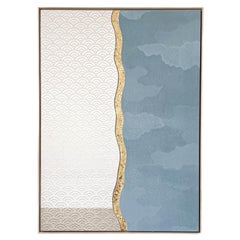
This work uses a vintage kimono fabric with marble pattern, that makes it look like a real piece of marble.
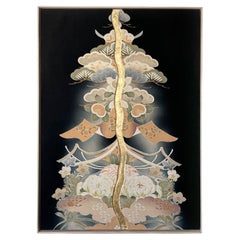
The line in the middle symbolizes “kintsugi” - concept of wabi-sabi, which values imperfection, impermanence, and the beauty of aging.
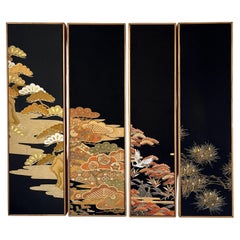
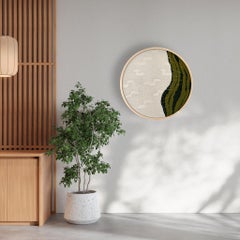
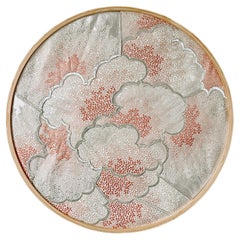
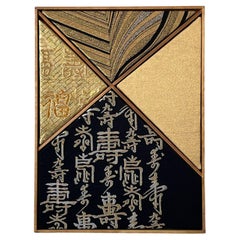
It is elegantly framed with paulownia wood originally used for kimono chest-of-drawers, and is filled with storytelling and sense of luxury.
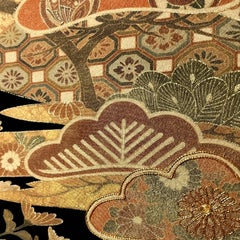
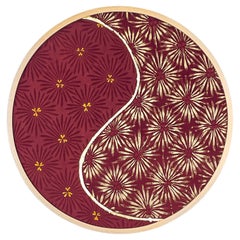
I used pieces of kimono that could no longer be used as clothing and kiritansu chest-of-drawers that would normally be discarded to create the ultimate upcycled piece.
<< Explanation and meaning of pattern and colors >>
Kintsugi (金継ぎ), which translates to "golden joinery" or "golden repair," is a traditional Japanese art form of repairing broken pottery with lacquer mixed with powdered gold, silver, or platinum. I used this tecnique here to "repair" antique kimono by transforming it into art work. Beyond its literal meaning of mending broken ceramics, kintsugi carries profound philosophical and cultural significance in Japanese tradition:
・Embracing Imperfection: Kintsugi celebrates imperfection and impermanence. Rather than disguising or concealing flaws, it highlights them, treating the breakage as part of the object's history. This philosophy encourages acceptance of imperfection as an essential aspect of life, beauty, and human experience.
・Wabi-Sabi Aesthetic: Kintsugi embodies the principles of wabi-sabi, an aesthetic worldview centered on the acceptance of transience and imperfection. Wabi-sabi values simplicity, authenticity, and the beauty of things that are imperfect, impermanent, and incomplete. Kintsugi exemplifies these principles by turning what might be considered flaws into features that enhance the object's beauty and character.
・Resilience and Transformation: The act of repairing broken things with precious metals symbolizes resilience and transformation. Instead of discarding or replacing the broken object, kintsugi honors its history and transforms it into something new and valuable. This reflects broader philosophical themes of overcoming adversity, finding beauty in imperfection, and embracing change.
・Honoring the Past: Kintsugi preserves and honors the history of the object. Rather than erasing or ignoring its past, it acknowledges and celebrates it. This aspect of kintsugi can be seen as a metaphor for honoring our own personal histories, including the challenges and setbacks we have faced, and recognizing how they have shaped us into who we are today.
・Spiritual and Philosophical Symbolism: Kintsugi has spiritual and philosophical implications, reflecting concepts such as the interconnectedness of all things, the cycle of life and death, and the pursuit of harmony and balance. The process of repairing broken objects with precious metals is seen as a metaphor for spiritual growth, enlightenment, and the journey towards wholeness.
Overall, kintsugi represents not only a practical technique for repairing ceramics but also a profound philosophical and cultural perspective on life, beauty, and the human experience. It embodies values such as resilience, acceptance, and the transformative power of embracing imperfection.
<< Characteristics of the fabric >>
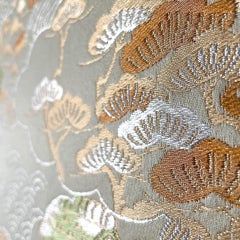
This vintage textile is hand-painted with a traditional painting technique where the colors are added on wet surface, which creates an effect of marble.
<< About the frame >>
Kiritansu - chest-of-drawers for kimono, is traditionally made from paulownia wood, a uniquely Japanese material closely tied to the world of kimonos.
Paulownia wood is known as the lightest wood in Japan, prased for its natural luster, resistance to moisture, and resilience against cracking. Since ancient times, it has been used in crafting furniture, chests, and musical instruments.
During the Edo period, it became customary to store cherished kimonos in paulownia chests...
Category
1960s Japanese Japonisme Vintage Kimono Ikasu Furniture