By Samuel Grunvald
Located in Surfside, FL
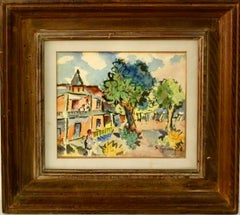
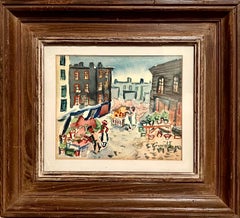
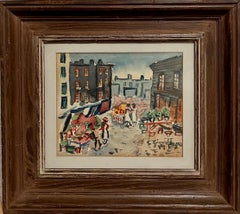
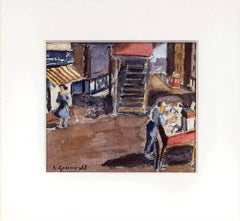
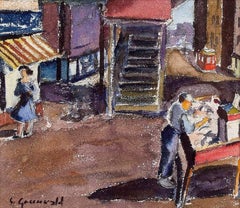
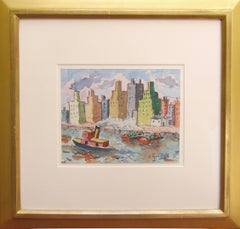
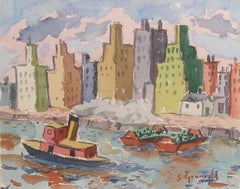
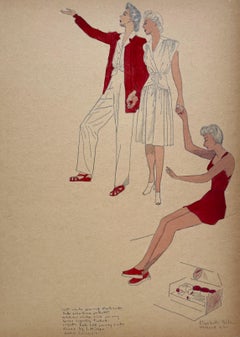
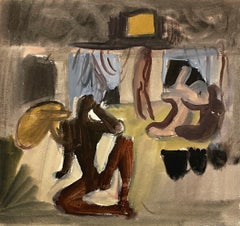
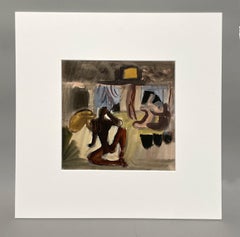
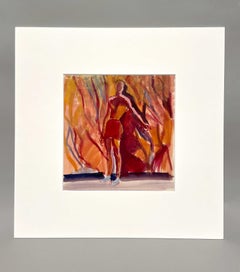
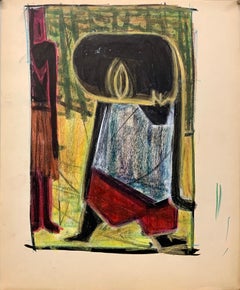
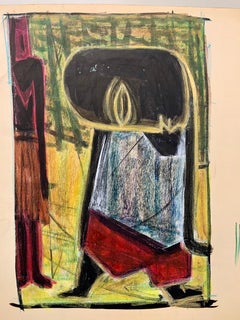
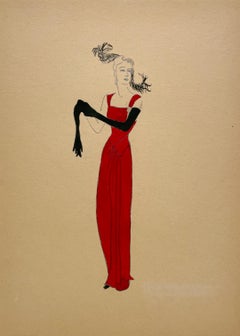
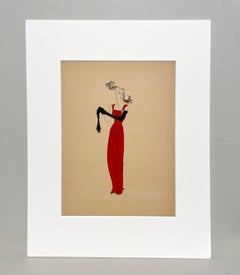
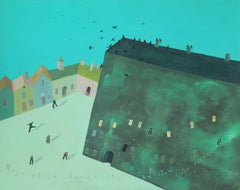
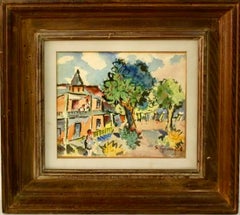
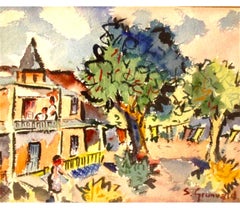
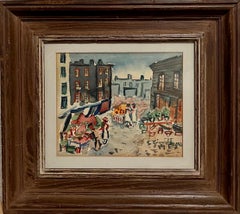
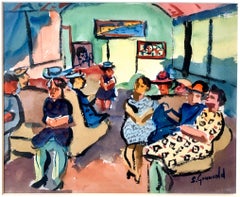
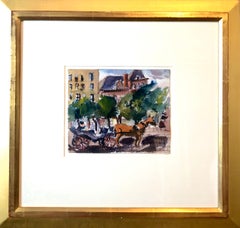
Bungalow (fauvist painting of New York scene) 1940's.
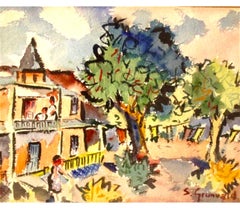
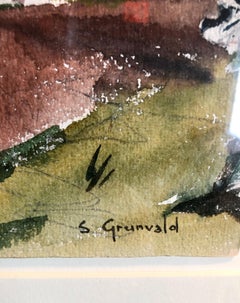
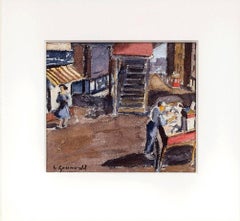
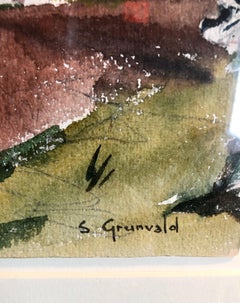
image is 10X 11.5 inches. Hand signed lower right
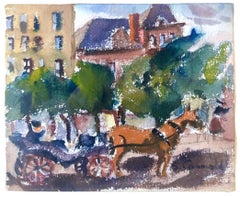
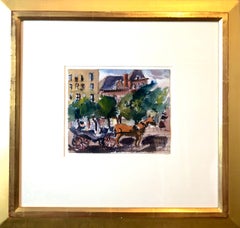
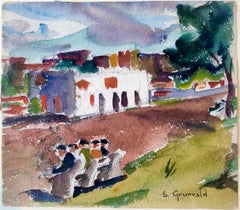
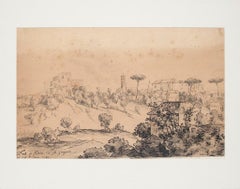
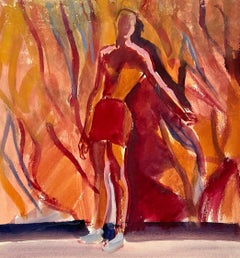
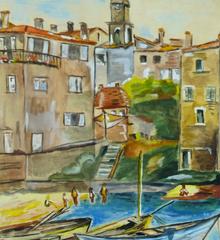
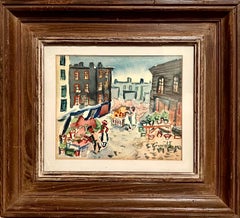
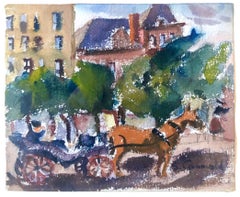
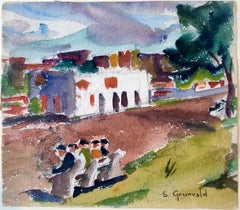
Country Scene
Samuel Grunvald was a Hungarian born American WPA artist known for abstract, landscape and seascape paintings.
Arrived in the USA from Hungary in 1921 and settled in New York City where he studied at the Art Students League. Grunvald worked for the Federal Art Project, taught at Colony House in NYC. Member: Art Guild, Watercolor Society, New York Watercolor Club. exhibited at Montross Gallery, NYC, World House Galleries, NYC, Leonard Hutton Gallery, NYC, Associated American Artists Gallery and the A.C.A. Gallery. Gunvald's work spanned many modern American movements from the WPA to Abstract Expressionist painting. He was a member of the American Watercolor Society and the Brooklyn Society of Artists. He exhibited with both of these organizations and at the Brooklyn Museum of Art. He was involved the the WPA being a Federal Arts Project artist. A number of prominent Jewish artists participated in this New Deal program among them Ben Shahn, Joseph Solman, William Gropper, Philip Guston Adolph Gottlieb, Mark Rothko, Milton Avery, Ben Shahn, the Soyers (Isaac, Moses, and Raphael), and many others
Grunwald exhibited alongside other popular artists such as Paul Klee, Jean Arp, Max Ernst and Charles Burchfield. He also taught and lectured on art and easel painting, Federal Art Project, NYC. His work is included in the collections of the Museum of Modern Art and The Jewish Museum, New York. Americana.
The Catskills became a major resort destination for Jewish New Yorkers in the mid-20th century. Borscht Belt is an informal term for the summer resorts of the Catskill Mountains in Sullivan and Ulster counties in upstate New York which were frequented by Ashkenazi Jews. At its peak of popularity, about 500 resorts operated in the region. Later changes in vacationing patterns have led most of those travelers elsewhere, although there are still bungalow communities and summer camps in the towns of Liberty, Bethel, Monticello and Fallsburg catering to Orthodox Jewish populations. Borscht Belt, The term, which derives from the name of a beet soup popular with people of Eastern European origin, can also refer to the Catskill region itself.
In August, 1969, the Catskills were the site of a music and art festival in the town of Bethel, which had originally been planned for Woodstock, New York. Thirty-three of the best-known musicians of the era appeared during a sometimes rainy weekend in front of nearly half a million concertgoers. The event, featuring liberal drug use and nudity, exemplified the counterculture of the 1960s and 1970s.
Select Exhibitions
A.C.A. Gallery
Associated American Artists Gallery, 1936-1955
American Watercolor Society, 1932-1942
New York Watercolor Club, 1935-1937
Humanist Art...
Category
1940s Modern Samuel Grunvald Art