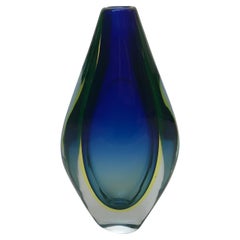
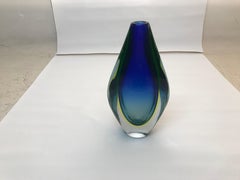
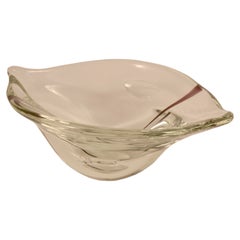
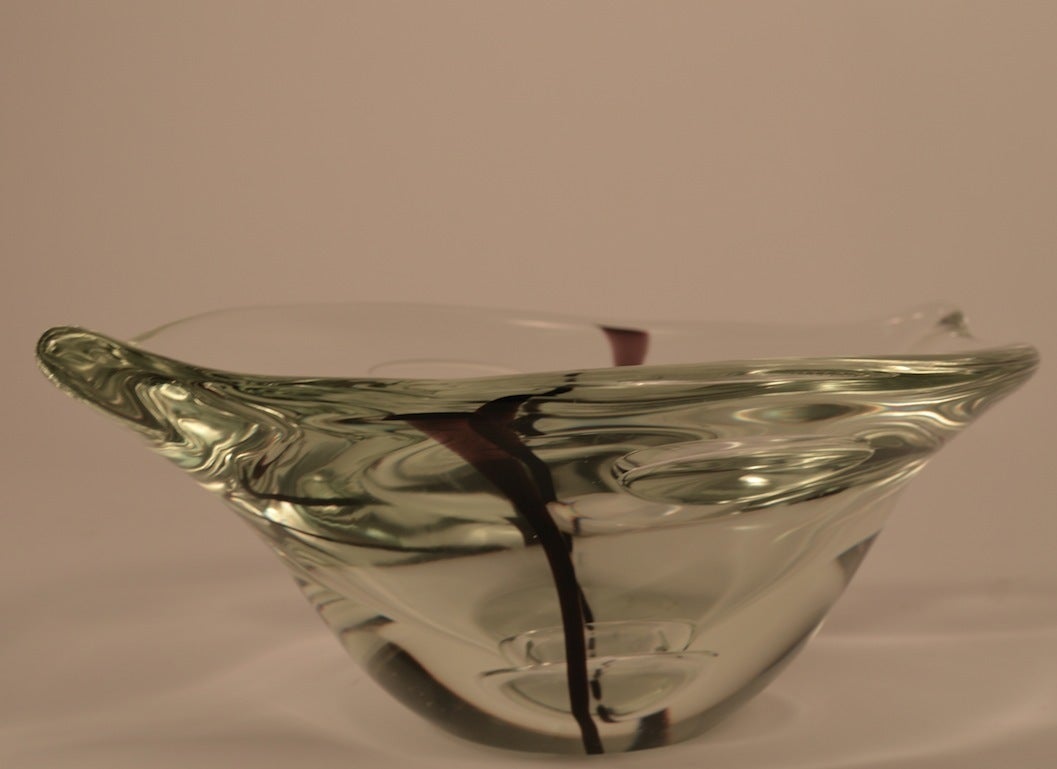
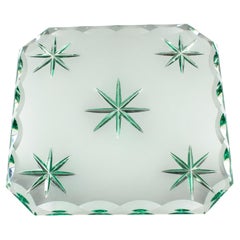
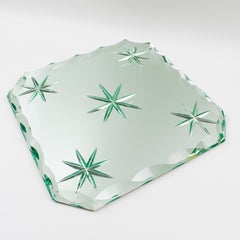
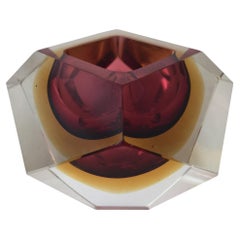
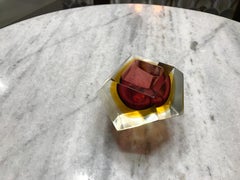
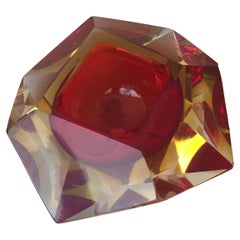
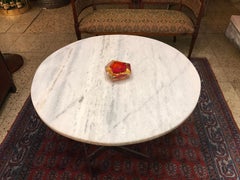
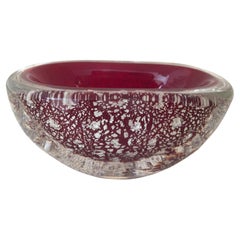
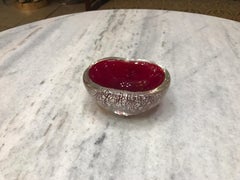
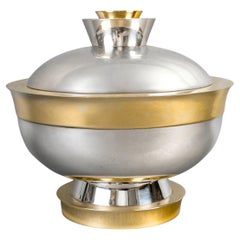
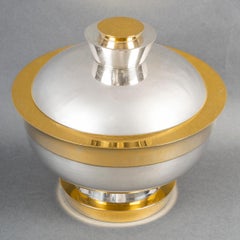
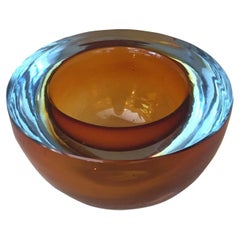
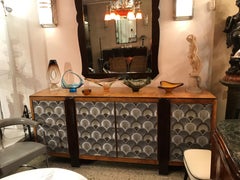
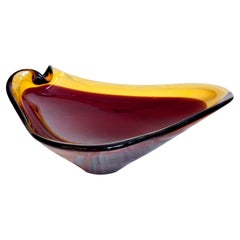
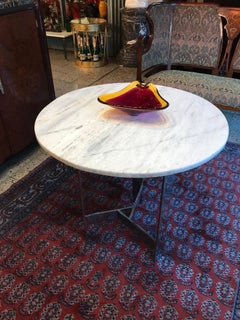
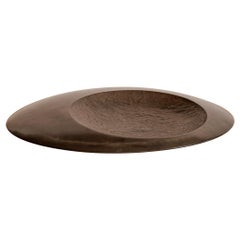
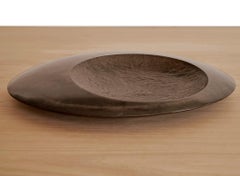
Murano, 1940 . Attributed to Seguso - Barovier, Italian
By Barovier Seguso & Ferro
Located in Ciudad Autónoma Buenos Aires, C
Murano
Attributed to Seguso - Barovier
We have specialized in the sale of Art Deco and Art Nouveau and Vintage styles since 1982. If you have any questions we are at your disposal.
Pushing the button that reads 'View All From Seller'. And you can see more objects to the style for sale.
The history of "Seguso Vetri D' Arte" is directly linked to the "Vetreria Artistica Barovier" company. When the Barovier workshop was forced to reduce production in 1929, due to a financial crisis in America, the
original group of ten partners had to separate and Antonio Seguso in 1931, assisted by his sons Ernesto and Archimede opened a small workshop of his own. They were joined by Luigi Olimpio Ferro and Napoleone Barovier the following year. Together the craftsmen establish the "Artistica Soffieria e Vetreria Barovier Seguso & Ferro" company as equal partners.
In 1934 Flavio Poli joins the firm as artistic director and within only a brief period of time a distinct style of designs emerged. The close collaboration between Flavio Poli, Archimede Seguso and Alfredo Barbini played an important part in the success of the company. New glass techniques are developed which include never before seen color applications.
The companies innovative designs constantly received awards and during the 1935 World Fair in Brussels and the 1936 Milan Triennale they did attract the interest of a new group of clientele. One of them is the French wholesale company "Veronese" from Paris which would play a defining role in the history of the company.
The demand for an increase in production requires additional investments and the partners felt that there is a need to multiply their investment tenfold.
Luigi Olimpio Ferro subsequently decided to withdraw from the company and his shares are acquired by Flavio Poli, which makes him a full partner. As a result, the company name is changed to Seguso Vetri D’ Arte and it is officially recognized in 1937. A period of great success and prosperity ensues, lasting until the outbreak of World War II.
The post war period is a time of great change in Europe and the rebuilding of the economical structure in Italy requires major investments which result in the introduction of new import duties and taxes.
To safeguard the copyright of the Seguso Vetri D'Arte designs an application for a second entry into the commercial registers of Venice is made by the partners in 1945.
Strict export regulations curb international business relations for many years after the war and the company decides to focus on the domestic market instead. In 1946 a large retail location is opened at the Piazza Diaz in Milan where in addition to the art glass...
Category
1940s Italian Art Deco Vintage Ted Noten Furniture