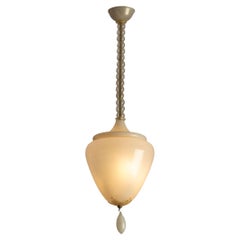
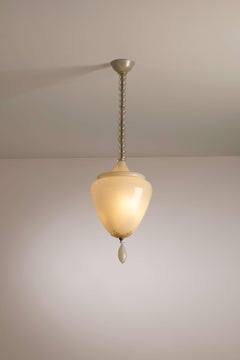
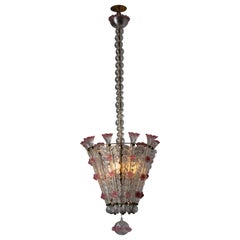
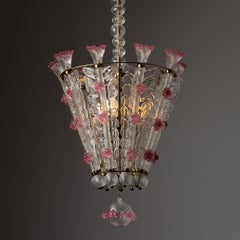
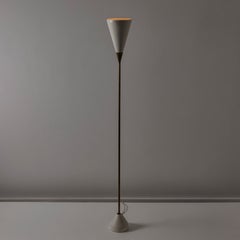
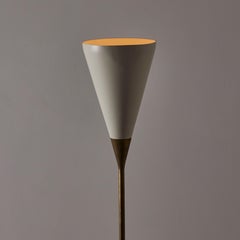
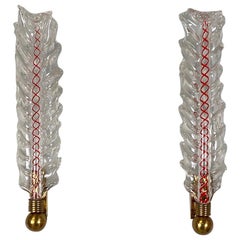
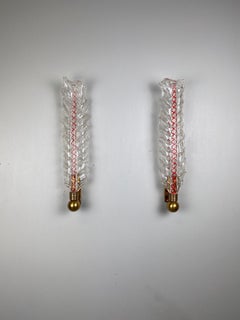
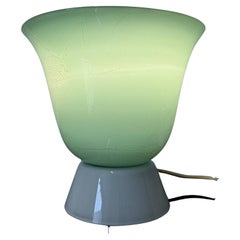
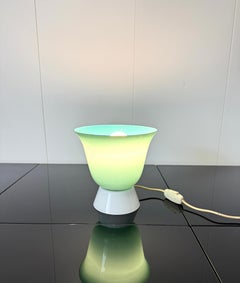
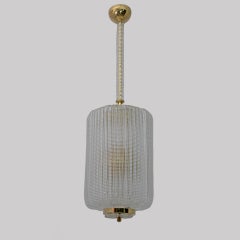
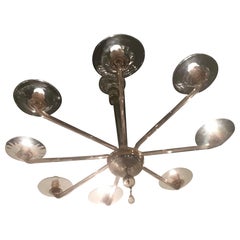
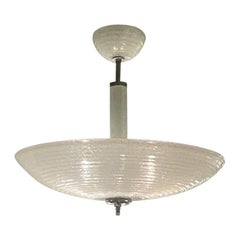
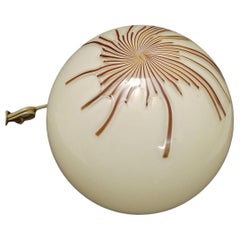
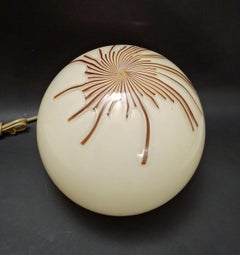
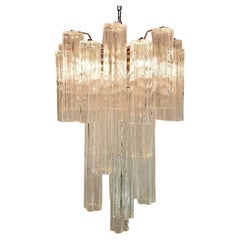
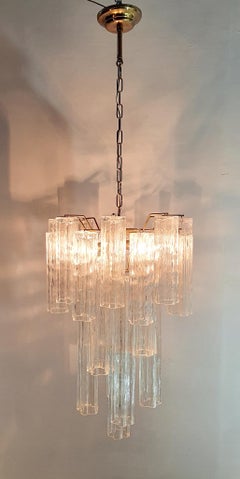
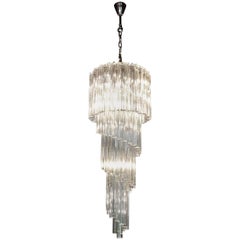
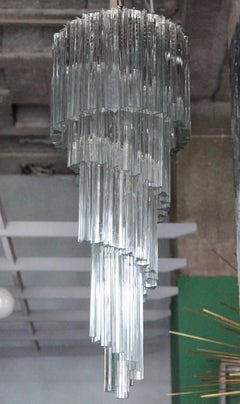
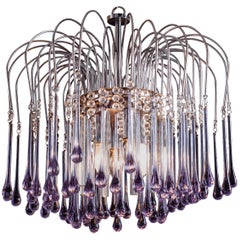
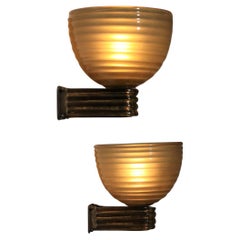
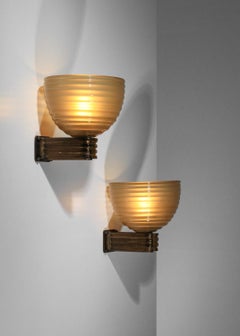
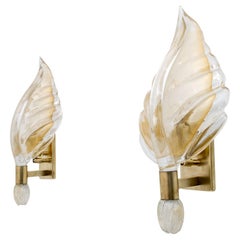
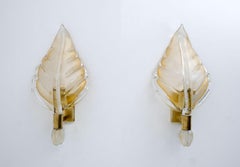
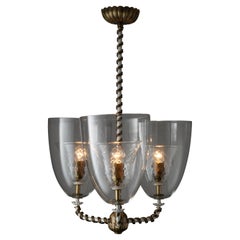
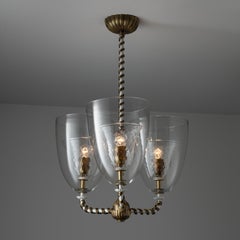
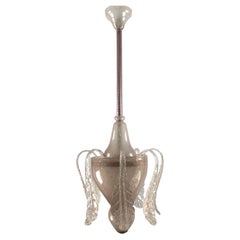
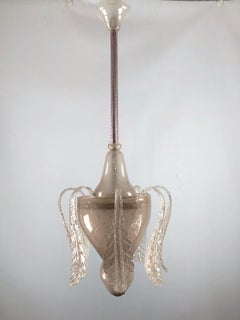
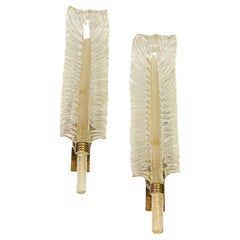
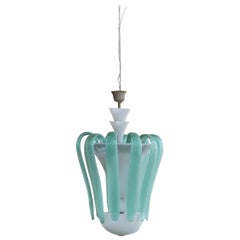
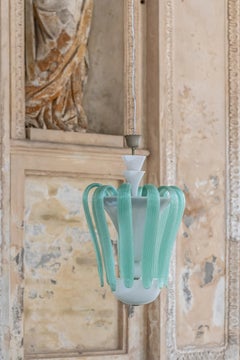
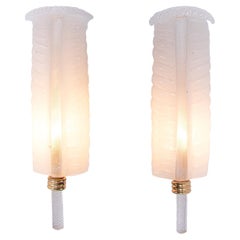
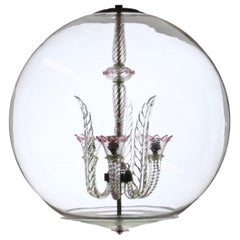
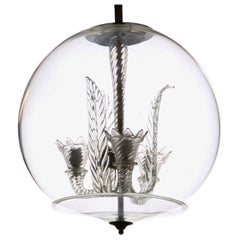
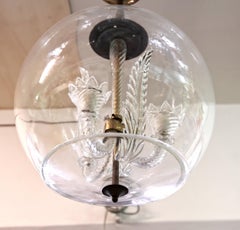
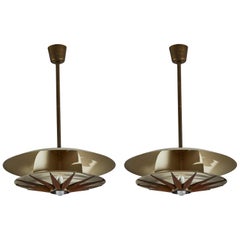
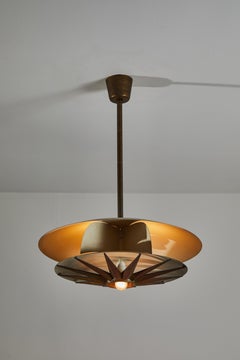
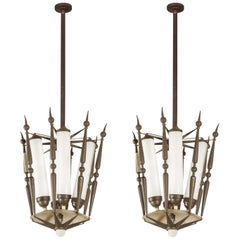
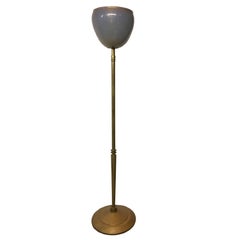
By Venini, Tomaso Buzzi
Located in Naples, IT
Architect, urban planner, glass, furniture and landscape designer, and interior decorator Tomaso Buzzi was a 20th century renaissance man. Buzzi, along with his frequent collaborator Gio Ponti, led Italy’s Novecento Milanese movement of the 1920s and 1930s. An approximate equivalent to France’s Art Deco movement. While Buzzi is prized for chairs, tables and other furnishings that modernized the majestic lines of 18th-century designs, he is best known for the remarkable, jewel-toned glassware he produced in a two-year stint as the artistic director of the Venini glassworks on the Venetian island of Murano. Buzzi was born in 1900 in the town of Sondrio in the Lombardy region of northern Italy. He studied at the Milan Polytechnic, and soon after he graduated joined a lively Milanese decorative arts scene. In 1927, he and Ponti joined fellow designers Paolo Venini and Michele Marelli to form a design collaborative called Il Labirinto (the Labyrinth), Italy’s answer to the Wiener Werkstätte. In 1932, when Venini's glass company lost the design services of the sculptor Napoleone Martinuzzi, who left to start his own factory, he turned to Buzzi. The young architect’s careful study of lighting design and a love for experimentation yielded major innovations in Murano glass fixtures. The forms of his wares were inspired by sources from antiquity as diverse as Persian urns and animal-shaped Etruscan jugs...
Category
1930s Italian Vintage Tomaso Buzzi Lighting