About DS Arts et Antiquites
Located in the heart of art dealers district in Paris, just a couple of steps from historic auction house Drouot, Cabinet d’expertise Drouart has a reputation of being « dealers’ dealer ». Our expert team is made of three specialists, with decades of experience in the their fields –19th century decorative arts, modern & contemporary fine art and design. Our exceptional positioning between Drouot auctions and private dealings, gives us the privilege to choose among many objects and represent only the ones of true quality and beauty.
1stDibs seller since 2017
Featured Pieces
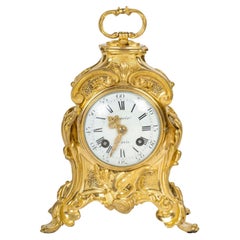
A Louis XV Style Desk Travelling Cartel Clock circa 1875
By Etienne LeNoir
Located in Saint-Ouen, FR
Desk Travelling Cartel Clock in chiseled and gilded bronze
Rocaille decoration of scrolls, acanthus leaves and lyre
Enamel dial signed Lenoir in Paris
Plate mechanism No. 13287 and w...
Category
Antique 1870s French Louis XV Carriage Clocks and Travel Clocks
Materials
Enamel, Ormolu
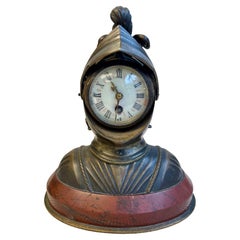
Antique Desk Clock by André Romain Guilmet, Knight Helmet, Circa 1860
By Andre Romain Guilmet
Located in Saint-Ouen, FR
Fantastic desk clock made by the great novelty clockmaker and inventor Andre Romain Guilmet. This desktop timepiece has an eight day movement, with a platform escapement, a silvered ...
Category
Antique 1860s French Medieval Mantel Clocks
Materials
Griotte Marble, Bronze
Pair of Japonisme Baccarat Crystal Vases, attributed to L’Escalier de Cristal
By Cristalleries De Baccarat, Frères Pannier, L'Escalier de Cristal
Located in Saint-Ouen, FR
Rarrissim pair of Japonisme Baccarat Crystal and Gilt Bronze Vases
Attributed to L’Escalier de Cristal, Paris
France, circa 1885–1895
Important pair of decorative vases in smoky gre...
Category
Antique 1880s French Japonisme Vases
Materials
Crystal, Ormolu
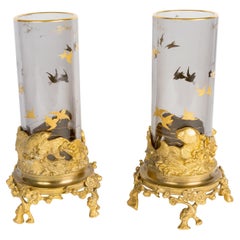
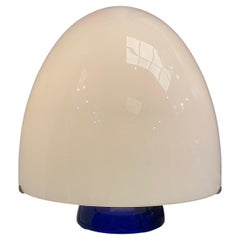
Table Lamp – AV Mazzega, Murano, Italy, circa 1990–2000
By AVMazzega
Located in Saint-Ouen, FR
Table Lamp – AV Mazzega, Murano, Italy, circa 1990–2000
Murano glass table lamp edited by AV Mazzega, emblematic factory founded in Murano and recognized for the quality of its glas...
Category
1990s Italian Minimalist Table Lamps
Materials
Murano Glass
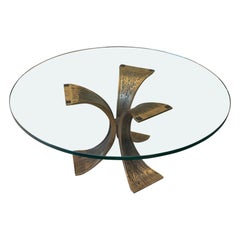
Luciano Frigerio 1928-1999 Brutalist Bronze Round Coffee Table circa 1975
By Luciano Frigerio
Located in Saint-Ouen, FR
Luciano Frigerio 1928-1999
Brutalist Bronze Round Coffee Table circa 1975
Sculptural winged bronze round table with clear cut glass top
The table base is made of three bronze butter...
Category
Vintage 1970s Italian Brutalist Coffee and Cocktail Tables
Materials
Bronze, Copper
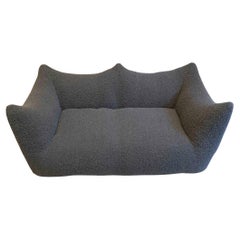
Mario Bellini, ‘Le Bambole’ Sofa, B&B Italia, 1970s
By B&B Italia, Mario Bellini
Located in Saint-Ouen, FR
Mario Bellini, ‘Bambole’ Two-Seater Sofa, B&B Italia, 1970s
Mario Bellini's iconic 'Le Bambole' loveseat for B&B Italia showcases the revolutionary soft form design that defined 197...
Category
Vintage 1970s Italian Mid-Century Modern Canapes
Materials
Fabric, Foam, Wool
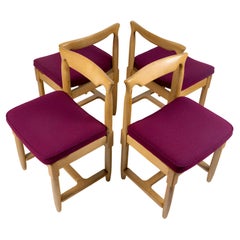
Vintage Dining Chairs by Guillerme et Chambron for Votre Maison, circa 1960
By Votre Maison, Guillerme et Chambron
Located in Saint-Ouen, FR
A set of four dining chairs by Guillerme et Chambron for Votre Maison
Curved and profiled backrest
Four feet joined by spacers on the sides and in the middle
Oak and reupholstered fa...
Category
Vintage 1950s French Mid-Century Modern Dining Room Chairs
Materials
Fabric, Oak
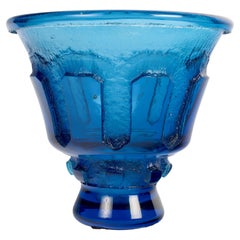
Daum Nancy France Deep Blue Glass Vase, circa 1925
By Daum
Located in Saint-Ouen, FR
Daum Nancy France
Art Deco Vase circa 1925
Acid etched rare deep blue glass vase
Typical geometric Art Deco design
Engraved Daum Nancy France and Croix de Lorraine
Daum (French es...
Category
Vintage 1920s French Art Deco Glass
Materials
Art Glass
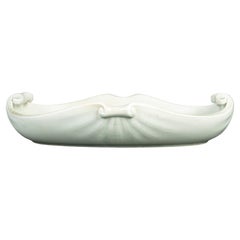
Théodore Deck (1823–1891) Faience Bowl / Jardinière circa 1875
By Theodore Deck
Located in Saint-Ouen, FR
Théodore Deck (1823–1891)
Faience Bowl / Jardinière with Celadon Glaze
Paris, France, circa 1875
Fine faience with a monochrome celadon glaze, softly nuanced and satin-like in finish...
Category
Antique 1870s French Napoleon III Delft and Faience
Materials
Faience
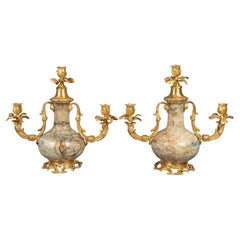
A 19th Century French Pair of Ormolu-Mounted Rare Fluorite Candelabras
By Maison Millet
Located in Saint-Ouen, FR
A French Napoléon III pair of three-lights candelabras
Ormolu-mounted Rare Fluorite also called Fluorspar Vases
The baluster shape body flanked by two arms and surmounted by a lid en...
Category
Antique 1870s French Louis XV Candelabras
Materials
Quartz, Ormolu
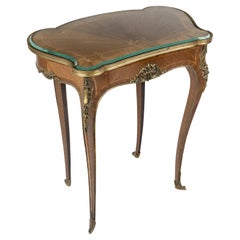
19th Century French Napoléon III Occasional Marquetry Table
Located in Saint-Ouen, FR
19th Century French Napoléon III Occasional Marquetry Table
A very fine and elegant kidney shaped side / occasional table,
Raised by four delicately scrolled cabriole legs the kidn...
Category
Antique 1890s French Napoleon III Tables
Materials
Ormolu
A 19th Century French Ormolu-Mounted Celadon Porcelain Centerpiece
By Minton
Located in Saint-Ouen, FR
A circular French 19th century ormolu-mounted and polychromed porcelain centerpiece.
Designed and inspired in the Chinese taste with birds, butterflies, foliages and flowers on a bl...
Category
Antique 1880s French Chinoiserie Porcelain
Materials
Ormolu
