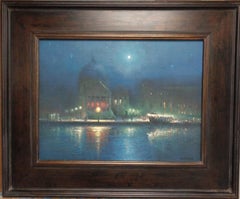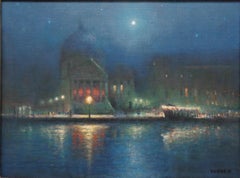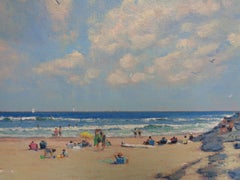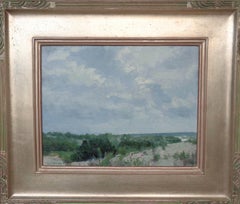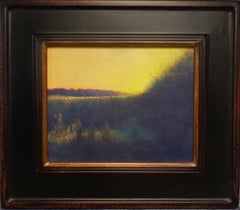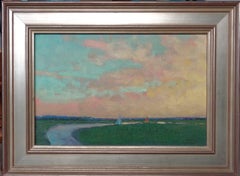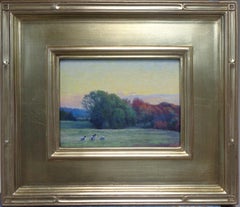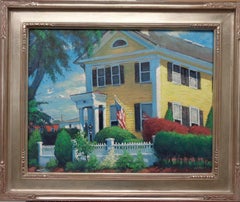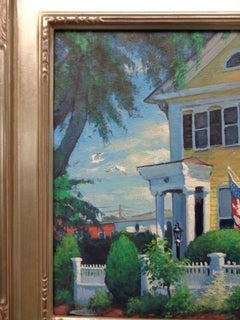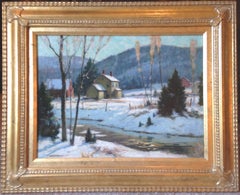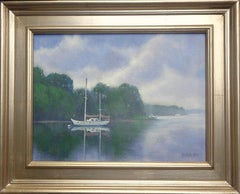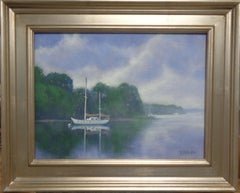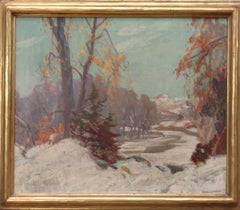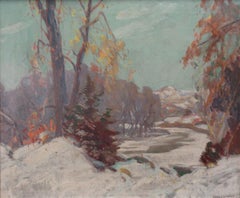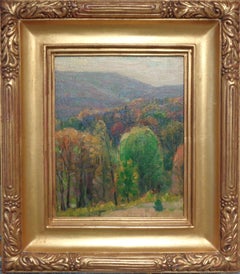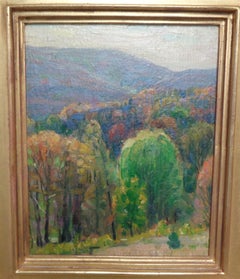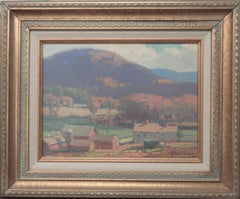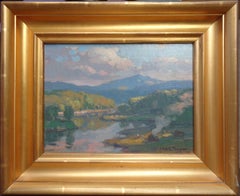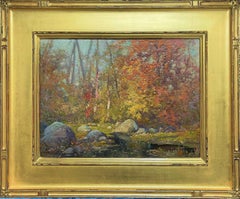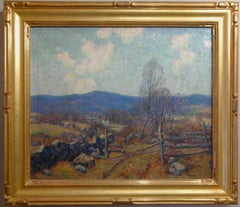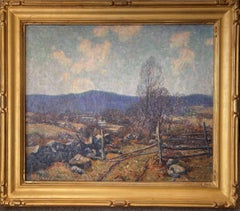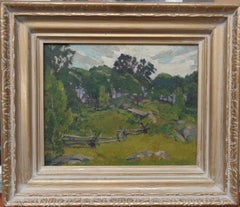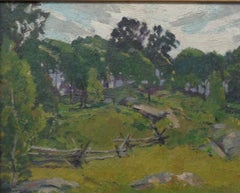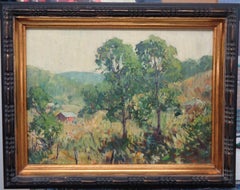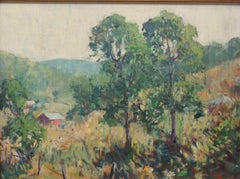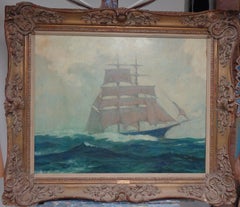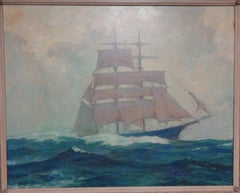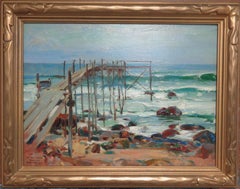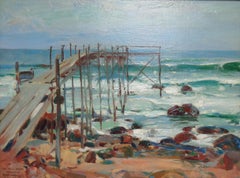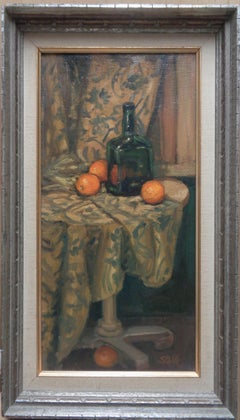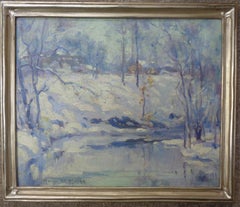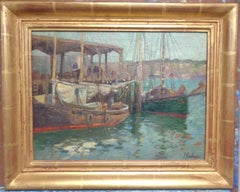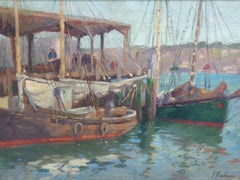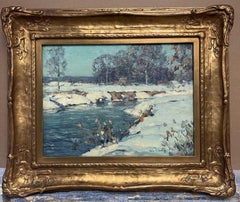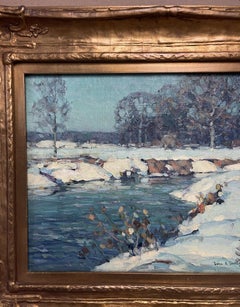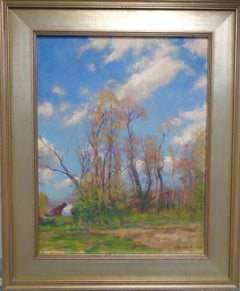

By (after) Thomas Moran
Located in Chesterfield, NJ
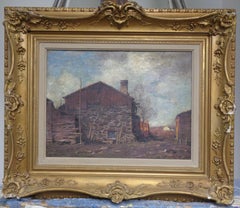
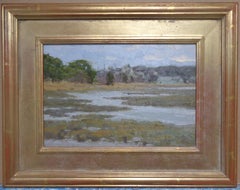
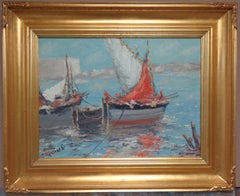
After Thomas Moran
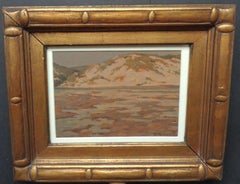
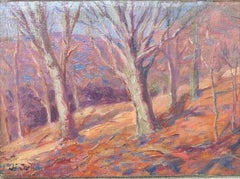
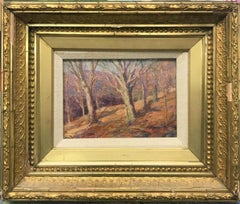
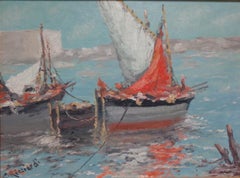
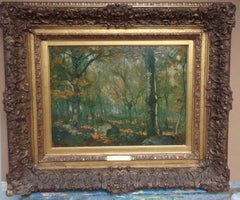
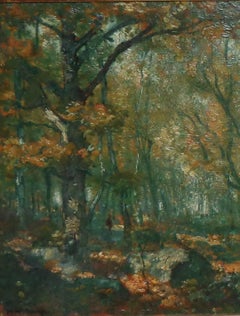
Harbor, Venice
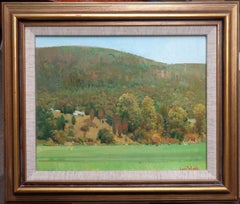
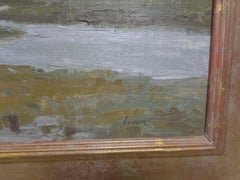
oil/canvas board signed LL
15.75 x 20 unframed, 24 x 28 framed
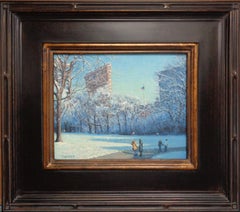
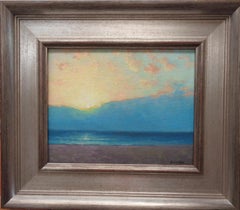
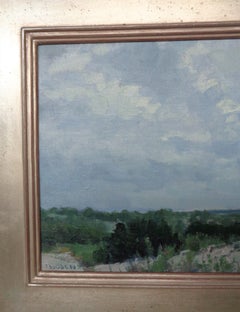
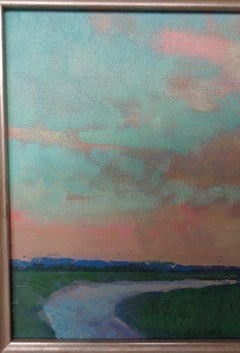
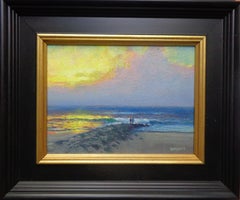
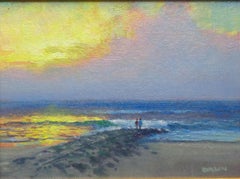
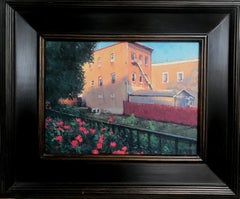
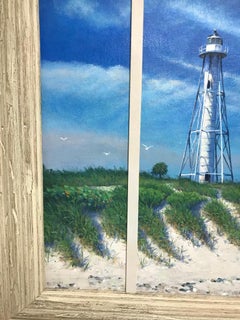
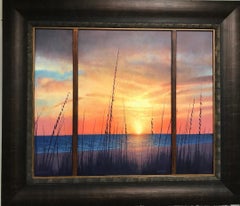
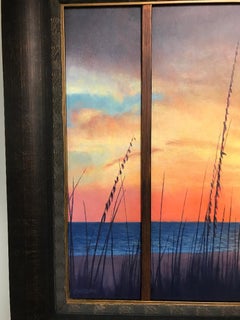
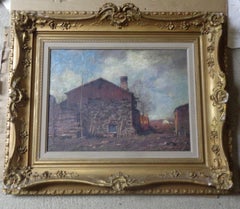
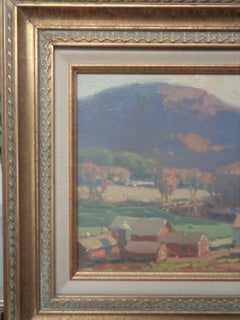
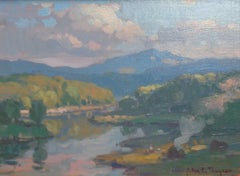
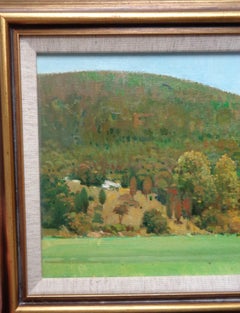
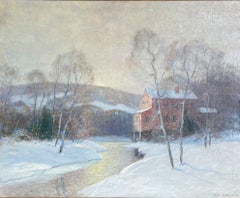
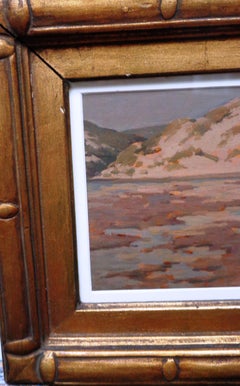
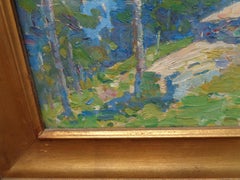
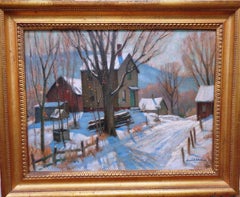
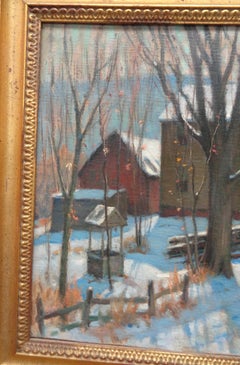
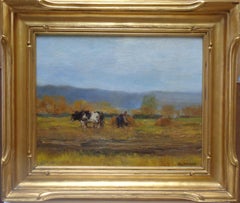
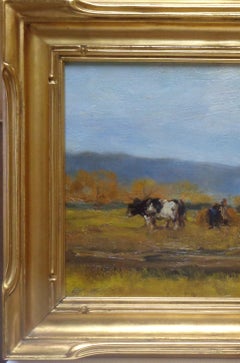
Good original as purchased condition in what looks to be a period frame? Possibly original. Signature looks similar to others found online. The last two photos are of similar signatures from two paintings listed in Brunks Auction in 2025. Small dent, lower center, under the two black objects as seen in photo. Might benefit from a light professional cleaning.
Purchased at Stair Auctions
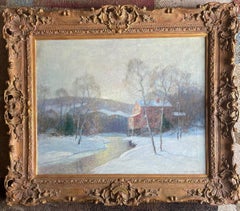
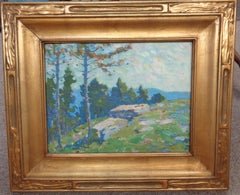
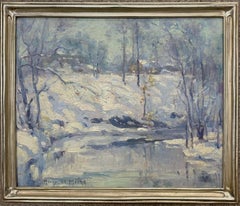
Also shown here is a similar venetian painting by Moran sold at Shannons Auctioneers 2022 for $162.500 which includes the premium showing a similar signature.
Biography
Thomas Moran was born 12 February 1837 in Bolton, England, not far from Manchester, the birthplace of the Industrial Revolution. Several generations of the Moran family had worked as handloom weavers in Bolton until the introduction of power looms radically changed the industry. In 1842/1843, seeking public education for his children and economic opportunity in a new land, Thomas Moran, Sr., journeyed to America. The following year his wife and children joined him and the reunited family settled in Kensington, a suburb of Philadelphia, where they became part of a well-established community of immigrant textile workers.
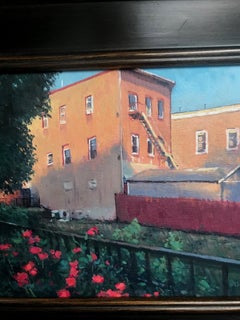
While still a teenager Thomas became an apprentice at the Philadelphia engraving firm of Scattergood and Telfer. After three years he withdrew from his apprenticeship and began working in the studio of his older brother, Edward, who had begun to establish himself as a marine painter. Serving, in effect, a second apprenticeship, Moran benefitted not only from the advice of his brother but also from that of James Hamilton (1819-1878), a well-known Philadelphia painter who had befriended Edward. Described by contemporaries as the "American Turner," Hamilton may have sparked Thomas Moran's life-long interest in the work of English artist J.M.W. Turner.
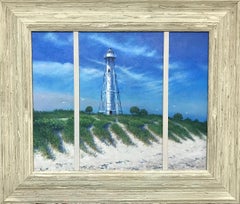
In 1861, after several years of studying Turner's work in reproduction, Thomas and Edward journeyed to London where they spent several months studying and copying Turner's work at the National Gallery. A decade later, when Thomas journeyed west to join Ferdinand Vandiver Hayden's expedition to Yellowstone, the watercolors he produced on site bore clear evidence of his debt to Turner.
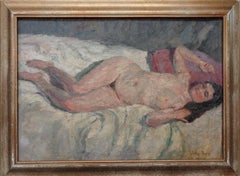
Moran's trip to Yellowstone in 1871 marked the turning point of his career. The previous year he had been asked by Scribner's Magazine to rework sketches made in Yellowstone by a member of an earlier expedition party. Intrigued by the geysers and mudpots of Yellowstone, he borrowed money to make the trip himself. Numerous paintings and commissions resulted from this journey, but the sale of his enormous (7 by 12 feet) Grand Canyon of the Yellowstone (1872, National Museum of American Art) to Congress shortly after passage of the bill that set Yellowstone aside as the first National Park, brought Moran considerable attention.
In 1873, following up on his earlier success, Moran joined John Wesley Powell's expedition down the Colorado River through the Grand Canyon. Shortly after his return he set to work on a second canvas equal in size to his earlier Yellowstone painting...
Category
21st Century and Contemporary Realist Landscape Paintings