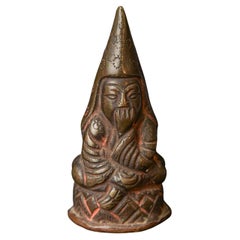
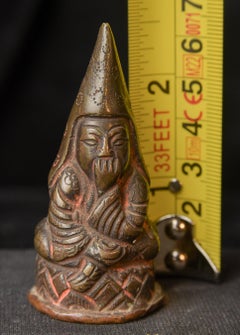
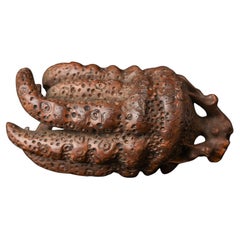
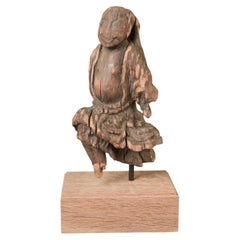
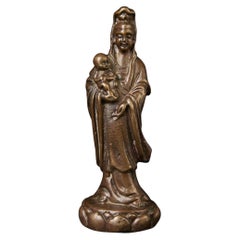
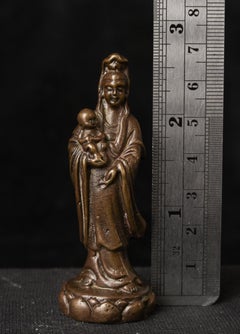
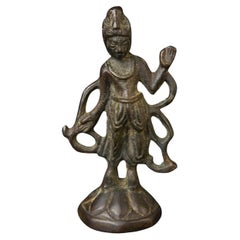
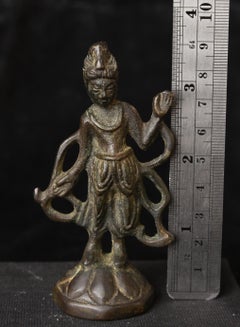
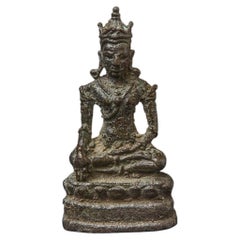
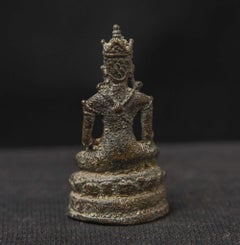
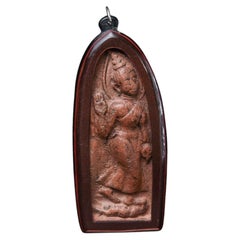
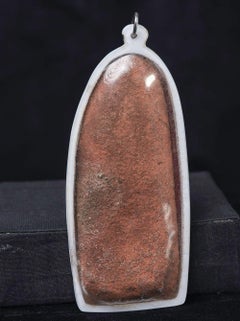
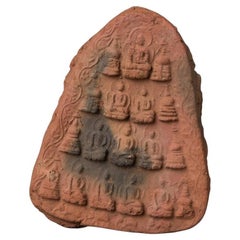
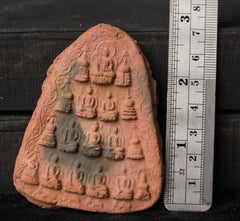
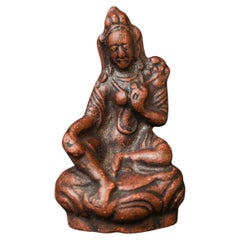
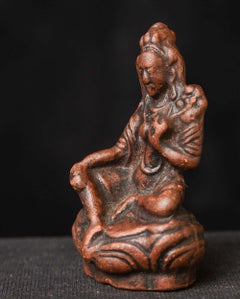
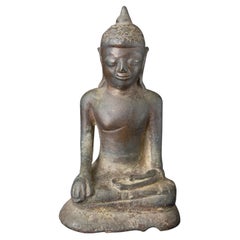
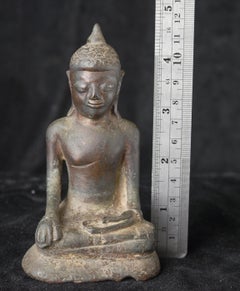
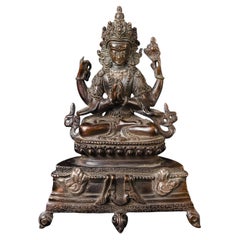
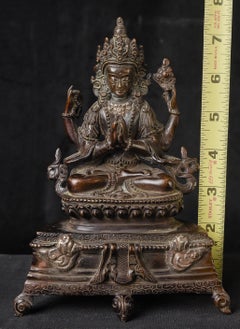
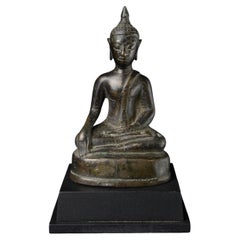
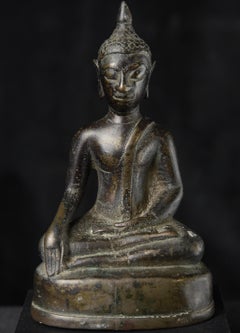
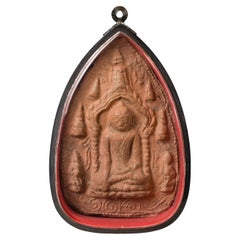
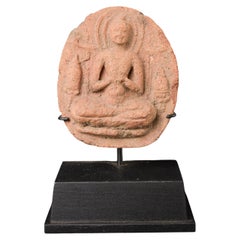
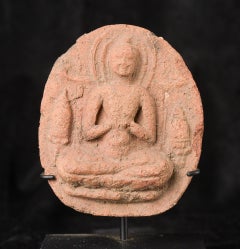
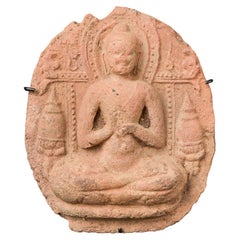
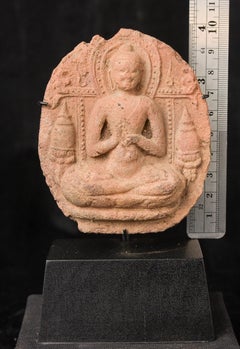
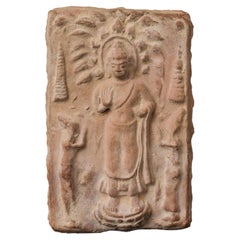
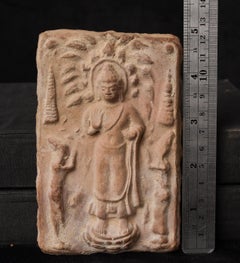
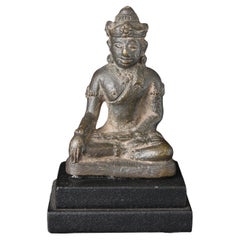
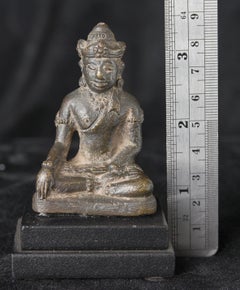
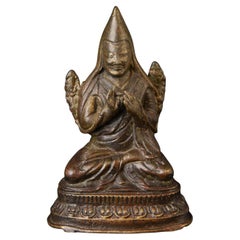
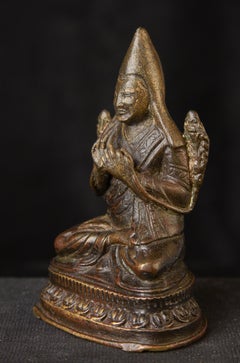
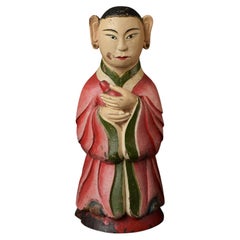
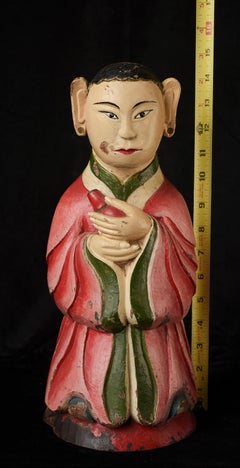
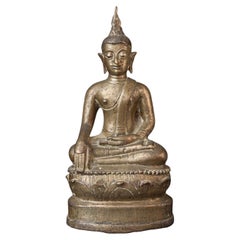
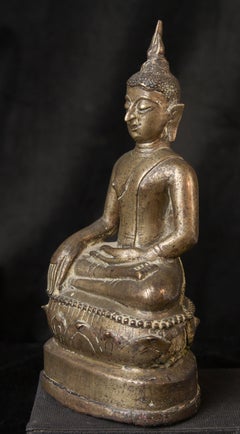
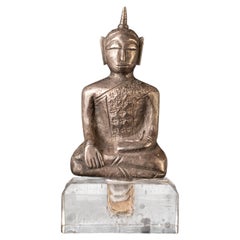
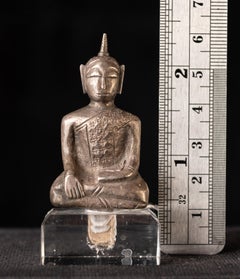
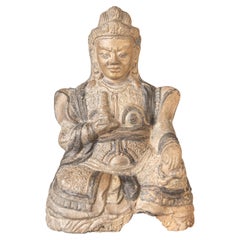
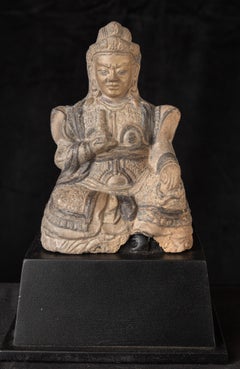
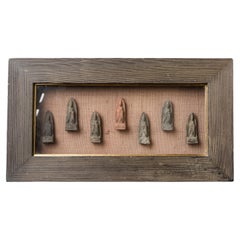
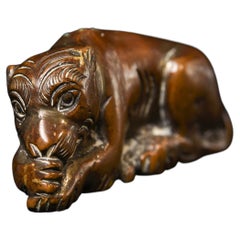
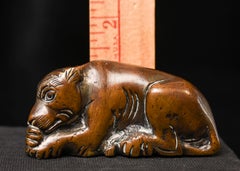
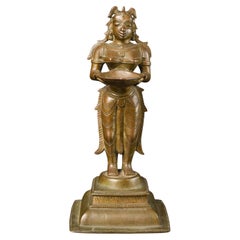
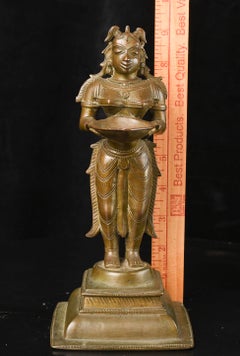
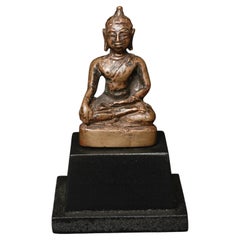
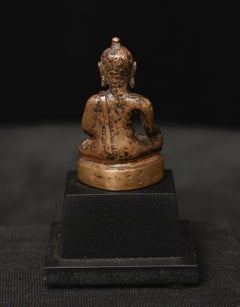
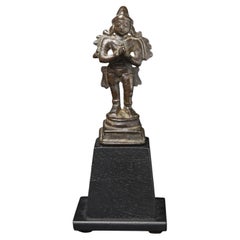
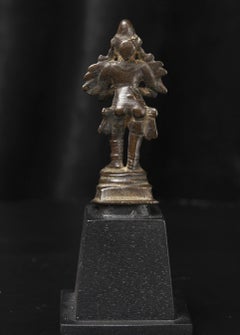
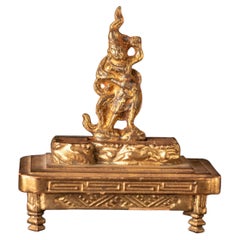
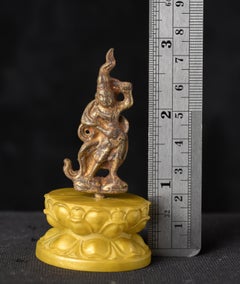
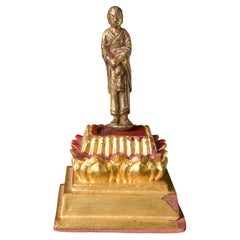
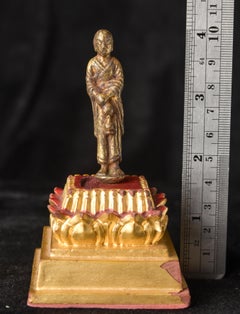
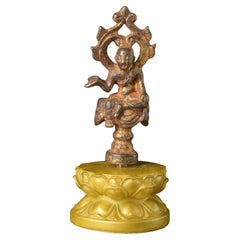
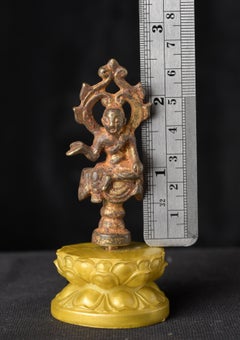
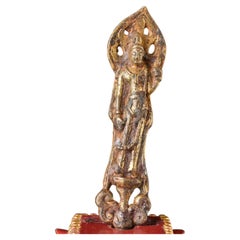
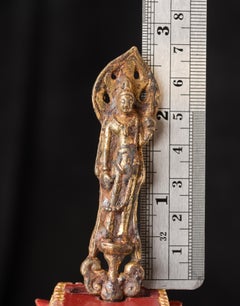
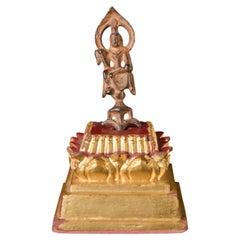
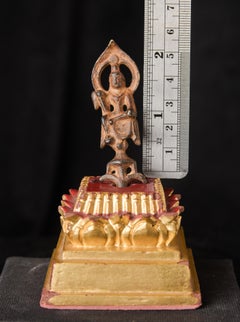
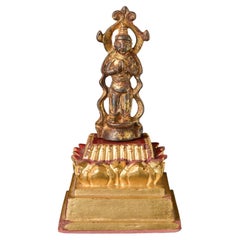
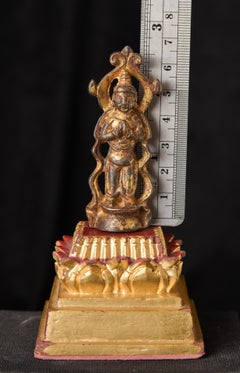
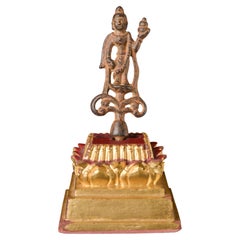
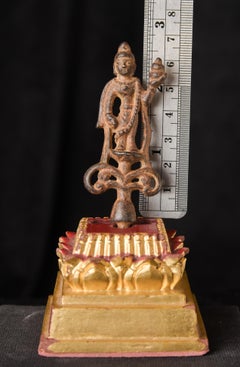
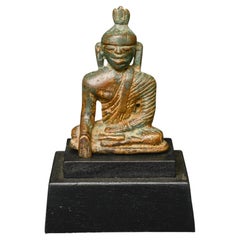
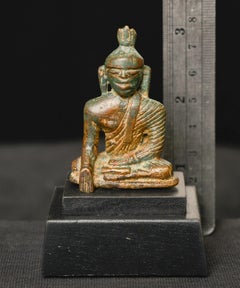
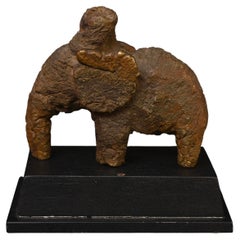
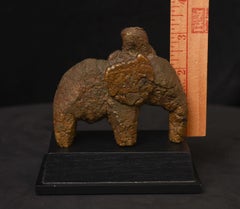
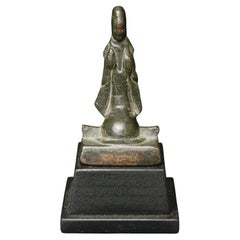
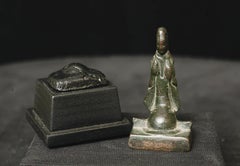
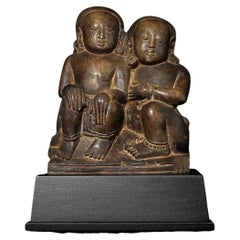
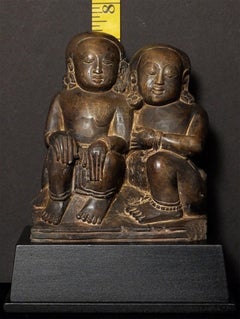
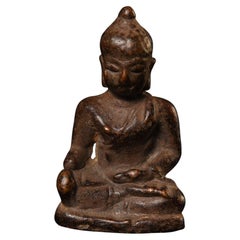
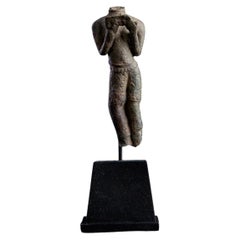
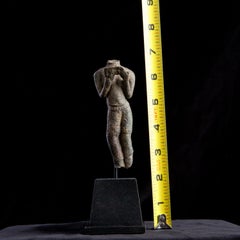
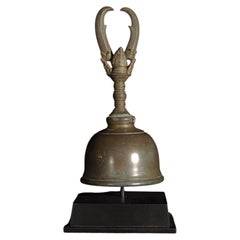
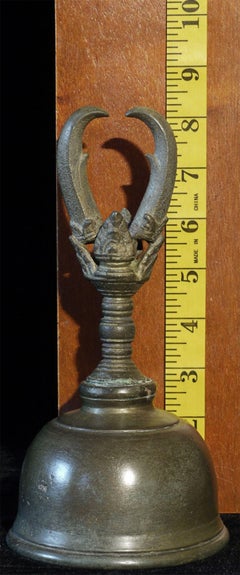
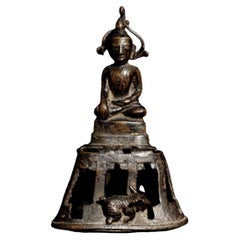
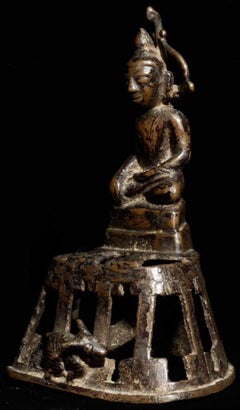
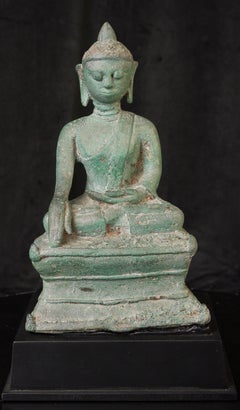
I’ve always been drawn to these early Burmese clay votives, especially the larger ones that were clearly meant for a shrine or temple setting rather than personal wear.
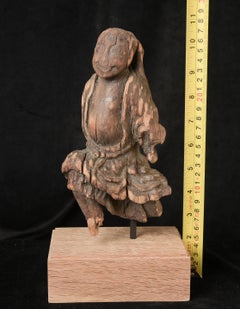
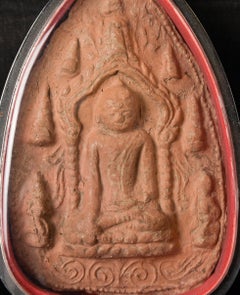
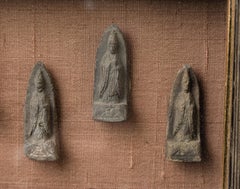
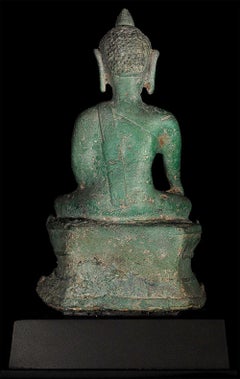
This example is pre-Pagan to my eye, or at least very early Burmese, and probably getting close to 1000 years old. The face and proportions have that directness the earliest Burmese devotional objects sometimes carry — simple, almost severe at first, but very compelling once you spend time with them.
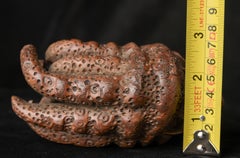
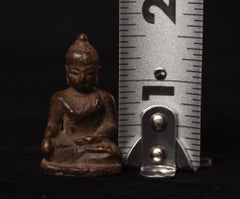
What I especially like here is the scale. Most surviving votives of this type are much smaller and heavily worn down. This one still retains a surprising amount of presence and definition.
The clay surface has aged beautifully too. Softened naturally over time, with just enough remaining detail to keep pulling your eye back into the figure.
I’ve handled quite a few Burmese votives...
Category
Antique 15th Century and Earlier Burmese Sculptures and Carvings
MaterialsClay, Terracotta