Located in Chōsei District Nagara, JP
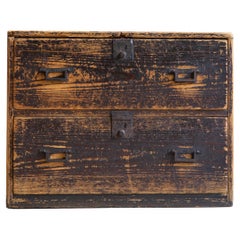
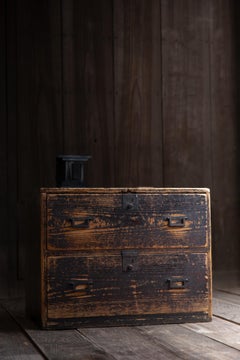
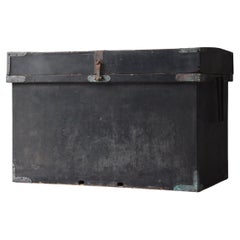
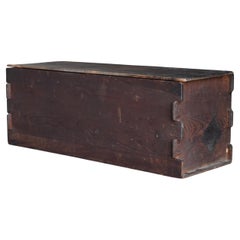
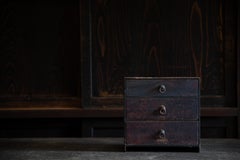
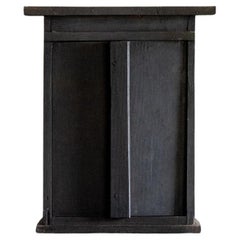
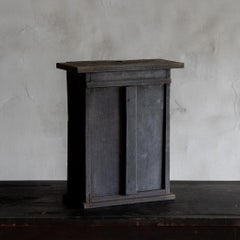
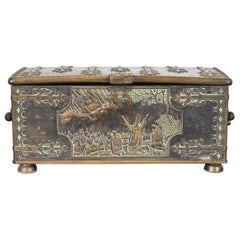
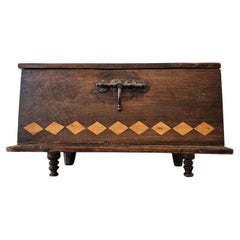
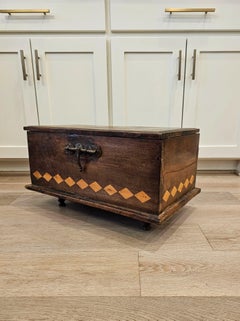
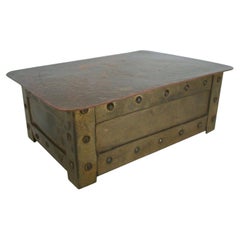
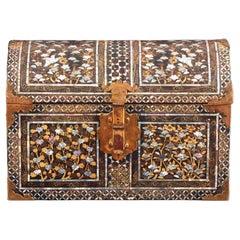
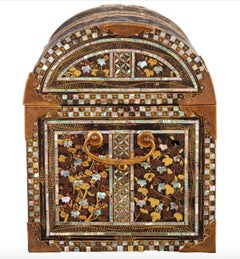
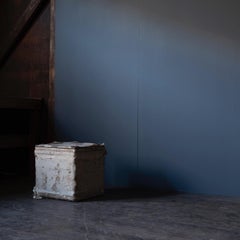
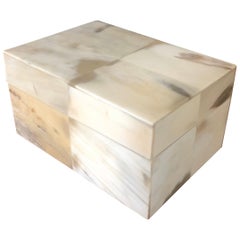
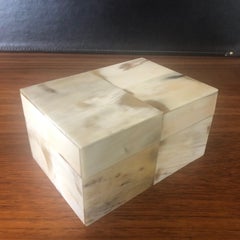
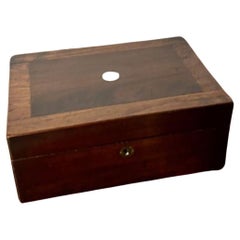
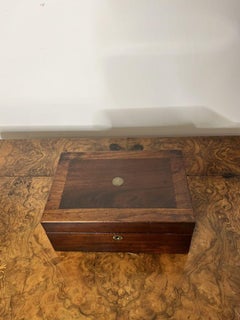
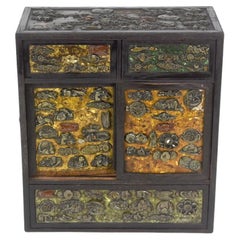
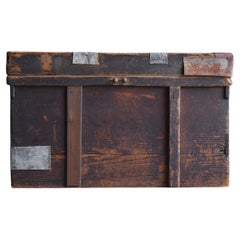
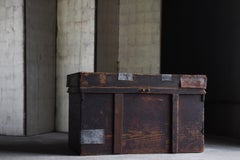
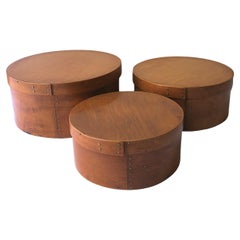
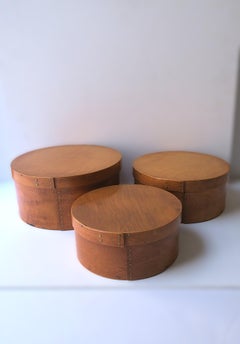
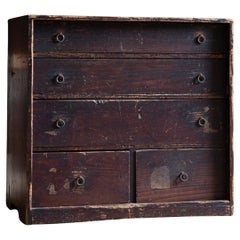
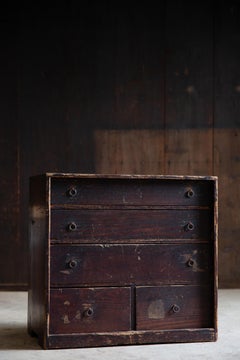
This is an old Japanese wooden box, crafted in the Meiji to Taishō period (1860s–1920s). Despite its long history, it retains a quiet and compelling presence. The box is made from traditional sugi (Japanese cedar), whose soft grain and gentle texture reflect the depth and warmth of its age.
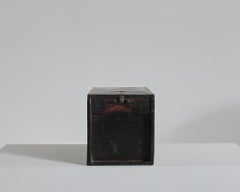
The form is strikingly minimal—its design is completely free of unnecessary elements. Although it is simply a box, the composition of clean lines and planes gives it a subtle tension and understated beauty. It carries the precision and warmth of handcraft, something that cannot be replicated by industrial production.
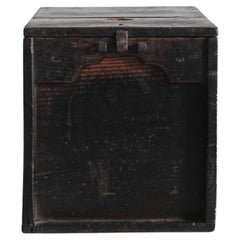
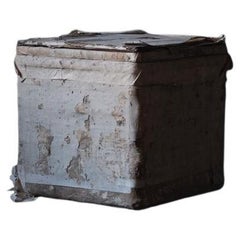
One particularly captivating feature is the visible trace of careful repairs made over many years. A knot hole on the side was thoughtfully patched with black washi paper, a practical repair that, over time, has become an expressive and almost artistic detail. In this small gesture, one can sense the quiet presence of Japanese aesthetic sensibilities.
The top and sides bear gentle wear and abrasion accumulated over decades. Rather than damage, these marks serve as a texture created by time, giving the piece its unique depth and character. The box possesses a humble yet powerful presence—a true embodiment of wabi-sabi, the beauty of imperfection and age.
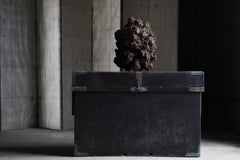
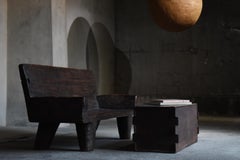
The interior remains sturdy, offering ample storage capacity. It has been thoroughly cleaned, ensuring it can be used safely and comfortably. Its low, elongated proportions make it highly versatile: ideal as a low coffee table, a book table, a side table, or a display platform. Simply placing it in a modern interior instantly adds a sense of calm and visual depth.
A simple yet richly expressive antique wooden box...
Category
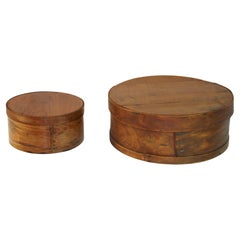
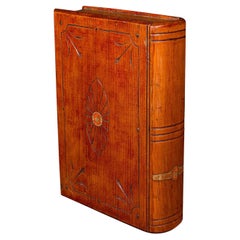
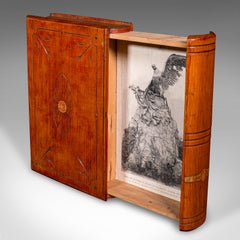
Early 20th Century Japanese Taisho Cedar Decorative Boxes