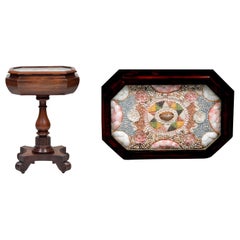
Located in Downingtown, PA
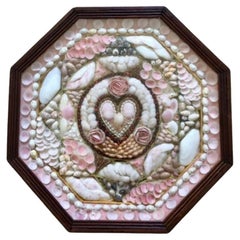
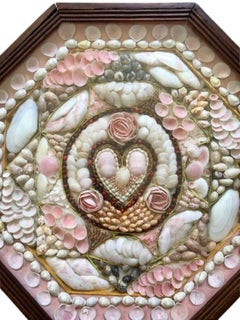
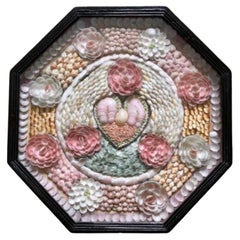
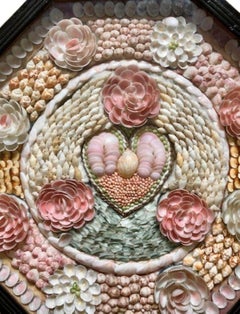
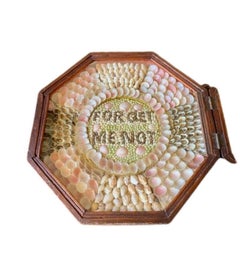
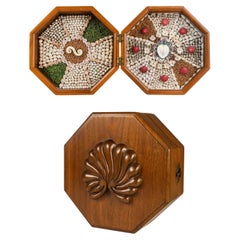
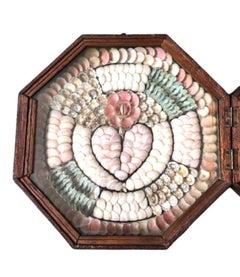
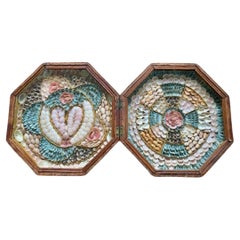
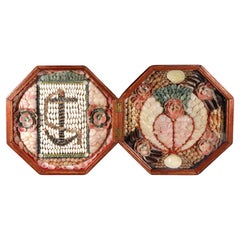
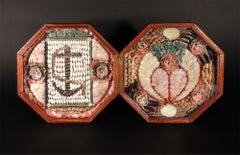
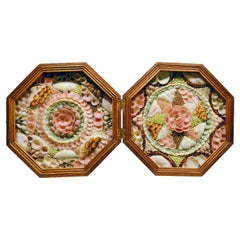
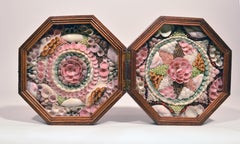
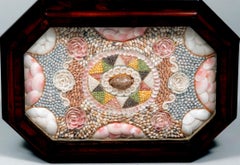
Double Sailor's Valentine with Large Anchor, Barbados
Barbados, West Indies,
Circa 1885
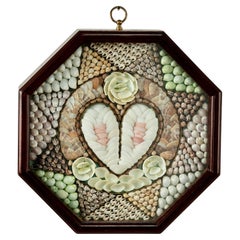
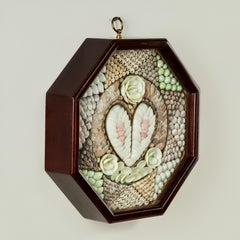
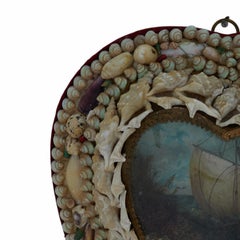
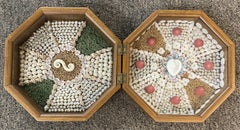
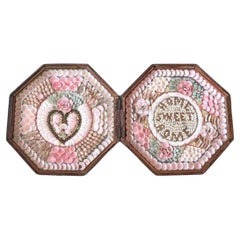
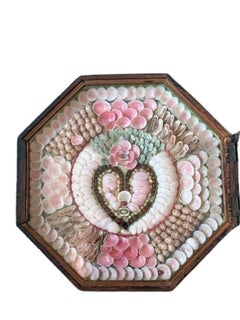
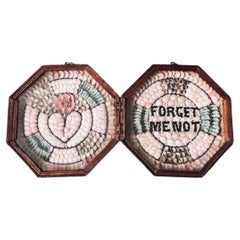
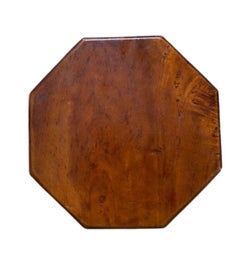
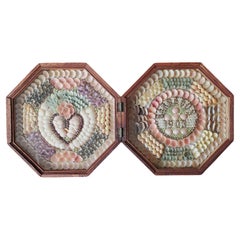
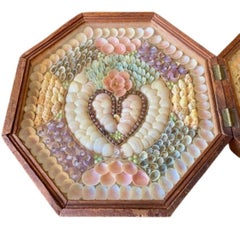
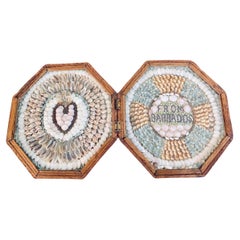
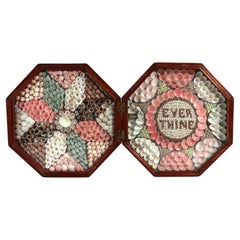
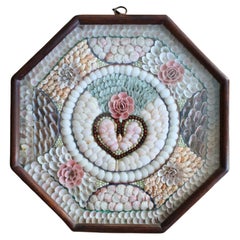
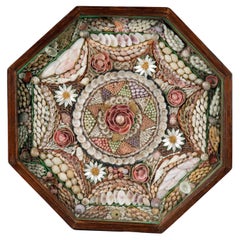
The double sailor's valentine from Barbados is formed within two hinged octagonal mahogany cases with the original loop clasp to the side. On the right side is a central oval design with the charming motto, "Forget Me Not" and on the left side a central heart shape all formed by different shells.
Dimensions:
18 1/4 inches wide x 9 1/8 inches high x 2 3/4 inches deep (closed)
Each side 9 1/8 inches x 9 1/8 inches x 1 1/4 inches deep open
Reference:
Sailors’ Valentines originated in the mid-1800s. The majority of Sailors’ Valentines came from the West Indies Island of Barbados, a Port of Call for American and English ships1. Sailors would buy or trade items for these nautical tokens as romantic gifts to take home to their loved ones during their long voyages at sea. Although Sailors’ valentines were made as early as the 1750s, they did not become popular until 1830s. The sailors’ valentine craze lasted until 1890, albeit some examples were made into the early 20th century.
Sailors’ valentines are a form of shell craft, a type of mostly antique souvenir or sentimental gift made using large numbers of small seashells. These were originally made between 1830 and 1890, and they were designed to be brought home from a sailor’s voyage at sea and given to the sailor’s loved...
Category
1880s Folk Art Antique Central American Nautical Objects