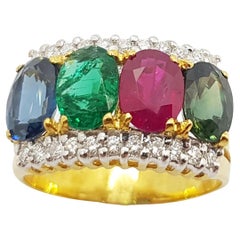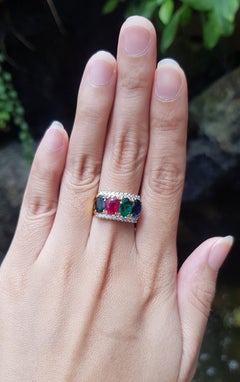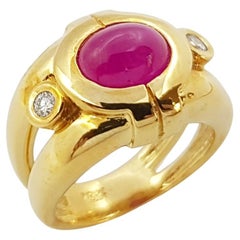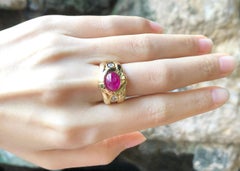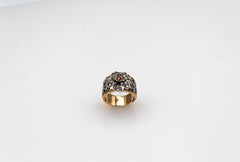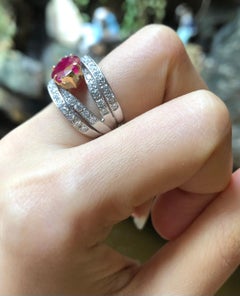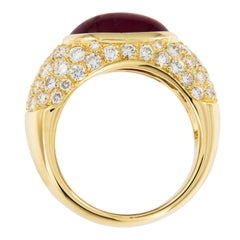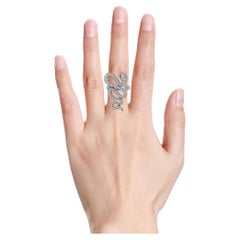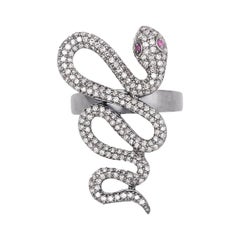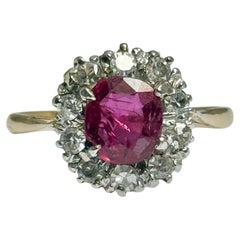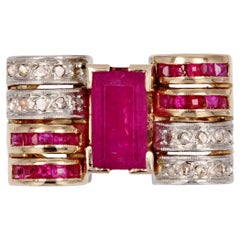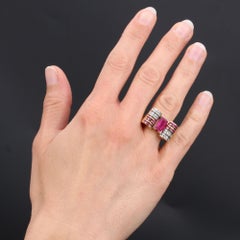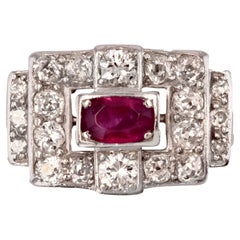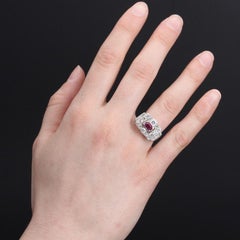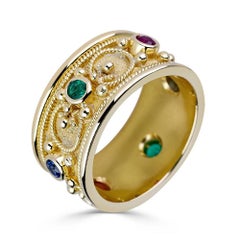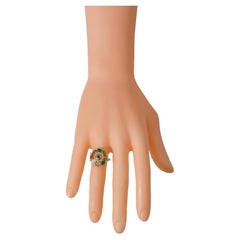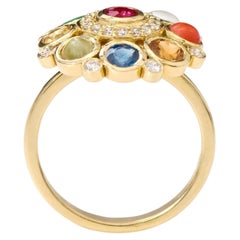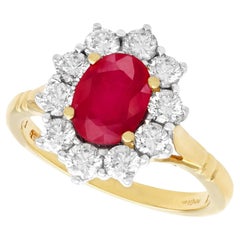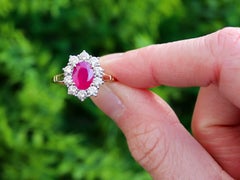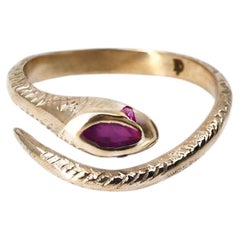
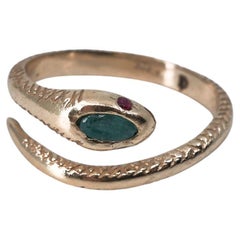
This incredibly ornate piece was made in Siam during the late Ayutthaya or early Rattanakosin Kingdom period. It dates to the late 18th and is a very rare example of a ceremonial ‘mondop’ or ‘pagoda’ ring.
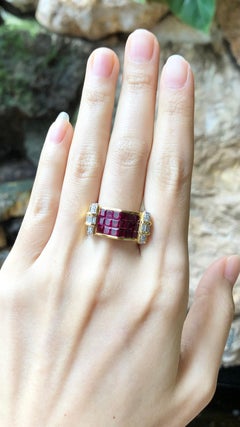
These rings were made for the monarchy and aristocratic class of Siam to be worn as part of the lavish adornment paraphernalia used in ceremonies. These elaborate rings were subsequently given as gifts to important visitors or other aristocratic families.
A similar example is found in Musée National du Château de Fontainebleau and was originally presented to Napoléon-III by the ambassadors of King Mongkut of Siam (Rama IV) alongside hundreds of other lavish gifts in order to re-establish diplomatic relations between France and Siam in 1861. Among these gifts are old jewels from King Mongkut’s treasury, including the gold diamond mondop/pagoda ring (see photos).
During this visit, the son of the Siamese ambassador, Khoumsombat, is photographed wearing a very similar tiered mondop ring with what also appears to be a ruby cabochon at the top (see photos).
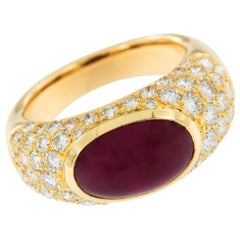
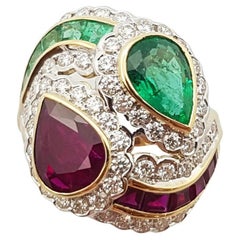
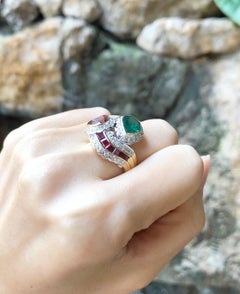
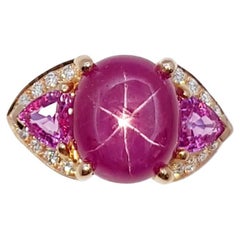
A ‘mondop’ is the tiered roof of a temple, for example that of Wat Phra Kaew in Bangkok, and is designed to be in the shape of the image of Buddha. The top tier of this ring features a bezel set star ruby cabochon while the rest of the bezel is covered with diamonds. The two outermost tiers rotate and are connected to the main body of the ring with a bifurcated rivet visible on the closed-back underside of the bezel, typical ornamentation of 18th century layered cluster rings. The arched shoulders are equally as ornate with bezel set rub over diamonds, emeralds and rubies appearing between foliate motifs and protruding serpent-esque decoration. The underside and outershank display bright red and green floral enamelling often seen on naga rings...
Category
Late 18th Century Thai Antique Ruby More Rings
MaterialsDiamond, Emerald, Ruby, 22k Gold