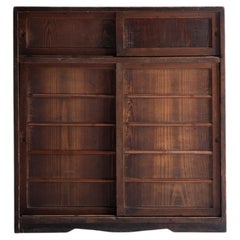

Located in Sammu-shi, Chiba
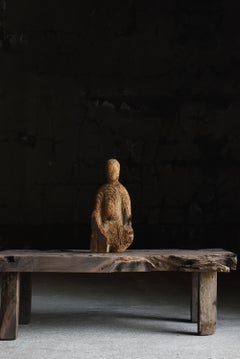
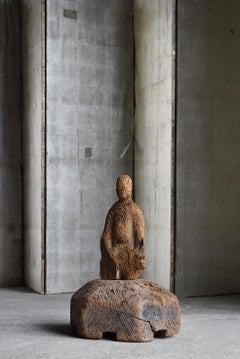
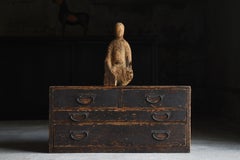
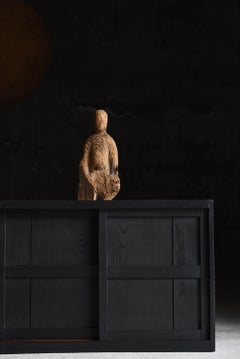
This is a wooden statue of **Jūichimen Senju Kannon Bosatsu (Eleven-Headed Thousand-Armed Kannon)**, created in Japan during the late Edo period.
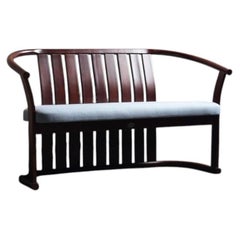
Senju Kannon (Thousand-Armed Kannon), formally known as *Senju Sengen Kanzeon Bosatsu*, is regarded as a symbol of compassion who saves all people through countless hands and eyes. Rather than literally carving one thousand arms, the expression of many arms symbolically represents “infinite salvation.”

This work is further rendered in the **Eleven-Headed (Jūichimen)** form, bearing multiple faces above the main head. This signifies the ability to look in all directions and to never overlook the suffering of any being. The Eleven-Headed Thousand-Armed Kannon is both refined in design and highly significant in devotional practice.
At **Sanjūsangendō (Rengeō-in)** in Kyoto, a similar Eleven-Headed Thousand-Armed Kannon statue is enshrined and is widely known as one of the representative masterpieces of Japanese Buddhist sculpture...
Category
Early 19th Century Japanese Edo Antique Japan