The Hamptons - Art

to
5,100
4,032
1,082
272
296
651
Overall Width
to
Overall Height
to
1
39
5,093
1,200
15
3
437
316
604
1,176
1,469
622
345
87
1
2,304
767
649
501
454
426
280
104
46
34
11
4
4
4,310
1,642
314
2,014
1,110
1,083
727
642
491
426
370
272
181
157
151
126
122
111
109
92
92
90
76
3,941
723
468
458
426
269
207
169
103
74
329
63
231,080
152,437
Item Ships From: The Hamptons
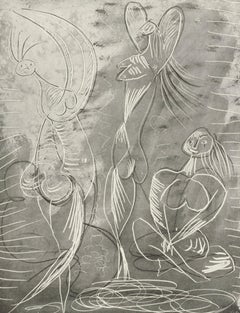
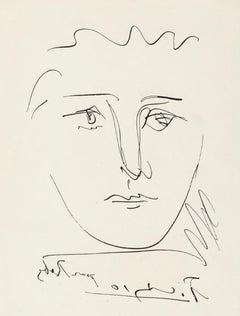
Pablo Picasso, For Roby, from The Age of the Sun, 1950

Pablo Picasso, For Roby, from The Age of the Sun, 1950

By Pablo Picasso

Located in Southampton, NY

This exquisite engraving by Pablo Picasso (1881–1973), titled Pour Roby (For Roby), from L’Age de Soleil (The Age of the Sun), originates from the 1950 edition published by Aux Depens de L’Auteur, Paris, under the direction of Robert-J. Godet, Paris; printed by Atelier Lacouriere-Frelaut, Paris, under the direction of Georges Leblanc, Paris, July 21, 1950. This compelling composition reflects Picasso’s mastery of intaglio technique, where incisive line and expressive distortion converge to translate poetic and symbolic subject matter into a powerful and evocative graphic language. Executed as an engraving on velin du Marais paper, this work measures 11.125 x 9.125 inches (28.26 x 23.18 cm). Signed in reverse in the plate and unnumbered as issued. The impression exemplifies the technical excellence and material sensitivity characteristic of Atelier Lacouriere-Frelaut’s celebrated editions. Artwork Details: Artist: Pablo Picasso (1881–1973) Title: Pour Roby (For Roby), from L’Age de Soleil (The Age of the Sun) Medium: Engraving on velin du Marais paper Dimensions: 11.125 x 9.125 inches (28.26 x 23.18 cm) Inscription: Signed in reverse in the plate and unnumbered as issued Date: 1950 Publisher: Aux Depens de L’Auteur, Paris Printer: Atelier Lacouriere-Frelaut, Paris Catalogue raisonne references: Bloch, Georges. Pablo Picasso: Catalogue of the Printed Graphic Work 1904–1967. Kornfeld & Klipstein, 1968, illustration 680; Cramer, Patrick. Pablo Picasso, The Illustrated Books: Catalogue Raisonne. Patrick Cramer, 1983, illustration 57. Condition: Well preserved, consistent with age and medium Provenance: From the folio L’Age de Soleil (The Age of the Sun), 1950 Notes: Excerpted from the folio (translated from French), This edition, constituting the original edition of the the work, has been limited to MCXIV examples, as follows: IV nominative examples on Arches, hand reserved for collaborators of the work; X examples on hand-made Arches with five states in black and color of the engraving, marked from A to J; C examples on velin du Marais with the black state of the engraving and numbered from I to C; M examples on velin including the rendering of the engraving and numbered from I to M. Printing was finished on July 21, 1950, under the direction of the author, on the presses of E. Durand, master printer in Paris for typography, and G. Leblanc, master engraver in Paris for engraving. About the Publication: L’Age de Soleil (The Age of the Sun), published in Paris in 1950 by Aux Depens de L’Auteur under the direction of Robert-J. Godet, is a distinguished illustrated edition that reflects Pablo Picasso’s continued engagement with poetic text, symbolic imagery, and the livre d’artiste tradition in the postwar period. Conceived as a highly refined collaboration between artist, author, printer, and engraver, the publication integrates original engravings by Picasso with a carefully structured typographic program executed by master printers in Paris. The edition was produced in multiple tiers on fine papers including Arches, velin du Marais, and velin, with select examples featuring additional states and variations of the engravings, demonstrating the technical and aesthetic ambitions of the project. Printed under the direction of Georges Leblanc for the engraving and E. Durand for typography, the publication exemplifies the highest standards of mid twentieth century French printmaking. Through its synthesis of text and image, L’Age de Soleil stands as an important example of Picasso’s contributions to illustrated editions, embodying his ability to translate poetic and symbolic themes into a compelling visual language while maintaining exceptional technical precision. About the Artist: Pablo Picasso (1881–1973) was a Spanish painter, sculptor, printmaker, and ceramicist whose extraordinary vision revolutionized modern art and defined the visual language of the 20th century. A child prodigy from Malaga, Spain, Picasso’s career spanned more than seven decades and encompassed an astonishing range of styles and innovations—from the melancholic Blue and romantic Rose periods to his pioneering invention of Cubism with Georges Braque, which shattered conventional notions of perspective and form. Influenced by the bold expressiveness of El Greco, the structure of Cezanne, and the vitality of African and Iberian sculpture, Picasso became a central figure of the Paris avant-garde, working in creative dialogue with contemporaries such as Henri Matisse, Alexander Calder, Alberto Giacometti, Salvador Dali, Joan Miro, Wassily Kandinsky, Marcel Duchamp, and Man Ray. His insatiable experimentation extended across painting, drawing, printmaking, ceramics, and sculpture, forever expanding the boundaries of artistic expression. A master of reinvention, Picasso profoundly shaped generations of artists who followed—from Andy Warhol, Roy Lichtenstein, David Hockney, and Jean-Michel Basquiat to Jeff Koons and Banksy—cementing his status as a timeless cultural icon whose works remain among the most sought after worldwide. His landmark painting Les Femmes d’Alger (Version “O”) achieved a record-breaking sale of $179,365,000 at Christie’s, New York, on May 11, 2015, affirming Picasso’s enduring legacy as one of the most influential and valuable artists in history. Pablo Picasso Pour Roby...
Category

1950s Cubist The Hamptons - Art

Materials

Engraving
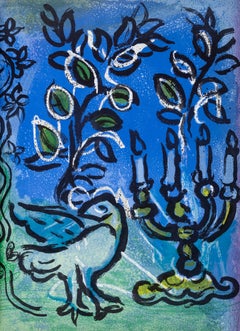
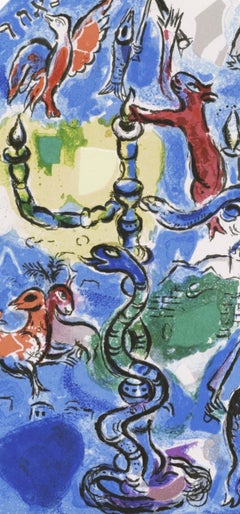
Marc Chagall, The Candelabrum, from The Jerusalem Windows, 1962

Marc Chagall, The Candelabrum, from The Jerusalem Windows, 1962

By Marc Chagall

Located in Southampton, NY

This exquisite lithograph by Marc Chagall (1887–1985), titled Le Chandelier (The Candelabrum), from the album Marc Chagall, The Jerusalem Windows, originates from the 1962 edition pu...

Category

1960s Expressionist The Hamptons - Art

Materials

Lithograph

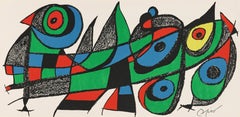
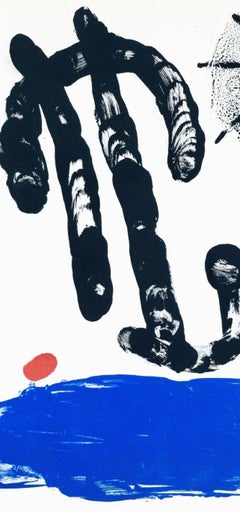
Joan Miro, Japan, from Miro as Sculptor, 1974

Joan Miro, Japan, from Miro as Sculptor, 1974

By Joan Miró

Located in Southampton, NY

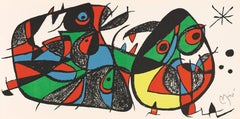
This exquisite lithograph by Joan Miro (1893–1983), titled Japan, from Miro escultor (Miro as Sculptor), originates from the 1974 edition published by Bijutsu Shupan Sha, Tokyo, and printed by La Poligrafa, Barcelona, 1974. The work reflects Miro’s lyrical mastery of biomorphic form, symbolic purity, and gestural spontaneity, embodying the visionary abstraction that made him a defining figure of twentieth century modernism. Executed as a lithograph on Guarro velin paper, this work measures 7.87 x 15.47 inches (20 x 39.3 cm). Signed in the plate and unnumbered, as issued. The edition exemplifies the refined craftsmanship of La Poligrafa, Barcelona. Artwork Details: Artist: Joan Miro (1893–1983) Title: Japan Medium: Lithograph on Guarro velin paper Dimensions: 7.87 x 15.47 inches (20 x 39.3 cm) Inscription: Signed in the plate and unnumbered, as issued Date: 1974 Publisher: Bijutsu Shupan Sha, Tokyo Printer: La Poligrafa, Barcelona Catalogue Raisonne References: Cramer, Patrick, and Joan Miro. Joan Miro, Catalogue Raisonne des Livres Illustres. P. Cramer, 1989, illustration 194 Miro, Joan, et al. Joan Miro : Lithographs. Tudor, 1972-1992, illustration 937. Condition: Well preserved, consistent with age and medium Provenance: Published by Bijutsu Shupan Sha, Tokyo; printed by La Poligrafa, Barcelona, 1974, in an edition of MD About the Publication: Miro escultor (Miro as Sculptor), published in 1974 by Bijutsu Shupan Sha in Tokyo, is a richly produced lithographic edition created to accompany and celebrate Joan Miro’s expanding work in sculpture during the late 1960s and early 1970s. Printed by the renowned La Poligrafa workshop in Barcelona one of the most important printers of modernist and postwar graphic art the publication formed part of a larger project intended to document and disseminate Miro’s sculptural innovations to an international audience. During this period, Miro turned increasingly toward three dimensional form, collaborating with foundries and experimental workshops to transform his biomorphic vocabulary into bronze, painted wood, ceramics, and mixed media assemblages. The publication Miro escultor functioned both as an artistic portfolio and as an interpretive document, presenting lithographic translations of sculptural ideas that were simultaneously graphic works in their own right. The edition of MD examples reflected Bijutsu Shupan Sha’s commitment to high quality multiples and the broader 1970s movement to democratize access to contemporary art through carefully produced prints. Today, the publication stands as a testament to the intersection of Miro’s painterly gesture, his graphic discipline, and his growing fascination with spatial and sculptural expression. About the Artist: Joan Miro (1893–1983) was a Catalan painter, sculptor, printmaker, and ceramicist whose visionary imagination and lyrical abstraction made him one of the most influential and beloved artists of the 20th century. Born in Barcelona, Miro drew inspiration from Catalan folk art, Romanesque frescoes, and the luminous landscapes of Mont roig del Camp, developing a deep connection to nature that infused his work with vitality and symbolism. After formal training at the Escola dArt in Barcelona, he absorbed the lessons of Post Impressionism and Cubism before moving to Paris in the early 1920s, where he became a leading figure in the Surrealist movement. There, Miro forged a personal visual language of biomorphic shapes, floating symbols, and radiant color harmonies that reflected both spontaneity and spiritual depth. In creative dialogue with peers such as Alexander Calder, Alberto Giacometti, Salvador Dali, Wassily Kandinsky, Marcel Duchamp, and Man Ray, he helped revolutionize modern art by dissolving the boundaries between abstraction and dream imagery. Miro’s inventive approach extended far beyond painting, embracing sculpture, ceramics, and monumental public commissions that redefined how art could interact with space and emotion. His expressive freedom and gestural abstraction profoundly influenced later artists including Jackson Pollock, Mark Rothko, Alexander Calder, Jean Dubuffet, Antoni Tapies, and Joan Mitchell, inspiring generations who sought to merge instinct, color, and imagination. Today, Miro’s work remains a cornerstone of modernism, prized by collectors and celebrated in major museums worldwide. His highest auction record was achieved by Peinture (Etoile Bleue) (1927), which sold for 23,561,250 GBP (approximately 37 million USD) at Sotheby’s, London, on June 19, 2012. Joan Miro Japan...

Category

1970s Surrealist The Hamptons - Art

Materials

Lithograph

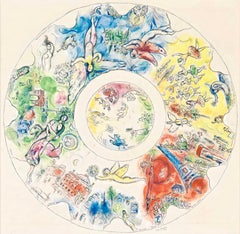
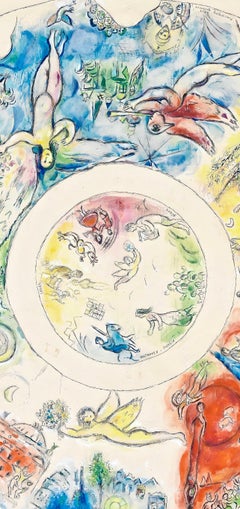
Marc Chagall, The Ceiling of the Paris Opera, 1965 (after)

Marc Chagall, The Ceiling of the Paris Opera, 1965 (after)

By Marc Chagall

Located in Southampton, NY

This exquisite lithograph after Marc Chagall (1887–1985), titled Le Plafond de l’Opera de Paris (The Ceiling of the Paris Opera), from the album Le plafond de l’Opera de Paris par Ma...

Category

1960s Expressionist The Hamptons - Art

Materials

Lithograph

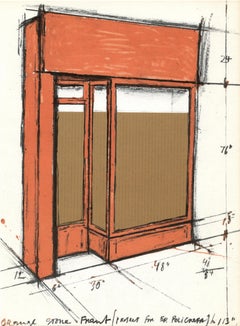
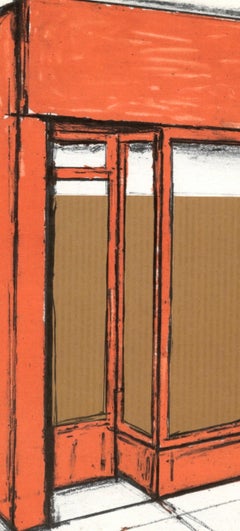
Christo and Jeanne-Claude, Orange Storefront, Project, Ediciones Poligrafa, 1979

Christo and Jeanne-Claude, Orange Storefront, Project, Ediciones Poligrafa, 1979

By Christo and Jeanne-Claude

Located in Southampton, NY

This exquisite lithograph by Christo and Jeanne-Claude (1935–2020; 1935–2009), titled Facade de magasin orange, projet (Orange Storefront, Project), from the album Ediciones Poligraf...

Category

1970s Conceptual The Hamptons - Art

Materials

Lithograph

Wifredo Lam, Untitled, from Ediciones Poligrafa, 1979

Wifredo Lam, Untitled, from Ediciones Poligrafa, 1979

By Wifredo Lam

Located in Southampton, NY

This exquisite lithograph by Wifredo Lam (1902–1982), titled Sin titulo (Untitled), from the album Ediciones Poligrafa, Barcelona - Redfern Gallery, London, originates from the 1979 ...

Category

1970s Surrealist The Hamptons - Art

Materials

Lithograph

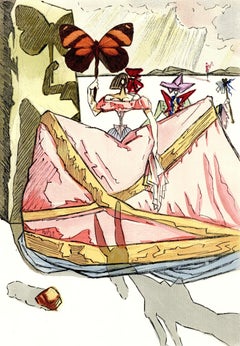
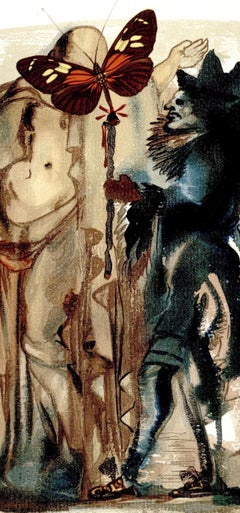
Salvador Dali, Untitled, from The Three-Cornered Hat, 1958

Salvador Dali, Untitled, from The Three-Cornered Hat, 1958

By Salvador Dalí­

Located in Southampton, NY

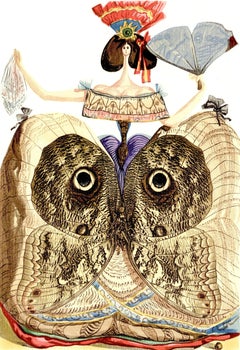
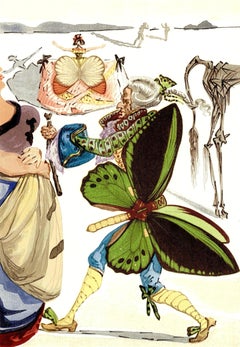
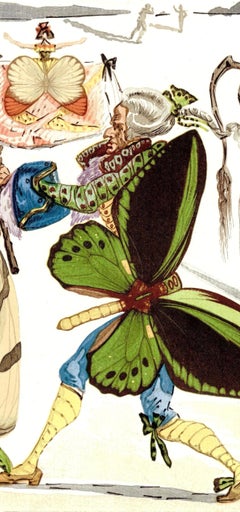
This exquisite engraving by Salvador Dali (1904–1989), titled Sans titre (Untitled), from the folio Le Tricorne (The Three-Cornered Hat), originates from the 1958 edition published b...
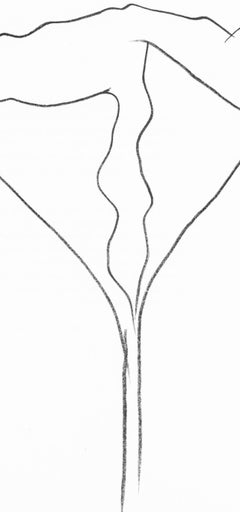
Category

1950s Surrealist The Hamptons - Art

Materials

Engraving
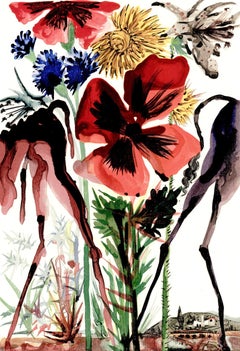
Salvador Dali, Untitled, from The Three-Cornered Hat, 1958

Salvador Dali, Untitled, from The Three-Cornered Hat, 1958

By Salvador Dalí­

Located in Southampton, NY

This exquisite engraving by Salvador Dali (1904–1989), titled Sans titre (Untitled), from the folio Le Tricorne (The Three-Cornered Hat), originates from the 1958 edition published b...
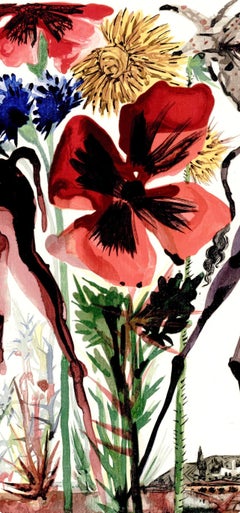
Category

1950s Surrealist The Hamptons - Art

Materials

Engraving
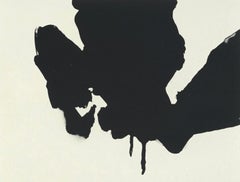
Jim Bird, Untitled, from Ediciones Poligrafa, 1979

Jim Bird, Untitled, from Ediciones Poligrafa, 1979

By Jim Bird

Located in Southampton, NY

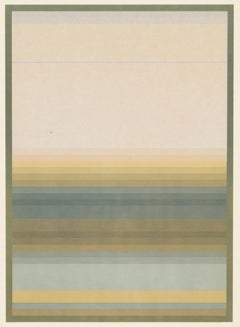
This exquisite lithograph by Jim Bird (1937–2010), titled Untitled (Untitled), from the album Ediciones Poligrafa, Barcelona - Redfern Gallery, London, originates from the 1979 editi...

Category

1970s Op Art The Hamptons - Art

Materials

Lithograph

Salvador Dali, Untitled, from The Three-Cornered Hat, 1958

Salvador Dali, Untitled, from The Three-Cornered Hat, 1958

By Salvador Dalí­

Located in Southampton, NY

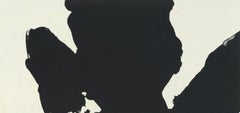
This exquisite engraving by Salvador Dali (1904–1989), titled Sans titre (Untitled), from the folio Le Tricorne (The Three-Cornered Hat), originates from the 1958 edition published b...
Category

1950s Surrealist The Hamptons - Art

Materials

Engraving
Pablo Picasso, Bullfight, from The Carmen of Carmen, 1964 (after)

Pablo Picasso, Bullfight, from The Carmen of Carmen, 1964 (after)

By Pablo Picasso

Located in Southampton, NY

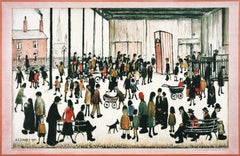
This exquisite lithograph after Pablo Picasso (1881–1973), titled Corrida (Bullfight), from the folio Le Carmen des Carmen (The Carmen of Carmen), originates from the 1964 edition pu...

Category

1960s Cubist The Hamptons - Art

Materials

Lithograph

Georges Braque, Untitled, from Birds, Saint-John Perse, 1966 (after)

Georges Braque, Untitled, from Birds, Saint-John Perse, 1966 (after)

By Georges Braque

Located in Southampton, NY

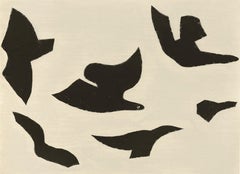
This exquisite collotype after Georges Braque (1882–1963), titled Sans titre (Untitled), from the album Birds, Saint-John Perse, originates from the 1966 edition published by the Bol...

Category

1960s Cubist The Hamptons - Art

Materials

Lithograph

Georges Braque, Untitled, from Birds, Saint-John Perse, 1966 (after)

Georges Braque, Untitled, from Birds, Saint-John Perse, 1966 (after)

By Georges Braque

Located in Southampton, NY

This exquisite collotype after Georges Braque (1882–1963), titled Sans titre (Untitled), from the album Birds, Saint-John Perse, originates from the 1966 edition published by the Bol...

Category

1960s Cubist The Hamptons - Art

Materials

Lithograph

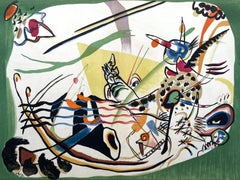
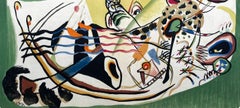
Wassily Kandinsky, Green, from Derriere le miroir, 1957 (after)

Wassily Kandinsky, Green, from Derriere le miroir, 1957 (after)

By Wassily Kandinsky

Located in Southampton, NY

This exquisite lithograph after Wassily Kandinsky (1866–1944), titled Grun (Green), from the folio Derriere le miroir, No. 101–103, originates from the 1957 edition published by Maeg...

Category

1950s Modern The Hamptons - Art

Materials

Lithograph

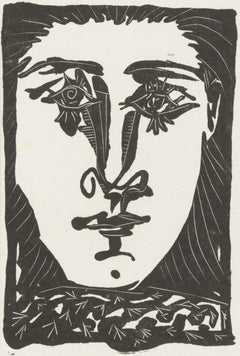
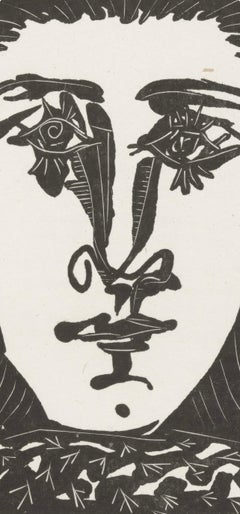
Pablo Picasso, Head, from Not Wanting, 1942

Pablo Picasso, Head, from Not Wanting, 1942

By Pablo Picasso

Located in Southampton, NY

This exquisite zincograph by Pablo Picasso (1881–1973), titled Tete (Head), from the album Non vouloir (Not Wanting), originates from the 1942 edition published by Editions Jeanne Bu...

Category

1940s Cubist The Hamptons - Art

Materials

Lithograph

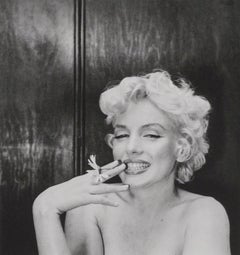
Cecil Beaton, Marilyn Monroe, from Electa Editrice Portfolios, 1981 (after)

Cecil Beaton, Marilyn Monroe, from Electa Editrice Portfolios, 1981 (after)

By Cecil Beaton

Located in Southampton, NY

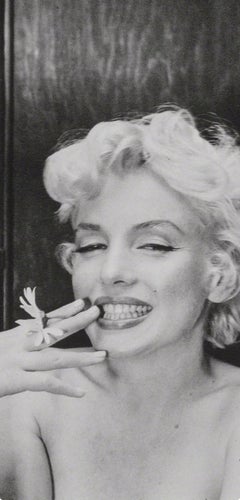
This exquisite heliogravure after Sir Cecil Beaton (1904–1980), titled Marilyn Monroe, from the folio Cecil Beaton, Electa Editrice Portfolios, 1981, originates from the 1981 edition...

Category

1980s Modern The Hamptons - Art

Materials

Lithograph

Ellsworth Kelly, Lotus, from Derriere le Miroir, 1982

Ellsworth Kelly, Lotus, from Derriere le Miroir, 1982

By Ellsworth Kelly

Located in Southampton, NY

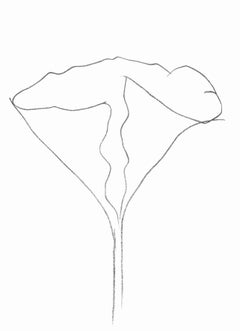
This exquisite lithograph by Ellsworth Kelly (1923–2015), titled Lotus, originates from the historic 1982 folio Derriere le Miroir, No. 250, Hommage a Aime et Marguerite Maeght (Trib...

Category

1980s Hard-Edge The Hamptons - Art

Materials

Lithograph

Salvador Dali, Untitled, from The Three-Cornered Hat, 1958

Salvador Dali, Untitled, from The Three-Cornered Hat, 1958

By Salvador Dalí­

Located in Southampton, NY

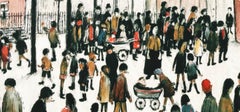
This exquisite engraving by Salvador Dali (1904–1989), titled Sans titre (Untitled), from the folio Le Tricorne (The Three-Cornered Hat), originates from the 1958 edition published b...
Category

1950s Surrealist The Hamptons - Art

Materials

Engraving
Composition (Belknap 354-380; Engberg/Banach 415-441), Three Poems

Composition (Belknap 354-380; Engberg/Banach 415-441), Three Poems

By Robert Motherwell

Located in Southampton, NY

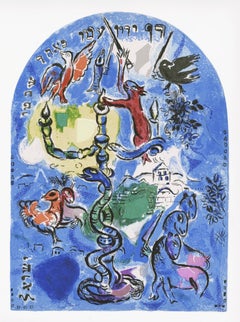
Lithograph on Japon à la main, attached with chine appliqué to vélin d’Arches paper. Paper Size: 21.5 x 17.875 inches. Inscription: Unsigned and unnumbered, as issued. Notes: From th...

Category

1980s Abstract Expressionist The Hamptons - Art

Materials

Lithograph

Marc Chagall, Tribe of Dan, from The Jerusalem Windows, 1962 (after)

Marc Chagall, Tribe of Dan, from The Jerusalem Windows, 1962 (after)

By Marc Chagall

Located in Southampton, NY

This exquisite lithograph after Marc Chagall (1887–1985), titled Tribe of Dan, from the album Marc Chagall, The Jerusalem Windows, originates from the 1962 edition published by Andre...

Category

1960s Expressionist The Hamptons - Art

Materials

Lithograph

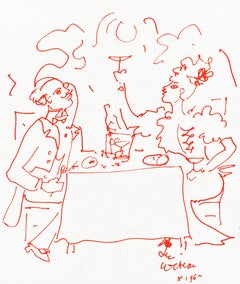
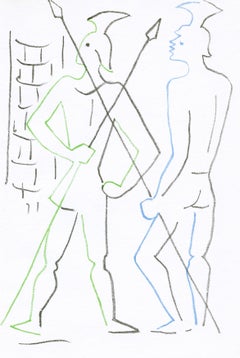
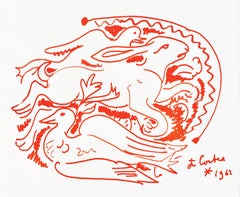
Jean Cocteau, Untitled, from Recipes for a Friend, 1964

Jean Cocteau, Untitled, from Recipes for a Friend, 1964

By Jean Cocteau

Located in Southampton, NY

This exquisite lithograph by Jean Cocteau (1889–1963), titled Sans titre (Untitled), originates from the 1964 album Recettes pour un ami, illustrations de Jean Cocteau (Recipes for a...

Category

1960s Modern The Hamptons - Art

Materials

Lithograph

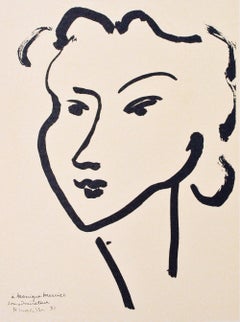
Henri Matisse, Mrs. Monique Mercier, Portraits by Henri Matisse, 1954 (after)

Henri Matisse, Mrs. Monique Mercier, Portraits by Henri Matisse, 1954 (after)

By Henri Matisse

Located in Southampton, NY

This exquisite heliogravure after Henri Matisse (1869–1954), titled Mme Monique Mercier (Mrs. Monique Mercier), from the album Portraits par Henri Matisse (Portraits by Henri Matisse...

Category

1950s Fauvist The Hamptons - Art

Materials

Lithograph

Salvador Dali, Untitled, from The Three-Cornered Hat, 1958

Salvador Dali, Untitled, from The Three-Cornered Hat, 1958

By Salvador Dalí­

Located in Southampton, NY

This exquisite engraving by Salvador Dali (1904–1989), titled Sans titre (Untitled), from the folio Le Tricorne (The Three-Cornered Hat), originates from the 1958 edition published b...

Category

1950s Surrealist The Hamptons - Art

Materials

Engraving
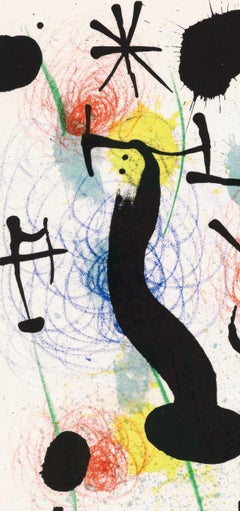
Pablo Picasso, Seated Woman and Two Dancers, from The Honeysuckle, 1943

Pablo Picasso, Seated Woman and Two Dancers, from The Honeysuckle, 1943

By Pablo Picasso

Located in Southampton, NY

This exquisite zincograph by Pablo Picasso (1881–1973), titled Femme assise et deux danseurs (Seated Woman and Two Dancers), from the album Le Chevre-Feuille (The Honeysuckle), origi...

Category

1940s Cubist The Hamptons - Art

Materials

Lithograph

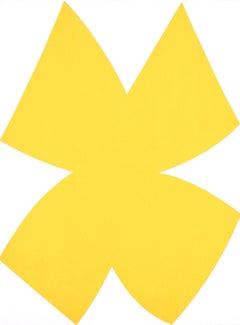
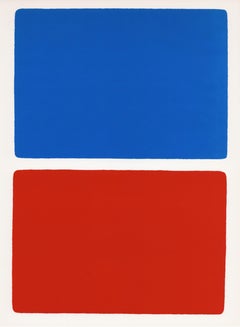
Ellsworth Kelly, Yellow Shape, from Derriere le Miroir, 1958

Ellsworth Kelly, Yellow Shape, from Derriere le Miroir, 1958

By Ellsworth Kelly

Located in Southampton, NY

This exquisite lithograph by Ellsworth Kelly (1923–2015), titled Forme Jaune (Yellow Shape), originates from the historic 1958 folio Derriere le Miroir, No. 110. Published by Maeght ...

Category

1950s Hard-Edge The Hamptons - Art

Materials

Lithograph

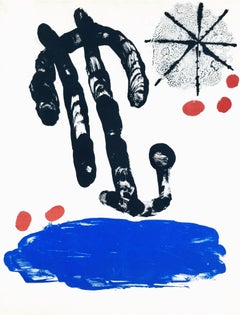
Joan Miro, Untitled, from Miro Recent Paintings, 1953

Joan Miro, Untitled, from Miro Recent Paintings, 1953

By Joan Miró

Located in Southampton, NY

This exquisite lithograph by Joan Miro (1893–1983), titled Sans titre (Untitled), originates from the 1953 album Miro Recent Paintings. Published by the Pierre Matisse Gallery, New Y...

Category

1950s Surrealist The Hamptons - Art

Materials

Lithograph

Ellsworth Kelly, Untitled, from Derriere le miroir, 1966

Ellsworth Kelly, Untitled, from Derriere le miroir, 1966

By Ellsworth Kelly

Located in Southampton, NY

This exquisite lithograph by Ellsworth Kelly (1923–2015), titled Sans titre (Untitled), from the album Lithographies et eaux-fortes originales, livres illustres originaux, affiches, ...

Category

1960s Minimalist The Hamptons - Art

Materials

Lithograph

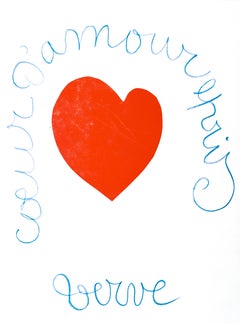
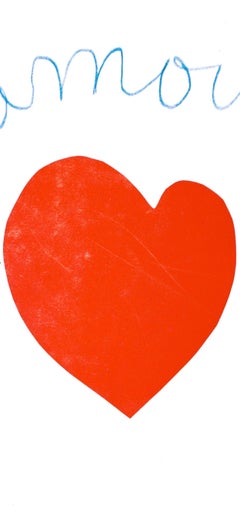
Henri Matisse, Heart of Love Enamored, from Verve, Revue, 1949 (after)

Henri Matisse, Heart of Love Enamored, from Verve, Revue, 1949 (after)

By Henri Matisse

Located in Southampton, NY

This exquisite lithograph after Henri Matisse (1869–1954), titled Coeur d’amour epris (Heart of Love Enamored), from Verve, Revue Artistique et Litteraire, Vol. VI, No. 23, originate...

Category

1940s Fauvist The Hamptons - Art

Materials

Lithograph

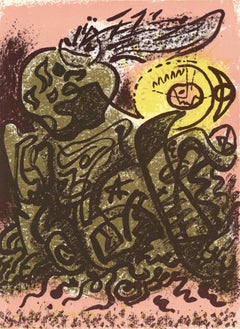
Andre Masson, Caliban, from L'Atelier Mourlot, 1965

Andre Masson, Caliban, from L'Atelier Mourlot, 1965

By André Masson

Located in Southampton, NY

This exquisite lithograph by Andre Masson (1896–1987), titled Caliban (Caliban), from the album Les Lithographies de L'Atelier Mourlot, Paris (The Lithographs of the Mourlot Workshop...

Category

1960s Modern The Hamptons - Art

Materials

Lithograph

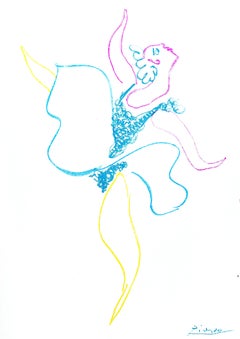
Pablo Picasso, Dancer, from The Ballet, 1954

Pablo Picasso, Dancer, from The Ballet, 1954

By Pablo Picasso

Located in Southampton, NY

This exquisite lithograph by Pablo Picasso (1881–1973), titled Danseuse (Dancer), from the album Le Ballet (The Ballet), originates from the 1954 edition published by Librairie Hache...

Category

1950s Cubist The Hamptons - Art

Materials

Lithograph

Georges Braque, Untitled, from Birds, Saint-John Perse, 1966 (after)

Georges Braque, Untitled, from Birds, Saint-John Perse, 1966 (after)

By Georges Braque

Located in Southampton, NY

This exquisite collotype after Georges Braque (1882–1963), titled Sans titre (Untitled), from the album Birds, Saint-John Perse, originates from the 1966 edition published by the Bol...

Category

1960s Cubist The Hamptons - Art

Materials

Lithograph

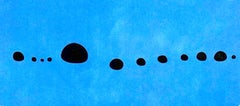
Joan Miro, Blue II, from Miro 1959–1960, 1961 (after)

Joan Miro, Blue II, from Miro 1959–1960, 1961 (after)

By Joan Miró

Located in Southampton, NY

This exquisite lithograph and pochoir after Joan Miro (1893–1983), titled Bleu II (Blue II), from the album Miro 1959–1960 (Miro 1959–1960), originates from the 1961 edition publishe...

Category

1960s Surrealist The Hamptons - Art

Materials

Lithograph

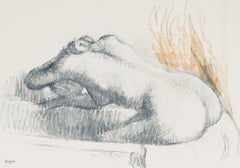
Edgar Degas, Woman Washing in Her Bathtub, from Dance Drawings, 1936 (after)

Edgar Degas, Woman Washing in Her Bathtub, from Dance Drawings, 1936 (after)

By Edgar Degas

Located in Southampton, NY

This exquisite engraving after Edgar Degas (1834–1917), titled Femme se lavant dans sa baignoire (Woman Washing in Her Bathtub), originates from the celebrated album Degas Danse dess...

Category

1930s Impressionist The Hamptons - Art

Materials

Engraving
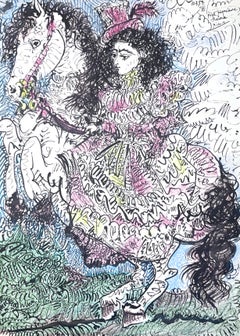
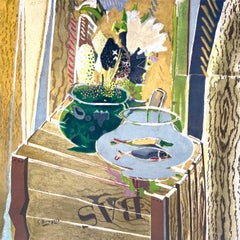
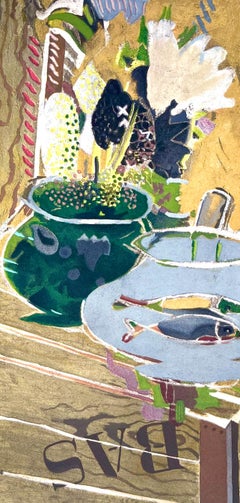
L'aquarium sur la caisse, Une Aventure méthodique, Georges Braque

L'aquarium sur la caisse, Une Aventure méthodique, Georges Braque

By Georges Braque

Located in Southampton, NY

Lithograph on vélin d'Arches paper. Inscription: Unsigned and unnumbered. Good condition. Notes: From the folio, Une Aventure méthodique, 1950; published by Fernand Mourlot, Paris, a...

Category

1950s Modern The Hamptons - Art

Materials

Lithograph

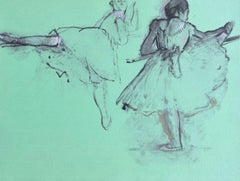
Edgar Degas, Dancer at the Barre, 1945 (after)

Edgar Degas, Dancer at the Barre, 1945 (after)

By Edgar Degas

Located in Southampton, NY

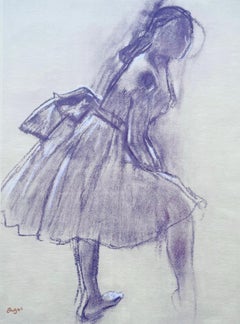
This exquisite lithograph after Edgar Degas (1834–1917), titled Danseur au bar (Dancer at the Barre), originates from the 1945 folio Degas, Ten Ballet Sketches. Published by The Studio Publications, Inc., New York, rendered and printed by Albert Carman, City Island, 1945, this work reflects Degas’s sensitive mastery of line, movement, and the intimate psychological nuances of the ballet studio. Executed as a lithograph and pochoir on velin paper, this work measures 13 x 17 inches (33.02 x 43.18 cm). Signed in the plate and unnumbered as issued. Rendered and printed by Albert Carman, City Island. Artwork Details: Artist: After Edgar Degas (1834–1917) Title: Danseur au bar (Dancer at the Barre), from Degas, Ten Ballet Sketches, 1945 Medium: Lithograph and pochoir on velin paper Dimensions: 13 x 17 inches (33.02 x 43.18 cm) Inscription: Signed in the plate and unnumbered as issued Date: 1945 Publisher: The Studio Publications, Inc., New York Printer: Albert Carman, City Island Condition: Well preserved, consistent with age and medium Provenance: From the 1945 folio Degas, Ten Ballet Sketches, published by The Studio Publications, Inc., New York Notes: Excerpted from the album, Born in Paris in 1834, Edgar Degas lived, and surely loved the life of that city during most of his years. These continued somewhat sadly beyond those of most of his friends— into the debacle of the first World War, during which he died in 1917. Judging by the frequency with which he used them as models, he must have had an especial admiration for the ballet girls who followed a profession that at the time brought none of the glory and prosperity which attend it today. New aspects of the human body, revealed in movement, fascinated him. But his occupation with the simply anatomical side of his subjects never resulted in a cold interpretation. On the contrary there is a warmth and sympathy that pervades all of his work. The drawings here represent the painter in one important phase of his multi-sensitive view of life; and permit an insight which a more ambitious work might not do-into the operation of the creative process, the artist's transformation of reality as it passes through the mesh of his sensibilities. The Edition of this Portfolio is limited to MMMD examples. Rendered by Albert Carman. About the Publication: Degas, Ten Ballet Sketches (1945) is one of the earliest and most significant American postwar fine art portfolios devoted to Edgar Degas’s intimate works on paper. Published by The Studio Publications, Inc., New York, and rendered and printed by Albert Carman at City Island, the album sought to faithfully reproduce a group of Degas’s ballet-related drawings through a combination of lithography and hand-applied pochoir coloring. This hybrid technique allowed the edition to preserve the immediacy, tonal subtlety, and gestural delicacy central to Degas’s draftsmanship. Conceived as a fine art publication rather than a commercial book, the portfolio provided American audiences unprecedented access to Degas’s private, spontaneous studies—images that reveal the artist’s fascination with movement, anatomy, and the psychological atmosphere of the rehearsal studio. The album exemplifies the mid-20th-century revival of pochoir as a means of recreating the texture and coloristic nuance of original works on paper, and it remains an important document of how Degas’s legacy was translated into high-quality printed form for collectors, museums, and connoisseurs. About the Artist: Edgar Degas (1834–1917) was a French painter, draughtsman, printmaker, and sculptor whose groundbreaking fusion of classical draftsmanship, modern experimentation, and psychological depth helped define the trajectory of Western art, positioning him as one of the most influential figures of the nineteenth and early twentieth centuries; renowned for his depictions of ballet dancers, racehorses, theater scenes, cafe life, domestic interiors, milliners, laundresses, and women at their toilette, Degas reimagined observational realism through radical compositional innovation—employing extreme cropping, asymmetrical framing, oblique viewpoints, and dramatic lighting that anticipated photographic and cinematic language long before these technologies shaped visual culture, and although associated with Impressionism, he rejected plein-air spontaneity in favor of studio-based discipline rooted in the linear precision of Jean-Auguste-Dominique Ingres, the expressive chromaticism of Eugene Delacroix, and the modernity of Edouard Manet while also drawing inspiration from Japanese ukiyo-e prints, classical sculpture, and early photography; his independent artistic philosophy resonated with and helped shape the innovations of Pablo Picasso, Alexander Calder, Alberto Giacometti, Salvador Dali, Joan Miro, Wassily Kandinsky, Marcel Duchamp, and Man Ray, whose explorations of movement, form, dream logic, abstraction, and conceptualism all find antecedents in Degas’s investigations into seriality, temporality, and the fragmented figure, and his pioneering use of pastel, monotype, and wax sculpture fundamentally transformed each medium, influencing artists from Henri Matisse, Francis Bacon, Lucian Freud, and Giacomo Manzu to Paula Rego, contemporary realists, experimental photographers, and choreographers; his works are held in nearly every major museum collection worldwide—including the Musee dOrsay, the Louvre, the Metropolitan Museum of Art, the National Gallery of Art, the Art Institute of Chicago, the Courtauld Institute, and the National Gallery, London—affirming his central place in the history of art, and the highest auction record for Degas was achieved at Sothebys London on February 3, 2015, when Danseuses en Bleu sold for 37,033,000 GBP, cementing his status as one of the most sought-after and enduringly significant artists of the Western canon. Degas pochoir, Degas lithograph...

Category

1940s Impressionist The Hamptons - Art

Materials

Lithograph

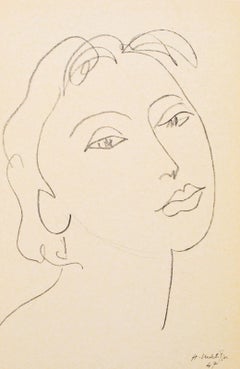
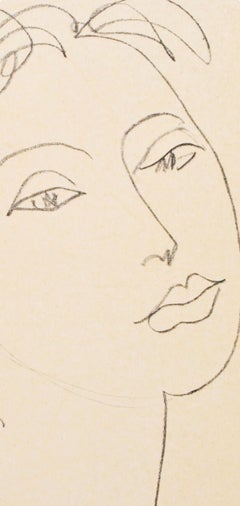
Henri Matisse, Miss D.A., from Portraits by Henri Matisse, 1954 (after)

Henri Matisse, Miss D.A., from Portraits by Henri Matisse, 1954 (after)

By Henri Matisse

Located in Southampton, NY

This exquisite heliogravure after Henri Matisse (1869–1954), titled Mademoiselle D.A. (Miss D.A.), from the album Portraits par Henri Matisse (Portraits by Henri Matisse), originates...

Category

1950s Fauvist The Hamptons - Art

Materials

Lithograph

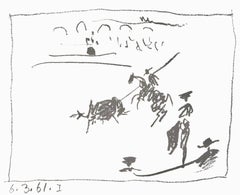
Pablo Picasso, The Pike I, from To the Bulls with Picasso, 1961

Pablo Picasso, The Pike I, from To the Bulls with Picasso, 1961

By Pablo Picasso

Located in Southampton, NY

This exquisite lithograph by Pablo Picasso (1881–1973), titled La Pique I (The Pike I), from the album A Los Toros Avec Picasso (To the Bulls with Picasso), originates from the 1961 ...

Category

1960s Modern The Hamptons - Art

Materials

Lithograph

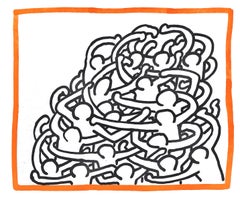
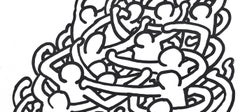
Keith Haring, Untitled, from Against All Odds, 1990

Keith Haring, Untitled, from Against All Odds, 1990

By Keith Haring

Located in Southampton, NY

This exquisite lithograph by Keith Haring (1958–1990), titled Untitled, from the album Against All Odds, 20 drawings - Oct. 3, 1989 (Against All Odds, 20 drawings - Oct. 3, 1989), originates from the 1990 edition published by Publishing House Bebert, Rotterdam, in collaboration with Mera Rubell, New York, and Donald Rubell, New York, and printed by Nieuwe Grafische, Rotterdam, Spring, 1990. Untitled embodies Haring’s signature visual vocabulary—dynamic lines, rhythmic energy, and universal symbolism—infused with the social urgency and optimism that defined his generation. Executed as a lithograph on velin acid-free Rivoli paper, this work measures 8.5 x 10.3 inches. Unsigned and unnumbered as issued. The edition exemplifies the refined craftsmanship of Nieuwe Grafische, Rotterdam, and the bold spirit of Bebert’s late twentieth-century artist collaborations. Artwork Details: Artist: Keith Haring (1958–1990) Title: Untitled, from the album Against All Odds, 20 drawings - Oct. 3, 1989 (Against All Odds, 20 drawings - Oct. 3, 1989) Medium: Lithograph on velin acid-free Rivoli paper Dimensions: 8.5 x 10.3 inches (21.59 x 26.16 cm) Inscription: Unsigned and unnumbered as issued Date: 1990 Publisher: Publishing House Bebert, Rotterdam, in collaboration with Mera Rubell, New York, and Donald Rubell, New York Printer: Nieuwe Grafische, Rotterdam Condition: Well preserved, consistent with age and medium Provenance: From the album Against All Odds, 20 drawings - Oct. 3, 1989 (Against All Odds, 20 drawings - Oct. 3, 1989), Bebert, Rotterdam, 1990 Notes: Excerpted from the album, 20 drawings - Oct. 3, 1989 was published with the collaboration of Mera and Donald Rubell by Bebert Publishing House in Spring 1990. The edition consists of MMD hard cover examples, of which D are numbered (I/D - D/D) and signed by the artist. The edition was printed on acid-free Rivoli paper by Nieuwe Grafische in Rotterdam. and bound by Stokkink B.V. in Amsterdam. ©Keith Haring, M.Y.6. 1990. Mera + Don Rubell, NYC 1990. Bebert Publishing House. Westersingel 22-3014 GP, Rotterdam, Holland - 1990. About the Publication: Against All Odds is both an artist’s album and memorial publication comprising twenty lithographs created by Keith Haring on October 3, 1989, just months before his death in February 1990. Conceived in collaboration with Mera and Donald Rubell and published by Bebert Publishing House, Rotterdam, the album encapsulates Haring’s final creative statement. Haring’s accompanying handwritten foreword and brief text meditate on the fragility of human life, ecological collapse, and the artist’s struggle to preserve hope “against all odds.” The drawings—executed in Haring’s immediately recognizable graphic line—depict writhing figures, embryos, skeletons, animals, and cosmic symbols that echo his lifelong concern with birth, death, sexuality, and transcendence. Together, the images and text form a narrative of resistance and endurance amid personal illness and global crisis. The album’s title encapsulates Haring’s sense of perseverance: humanity’s and the planet’s fight for survival despite overwhelming forces of destruction. Published posthumously in spring 1990, Against All Odds stands as a poignant summation of his ethos—celebrating vitality and compassion in the face of mortality and despair. About the Artist: Keith Haring (1958–1990) was an American artist, activist, and cultural innovator whose bold visual language and socially engaged practice redefined contemporary art and the role of the artist in society. Born in Reading, Pennsylvania, and raised in Kutztown, Haring was inspired from an early age by comic art, calligraphy, and graphic design, influences that would later shape his instantly recognizable style of radiant lines, rhythmic movement, and universal symbols. After moving to New York City in 1978 to study at the School of Visual Arts, he immersed himself in the downtown art scene, drawing influence from modernist pioneers such as Pablo Picasso, Alexander Calder, Alberto Giacometti, Salvador Dali, Joan Miro, Wassily Kandinsky, Marcel Duchamp, and Man Ray, whose innovations in form, abstraction, and conceptual art informed his radical approach to public expression. Haring began creating chalk drawings in the New York subway system, transforming urban walls into democratic spaces for creativity and communication. His imagery—radiant babies, barking dogs, flying saucers, and dancing figures—spoke a universal visual language that combined accessibility with profound emotional and political resonance. He became a leading figure in 1980s New York, working alongside Jean-Michel Basquiat, Andy Warhol, and Kenny Scharf to bridge the worlds of street art, pop culture, and fine art. Influenced by Picasso’s expressive energy, Calder’s movement, Miro’s playfulness, and Duchamp’s conceptual wit, Haring developed an art of optimism, immediacy, and activism that addressed issues of love, unity, social justice, and human rights. His work carried urgent commentary on apartheid, AIDS awareness, drug abuse, and inequality, while radiating the joy and vitality of life. In 1986, he opened the Pop Shop, a groundbreaking experiment in making art accessible to all, selling affordable objects featuring his designs without compromising his artistic vision. His monumental public murals, including Crack Is Wack in Harlem and Tuttomondo in Pisa, Italy, continue to stand as symbols of art’s power to educate and inspire collective action. Haring’s dynamic compositions merged the energy of graffiti with the structural clarity of modernism, synthesizing the spiritual abstraction of Kandinsky, the surreal imagination of Dali, and the sensual immediacy of Man Ray. His work influenced generations of artists, including Banksy, Shepard Fairey, KAWS, Takashi Murakami, and RETNA, who continue to echo his fusion of activism and aesthetics. Despite his untimely death from AIDS at age 31, Haring’s impact on art and culture endures globally through the Keith Haring Foundation, which supports children’s programs and HIV/AIDS research. His works are housed in major museums such as the Museum of Modern Art, the Whitney Museum of American Art, the Centre Pompidou, and the Tate Modern, affirming his legacy as a cornerstone of twentieth-century art. The highest auction record for Keith Haring was achieved with Untitled (1982), which sold for $6.5 million USD at Sotheby’s, New York, on May 16, 2017, solidifying his status as one of the most influential, beloved, and enduring artists of the modern era. Keith Haring Untitled Against All Odds 20 drawings Oct 3 1989 Bebert Publishing House Rotterdam 1990 lithograph...

Category

1990s Pop Art The Hamptons - Art

Materials

Lithograph

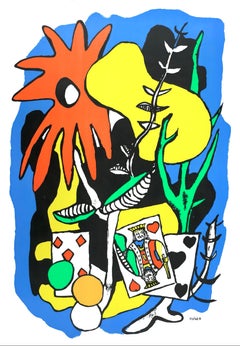
Fernand Leger, The King of Hearts, S.P.25., School Prints Ltd., 1949 (after)

Fernand Leger, The King of Hearts, S.P.25., School Prints Ltd., 1949 (after)

By Fernand Léger

Located in Southampton, NY

This exquisite lithograph after Fernand Leger (1881–1955), titled The King of Hearts, S.P.25., originates from the School Prints Ltd. series, published by School Prints Ltd., London,...

Category

1940s Cubist The Hamptons - Art

Materials

Lithograph

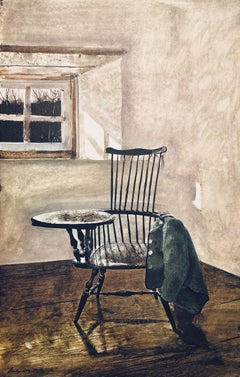
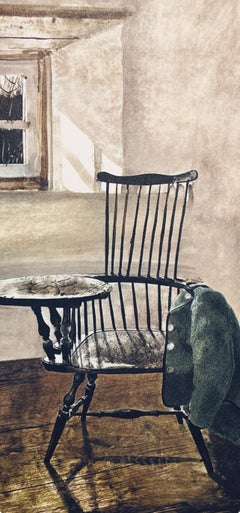
Andrew Wyeth, Early October, from The Four Seasons (after)

Andrew Wyeth, Early October, from The Four Seasons (after)

By Andrew Wyeth

Located in Southampton, NY

This exquisite lithograph after Andrew Wyeth (1917–2009), titled Early October, originates from the distinguished 1962 folio The Four Seasons: Paintings and Drawings by Andrew Wyeth....

Category

1960s American Realist The Hamptons - Art

Materials

Lithograph

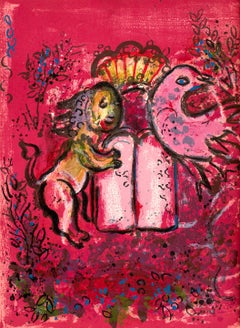
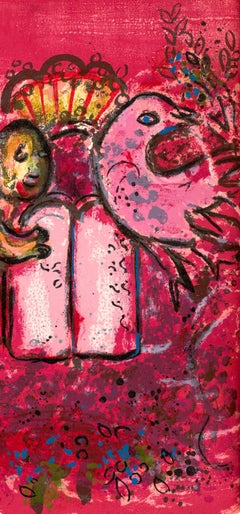
Marc Chagall, The Lion of Judah and the Tablets of the Law, 1962

Marc Chagall, The Lion of Judah and the Tablets of the Law, 1962

By Marc Chagall

Located in Southampton, NY

This exquisite lithograph by Marc Chagall (1887–1985), titled Le lion de Juda et les Tables de la Loi (The Lion of Judah and the Tablets of the Law), from the album Marc Chagall, The...

Category

1960s Expressionist The Hamptons - Art

Materials

Lithograph

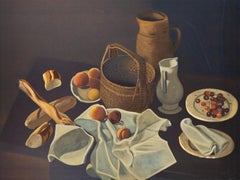
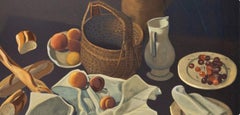
Andre Derain, Still Life, 1970 (after)

Andre Derain, Still Life, 1970 (after)

By André Derain

Located in Southampton, NY

This exquisite lithograph after Andre Derain (1880–1954), titled Nature Morte (Still Life), from the folio Andre Derain entre 1935 et 1949, V (Andre Derain between 1935 and 1949, V),...

Category

1970s Fauvist The Hamptons - Art

Materials

Lithograph

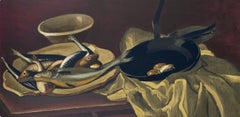
Andre Derain, Still Life with Fish and the Pan, 1970 (after)

Andre Derain, Still Life with Fish and the Pan, 1970 (after)

By André Derain

Located in Southampton, NY

This exquisite lithograph after Andre Derain (1880–1954), titled Nature morte aux Poissons (Still Life with Fish), from the folio Andre Derain entre 1935 et 1949, V (Andre Derain bet...

Category

1970s Fauvist The Hamptons - Art

Materials

Lithograph

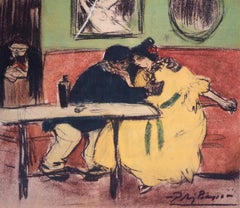
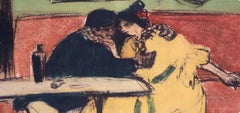
Pablo Picasso, The Divan, The Blues of Barcelona, 1963 (after)

Pablo Picasso, The Divan, The Blues of Barcelona, 1963 (after)

By Pablo Picasso

Located in Southampton, NY

This exquisite lithograph and pochoir after Pablo Picasso (1881–1973), titled Le divan (The Divan), from the folio Les Bleus de Barcelone, 12 aquarelles et pastels (The Blues of Barc...

Category

1960s Modern The Hamptons - Art

Materials

Lithograph, Stencil

Joan Miro, The Boar’s Ring, from Derriere le miroir, 1966

Joan Miro, The Boar’s Ring, from Derriere le miroir, 1966

By Joan Miró

Located in Southampton, NY

This exquisite lithograph by Joan Miro (1893–1983), titled La Bague du sanglier (The Boar’s Ring), from the album Lithographies et eaux-fortes originales, livres illustres originaux,...

Category

1960s Surrealist The Hamptons - Art

Materials

Lithograph

Pablo Picasso, 10.3.59. VIII, from Bulls and Bullfighters, 1961 (after)

Pablo Picasso, 10.3.59. VIII, from Bulls and Bullfighters, 1961 (after)

By Pablo Picasso

Located in Southampton, NY

This exquisite heliogravure after Pablo Picasso (1881–1973), titled 10.3.59. VIII, from the album Pablo Picasso, Toros y Toreros (Bulls and Bullfighters), originates from the 1961 ed...

Category

1960s Cubist The Hamptons - Art

Materials

Lithograph

Pablo Picasso, 25.4.64., The Taste of Happiness, 1970 (after)

Pablo Picasso, 25.4.64., The Taste of Happiness, 1970 (after)

By Pablo Picasso

Located in Southampton, NY

This exquisite lithograph after Pablo Picasso (1881–1973), titled 25.4.64., from the folio Le Gout du Bonheur, trois carnets d`atelier (The Taste of Happiness, Three Studio Sketchboo...

Category

1970s Cubist The Hamptons - Art

Materials

Lithograph

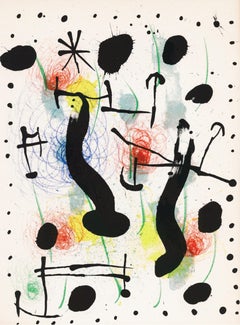
Joan Miro, Untitled, from Derriere le miroir, 1967

Joan Miro, Untitled, from Derriere le miroir, 1967

By Joan Miró

Located in Southampton, NY

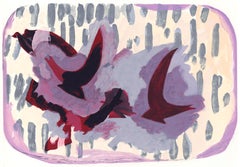
This exquisite lithograph by Joan Miro (1893–1983), titled Sans titre (Untitled), originates from the 1967 folio Derriere le miroir, L'oiseau solaire, l'oiseau lunaire, etin-celles (...

Category

1960s Surrealist The Hamptons - Art

Materials

Lithograph

Antoni Tapies, Untitled, from Ediciones Poligrafa, 1979

Antoni Tapies, Untitled, from Ediciones Poligrafa, 1979

By Antoni Tàpies

Located in Southampton, NY

This exquisite lithograph by Antoni Tapies (1923–2012), titled Sans titre (Untitled), from the album Ediciones Poligrafa, Barcelona - Redfern Gallery, London, originates from the 197...

Category

1970s Contemporary The Hamptons - Art

Materials

Lithograph

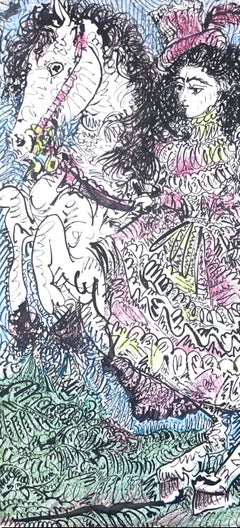
Salvador Dali, Untitled, from The Three-Cornered Hat, 1958

Salvador Dali, Untitled, from The Three-Cornered Hat, 1958

By Salvador Dalí­

Located in Southampton, NY

This exquisite engraving by Salvador Dali (1904–1989), titled Sans titre (Untitled), from the folio Le Tricorne (The Three-Cornered Hat), originates from the 1958 edition published b...
Category

1950s Surrealist The Hamptons - Art

Materials

Engraving
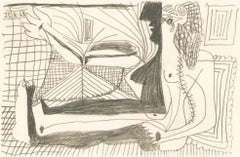
Jean Cocteau, Scene XII, The Infernal Machine, from Theatre, 1957

Jean Cocteau, Scene XII, The Infernal Machine, from Theatre, 1957

By Jean Cocteau

Located in Southampton, NY

This exquisite lithograph by Jean Cocteau (1889–1963), titled Scene XII, La Machine Infernale (Scene XII, The Infernal Machine), originates from the 1957 album Jean Cocteau de l'Acad...

Category

1950s Modern The Hamptons - Art

Materials

Lithograph

Jean Cocteau, Untitled, from Recipes for a Friend, 1964

Jean Cocteau, Untitled, from Recipes for a Friend, 1964

By Jean Cocteau

Located in Southampton, NY

This exquisite lithograph by Jean Cocteau (1889–1963), titled Sans titre (Untitled), originates from the 1964 album Recettes pour un ami, illustrations de Jean Cocteau (Recipes for a...

Category

1960s Modern The Hamptons - Art

Materials

Lithograph

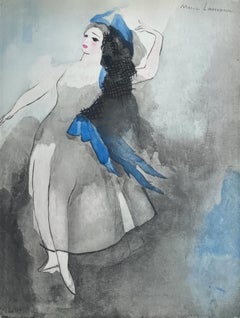
Marie Laurencin, Untitled, from Dialogue on the Dance, 1949 (after)

Marie Laurencin, Untitled, from Dialogue on the Dance, 1949 (after)

By Marie Laurencin

Located in Southampton, NY

This exquisite engraving after Marie Laurencin (1883-1956), titled Sans titre (Untitled), from the folio Dialogue sur la Danse (Dialogue on the Dance), originates from the 1949 editi...
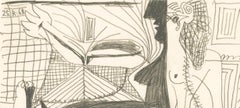
Category

1940s Modern The Hamptons - Art

Materials

Engraving
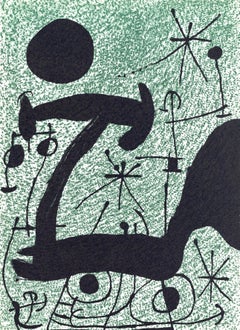
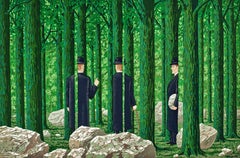
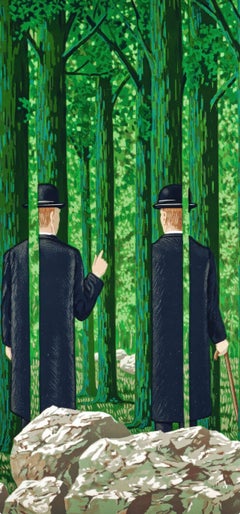
Rene Magritte, My Mother Goose, 1968 (after)

Rene Magritte, My Mother Goose, 1968 (after)

By René Magritte

Located in Southampton, NY

This exquisite lithograph after Rene Magritte (1898–1967), titled Ma Mere lOye (My Mother Goose), from the folio Les Enfants Trouves de Magritte (The Found Children of Magritte), 1968, originates from the edition published by A.C. Mazo et Cie, Paris, and printed by Mourlot Freres, Paris, on November 20, 1968. The work embodies Magrittes sustained inquiry into semiotics and visual epistemology, translating his characteristic strategies of displacement, symbolic inversion, and conceptual ambiguity into an image that operates as both a poetic metaphor and a philosophical proposition concerning the instability of meaning. Executed as a lithograph on grand velin dArches paper, this work measures 17.5 x 23.5 inches (44.5 x 59.7 cm). Signed in the plate by the artist; hand signed by Fernand Mourlot, Editeur. The edition exemplifies the technical mastery of the Mourlot atelier. Artwork Details: Artist: After Rene Magritte (1898–1967) Title: Ma Mere lOye (My Mother Goose), from the folio Les Enfants Trouves de Magritte (The Found Children of Magritte) Medium: Lithograph on grand velin dArches paper Dimensions: 17.5 x 23.5 inches (44.5 x 59.7 cm) Inscription: Signed in the plate by the artist; hand signed by Fernand Mourlot, Editeur Date: 1968 Publisher: A.C. Mazo et Cie, Paris Printer: Mourlot Freres, Paris Catalogue Raisonne: Magritte, Rene, et al. Rene Magritte: Catalogue Raisonne, Vol. 3. Menil Foundation; Philip Wilson Publishers; Distributed in the USA and Canada by Rizzoli International, 1992, nos. 791–792 and 1056; vol. 5, p. 218, Bibliography entry 68.28. Condition: Well preserved, consistent with age and medium Provenance: From the folio Les Enfants Trouves de Magritte, 1968 Notes: Excerpted from the folio (translated from French), Finished printing in Paris on November 20, 1968, on the presses of Mourlot, for the lithographs. The unpublished text by Louis Scutenaire was composed in Elzevir Casion corps 28 and printed by Fequet et Baudier, typographers. The unpublished compositions numbered from I to IV were specially made by Rene Magritte for this album. The compositions of the Enchanted Domain, are the renderings of the eight paintings of the mural of the Casino de Knokke. They were printed with the benevolent authorization of Mr. Gustave J. Nellens. Justification of the draw, this album was taken from CCCL examples on grand velin dArches numbered from I to CCCL, plus a few examples for collaborators and assistants. About the Publication: Les Enfants Trouves de Magritte (The Found Children of Magritte), published in 1968 by A.C. Mazo et Cie, Paris, represents one of the most significant late life print projects devoted to Rene Magrittes work. Conceived as both a literary and visual tribute, the folio pairs texts by the Belgian writer Louis Scutenaire, Magrittes close friend and fellow Surrealist, with lithographic interpretations produced at the Mourlot atelier, the premier lithographic workshop of twentieth century France. The album includes compositions by Magritte alongside lithographic renderings of the celebrated Enchanted Domain mural from the Casino de Knokke, printed with the authorization of Gustave J. Nellens, who commissioned the original mural. Issued in a single edition of CCCL examples on grand velin dArches, the folio stands as a testament to the collaboration between artist, writer, publisher, and master printer, and remains one of the most culturally important Surrealist print albums of the post war era. About the Artist: Rene Magritte (1898–1967) was a Belgian Surrealist painter whose visionary, intellectual, and poetic imagery redefined twentieth century art and forever changed how the world perceives reality and illusion. Celebrated for his calm precision and thought provoking juxtapositions of ordinary objects in extraordinary contexts, Magritte used painting as a philosophical tool, transforming the everyday into visual paradoxes that challenged the boundaries between what is seen and what is known. Born in Lessines, Belgium, and trained at the Academie Royale des Beaux Arts in Brussels, he absorbed early influences from Cubism, Futurism, and Symbolism before embracing Surrealism, where he found his true voice. In Paris, he became part of the avant garde circle that included Pablo Picasso, Alexander Calder, Alberto Giacometti, Salvador Dali, Joan Miro, Wassily Kandinsky, Marcel Duchamp, and Man Ray—all artists whose radical ideas helped him forge his distinctive synthesis of logic and mystery. Unlike Dalis dream...

Category

1960s Surrealist The Hamptons - Art

Materials

Lithograph

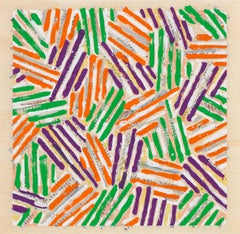
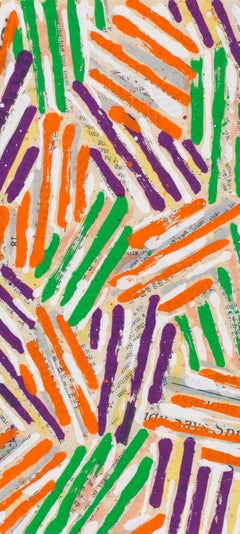
Jasper Johns, Untitled, from Screenprints, 1977

Jasper Johns, Untitled, from Screenprints, 1977

By Jasper Johns

Located in Southampton, NY

This exquisite silkscreen by Jasper Johns (born 1930), titled Untitled, from the album Jasper Johns, Screenprints, 1977, originates from the 1977 edition published by Brooke Alexande...

Category

1970s Abstract Expressionist The Hamptons - Art

Materials

Screen

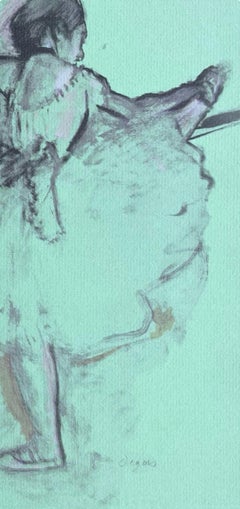
Edgar Degas, Dancer Standing in Profile, 1945 (after)

Edgar Degas, Dancer Standing in Profile, 1945 (after)

By Edgar Degas

Located in Southampton, NY

This exquisite lithograph after Edgar Degas (1834–1917), titled Danseur debout de profil (Dancer Standing in Profile), originates from the 1945 folio Degas, Ten Ballet Sketches. Published by The Studio Publications, Inc., New York, rendered and printed by Albert Carman, City Island, 1945, this work reflects Degas’s sensitive mastery of line, movement, and intimate observation, capturing the grace, poise, and psychological immediacy that define his iconic ballet imagery. In Danseur debout de profil (Dancer Standing in Profile), Degas reveals gesture and inner emotion through economical contour and lyrical nuance. Executed as a lithograph and pochoir on velin paper, this work measures 17 x 13 inches (43.18 x 33.02 cm). Signed in the plate and unnumbered as issued. Rendered and printed by Albert Carman, City Island, one of the notable American ateliers specializing in fine art lithography during the mid-20th century. Artwork Details: Artist: After Edgar Degas (1834–1917) Title: Danseur debout de profil (Dancer Standing in Profile), from Degas, Ten Ballet Sketches, 1945 Medium: Lithograph and pochoir on velin paper Dimensions: 17 x 13 inches (43.18 x 33.02 cm) Inscription: Signed in the plate and unnumbered as issued Date: 1945 Publisher: The Studio Publications, Inc., New York Printer: Albert Carman, City Island, 1945 Condition: Well preserved, consistent with age and medium Provenance: From the 1945 folio Degas, Ten Ballet Sketches, published by The Studio Publications, Inc., New York Notes: Excerpted from the album, Born in Paris in 1834, Edgar Degas lived, and surely loved the life of that city during most of his years. These continued somewhat sadly beyond those of most of his friends— into the debacle of the first World War, during which he died in 1917. Judging by the frequency with which he used them as models, he must have had an especial admiration for the ballet girls who followed a profession that at the time brought none of the glory and prosperity which attend it today. New aspects of the human body, revealed in movement, fascinated him. But his occupation with the simply anatomical side of his subjects never resulted in a cold interpretation. On the contrary there is a warmth and sympathy that pervades all of his work. The drawings here represent the painter in one important phase of his multi-sensitive view of life; and permit an insight which a more ambitious work might not do-into the operation of the creative process, the artist's transformation of reality as it passes through the mesh of his sensibilities. The Edition of this Portfolio is limited to MMMD examples. Rendered by Albert Carman. About the Publication: Degas, Ten Ballet Sketches, published in 1945 by The Studio Publications, Inc., New York, stands as one of the most elegant and scholarly mid-century American fine art folios devoted to the ballet imagery of Edgar Degas. Conceived as a high-quality interpretive portfolio, the album presents a series of lithograph-and-pochoir renderings based on Degas’s original drawings, executed with exceptional attention to tonal subtlety, contour fidelity, and the emotional interiority that defines the artist’s draftsmanship. Rendered and printed by Albert Carman on City Island, the publication embodies an American postwar effort to restore and celebrate European masterworks through meticulous handcraft and artisanal color application, honoring Degas’s distinctive line and the atmospheric delicacy of his studio-based studies. Produced in a substantial edition of MMMD examples, the portfolio offered audiences rare access to Degas’s private working drawings—images rarely seen outside institutional collections—while exemplifying the technical refinement and interpretive care characteristic of Carman’s workshop. Today, Degas, Ten Ballet Sketches remains a sought-after historical publication, valued for its craft, fidelity to Degas’s aesthetic, and its role in preserving and disseminating the artist’s intimate ballet imagery in a beautifully executed mid-century fine art format. About the Artist: Edgar Degas (1834–1917) was a French painter, draughtsman, printmaker, and sculptor whose groundbreaking fusion of classical draftsmanship, modern experimentation, and psychological depth helped define the trajectory of Western art, positioning him as one of the most influential figures of the nineteenth and early twentieth centuries; renowned for his depictions of ballet dancers, racehorses, theater scenes, cafe life, domestic interiors, milliners, laundresses, and women at their toilette, Degas reimagined observational realism through radical compositional innovation—employing extreme cropping, asymmetrical framing, oblique viewpoints, and dramatic lighting that anticipated photographic and cinematic language long before these technologies shaped visual culture, and although associated with Impressionism, he rejected plein-air spontaneity in favor of studio-based discipline rooted in the linear precision of Jean-Auguste-Dominique Ingres, the expressive chromaticism of Eugene Delacroix, and the modernity of Edouard Manet while also drawing inspiration from Japanese ukiyo-e prints, classical sculpture, and early photography; his independent artistic philosophy resonated with and helped shape the innovations of Pablo Picasso, Alexander Calder, Alberto Giacometti, Salvador Dali, Joan Miro, Wassily Kandinsky, Marcel Duchamp, and Man Ray, whose explorations of movement, form, dream logic, abstraction, and conceptualism all find antecedents in Degas’s investigations into seriality, temporality, and the fragmented figure, and his pioneering use of pastel, monotype, and wax sculpture fundamentally transformed each medium, influencing artists from Henri Matisse, Francis Bacon, Lucian Freud, and Giacomo Manzu to Paula Rego, contemporary realists, experimental photographers, and choreographers; his works are held in nearly every major museum collection worldwide—including the Musee dOrsay, the Louvre, the Metropolitan Museum of Art, the National Gallery of Art, the Art Institute of Chicago, the Courtauld Institute, and the National Gallery, London—affirming his central place in the history of art, and the highest auction record for Degas was achieved at Sothebys London on February 3, 2015, when Danseuses en Bleu sold for 37,033,000 GBP, cementing his status as one of the most sought-after and enduringly significant artists of the Western canon. Edgar Degas lithograph...
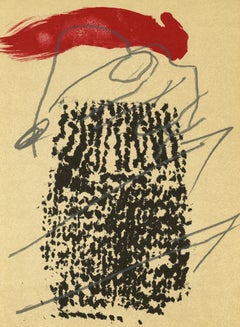
Category

1940s Impressionist The Hamptons - Art

Materials

Lithograph

Joan Miro, Italy, from Miro as Sculptor, 1974

Joan Miro, Italy, from Miro as Sculptor, 1974

By Joan Miró

Located in Southampton, NY

This exquisite lithograph by Joan Miro (1893–1983), titled Italy, from Miro escultor (Miro as Sculptor), originates from the 1974 edition published by Grafica Contemporanea, Milan, a...

Category

1970s Surrealist The Hamptons - Art

Materials

Lithograph

Andrew Wyeth, May Day, from The Four Seasons (after)

Andrew Wyeth, May Day, from The Four Seasons (after)

By Andrew Wyeth

Located in Southampton, NY

This exquisite lithograph after Andrew Wyeth (1917–2009), titled May Day, originates from the distinguished 1962 folio The Four Seasons: Paintings and Drawings by Andrew Wyeth. Published and printed by Art in America Company, Inc., New York, the edition embodies Wyeth’s lyrical study of springtime renewal and human connection to the land. May Day captures a tender seasonal moment—nature reawakening beneath soft light—rendered with Wyeth’s quiet precision and emotional restraint that elevate the ordinary into the timeless. Executed on velin paper, this lithograph measures 17 x 13 inches (43.2 x 33 cm). As issued, it is unsigned and unnumbered, representing the folio’s authentic format. The Four Seasons series was conceived by the editors of Art in America in collaboration with Andrew and Betsy Wyeth, who selected drawings from the artist’s studio and private collection to express the cyclical harmony between nature and spirit. Each image reflects Wyeth’s devotion to atmosphere and the fragile poetry of the passing year. Artwork Details: Artist: After Andrew Wyeth (1917–2009) Title: May Day, from The Four Seasons, Paintings and Drawings by Andrew Wyeth, 1962 Medium: Lithograph on velin paper Dimensions: 17 x 13 inches (43.2 x 33 cm) Inscription: Unsigned and unnumbered, as issued Date: 1962 Publisher: Art in America Company, Inc., New York Printer: Art in America Company, Inc., New York Condition: Well preserved, consistent with age and medium Provenance: From the 1962 folio The Four Seasons, Paintings and Drawings by Andrew Wyeth, published and printed by Art in America Company, Inc., New York Notes: Excerpted from the 1962 folio: "In 1962 the editors of Art in America proposed to Wyeth a portfolio of images of his recent dry-brush drawings. The artist and his wife suggested the theme, 'The Four Seasons,' because of the essential role played in his work by the cycle of the seasons. The drawings were selected by Andrew and Betsy Wyeth from works in the house and studio at Chadds Ford, supplemented by some owned by friends. With a few exceptions they had never been exhibited or reproduced. The plates were made directly from the originals. In these drawings Wyeth's loving concentration on the object is fully revealed. But as always in his work, this concern with the tangible is balanced by sensibility to mood, to the emotion arising from the actual. They are pervaded with a sense of the season—the exact time of year, the hour of the day, the quality of the light. To the truth and subtlety with which he captures these intangible factors, these drawings owe their poignant poetry." About the Artist: Andrew Wyeth (1917–2009) was an American visual artist and one of the best-known painters of the mid-20th century. Although he considered himself an abstractionist, Wyeth’s work is characterized by a meticulous realism imbued with psychological depth and atmosphere. He often painted the landscapes and people surrounding his homes in Chadds Ford, Pennsylvania, and Cushing, Maine, creating an intimate record of American rural life. The son of the celebrated illustrator N. C. Wyeth, Andrew trained under his father before developing his own deeply personal visual language inspired by Winslow Homer, Henry David Thoreau, and King Vidor. His wife, Betsy Wyeth, was both his muse and career manager, while his son Jamie Wyeth continued the family’s artistic legacy. Among Wyeth’s best-known works is Christina’s World (1948), housed in the Museum of Modern Art, New York—a quintessential image of 20th-century American art. His other notable series include The Helga Pictures and his window studies, each reflecting a profound meditation on solitude, memory, and perception. Wyeth was the first painter to receive both the Presidential Medal of Freedom and the Congressional Gold Medal, and was elected to the French Académie des Beaux-Arts in 1980. In 2022, Andrew Wyeth's painting Day Dream sold for USD 23.29 million at Christie’s New York, setting a world record for the artist. Andrew Wyeth lithograph...

Category

1960s American Realist The Hamptons - Art

Materials

Lithograph

Andrew Wyeth, New Leaves, from The Four Seasons (after)

Andrew Wyeth, New Leaves, from The Four Seasons (after)

By Andrew Wyeth

Located in Southampton, NY

This exquisite lithograph after Andrew Wyeth (1917–2009), titled New Leaves, originates from the distinguished 1962 folio The Four Seasons: Paintings and Drawings by Andrew Wyeth. Published and printed by Art in America Company, Inc., New York, the edition exemplifies Wyeth’s quiet observation of nature and the passage of time. New Leaves captures the delicate stir of spring renewal—the subtle emergence of life in the landscape—rendered with Wyeth’s hallmark balance of precision, restraint, and emotional depth. Executed on velin paper, this lithograph measures 17 x 13 inches (43.2 x 33 cm). As issued, it is unsigned and unnumbered, representing the folio’s authentic format. The Four Seasons series was conceived by the editors of Art in America in collaboration with Andrew and Betsy Wyeth, who selected drawings from the artist’s studio and personal archive to embody the poetic rhythm of the changing seasons. Each composition reveals Wyeth’s mastery of atmosphere, mood, and the quiet intensity of natural experience. Artwork Details: Artist: After Andrew Wyeth (1917–2009) Title: New Leaves, from The Four Seasons, Paintings and Drawings by Andrew Wyeth, 1962 Medium: Lithograph on velin paper Dimensions: 17 x 13 inches (43.2 x 33 cm) Inscription: Unsigned and unnumbered, as issued Date: 1962 Publisher: Art in America Company, Inc., New York Printer: Art in America Company, Inc., New York Condition: Well preserved, consistent with age and medium Provenance: From the 1962 folio The Four Seasons, Paintings and Drawings by Andrew Wyeth, published and printed by Art in America Company, Inc., New York Notes: Excerpted from the 1962 folio: "In 1962 the editors of Art in America proposed to Wyeth a portfolio of images of his recent dry-brush drawings. The artist and his wife suggested the theme, 'The Four Seasons,' because of the essential role played in his work by the cycle of the seasons. The drawings were selected by Andrew and Betsy Wyeth from works in the house and studio at Chadds Ford, supplemented by some owned by friends. With a few exceptions they had never been exhibited or reproduced. The plates were made directly from the originals. In these drawings Wyeth's loving concentration on the object is fully revealed. But as always in his work, this concern with the tangible is balanced by sensibility to mood, to the emotion arising from the actual. They are pervaded with a sense of the season—the exact time of year, the hour of the day, the quality of the light. To the truth and subtlety with which he captures these intangible factors, these drawings owe their poignant poetry." About the Artist: Andrew Wyeth (1917–2009) was an American visual artist and one of the best-known painters of the mid-20th century. Although he considered himself an abstractionist, Wyeth’s work is characterized by a meticulous realism imbued with psychological depth and atmosphere. He often painted the landscapes and people surrounding his homes in Chadds Ford, Pennsylvania, and Cushing, Maine, creating an intimate record of American rural life. The son of the celebrated illustrator N. C. Wyeth, Andrew trained under his father before developing his own deeply personal visual language inspired by Winslow Homer, Henry David Thoreau, and King Vidor. His wife, Betsy Wyeth, was both his muse and career manager, while his son Jamie Wyeth continued the family’s artistic legacy. Among Wyeth’s best-known works is Christina’s World (1948), housed in the Museum of Modern Art, New York—a quintessential image of 20th-century American art. His other notable series include The Helga Pictures and his window studies, each reflecting a profound meditation on solitude, memory, and perception. Wyeth was the first painter to receive both the Presidential Medal of Freedom and the Congressional Gold Medal, and was elected to the French Académie des Beaux-Arts in 1980. In 2022, Andrew Wyeth's painting Day Dream sold for USD 23.29 million at Christie’s New York, setting a world record for the artist. Andrew Wyeth lithograph...

Category

1960s American Realist The Hamptons - Art

Materials

Lithograph