By Terence La Noue
Located in Lake Worth Beach, FL
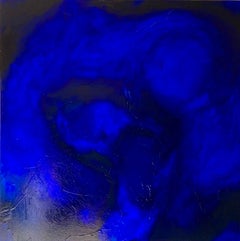
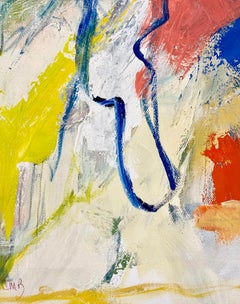
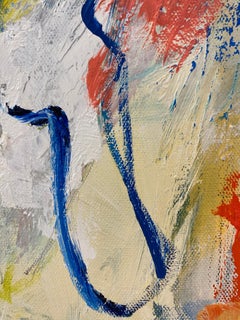
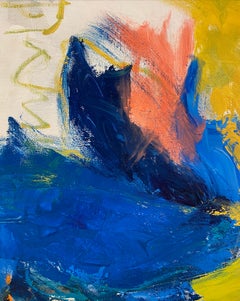
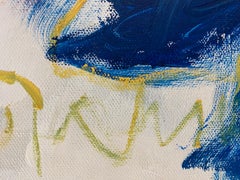
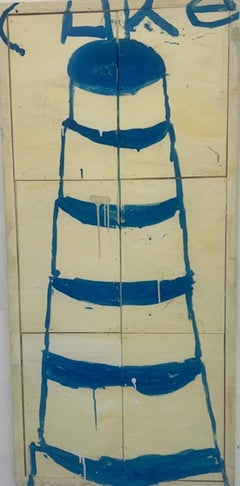
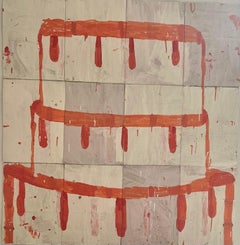
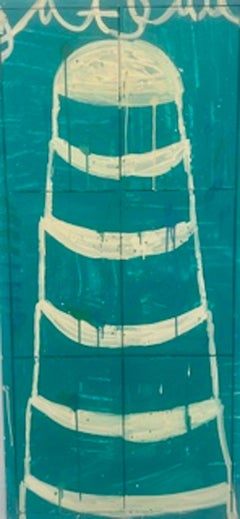
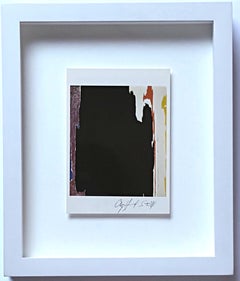
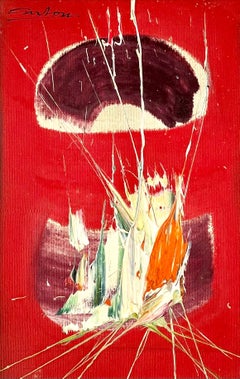
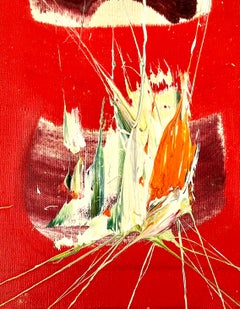
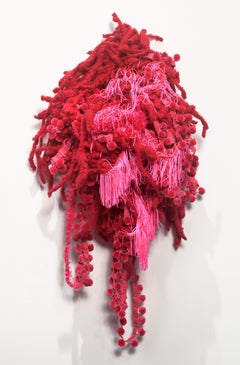
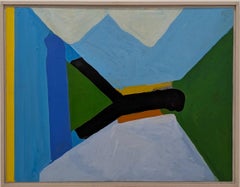
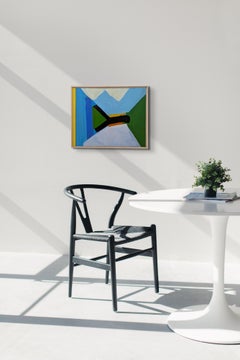
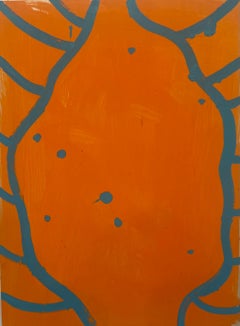
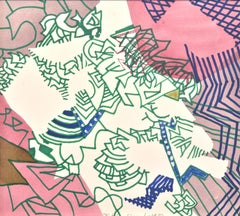
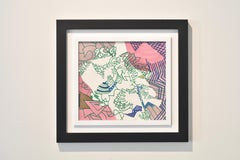
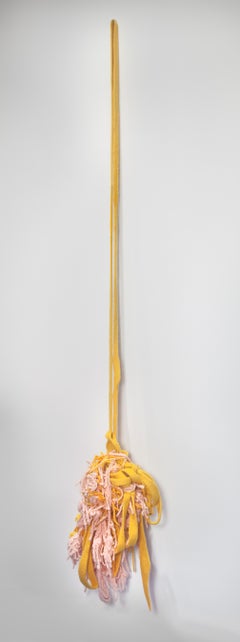
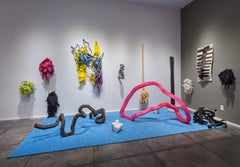
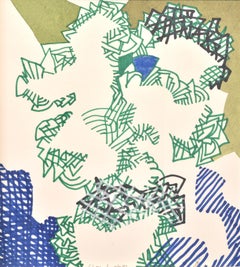
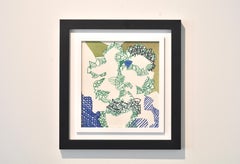
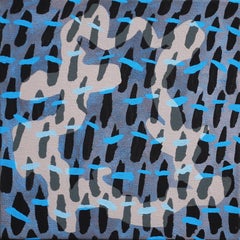
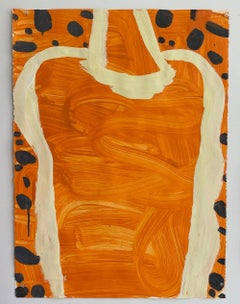
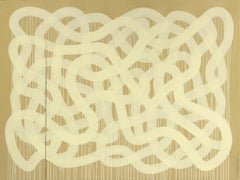
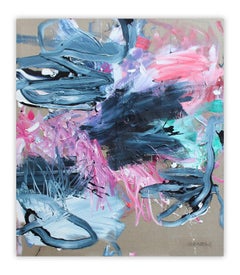
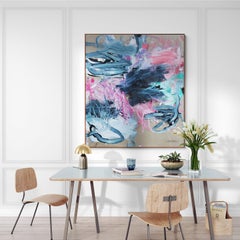
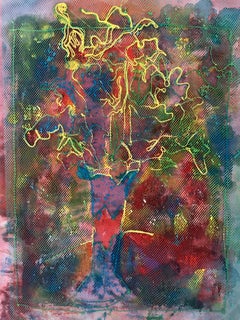
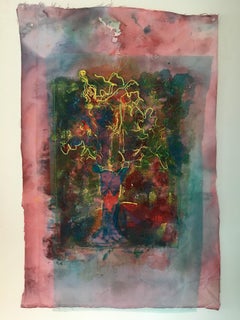
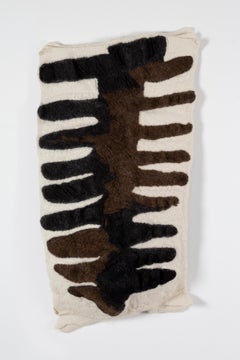
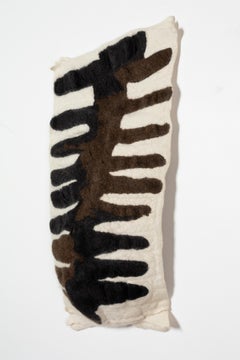
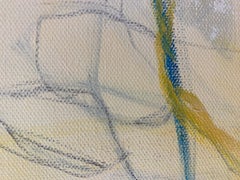
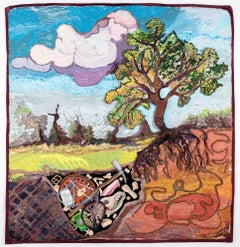
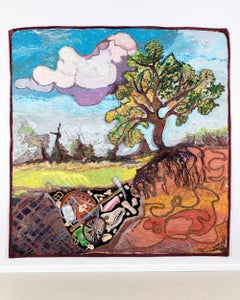
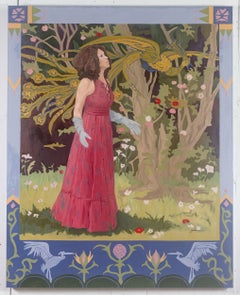
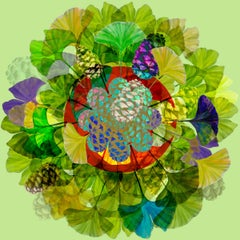
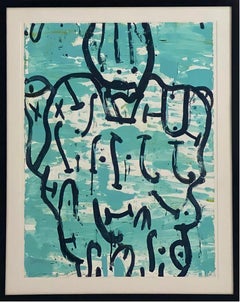
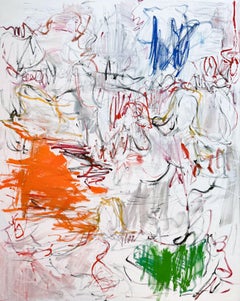
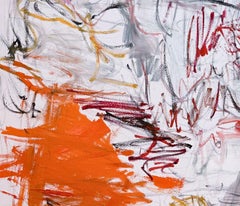
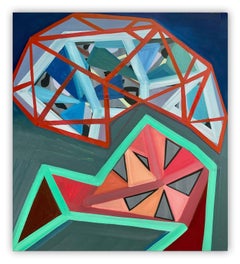
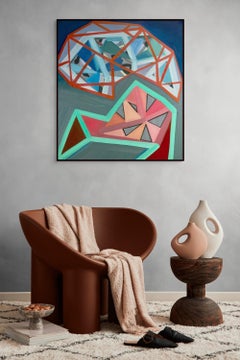
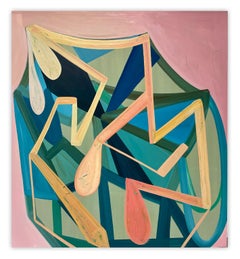
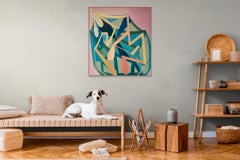
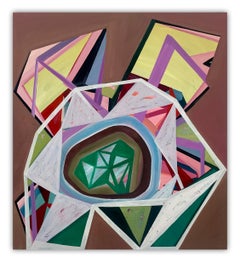
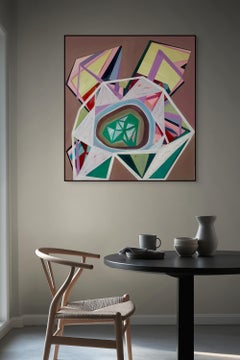
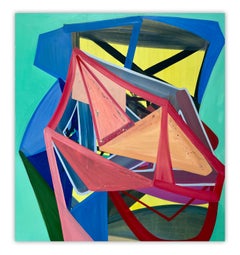
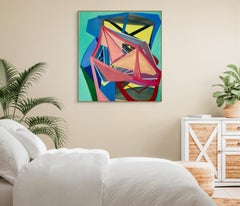
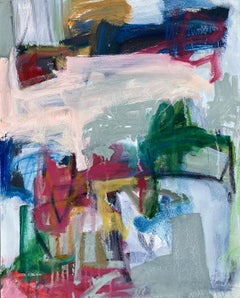
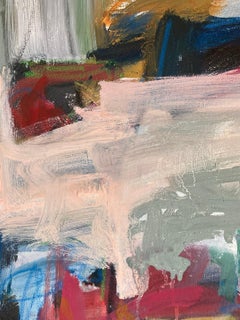
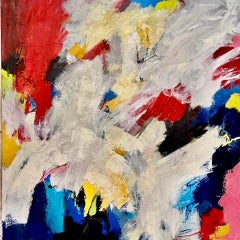
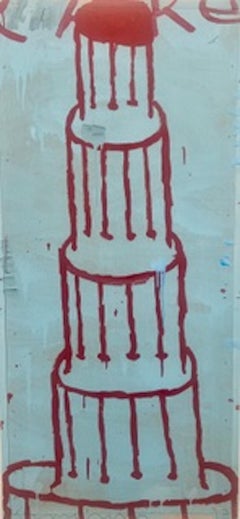
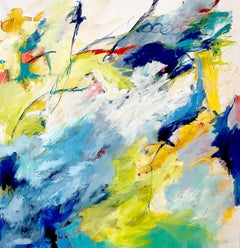
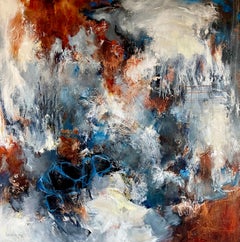
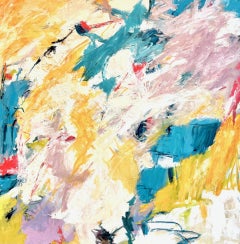
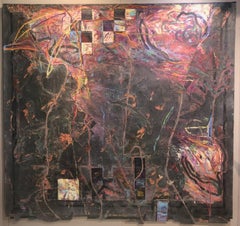
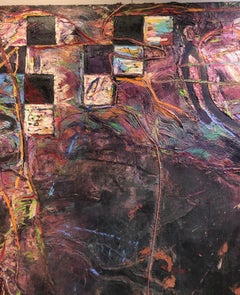
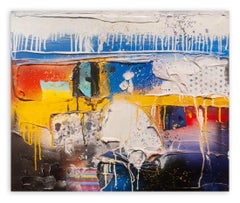
Winter Killed Five Paths, 1983
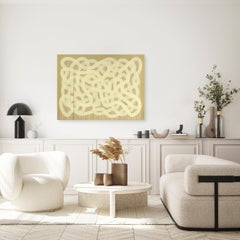
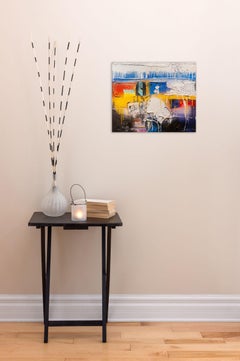
Mixed Media Abstract, signed and title on revers. No frame needed for this work at the top is attached to plank of wood and ready to be hang, it will be rolled up for shipping.
Terence La Noue was born in Hammond, Indiana in 1941. He received a Bachelor of Fine Arts from Ohio Wesleyan University in 1964. After going to Berlin as a Fulbright Meister Student at Hochscule fur Bildende Kunste in 1964-65 he went on to receive a Master of Fine Arts degree from Cornell University. In addition to the Fulbright Foundation fellowship, La Noue has twice received grants from the National Endowment for the Arts and the Guggenheim Foundation. He has had extensive teaching experience at Trinity College 1967-72, the City University of New York 1972-85 and at New York University in 1987. He lives between Arizona, Paris, France and Vermont. Terence La Noue, who has created powerful, compelling paintings for the last four decades, is considered one of the outstanding talents of 20th century American abstract art. Layering canvas, fabric, gauze, acrylic paint and cast elements forming a lively melding of many different materials, symbols and colors to create tapestry-like paintings, he conjures up colorfully rich abstractions that reveal a sense of myth, magic and mystery. His extensive world travels serve as inspiration for works that are abstract mixtures of Western and non-Western traditions and histories. India, South America, Morocco, Mexico and Nepal have been favorite destinations.
Terence La Noue’s unique approach to painting and printmaking has achieved worldwide recognition. Beginning in Berlin in 1965 he has had over a hundred and thirty acclaimed solo exhibitions in London, Paris, Tehran, Stockholm, Hamburg, Dusseldorf, Cologne, New York, Washington, DC, Los Angeles, Houston, Chicago, Palm Beach, Dallas, Atlanta, Tucson and Scottsdale.
His work is represented in the permanent collections of major museums including:
The Museum of Modern Art in New York,
The Metropolitan Museum of Art,
The Whitney Museum of Art,
The Corcoran Gallery,
The Guggenheim Museum,
The Brooklyn Museum, Brooklyn, New York,
The Tate Modern in London in Japan, Singapore, France and Australia including the Center for Contemporary Art, Kitakyushu, Japan, the Power Institute of Fine Arts, Sydney, Australia,
The Musee d'Art et Archeologie, Paris, France.
Walker Art Center, Minneapolis, Minnesota, United States Carnegie Institute, Pittsburgh, Pennsylvania, United States Corcoran Gallery of Art, Washington D.C., United States Albright-Knox Art Gallery, Buffalo, New York, United States National Gallery of Australia, Sidney, Australia
Addison Gallery of American Art,
Phillips Academy, Andover, Massachusetts
United States Embassy, Beijing, China
His work is also included in numerous university and city art museums throughout the US as well as major corporate collections.
Terence la Noue worked extensively at Tyler Graphics from 1987 to 1993 and is represented in the National Gallery’s Kenneth Tyler Collection by a large body of work made in 1987 and 1991. La Noue’s work is characterized by an intensive layering process, which was well accommodated by the Tyler workshop. The artist found that through collaboration with Ken Tyler...
Category
1980s Abstract Abstract Paintings
MaterialsCanvas, Cord, Acrylic, Mixed Media