Questions & Answers
Our trusted network of 1stDibs sellers answer common questions
Why is it called Dada art?
1 Answer
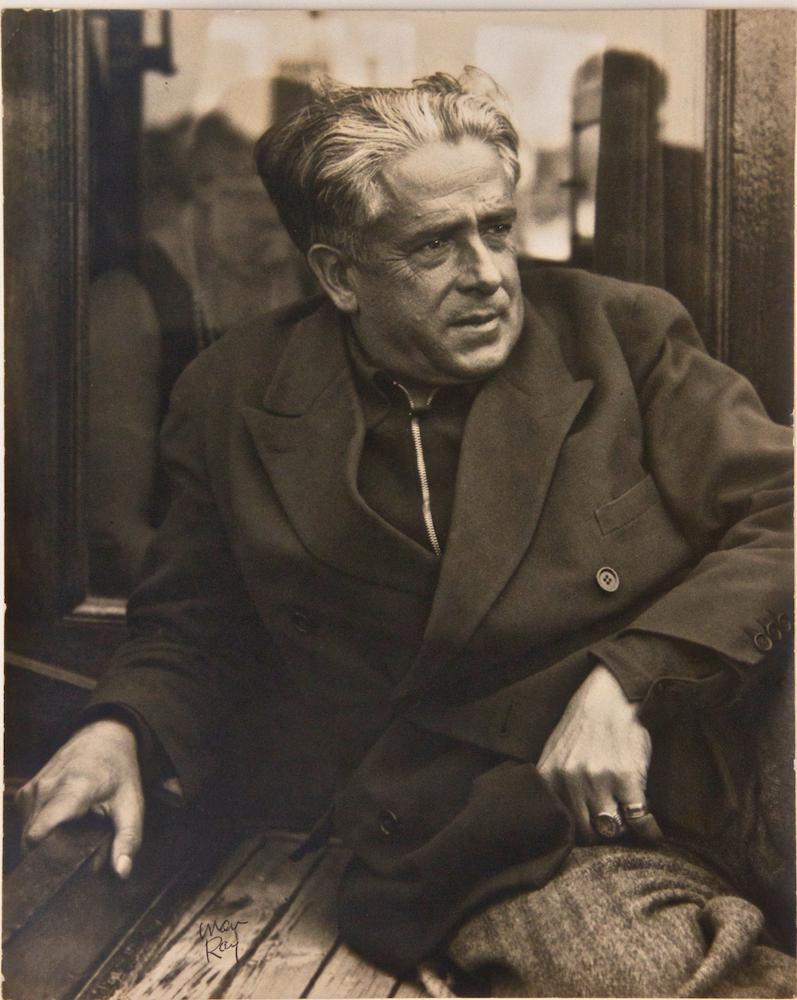
Why it is called Dada art relates to the aim of the artists who worked in the movement. Dadaists sought to challenge the conception of art by producing pieces that defied norms and shocked or surprised their viewers. Dada is the French word for hobby horse. The Dadaists chose it almost at random because they liked the sound of it, and the term had nothing to do with art itself. As a result, it seemed an ideal name for art that challenged the notion of what was and wasn't art. Find an assortment of Dadaist art on 1stDibs.
1stDibs ExpertNovember 13, 2024
Related Questions
- What is African art called?1 Answer
- Why do they call it tramp art?1 Answer
- What is Chinese art called?1 Answer
- Why is it called fine art?1 Answer
- What is the art of bullfighting called?1 Answer
Shop for Dada Art on 1stDibs
Marcel Duchamp - Estate Authorized Bicycle Wheel replica Philadelphia Art Museum
Located in New York, NY
After Marcel Duchamp
Bicycle Wheel replica from the Philadelphia Museum (estate authorized), 2002
Wheel and painted wood. In original box
11 × 6 1/2 × 3 4/5 inches
In original box pr...
Category
Early 2000s Dada Figurative Sculptures
Materials
Metal

Sophie Taeuber-Arp's exhibition at the National Museum of Modern Art in 1964
By Sophie Taeuber-Arp
Located in PARIS, FR
Beautiful poster of Sophie Taeuber-Arp's exhibition at the National Museum of Modern Art in 1964.
Sophie Henriette Gertrud Taeuber-Arp was a Swiss arti...
Category
1960s Dada Prints and Multiples
Materials
Paper, Screen
Marchand de Couleurs
By Man Ray
Located in San Francisco, CA
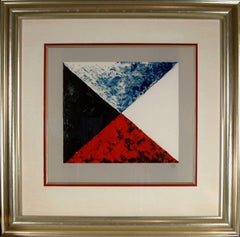
This artwork titled, Marchand de Couleurs, is an original color lithograph on Wove paper by American artist Man Ray, 1890-1976. It is hand signed and inscribed A.P (Artist Proof) in ...
Category
1970s Dada Abstract Prints
Materials
Lithograph
Mythologia Moderna II
By Man Ray
Located in San Francisco, CA
Artist: Man Ray (American, 1890-1976)
Title: Mythologia Moderna II
Year: 1969
Medium: Color lithograph
Edition: numbered 46/175 in pencil
Paper: Arches watermarked
Image siz...
Category
Mid-20th Century Dada Abstract Prints
Materials
Lithograph
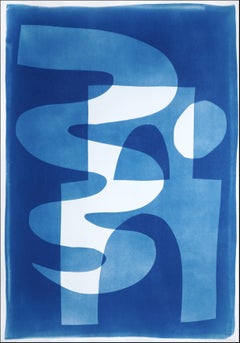
Cloudy Night, Blue & White, Desert Modernism Home, Modern Shapes Cyanotype Paper
By Kind of Cyan
Located in Barcelona, ES
This is an exclusive handprinted unique cyanotype that takes its inspiration from the mid-century modern shapes and the desert modernism movement.
It's made by layering paper cutouts...
Category
2010s Dada Landscape Prints
Materials
Paper, Monotype
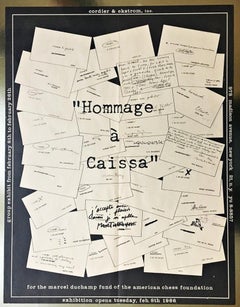
Hommage a Caissa (for the Marcel Duchamp Fund of the American Chess Foundation)
Located in New York, NY
Marcel Duchamp
Hommage a Caissa (for the Marcel Duchamp Fund of the American Chess Foundation), 1966
Silkscreen Poster with Gold Matting
Frame included
Very scarce 1960s collectors i...
Category
1960s Dada Abstract Prints
Materials
Screen