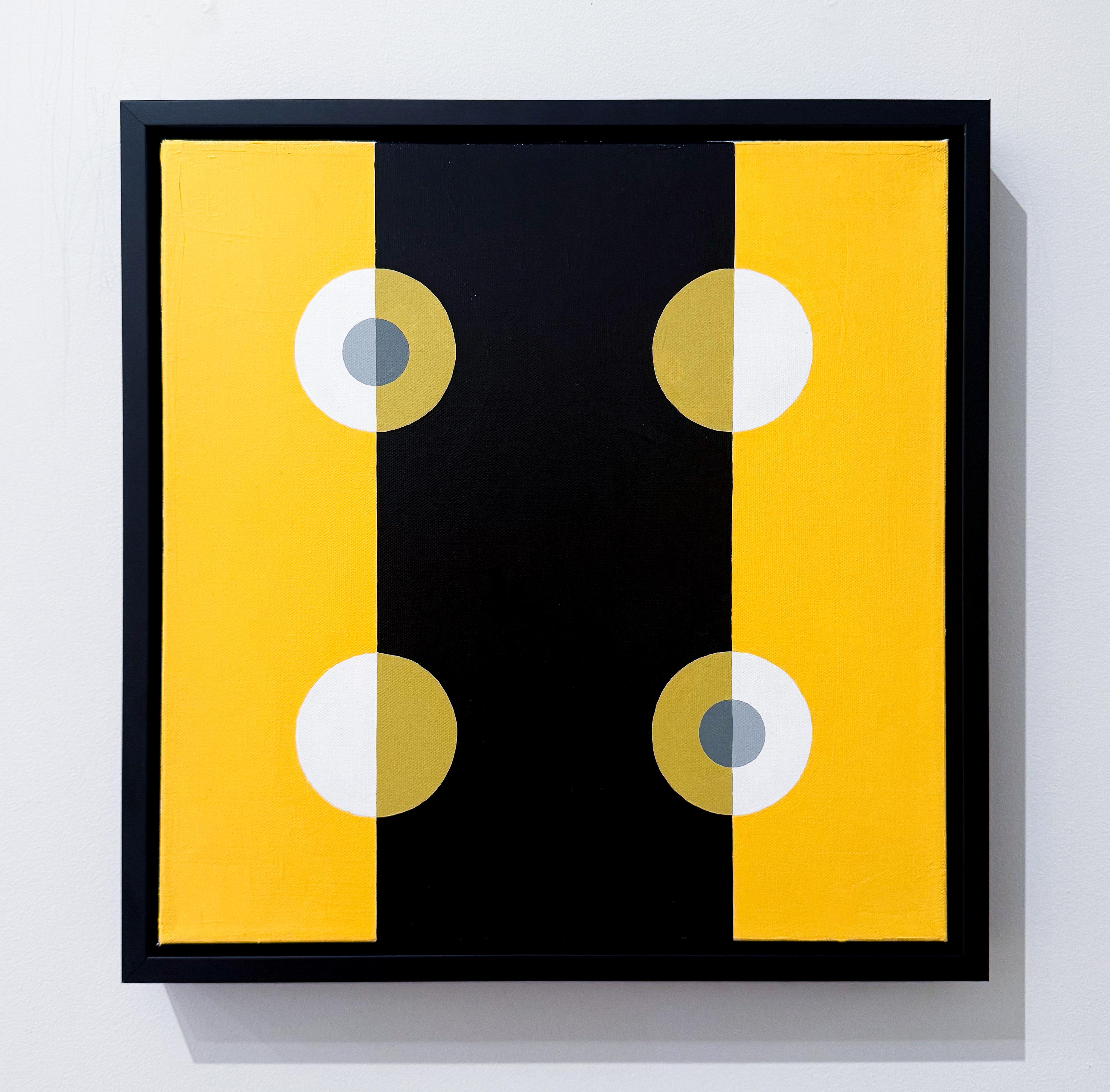
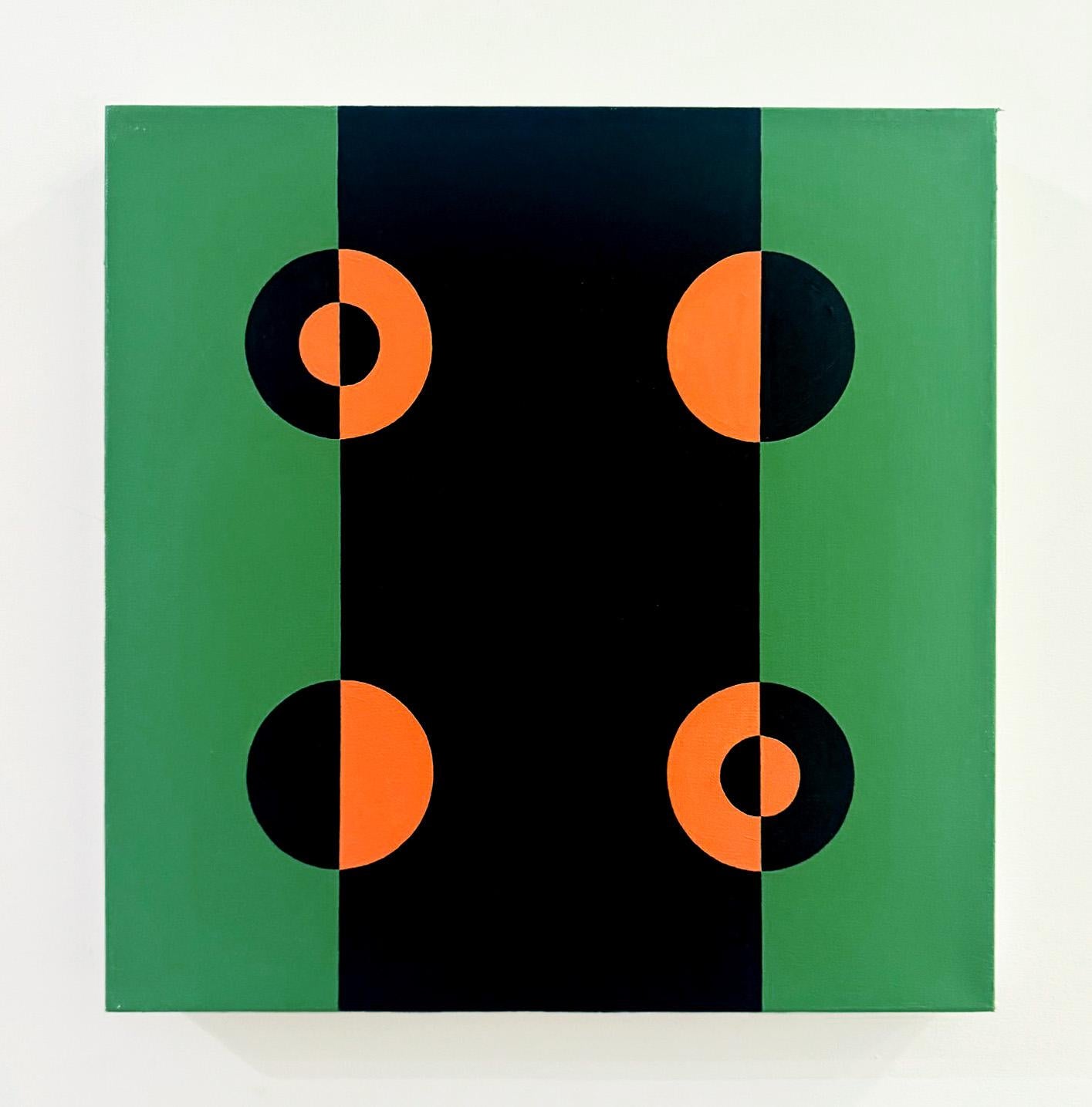
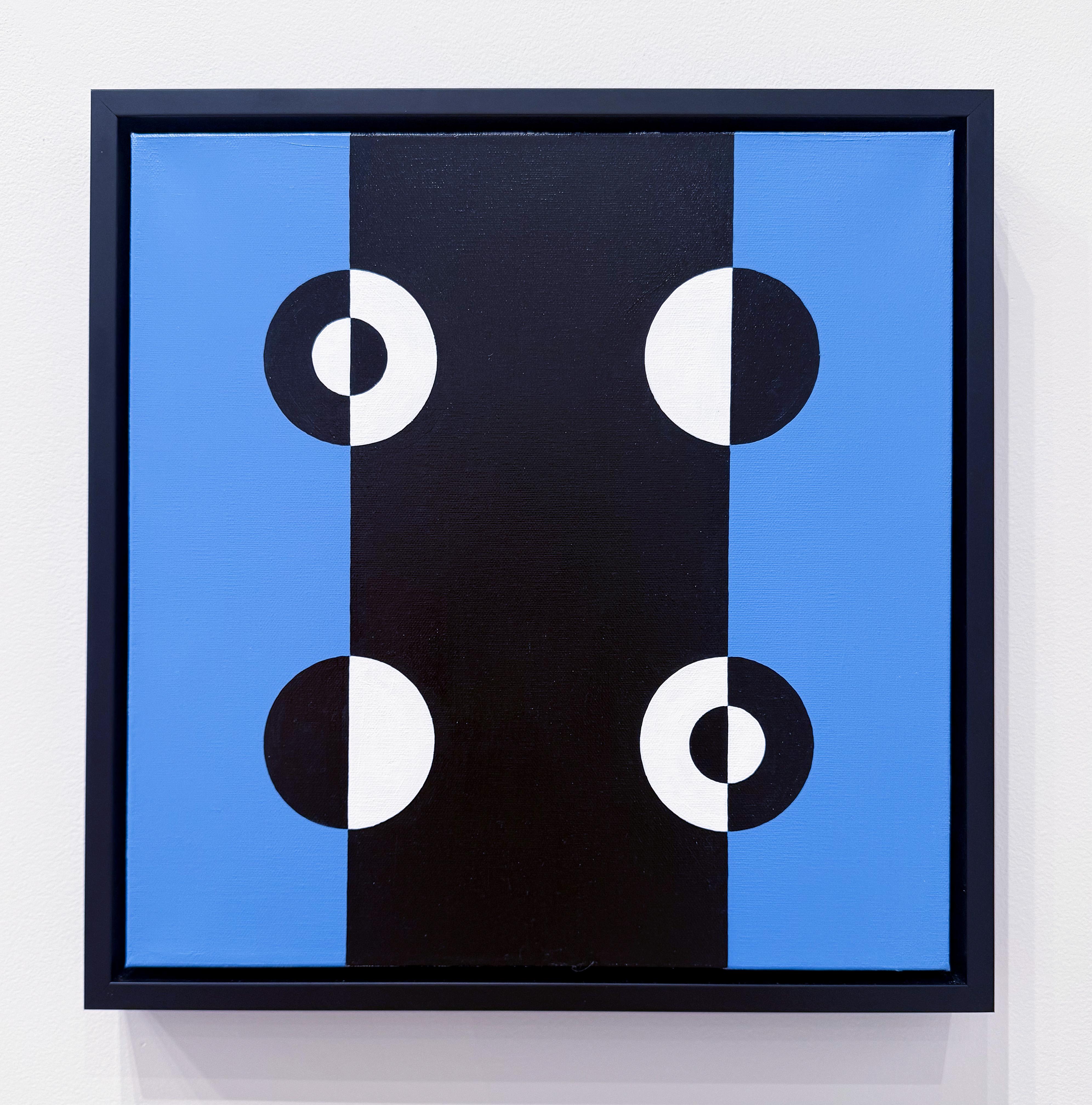
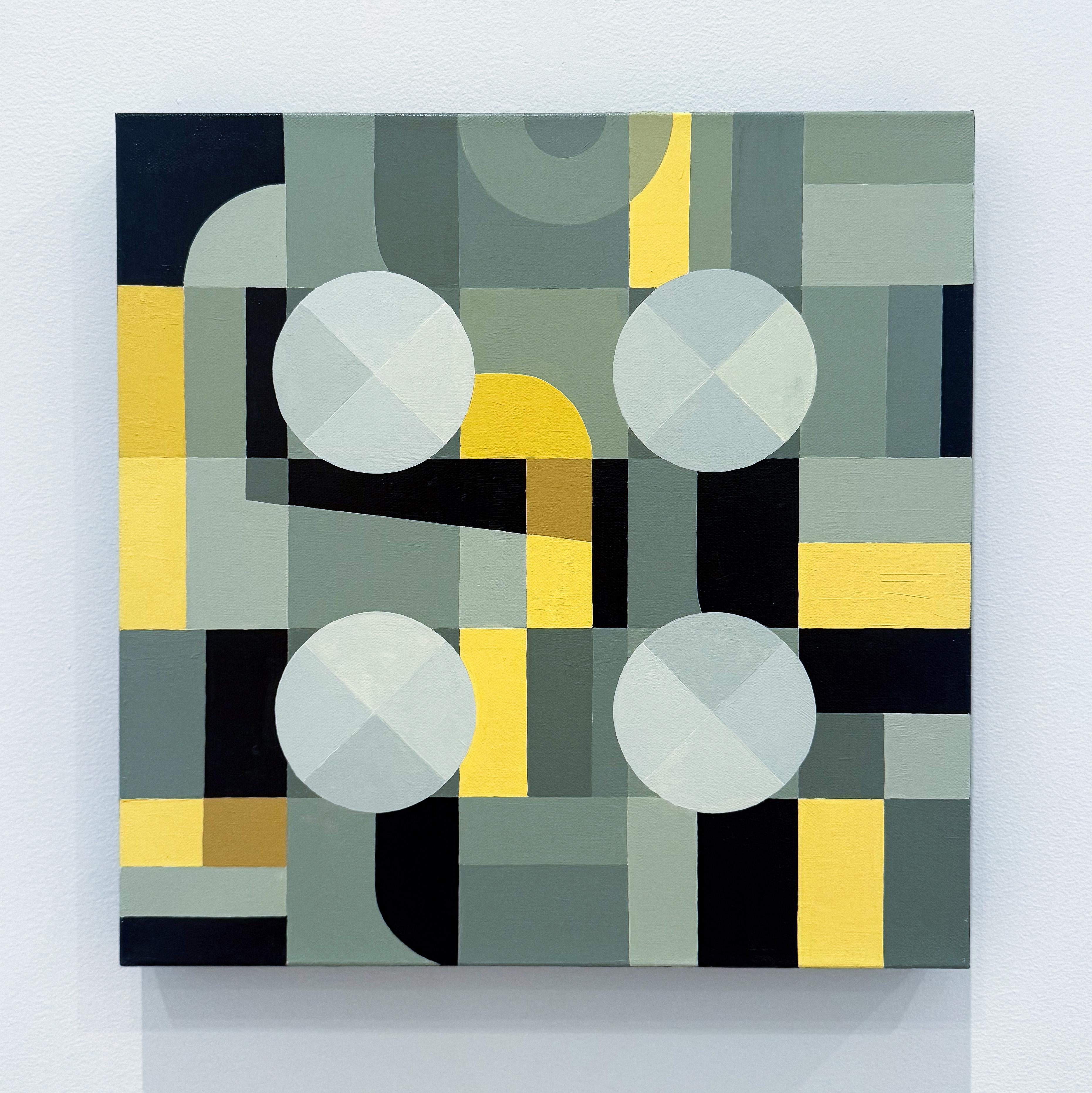
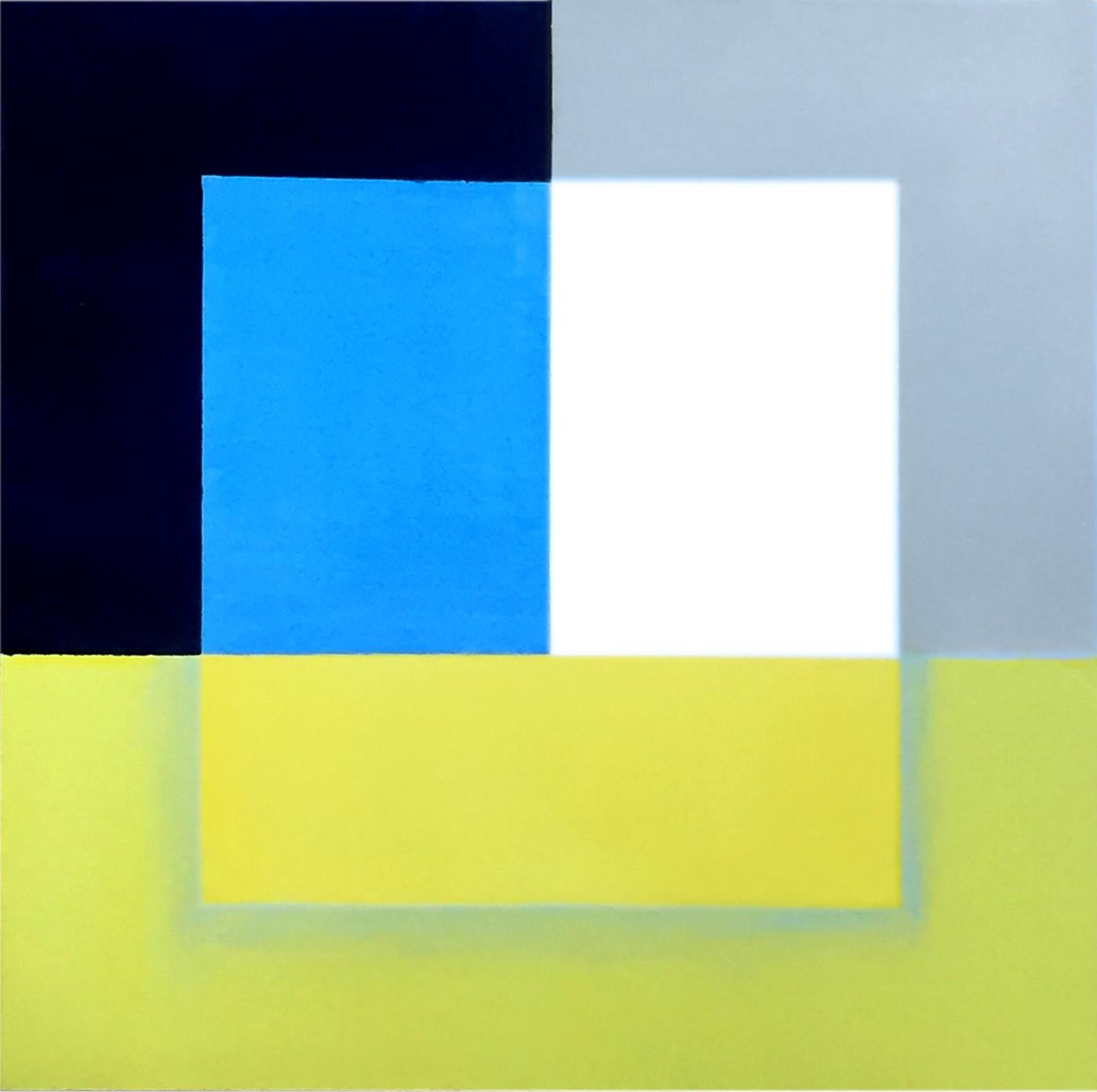
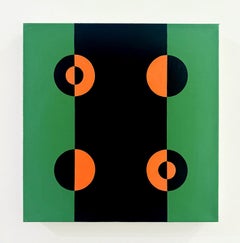
SPLIT 3 Section Study
Located in New York, NY
2025 Acrylic on canvas 16 x 16 in. (40.6 x 40.6 cm) Unique Signed and dated, verso
Category
2010s Abstract Geometric Abstract Paintings
Materials
Canvas, Acrylic
2025
SPLIT 3 Section Study
Located in New York, NY
2025 Acrylic on canvas 16 x 16 in. (40.6 x 40.6 cm) Unique Signed and dated, verso
Canvas, Acrylic
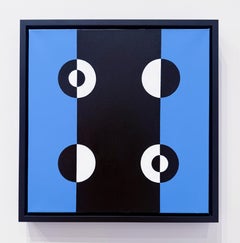
SPLIT 5 Section Study
Located in New York, NY
2025 Acrylic on canvas 16 x 16 in. (40.6 x 40.6 cm) Unique Signed and dated, verso
Canvas, Acrylic
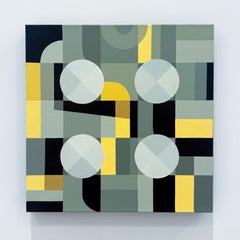
SPLIT 2 Section Study
Located in New York, NY
2025 Acrylic on canvas 16 x 16 in. (40.6 x 40.6 cm) Unique Signed and dated, verso
Canvas, Acrylic
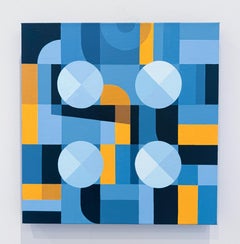
Enigma Study 2
Located in New York, NY
2025 Acrylic on canvas 16 x 16 in. (40.6 x 40.6 cm) Unique Signed and dated, verso
Canvas, Acrylic
Enigma Study 1
Located in New York, NY
2025 Acrylic on canvas 16 x 16 in. (40.6 x 40.6 cm) Unique Signed and dated, verso
Canvas, Acrylic
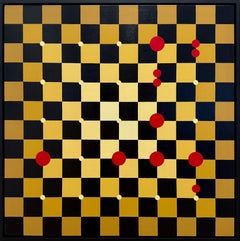
Serendipity
Located in New York, NY
2025 Acrylic on canvas 36 x 36 in. (91.4 x 91.4 cm) Unique Signed and dated, verso
Canvas, Acrylic
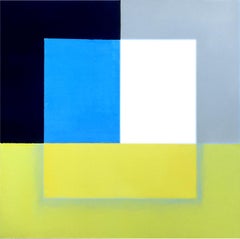
Coincidence, Geometric Abstract Series
By Robert Petrick
Located in Los Angeles, CA
Robert W. Petrick Coincidence Geometric Abstraction East Village NYC, 2022 acrylic on canvas New York, 2nd street studio Colorful geometric abstract ...
Canvas, Acrylic
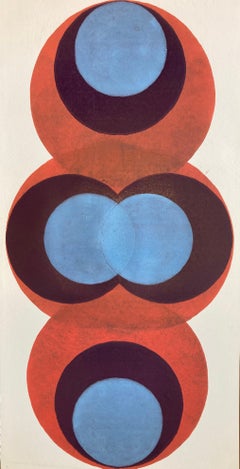
Union II
Located in Crested Butte, CO
When Many Becomes One is a series of new work exploring form and the relationship between the individual and collective. Paulo Wellman has employed vari...
Monoprint
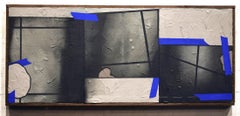
Untitled (Triptych 5) : contemporary abstract work of art
Located in New York, NY
Abstract geometric artwork by a contemporary artist Gerald Wolfe. Gerald Wolfe’s wall pieces have a three-dimensional, architectural feel. The artist’s approach to his paintings is intuitive. He meticulously creates his works step by step, imbuing shapes and lines with energy. The interplay of forms, color, and texture creates tension between flatness and depth. His work can become a unique gift and will be a wonderful addition to any space, be it a living room of a modern home or a lobby of a commercial building. Gerald Wolfe received a Bachelor of Arts degree in history from the University of Maryland in 1972, discovered his interest in art and went on to study fine arts at the School of Visual Arts in New York City. In the summer of 1974, he also studied at Skowhegan School of Painting and Sculpture in Maine. From his first show in 1979, a summer invitational at OK Harris Gallery, Gerald has shown his work on a consistent basis in New York, including such galleries as Denise Bibro Fine Art, NYC, and Kim Foster Gallery, NYC . In addition, he has had solo exhibits at the Paterson Museum in Paterson, New Jersey...
Enamel
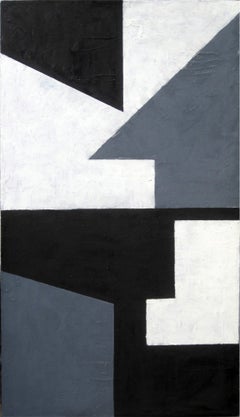
Negative Space #10
By Robert Petrick
Located in Los Angeles, CA
Robert Petrick's paintings create a link between the street culture of the East Village, where he has lived for 31 years, and the power of language, which he has worked with his enti...
Canvas, Acrylic
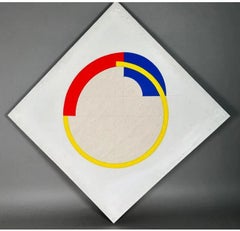
Op Art Hard Edged Abstract Geometric Mod Painting John Pearson
Located in Surfside, FL
John Pearson (American born 1940) "Study for Circus" 1985 Acrylic on canvas painting Hand signed verso, hangs from corner of canvas. Provenance: The New Gallery of Contemporary Art, Cleveland, Ohio. Bearing label verso: Dimensions: 19 x 19 in (it hangs in diamond shape which measures point to point 26.87 X 26.87 inches) Red, White, Blue, and Yellow abstract geometric painting. Circle and ellipse. John Pearson (British, 1940-was born in Yorkshire, England, and studied at the Harrogate School of Art, Yorkshire (National Diploma of Design, 1960), the Royal Academy Schools, London (Certificate, R.A.S 1963), the Akademie der Bildenden Kunst, Munich (1963–64, research fellow), and Northern Illinois University (M.F.A. 1966). He is known for hard edged, mod abstract oil painting on shaped canvas in geometric, curvilinear forms. For many years, Pearson has made paintings and low-relief sculpture, predominantly wall pieces, which use color, form, and various degrees of abstraction to modify the space of entire rooms. With work exhibited nationally and internationally in both solo and group shows, Pearson has also been sought for many site-specific commissions, both public and private. These are typically highly abstract, simplified, and nuanced; they’re often witty, too. Pearson early on became a devotee of the Dutch artist Piet Mondrian, a chief proponent of De Stijl (The Style), Pearson’s style has evolved from intense system-based abstract compositions to one more attuned to the spiritual influences of the natural environment. Pearson’s early style reflects the European reaction to expressionism and artistic emotionalism in the form of a rational, systematic approach to art (often called the “New Tendency”). An heir to the tenets of Constructivism, he investigated color within a predetermined linear or grid system that eliminated options after the artist’s initial choices. He was drawn to Cleveland in 1970 because of its reputation at the time for having a rich environment for abstract art, as two of the chief proponents of Kinetic art and op art, Julian Stanczak and Richard Anuszkeiwicz, worked there. Students of Josef Albers, the grand master of color theory who taught these two primary practitioners of the “Color Function” school of abstract art at Yale in the 1950s. Pearson’s early style reflects a European reaction to abstract expressionism that manifested itself in a rational, systematic approach to art.Since his emergence in 1960s London, John Pearson has been using mathematical systems and computer programs to generate hard-edged geometric compositions. His work is of the same genre as the artists of the Denise Rene Gallery in Paris, similar to Vasarely, Agam, Cruz Diez and Soto. His most recent work, with its circles and ellipses superimposed on patterns of wavy lines, brings a more easygoing approach to his particular breed of rule-based art. Pearson has received grants from the National Endowment for the Arts and the Canada Council, and has had solo exhibitions at institutions including the Akron Art Museum, the Cleveland Center for Contemporary Art, and the Museum of Modern Art in Rijeka, Croatia. Pearson was born in Yorkshire (Britain) and studied art at the Royal Academy Schools in London, did advanced work in Munich (Germany), and earned the M.F.A. (Master of Fine Arts) degree from Northern Illinois University. Before arriving to teach at Oberlin College in 1972, he taught at the University of New Mexico, the Nova Scotia College of Art and Design, and the Cleveland Institute of Art. At Oberlin, he served as the Young-Hunter Professor of Art. John retired from teaching in 2014 but still occasionally works with students and lives in Oberlin where he educated several generations of appreciative liberal arts students. He also served as department chair and held the Young-Hunter endowed professorship from 1987 onward, until his retirement. Pearson travelled widely to paint, exhibit, and teach and received support from the Ohio Arts Council and the National Endowment for the Arts, among others. His career received recognition via the Cleveland Arts Prize in 1975, while most recently he was recognized as a Special Honoree by the same organization. His paintings and sculptures are held in many public and private collections in the U.S., Canada, Europe, China, and Japan, as well as by museums, such as the Allen Art Museum (Oberlin), the Cleveland Museum of Art, the Museum of Modern Art (New York), and the Art Institute of Chicago. Hard-Edged Select Group Exhibitions Abstract, Constructive, Concrete Mondrian huis, Amersfoort, Holland Chronologic Planet Art...
Acrylic, Canvas
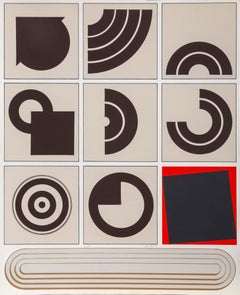
Untitled, Geometric Abstract Screenprint by Lucio del Pezzo
By Lucio Del Pezzo
Located in Long Island City, NY
Artist: Lucio del Pezzo, Italian (1933 - ) Title: untitled Year: 1970 Medium: Screenprint, Signed and numbered in pencil Edition: Epreuve d'Artiste Size: 23.5 x 19 inches
Screen