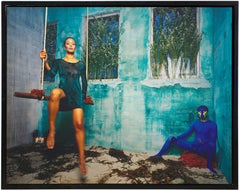
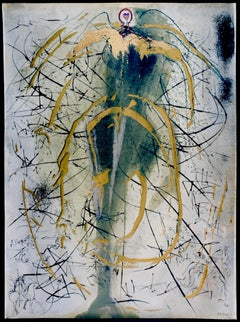
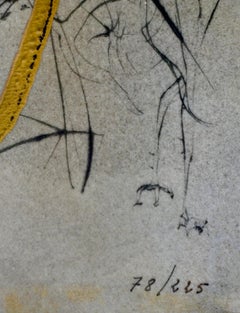
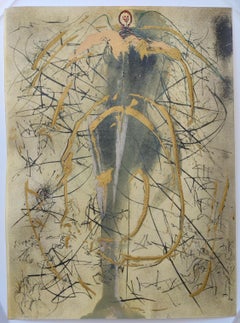
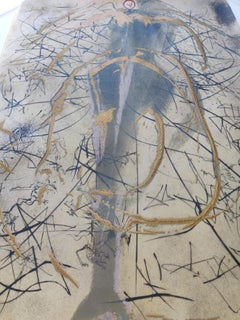
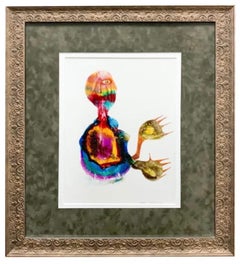
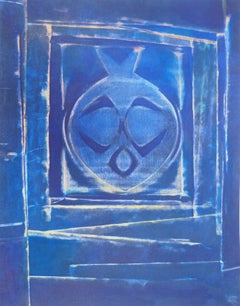
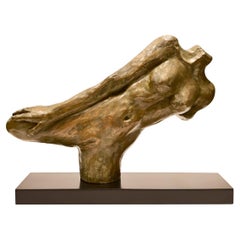
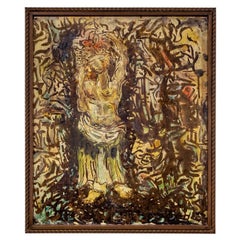
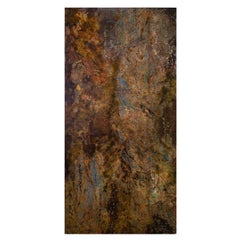
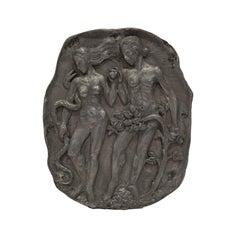
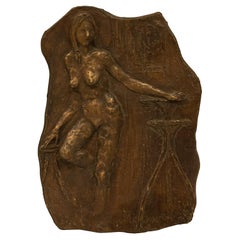
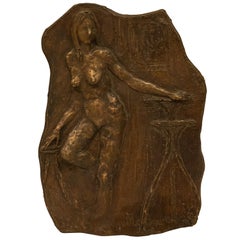
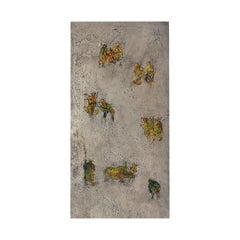
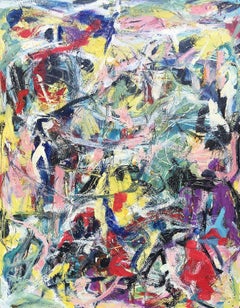
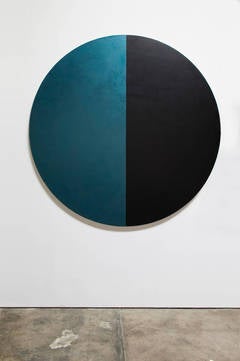
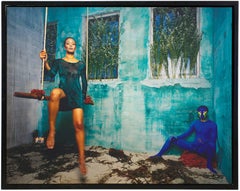
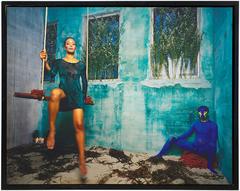
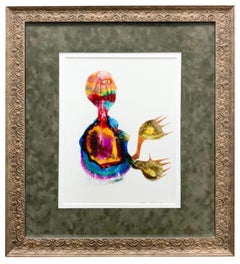
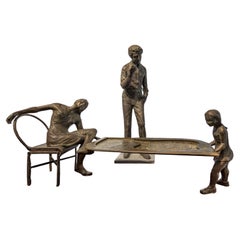
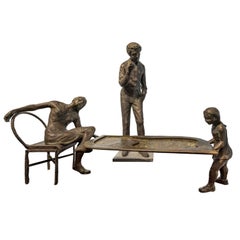
Surely you’ll find the exact piece of vintage alchemy art you’re seeking on 1stDibs — we’ve got a vast assortment for sale. In our selection of items, you can find
contemporary examples as well as a
Pop Art version. Finding the perfect item from our selection of vintage alchemy art may mean sifting through those created during different time periods — you can find an early version that dates to the 20th Century and a newer variation that were made as recently as the 20th Century. On 1stDibs, the right choice in our collection of vintage alchemy art is waiting for you and the choices span a range of colors that includes
beige,
purple,
gray and
brown. Creating an object in our assortment of vintage alchemy art has been a part of the legacy of many artists, but those crafted by
Stefanie Schneider,
Slim Aarons,
Paul Jenkins,
Clayton Anderson and
John Hartell are consistently popular. Frequently made by artists working in
paper,
c print and
polaroid, these artworks are unique and have attracted attention over the years.
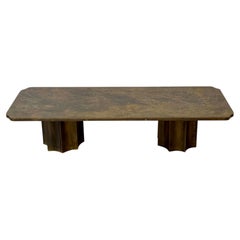
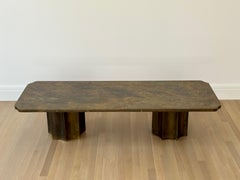
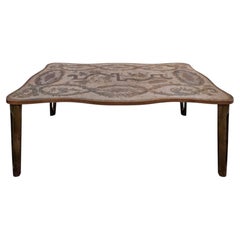
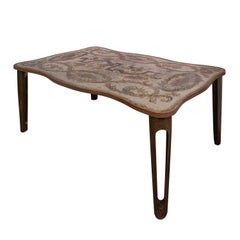
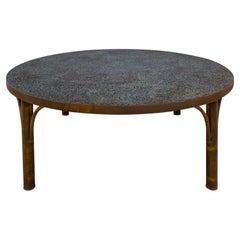
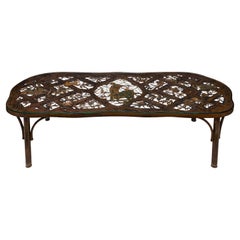
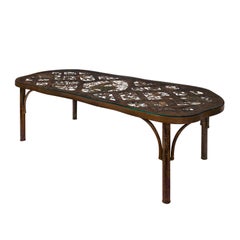
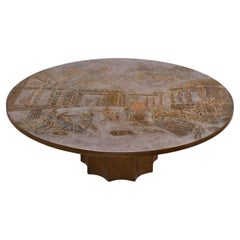
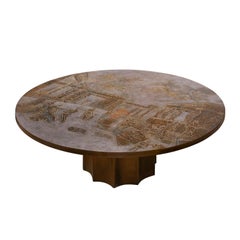
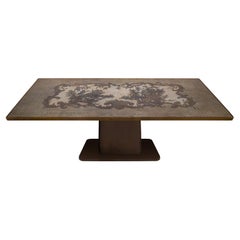
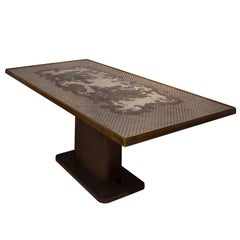
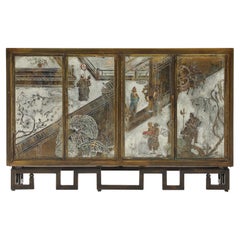
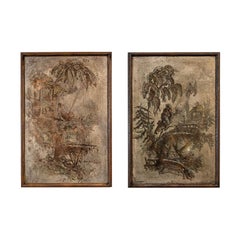
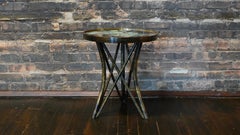
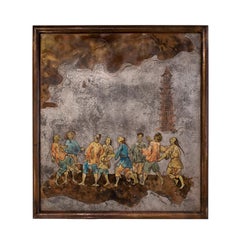
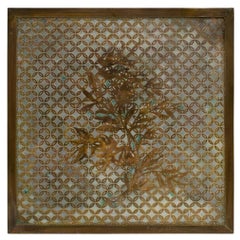
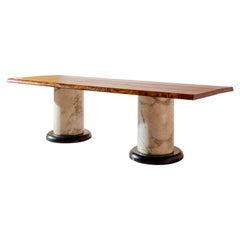
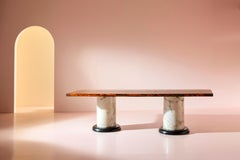
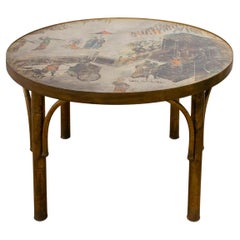
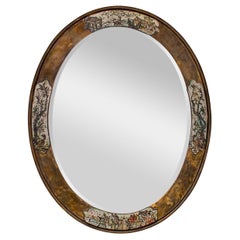
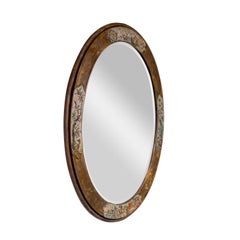
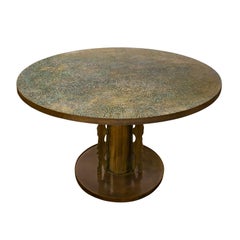
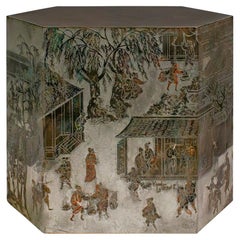
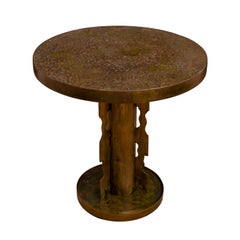
Look closely at any vintage furniture designed by father-son duo Philip and Kelvin LaVerne and a cacophony of stylistic influences reveals itself.
The LaVernes’ position at the intersection of art and design was the result of their combined backgrounds: Philip (1907–87) studied painting with Ashcan School artist John Sloan at the Art Students League of New York, while his son, Kelvin (b. 1937), attended the Parsons School of Design, taking classes in art history, furniture design and metalwork. The resulting merge of stylistic elements and innovative processes make for singular designs that defy categorization, striking a balance between modern and traditional, intricate and minimal, art piece and functional item. Their work was also strikingly different from the modern furniture created by Philip’s brother Erwine and his wife, Estelle, of Laverne Originals.
The LaVernes began producing one-of-a-kind furniture and sculpture in the mid-1950s out of a studio on Wooster Street in New York City before opening a showroom on Manhattan’s East 57th Street. As their 1960s advertisements declared: “It’s not just functional and not just art, it’s an investment.”
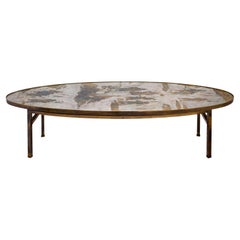
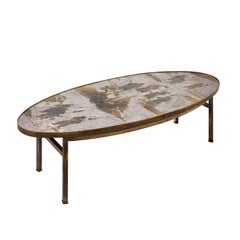
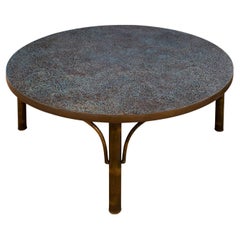
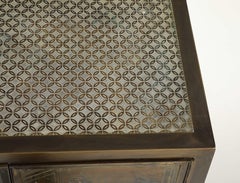
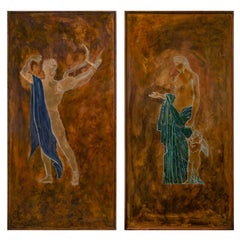
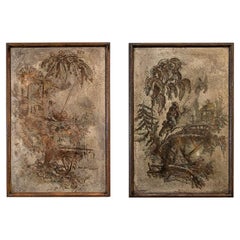
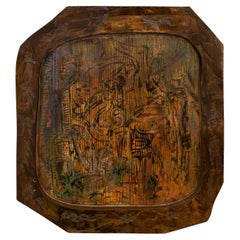
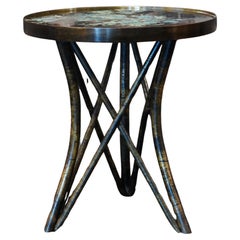
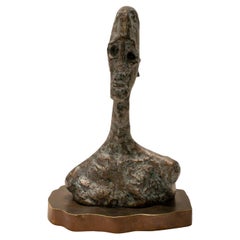
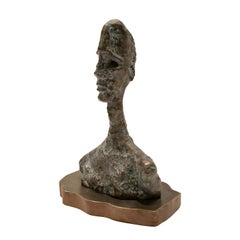
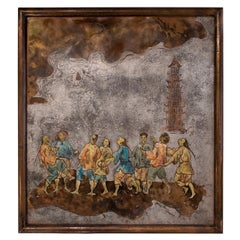
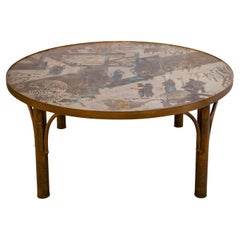
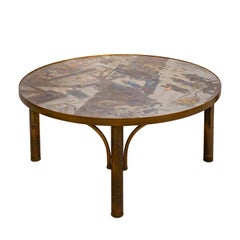
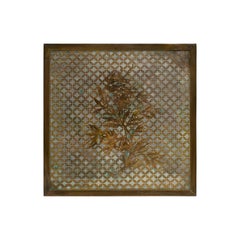
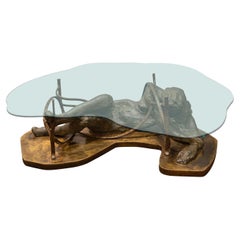
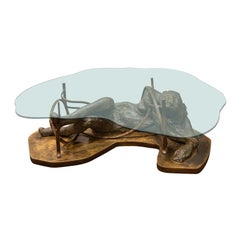
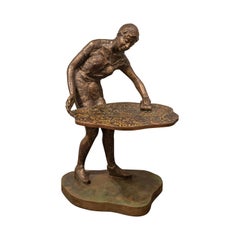
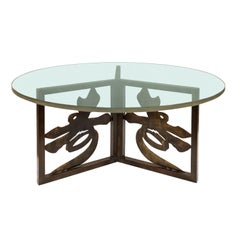
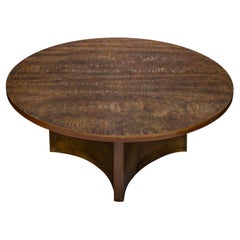
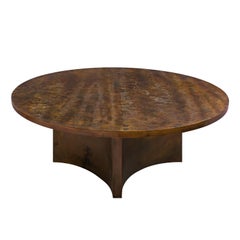
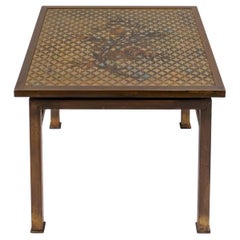
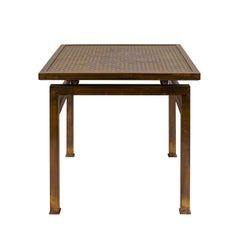
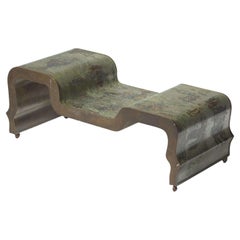
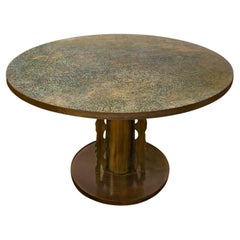
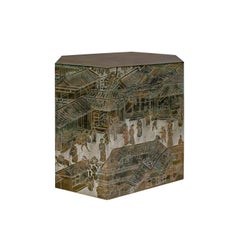
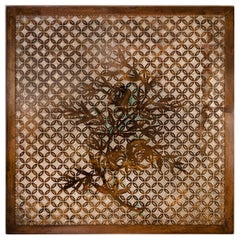
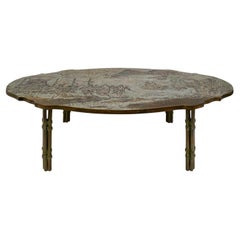
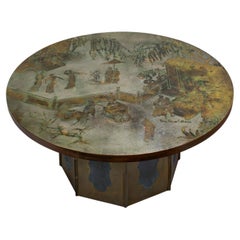
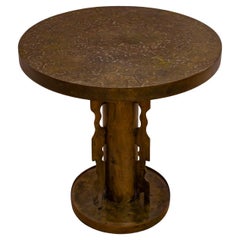
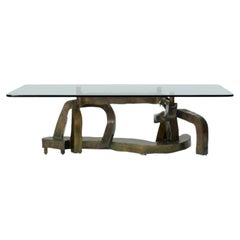
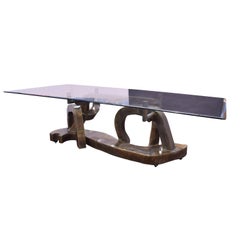
The LaVernes married a stunning array of techniques and styles to achieve their singular, deeply layered look for one-of-a-kind and limited-edition pieces. Chinoiserie motifs abound on many of their acid-etched tables, but art from ancient Greece and Egypt also served as inspiration. The influence of figurative sculptors is evident in designs like coffee tables and side tables with bronze bodies serving as frames or bases; other pieces, meanwhile, have deeply detailed surfaces and strikingly simple silhouettes.
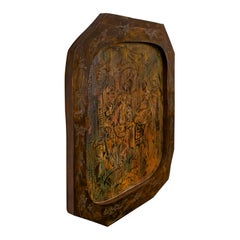
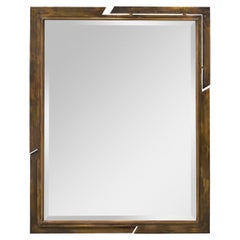
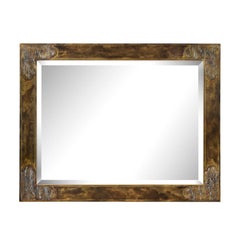
The duo developed their own unconventional methods — sometimes to an extreme — for finishing their pieces: Techniques employed by the LaVernes included acid washing and burying furniture underground in a mixture of soil and chemicals to achieve a desired patina through oxidation. While they sometimes used pewter and silver, bronze was one of their most commonly employed materials, either etched or cast and sometimes paired with glass tops. Their partnership ended when Philip died in 1987 and Kelvin shifted his practice to sculpture.
Find an extraordinary range of vintage Philip and Kelvin LaVerne tables, decorative objects and other furniture on 1stDibs.