Aluminum Metalwork

to
1
1
2
1
2
1
21,389
1,847
631
378
370
1
1
1
1
1
2
2
2
1
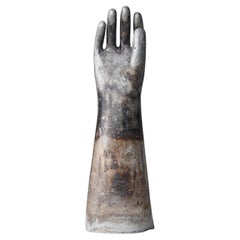
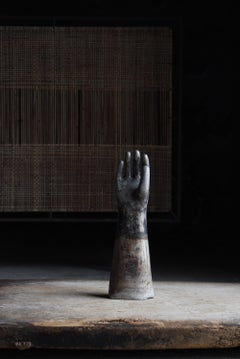
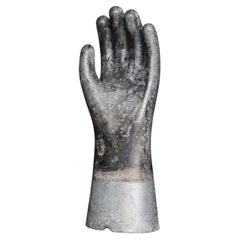
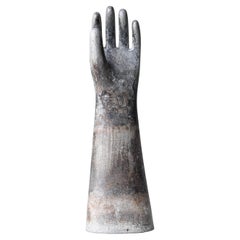
Material: Aluminum
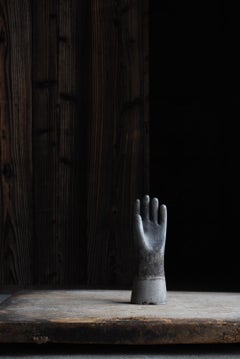
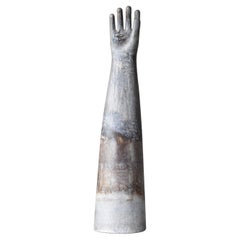
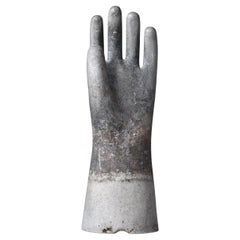
Japanese Old Aluminum Glove Mold 1940s-1960s / Object Wabi Sabi

Japanese Old Aluminum Glove Mold 1940s-1960s / Object Wabi Sabi

Located in Chōsei District Nagara, JP

This is an old rubber glove mold made in Japan. It was made in the Showa period (1940s-1960s), and the material used is aluminum. Although it is a practical item that has been used f...

Category

Mid-20th Century Japanese Showa Aluminum Metalwork

Materials

Aluminum

Related Items
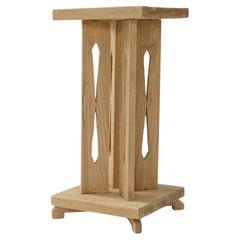
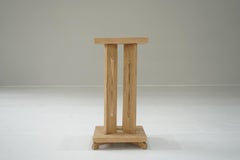
Japanese Antique Ash Wood Display Stand, 1920s–1940s - Japandi Wabi-Sabi

Japanese Antique Ash Wood Display Stand, 1920s–1940s - Japandi Wabi-Sabi

Located in Chiba, Chiba

A Japanese antique display stand crafted from ash wood and dating from the 1920s–1940s. Delicate openwork carved into the legs allows light to pass through softly, giving the piece a...

Category

Early 20th Century Japanese Aluminum Metalwork

Materials

Wood

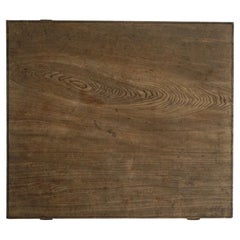
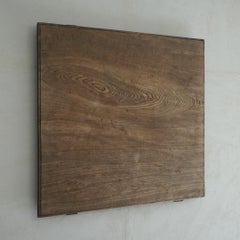
Japanese Antique Zelkova Slab Board, 1940s, Japandi Wabi-Sabi

Japanese Antique Zelkova Slab Board, 1940s, Japandi Wabi-Sabi

Located in Chiba, Chiba

A Japanese antique single-slab board crafted from zelkova and dating to the 1940s. The wood grain is strikingly beautiful—bold, flowing, and expressive—giving the piece a sculptural ...

Category

Mid-20th Century Japanese Showa Aluminum Metalwork

Materials

Wood

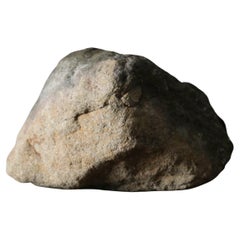
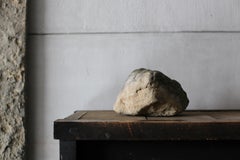
Japanese Stone Object medium / wabi-sabi

Japanese Stone Object medium / wabi-sabi

$480

H 6.3 in W 7.88 in D 9.85 in

Japanese Stone Object medium / wabi-sabi

Located in Sammu-shi, Chiba

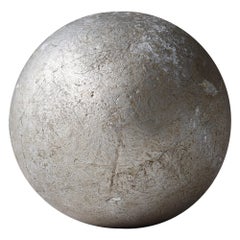
This is an old Japanese stone object. This stone object has a beautiful black and beige gradation. An art object that gives you a sense of wabi-s...

Category

15th Century and Earlier Japanese Japonisme Antique Aluminum Metalwork

Materials

Stone

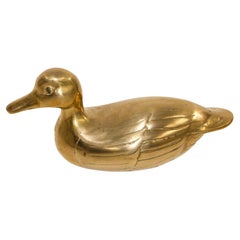
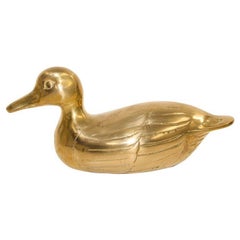
Vintage Large Brass Duck "Decoy" Decorative Sculpture

Vintage Large Brass Duck "Decoy" Decorative Sculpture

Located in Moreno Valley, CA

Vintage Large Brass Duck "Decoy" Decorative Sculpture. Handcrafted decorative vintage collectible brass duck shape sculpture. Beautiful handcrafted large ca...

Category

Mid-20th Century European Folk Art Aluminum Metalwork

Materials

Brass, Copper

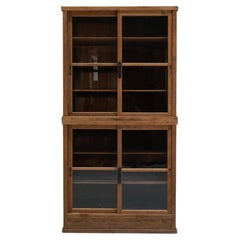
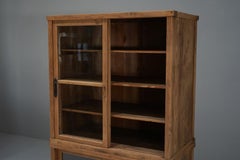
Japanese Antique Japanese Cedar Cabinet, 1920s–1940s - Japandi Wabi-Sabi

Japanese Antique Japanese Cedar Cabinet, 1920s–1940s - Japandi Wabi-Sabi

Located in Chiba, Chiba

A Japanese antique storage and display cabinet crafted entirely from solid Japanese cedar, dating from the 1920s–1940s. Originally used as a merchandise display shelf in a long-estab...

Category

Early 20th Century Japanese Aluminum Metalwork

Materials

Wood

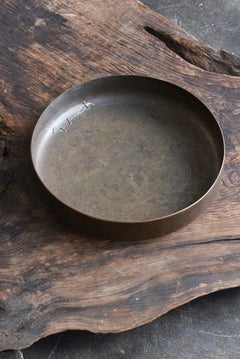
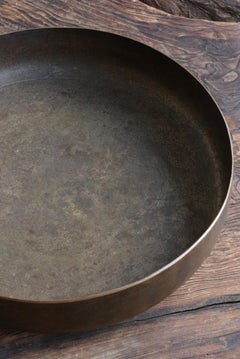
Japanese Antique Copper Alloyr Tray / 1800-1900 / Gong / Wabi-Sabi Art

Japanese Antique Copper Alloyr Tray / 1800-1900 / Gong / Wabi-Sabi Art

Located in Sammu-shi, Chiba

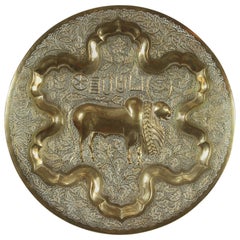
I bought a very attractive copper tray. This is an item that was once used as a gong. In other words, it was used as a percussion instrument. It was also used in temples. The materi...

Category

19th Century Japanese Edo Antique Aluminum Metalwork

Materials

Copper

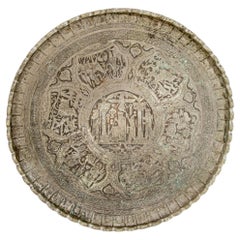
Antique Middle Eastern Persian Wall Hanging Metal Tray

Antique Middle Eastern Persian Wall Hanging Metal Tray

Located in Moreno Valley, CA

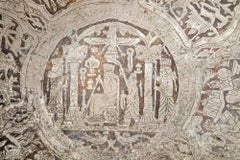
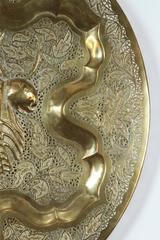
Large engraved antique Middle Eastern Persian wall hanging metal tray, platter. A large metal decorative centerpiece or wall hanging. Beautiful handmade craftsmanship. A fine Persian Qajar large heavy metal round tray with tinned surface covered in etched geometric, hand chased floral and Persian, Middle Eastern scenes decorations. Nicely handcrafted and carved with floral details and a figural scene with Kings, animals and various oother figures. Medallions around with different scenes of men on horses and animals. A large frise around with Arabic, Persian Kufic writing. Persian Middle Eastern metal Islamic work Qajar style tinned copper, silvered, and blackened metal. Metal silver color and black hammered antique Persian wall hanging decorative tray. Has a hook in the back for hanging. Highest craftsmanship according to old tradition. Very decorative embossed brass tray from Persian Qajar era, nice combination of traditional designs as deer, birds, flowers, Dervish or opium pipe. Handsomely intertwined with calligraphic inscriptions, this brass plate/tray is remarkable mix of Qajar patterns. Late 19th, eraly 20th century Qajar era Persian Islamic tray with engraved figures and floral designs. Engraving(Ghalam Zani...

Category

Early 20th Century Asian Islamic Aluminum Metalwork

Materials

Metal

Cast Iron Foo Dog Sculpture

Cast Iron Foo Dog Sculpture

$1,680

H 10 in W 12 in D 5 in

Cast Iron Foo Dog Sculpture

Located in Asheville, NC

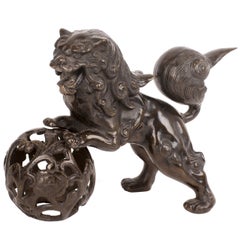
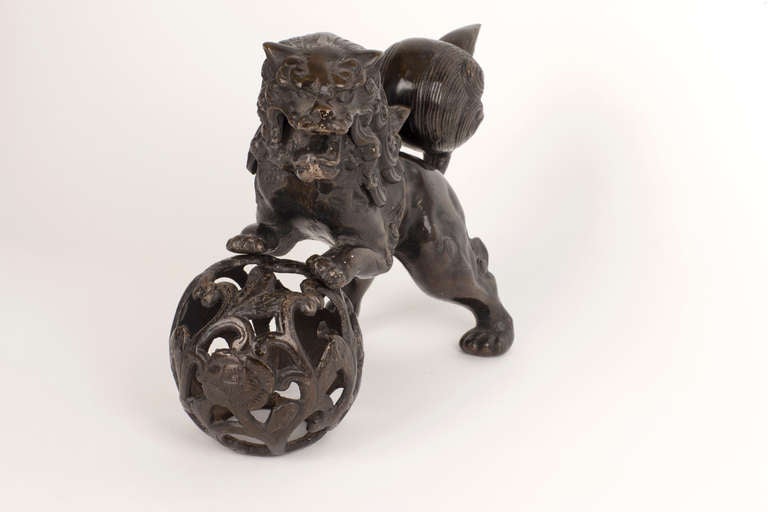
This cast iron piece features a statuary male Chinese guardian Lion (Foo Dog) proudly balancing both hands atop an embroidered ball, representing supremac...

Category

20th Century Chinese Aluminum Metalwork

Materials

Iron

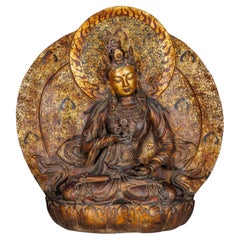
A Monumental Gilt-Lacquered Bronze Ornamental Buddha Sculpture of Vajravidarana

A Monumental Gilt-Lacquered Bronze Ornamental Buddha Sculpture of Vajravidarana

Located in Long Island City, NY, NY

A Monumental Gilt-Lacquered Bronze Ornamental Buddha Sculpture of Vajravidarana: A Masterpiece of Sino-Tibetan Craftsmanship, Late 19th Century, Qing Dynasty This monumental gilt-lacquered bronze ornamental sculpture of Vajravidarana is an extraordinary and commanding piece of art, showcasing the pinnacle of Sino-Tibetan craftsmanship from the late 19th century. The figure of Vajravidarana, a powerful purification deity in Tibetan Buddhism, is meticulously sculpted to embody both spiritual authority and artistic excellence. Vajravidarana is primarily known for his role in removing spiritual impurities and negativities. Unlike other deities associated with wisdom or compassion, Vajravidarana’s function is centered on purification and healing. He is typically depicted holding a vajra and a bell, symbolizing the cutting away of delusions and the resonance of divine truth. In this striking sculpture, Vajravidarana is shown holding a vishva vajra (the double vajra), a unique and powerful variation of the traditional iconography, which signifies ultimate protection and the dispelling of negative karma. Vajravidarana: The Supreme Purifier and Protector Vajravidarana is revered in Tibetan Buddhism as the deity of spiritual purification, called upon to cleanse practitioners of defilements and negative influences. His vajra represents the indestructibility of truth, while his bell signifies the wisdom that resonates through purification rituals. In this sculpture, the presence of the vishva vajra, or double vajra, enhances his association with supreme protection, ensuring the destruction of all spiritual obstacles and afflictions. The figure’s powerful yet composed expression conveys a sense of unwavering resolve and divine authority. His posture, along with the carefully sculpted details of his robes and ornaments, highlights his function as a guardian against impurity. The inclusion of the vishva vajra rather than the usual single vajra reinforces his role as a supreme protector, capable of dispelling all forms of negativity and restoring balance. Symbolism of the Mantras and Aureole: Unlike deities that embody wisdom through duality, Vajravidarana’s iconography is centered on purification and exorcism. The aureole surrounding him is inscribed with sacred purification mantras rather than depictions of a consort. These mantras emphasize his function as a remover of obstacles and impurities, reinforcing his role in Buddhist healing rituals. The presence of the sacred inscriptions elevates the sculpture’s spiritual significance, making it a focal point for meditation and ritual purification. Practitioners often visualize Vajravidarana radiating purifying light, dissolving afflictions and negative karma. This theme is mirrored in the sculptural repetition of the purification symbols on the aureole, reinforcing the deity’s role as a divine cleanser. Gilt-Lacquered Bronze: The Artistry of Sino-Tibetan Metalwork: The craftsmanship of this monumental figure reflects the expertise of late 19th-century Sino-Tibetan metalwork, where traditional Tibetan themes were infused with Chinese artistic sensibilities. Cast in bronze and finished with a rich gilt lacquer, the statue has an otherworldly glow, giving it an ethereal, almost divine presence. The gilding process—applied with exceptional skill—gives the sculpture a striking luminosity that enhances the fine details of the facial features, flowing robes, jewelry, and other elements of the deity’s attire. The technique employed to create this figure speaks to the high level of craftsmanship that flourished during the late Qing Dynasty and early modern Tibetan art. The ornate details of the robes and the fine texture of the sculpture highlight the exceptional skill of the artisans who brought this work to life. The use of gold and lacquer not only reflects the preciousness of the sculpture but also its spiritual significance as an object meant to inspire reverence and meditation. An Ornamental Sculpture of Monumental Scale: Unlike smaller devotional objects, this sculpture is designed as an ornamental masterpiece, intended to make a grand visual and spiritual statement. Its monumental size allows it to dominate any space, offering a commanding presence that is both physically and symbolically impressive. In Buddhist practice, large sculptures of this nature are often placed in temples or meditation halls, where their imposing size and serene presence would encourage contemplation and devotion. The grand scale of the statue further amplifies the spiritual power it is meant to convey. As a representation of Vajravidarana, it is not only a physical object of beauty but also a conduit for meditation, purification, and enlightenment. The scale of the sculpture also emphasizes the divine stature of the deity, highlighting his importance in the Buddhist tradition as the ultimate force for spiritual cleansing and protection. Provenance: Acquired in China in circa 1900 1905 Private Buddhist Temple, Northeast, USA Private Sale Solomon Treasure...

Category

Late 19th Century Chinese Tibetan Antique Aluminum Metalwork
Materials

Bronze

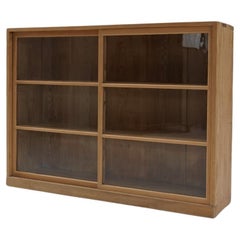
Japanese Antique Cedar Storage Cabinet, 1920s–1940s - Japandi Wabi-Sabi

Japanese Antique Cedar Storage Cabinet, 1920s–1940s - Japandi Wabi-Sabi

Located in Chiba, Chiba

A Japanese antique storage cabinet crafted from cedar, dating from the 1920s–1940s. Its construction is striking in its simplicity—an almost disciplined clarity that reflects the mak...

Category

Early 20th Century Japanese Aluminum Metalwork
Materials

Wood

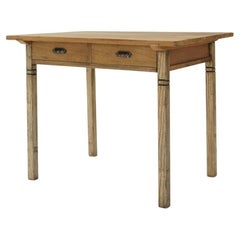
Japanese Antique Cherry & Ash Desk, 1930s–1940s - Japandi Wabi-Sabi

Japanese Antique Cherry & Ash Desk, 1930s–1940s - Japandi Wabi-Sabi

Located in Chiba, Chiba

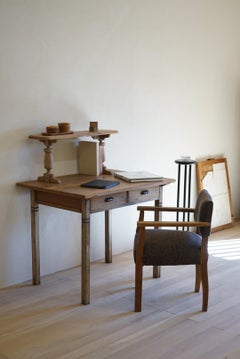
A Japanese antique desk crafted from cherry and ash wood, dating from the 1930s–1940s. The piece has a gentle, almost endearing presence—something that reveals itself slowly the long...

Category

Early 20th Century Japanese Aluminum Metalwork
Materials

Wood

Previously Available Items
Vintage New Old Stock Mini Hovis Tins

Vintage New Old Stock Mini Hovis Tins

Sold

H 1.19 in W 2.37 in D 3.55 in

Vintage New Old Stock Mini Hovis Tins

Located in Hook, Hampshire

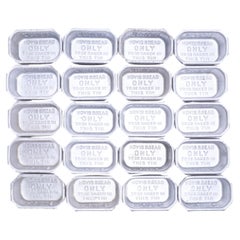
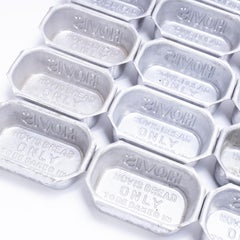
Vintage New Old Stock Mini Hovis Tins. Original pressed aluminium baking tins for Hovis. Distributed by Hovis as gifts and for promotional production. Listing is for one mini tin. ...

Category

20th Century English Aluminum Metalwork
Materials

Aluminum

Japanese Old Aluminum Glove Mold 1940s-1960s / Object Wabisabi

Japanese Old Aluminum Glove Mold 1940s-1960s / Object Wabisabi

Located in Sammu-shi, Chiba

This account consists of five companies. As for me, I specialize in Japanese antiques and deal in carefully selected items. With 20 years of experience, I re-propose Japanese antique...

Category

1950s Japanese Showa Vintage Aluminum Metalwork
Materials

Aluminum

Japanese Old Aluminum Glove Mold 1940s-1960s / Object Wabi Sabi

Japanese Old Aluminum Glove Mold 1940s-1960s / Object Wabi Sabi

Located in Sammu-shi, Chiba

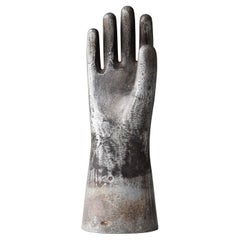
Old rubber glove mold made in Japan. Made of aluminum. This item is from the mid-Showa period (1940s-1960s). The texture of used aluminum is very beautiful. You can feel a decadent ...

Category

1940s Japanese Showa Vintage Aluminum Metalwork
Materials

Aluminum

Japanese Antique Aluminum Glove Mold 1920s-1940s / Figurine Object Wabi Sabi

Japanese Antique Aluminum Glove Mold 1920s-1940s / Figurine Object Wabi Sabi

Located in Sammu-shi, Chiba

Old Japanese rubber glove mold. It is made of aluminum. This item is from the early Showa period (1920s-1940s). It is very rare. The texture of used aluminum is beautiful. I...

Category

1920s Japanese Showa Vintage Aluminum Metalwork
Materials

Aluminum

Japanese Antique Aluminum Large Glove Mold 1920s-1940s/Figurine Object Wabi-Sabi

Japanese Antique Aluminum Large Glove Mold 1920s-1940s/Figurine Object Wabi-Sabi

Located in Sammu-shi, Chiba

This is an old Japanese rubber glove mold. Made of aluminum. This item is from the early Showa period (1920s-1940s). This is the first time I have encountered such a large type....

Category

Mid-20th Century Japanese Showa Aluminum Metalwork

Materials

Aluminum

Japanese Old Aluminum Glove Mold 1920s-1950s/Hand Sculpture Figurine Vintage Art

Japanese Old Aluminum Glove Mold 1920s-1950s/Hand Sculpture Figurine Vintage Art

Located in Sammu-shi, Chiba

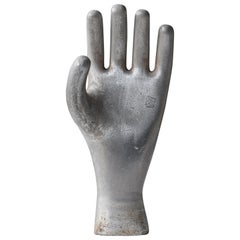
It is a type of old Japanese aluminum gloves. It is an item from 1920 to 1950. It has a beautiful shape without waste. It is rare.

Category

Late 20th Century Japanese Showa Aluminum Metalwork
Materials

Aluminum

Japanese Old Aluminum Glove Mold 1920s-1950s/Hand Sculpture Figurine Vintage Art

Japanese Old Aluminum Glove Mold 1920s-1950s/Hand Sculpture Figurine Vintage Art

Located in Sammu-shi, Chiba

It is a type of old Japanese aluminum gloves. It is an item from 1920 to 1950. It has a beautiful shape without waste. It is rare. weight: 500g.

Category

Mid-20th Century Japanese Showa Aluminum Metalwork
Materials

Aluminum