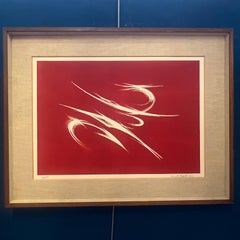
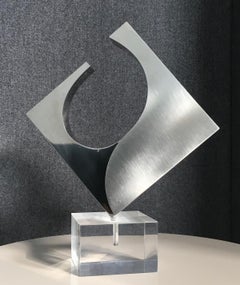
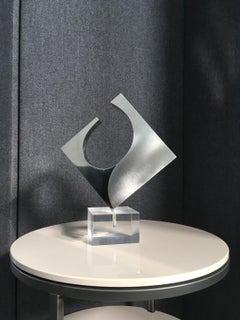
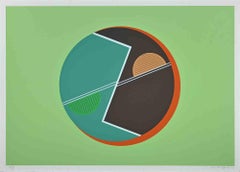
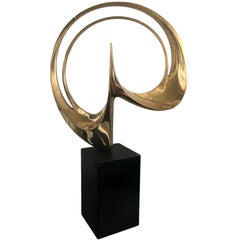
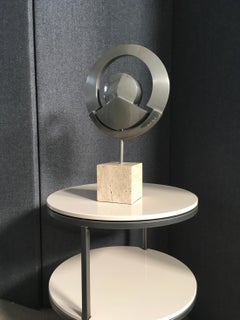
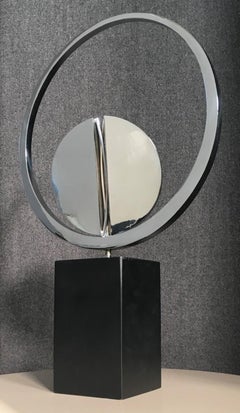
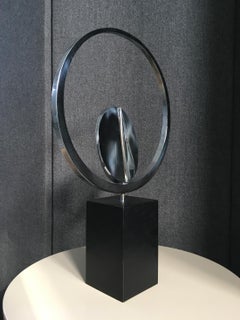
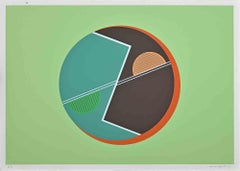
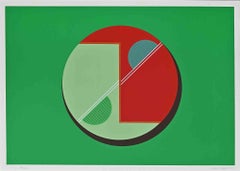
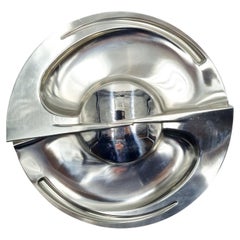
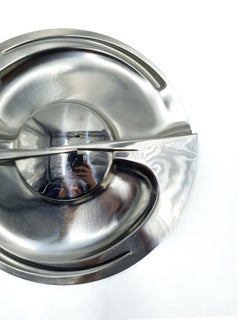
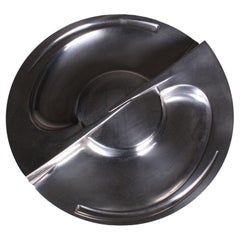
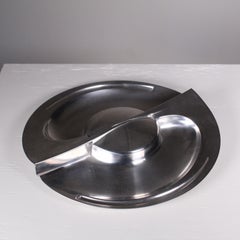
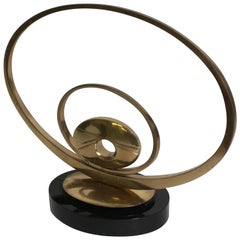
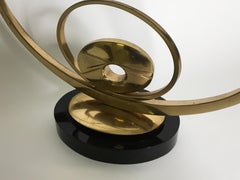
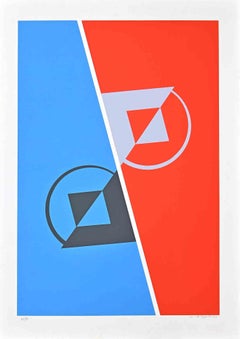
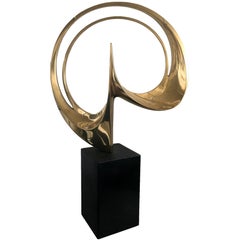
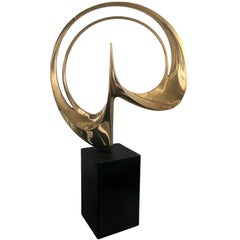
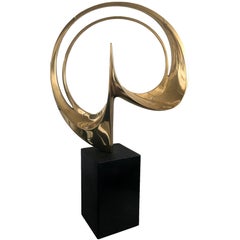
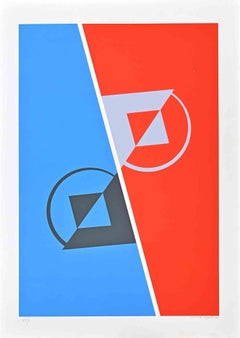
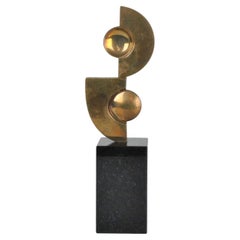
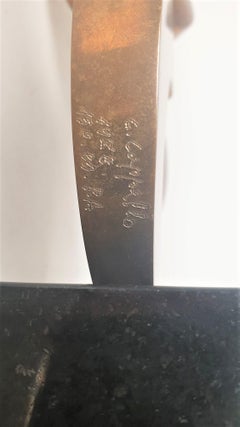
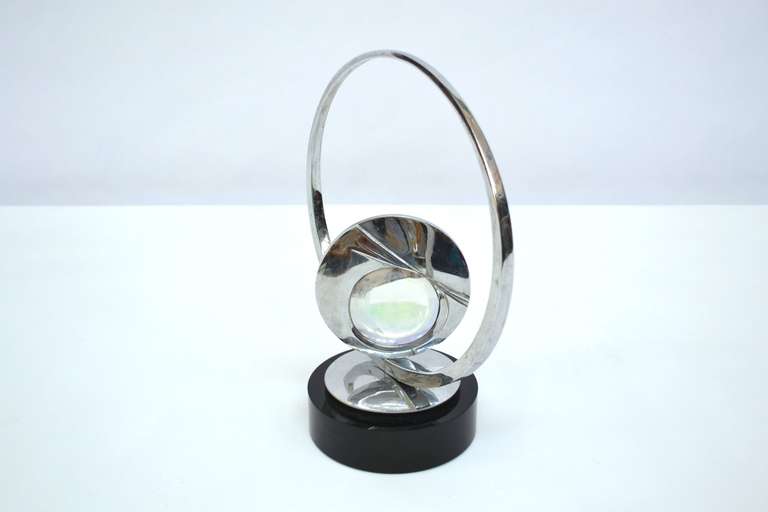
You are likely to find exactly the cappello carmelo you’re looking for on 1stDibs, as there is a broad range for sale. In our selection of items, you can find
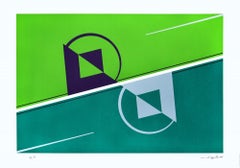
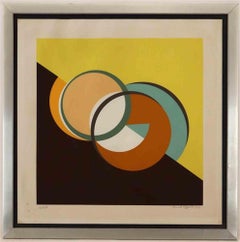
Abstract examples as well as a
Contemporary version. Making the right choice when shopping for a cappello carmelo may mean carefully reviewing examples of this item dating from different eras — you can find an early iteration of this piece from the 20th Century and a newer version made as recently as the 20th Century. If you’re looking to add a cappello carmelo to create new energy in an otherwise neutral space in your home, you can find a work on 1stDibs that features elements of
black,
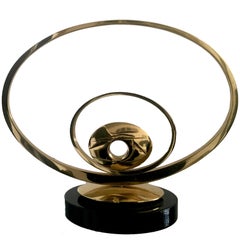
gold,
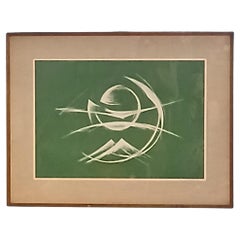
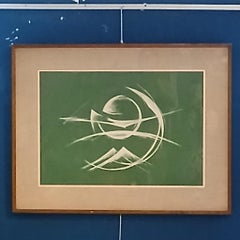
green and more. There have been many interesting cappello carmelo examples over the years, but those made by
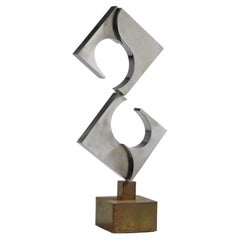
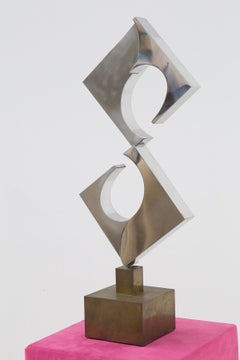
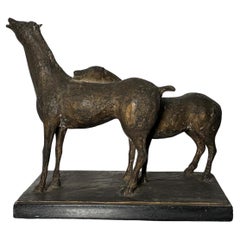
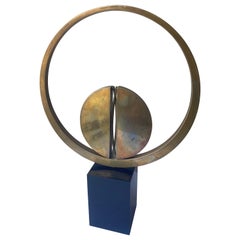
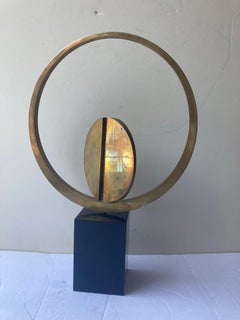
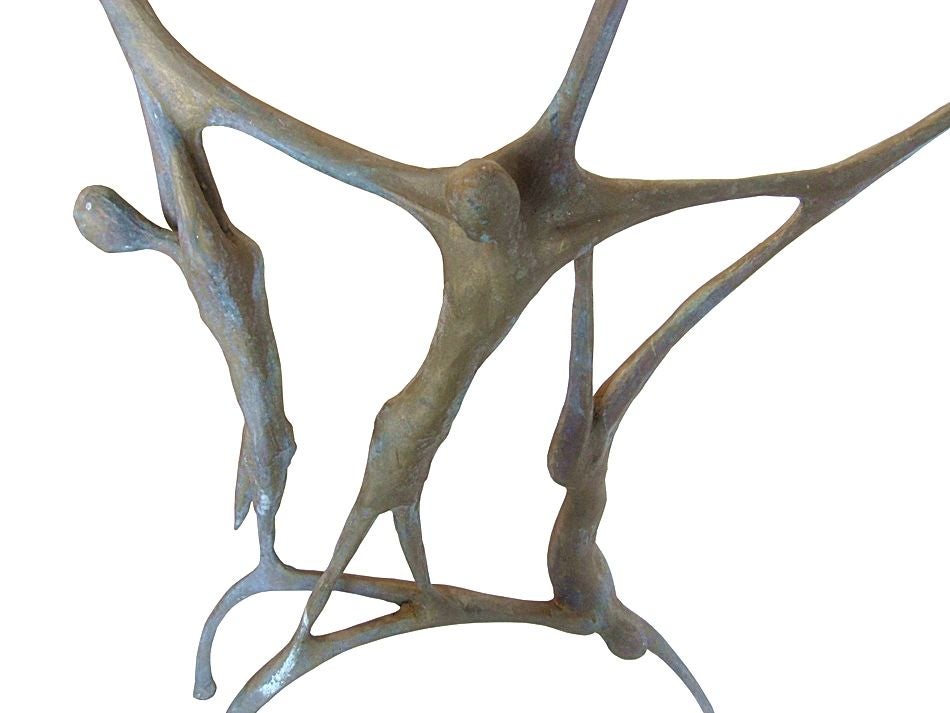
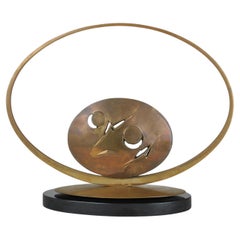
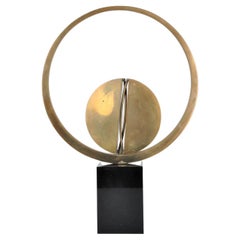
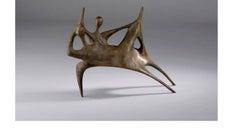
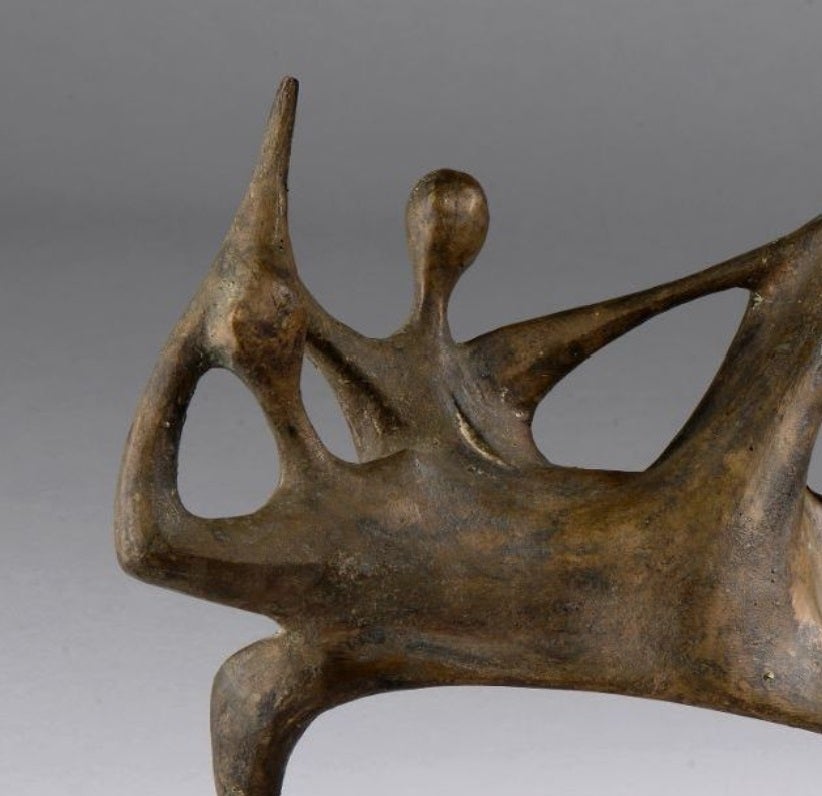
Carmelo Cappello are often thought to be among the most thought-provoking. These artworks were handmade with extraordinary care, with artists most often working in
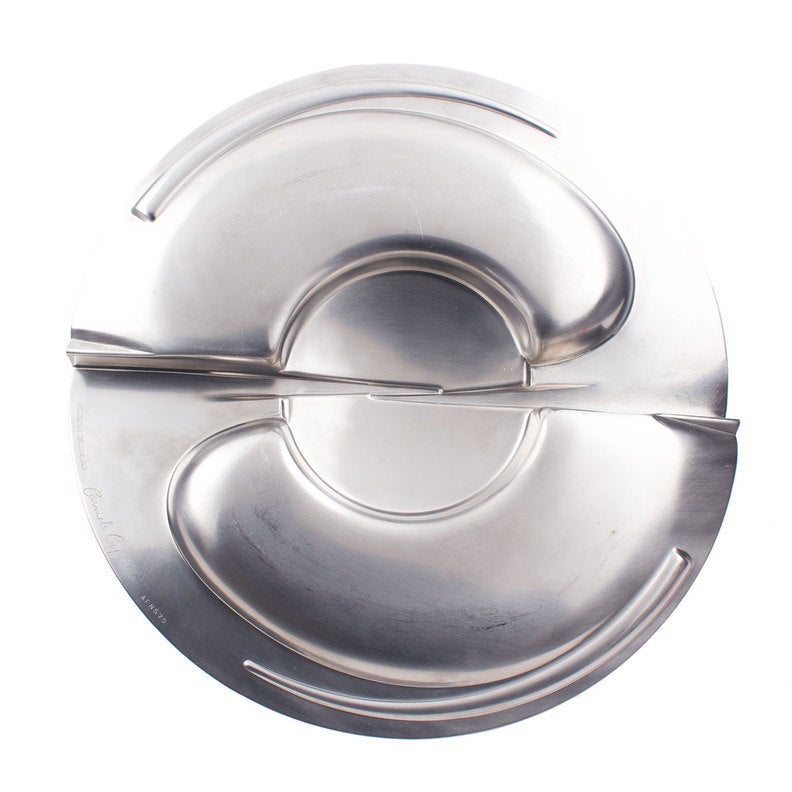
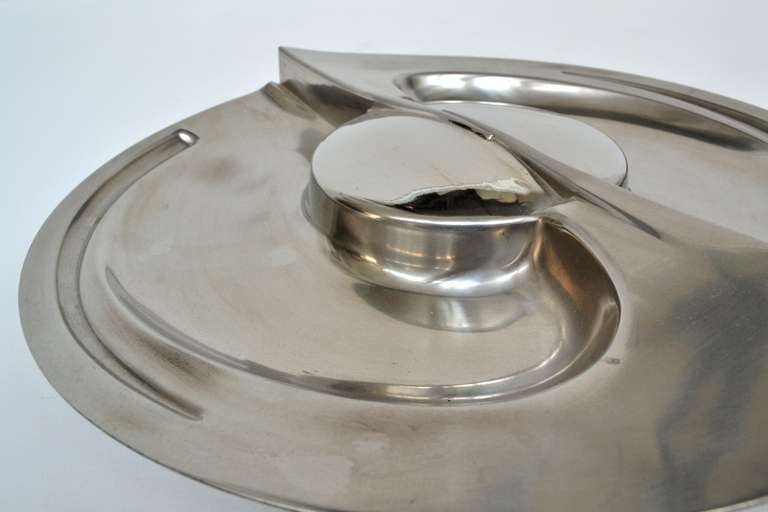
metal,
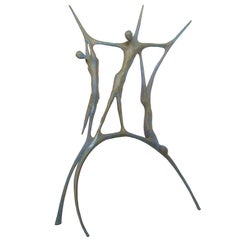
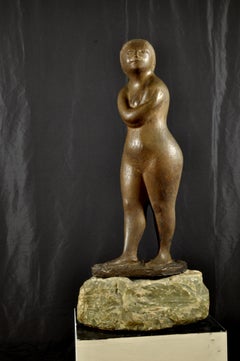
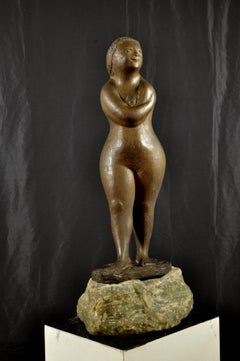
bronze and
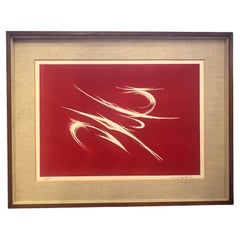
screen print.
The price for an artwork of this kind can differ depending upon size, time period and other attributes — a cappello carmelo in our inventory may begin at $222 and can go as high as $15,950, while the average can fetch as much as $3,365.
Carmelo Cappello was born in Ragusa, Italy in 1912, he grew close to the Italian sculptor Ettore Colla and in the 1931 he went to Milano. Since his younger, he attended artistic studies. First he attended the Marino Marini courses at the School of Arts in Monza, Italy. In 1941 he became one friends of Giò Ponti and he started to collaborate with him. He exhibited numerous time in important exhibitions like, the Venice Biennial of Art and at the Milano Triennial of Art and also to the Quadriennial Exhibition of Art in Rome.
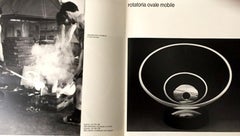
The artist considered the Universe a not perfect circle but an irregular cosmic shape that can be observed from many points of view and every time the point of view was different. One of the basis of his structures is the curve, sometime used close to the circle and sometimes inserted into the ellipses. This vision are relevant to understand the continuous research of the artist of the equilibrium between the relations of the two-dimensional sides of the sculpture that represent the cosmos.