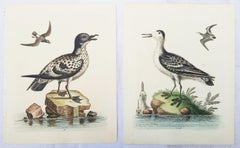
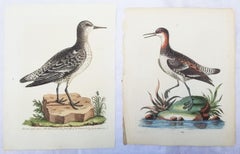
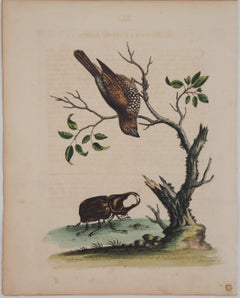
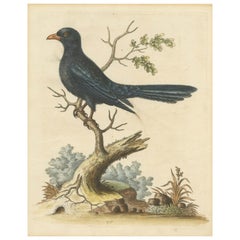
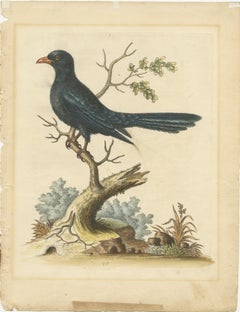
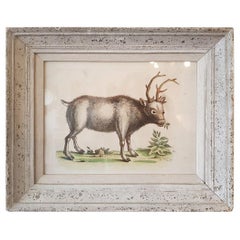
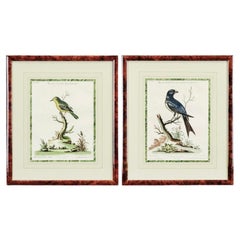
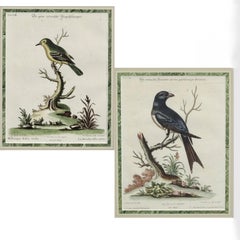
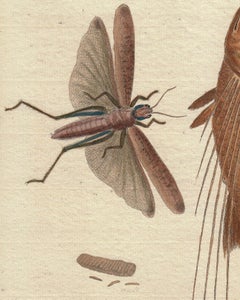
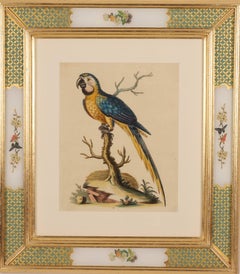
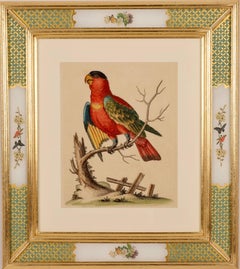
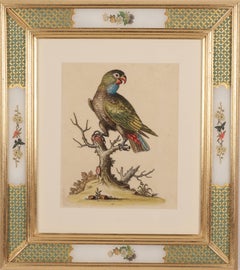
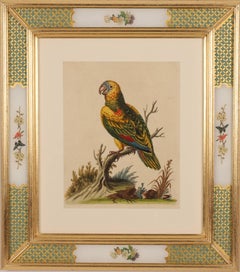
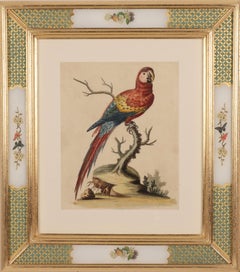
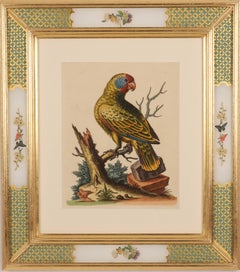
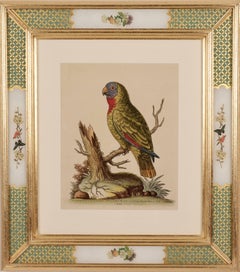
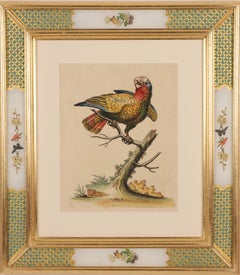
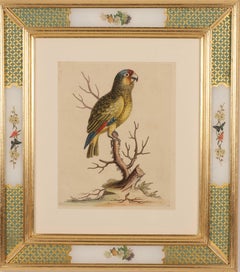
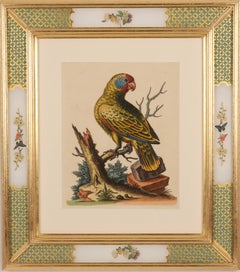
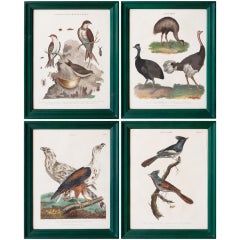
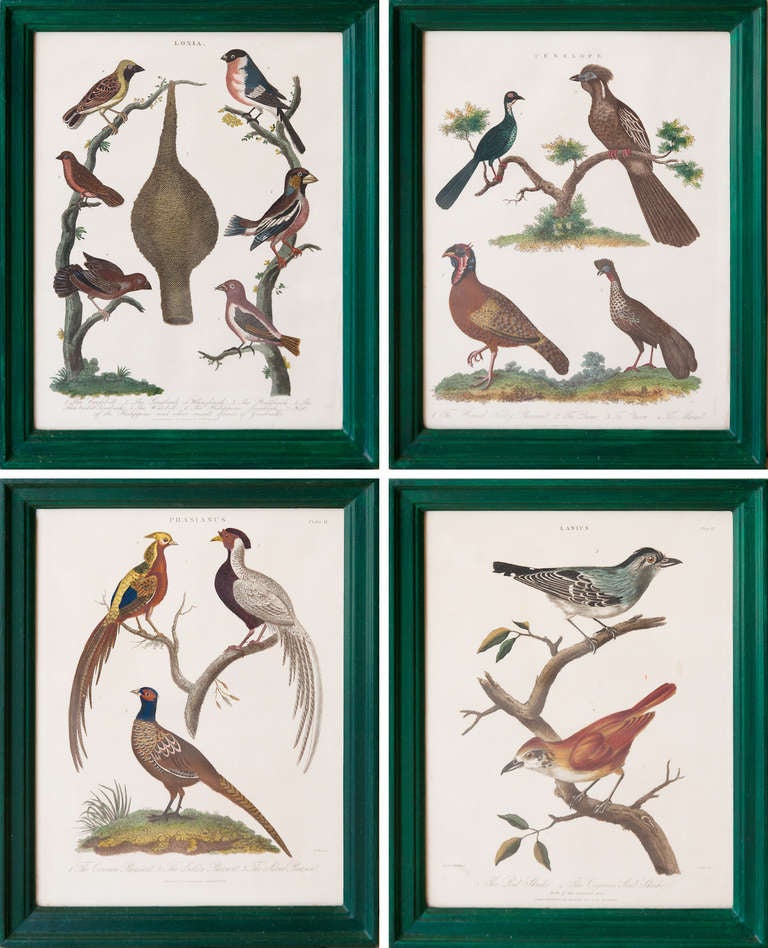
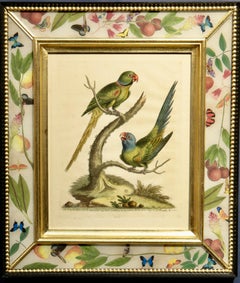
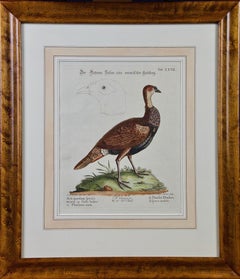
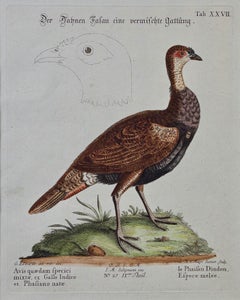
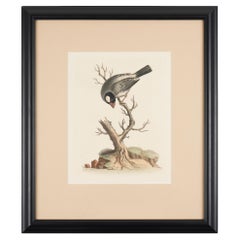
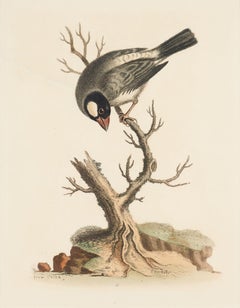
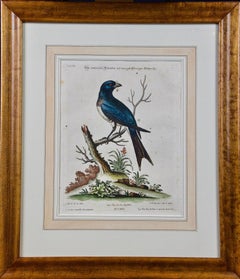
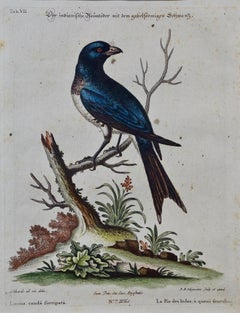
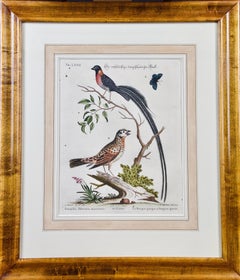
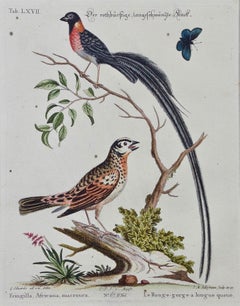
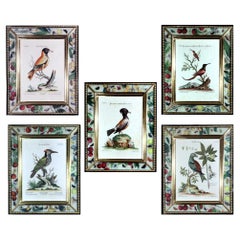
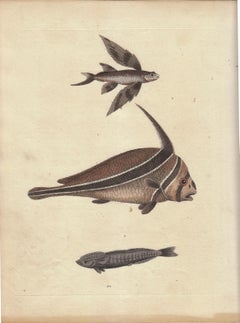
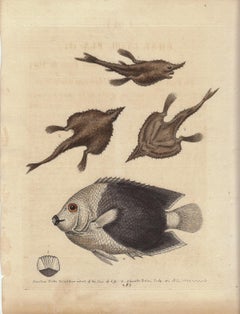
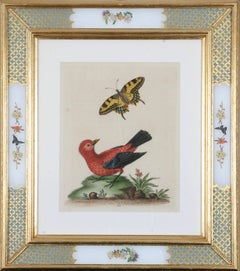
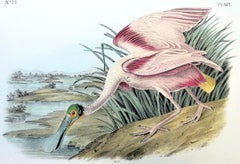
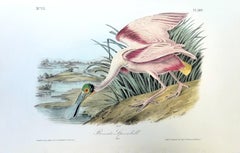
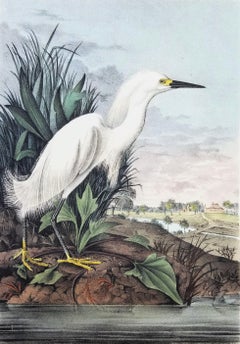
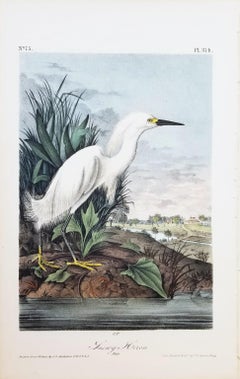
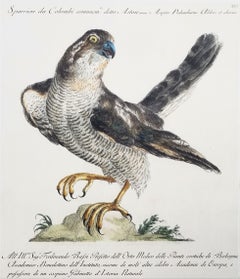
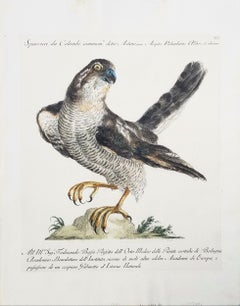
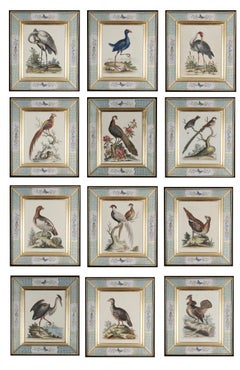
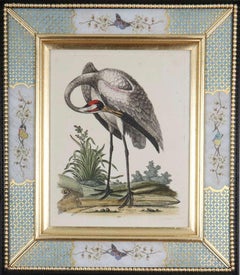
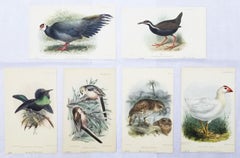
An assortment of george edwards antique bird prints is available on 1stDibs. A selection of these works in the styles can be found today in our inventory. These items have been produced for many years, with earlier versions available from the 18th Century and newer variations made as recently as the 18th Century. If you’re looking to add george edwards antique bird prints that pop against an otherwise neutral space in your home, the works available on 1stDibs include that feature elements of
beige,
gray and more.
George Edwards took a thoughtful approach to this subject that are worth considering. Each of these unique pieces was handmade with extraordinary care, with artists most often working in
etching,
engraving and
paint.
Prices for art of this kind can differ depending upon size, time period and other attributes — george edwards antique bird prints in our inventory begin at $210 and can go as high as $28,000, while the average can fetch as much as $1,450.
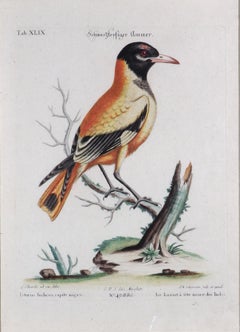
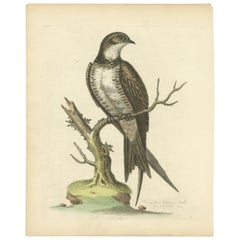
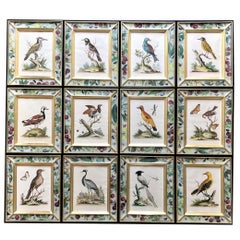
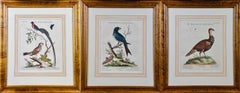
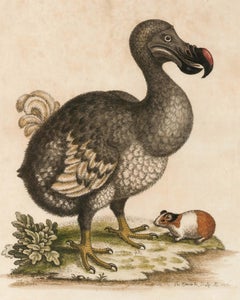
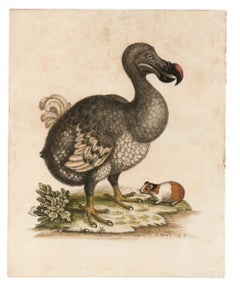
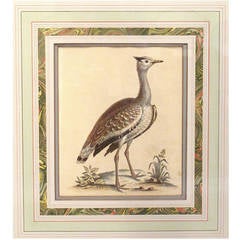
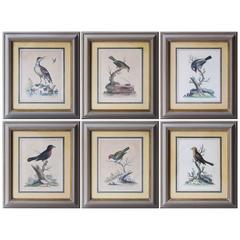
Known today as the Father of British Ornithology, George Edwards was a draftsman and naturalist who popularized the art of bird and animal illustrations throughout the 18th century. His main collections of etchings, which were bound as the volumes A Natural History of Uncommon Birds and Gleaning of Natural History, together comprise more than 600 animals and were the first works to delineate many of the featured species.
Edwards cultivated an interest in natural history while traveling around Europe, becoming particularly enamored with birds. Upon his return to the United Kingdom, in 1733, Irish physicist Hans Sloane, an acquaintance of British naturalists/illustrators Eleazar Albin and Mark Catesby, offered Edwards a librarian position at the Royal College of Physicians. The job granted him access to a large collection of works on natural history, which he explored enthusiastically.
With instruction from Catesby, Edwards learned etching and spent much of his time preparing plates and drawings for his books. While Edwards hand-colored his early editions, later works were colored in by other artists, like British artist Peter Paillou, allowing Edwards to focus on etching and writing.
George Edwards earned his reputation for both his illustrations and written descriptions of his subjects — widely acclaimed for their accuracy. Swedish botanist Carl Linnaeus cited Edwards’s texts when developing his major work, Systema Naturæ. The Royal Society in London awarded Edwards the Copley Medal in 1750 for outstanding achievement in the field of science. Edwards retired in 1763 to Plaistow, England, and died in 1773.
On 1stDibs, find a collection of George Edwards engravings and wall decorations.