Japanese Lacquer Boxes

to
34
109
97
241
1
5
5
4
2
2
1
1
27
109
105
1
53
22
12
2
7
4
2
3
5
180
122
58
32
16
216
215
212
5
4
242
242
242
4
1
1
1
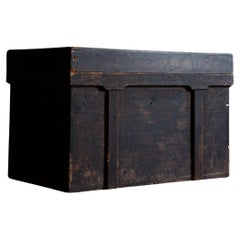
1840s-1860s Edo Japanese antique black wooden box chest with lid, wabi sabi

1840s-1860s Edo Japanese antique black wooden box chest with lid, wabi sabi

Located in 常陸大宮市, JP

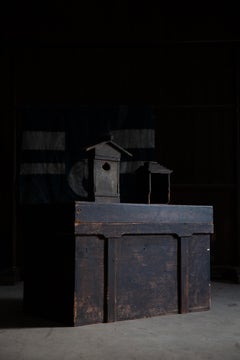
Japanese antique wooden cabinet box manufactured circa 1840s-1860s (late Edo period) estimate from the style & conditions.

Category

Antique Late 19th Century Japanese Edo Cabinets

Materials

Wood
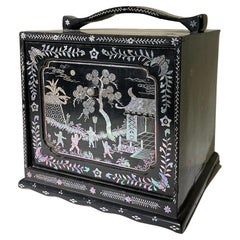
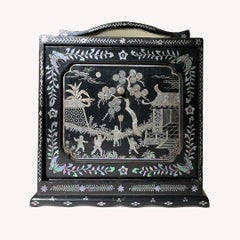
Chinese Antique Shell-Inlaid Lacquer Tea Tool Box, Qing Period

Chinese Antique Shell-Inlaid Lacquer Tea Tool Box, Qing Period

Located in Chuo-ku, Tokyo

This is gorgeous and decorative instrument box decorated with "Raden" work of mother of pearl shell shining in seven colors. Raden work using mother of pearl shell shining in seven c...

Category

Antique 17th Century Japanese Qing Antiquities

Materials

Shell, Wood

  • 1
Get Updated with New Arrivals
Save "Japanese Lacquer Boxes", and we’ll notify you when there are new listings in this category.

Japanese Lacquer Boxes For Sale on 1stDibs

Find a variety of Japanese lacquer boxes available on 1stDibs. Frequently made of lacquer, wood and metal, all Japanese lacquer boxes available were constructed with great care. Japanese lacquer boxes have long been popular, with older editions for sale from the 18th Century and newer versions made as recently as the 20th Century. Japanese lacquer boxes bearing Art Deco or Victorian hallmarks are very popular at 1stDibs. George Ashdown Audsley, Alfred Dunhill and Namiki Manufacturing Co each produced beautiful Japanese lacquer boxes that are worth considering.

How Much are Japanese Lacquer Boxes?

Japanese lacquer boxes can differ in price owing to various characteristics — the average selling price at 1stDibs is $2,150, while the lowest priced sells for $100 and the highest can go for as much as $67,553.

Questions About Japanese Lacquer Boxes

  • 1stDibs ExpertApril 5, 2022
    To clean a Japanese lacquer box, start by moistening a soft lint-free cloth with warm water. Ring it out and then gently rub every surface. Do not use soap as it may damage the lacquer. Dry the box promptly with a second soft, dry lint-free cloth. On 1stDibs, find a variety of Japanese lacquer boxes.
  • 1stDibs ExpertApril 5, 2022
    A lacquerware box is a box that has been coated in lacquer to give it a distinctive decorative look. The material underneath the lacquer can vary and can be decorated with carving or painting as well. Shop a collection of lacquerware boxes from top sellers on 1stDibs.
  • 1stDibs ExpertApril 5, 2022
    You can restore Japanese lacquer that has been damaged by exposure to light by gently buffing it with carnauba wax. Use a soft cloth to gently rub the wax into the piece, removing any excess and avoiding undamaged lacquer. Take a look on 1stDibs for a variety of pieces featuring Japanese lacquer.
  • 1stDibs ExpertApril 5, 2022
    Lacquer boxes are 20th century Russian boxes. The boxes feature miniature paintings and are not made out of wood as appears, but are crafted from papier-mâché instead. Shop a collection of lacquer boxes from some of the world’s top sellers on 1stDibs.
  • 1stDibs ExpertApril 5, 2022
    Japanese lacquer is made of resin produced from the sap of the Urushi tree. Artisans craft bowls, vases, boxes and other items out of the material. Find a collection of Japanese lacquer furniture and decorative objects and art on 1stDibs.
  • 1stDibs ExpertFebruary 22, 2021
    A Japanese puzzle box, called himitsu-bako, are wooden boxes which keep items safe from theft through an intricate mechanical pattern. These boxes require specific steps moving the mechanism to release the obscured lid, opening to reveal the cavity within.
  • 1stDibs ExpertApril 5, 2022
    Yes, there is a type of varnish called Japanese lacquer. It is made from the sap of an urushi tree, which grows in Japan, China and Southeast Asia. On 1stDibs, you can find vintage and modern Japanese lacquered pieces from some of the top sellers around the world.
  • 1stDibs ExpertApril 5, 2022
    To fix Japanese black lacquer, take it to a furniture repair shop that has previously worked with the material. Lacquer is very delicate. Attempting to fix a piece on your own could cause further damage. On 1stDibs, find a selection of Japanese black lacquer.
  • 1stDibs ExpertApril 5, 2022
    Japanese lacquerware items are finished with a sap that comes from the lacquer tree. This finish is prone to degradation, especially if exposed to sun and water, and age will take its toll as well. To clean lacquerware items, wet a lint-free cloth and wring as much water out as you can, then wipe the item. Finish by drying it with a soft lint-free cloth. Shop a range of antique and vintage Japanese lacquerware on 1stDibs.
  • 1stDibs ExpertApril 5, 2022
    Russian lacquer boxes are also called Palekh boxes after the village where the craft was first recorded in the 1920s. On 1stDibs, you’ll find a collection of vintage and contemporary Russian lacquer boxes from some of the world’s top sellers.
  • 1stDibs ExpertApril 5, 2022
    Most Russian lacquer boxes are made in the villages of Fedoskino, Kholui, Mstera and Palekh, Russia. In 1705, the guild for manufacturing lacquer boxes opened in Fedoskino. Many boxes feature natural forms inspired by the landscapes surrounding the village. On 1stDibs, find a range of wrought iron furniture.
  • 1stDibs ExpertApril 5, 2022
    To clean Russian lacquer boxes, moisten a soft cleaning cloth with warm water and mild dish soap. Gently wipe down every surface of the box and then repeat the process with a cloth dampened only with water. For the final step, dry with a soft towel. Find a variety of Russian lacquer boxes on 1stDibs.
  • 1stDibs ExpertApril 5, 2022
    The inkstone was the most precious and permanent object in a Japanese writing set. It is a mortar used for mixing dry ink with water for the purposes of writing. You'll find a selection of Japanese writing boxes on 1stDibs.