Karhu Woodblock Prints For Sale on 1stDibs
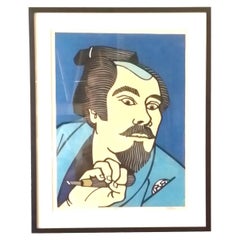
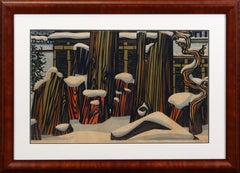
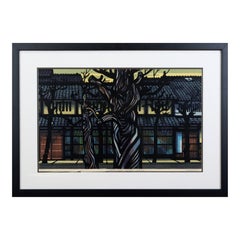
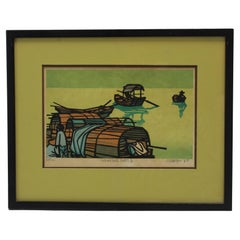
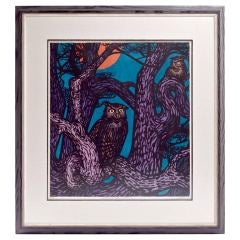
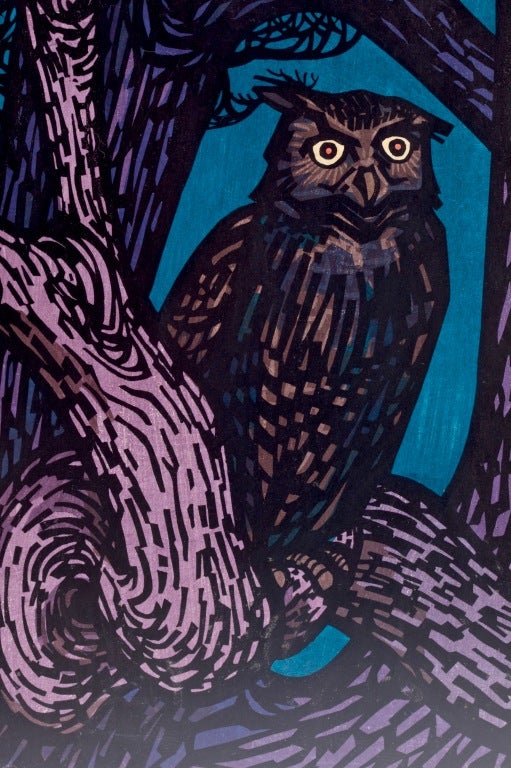
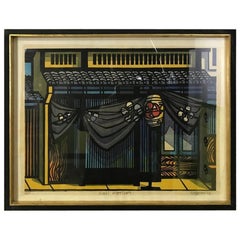
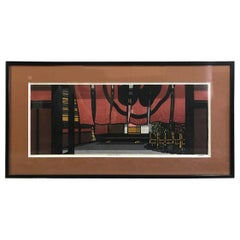
An assortment of karhu woodblock prints is available at 1stDibs. Frequently made of
paper,
glass and
wood, all karhu woodblock prints available were constructed with great care. Karhu woodblock prints have been produced for many years, with earlier versions available from the 20th Century and newer variations made as recently as the 20th Century.
mid-century modern and
modern karhu woodblock prints are consistently popular styles. Many karhu woodblock prints are appealing in their simplicity, but
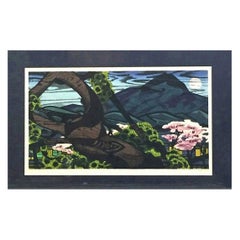
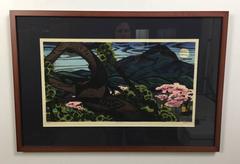
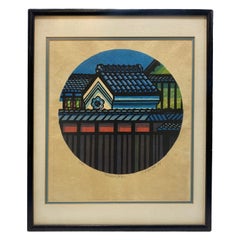
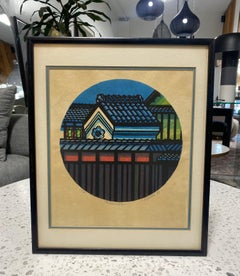
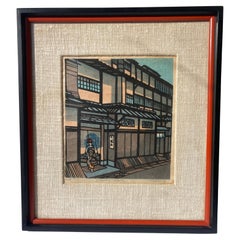
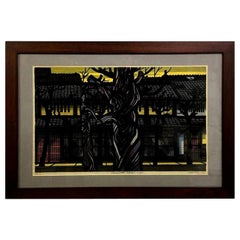
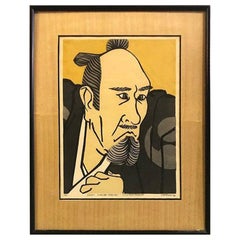
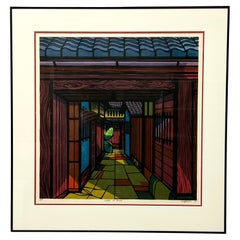
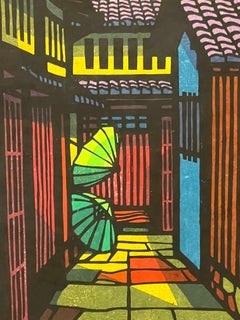
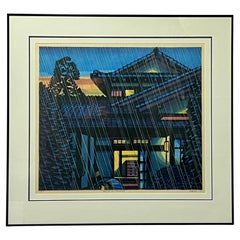
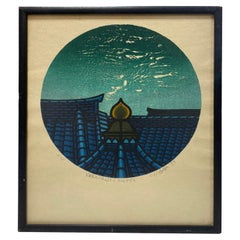
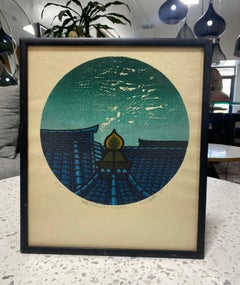
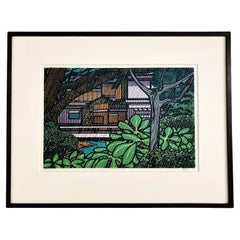
Clifton Karhu produced popular karhu woodblock prints that are worth a look.
How Much are Karhu Woodblock Prints?
Karhu woodblock prints can differ in price owing to various characteristics — the average selling price at 1stDibs is $2,000, while the lowest priced sells for $895 and the highest can go for as much as $4,500.
Clifton Karhu for sale on 1stDibs
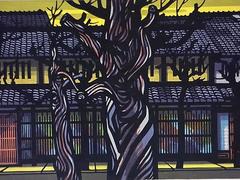
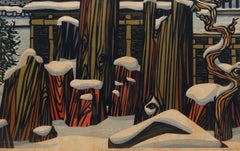
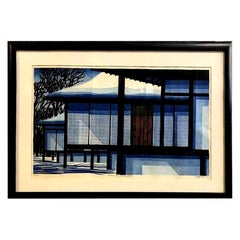
Born in Duluth, Minnesota, Clifton Karhu was one of the most acclaimed American woodblock artists to work in Japan. Though the son of two painters and artistically inclined from an early age, Karhu joined the military. Stationed at the American Navy base in Sasebo from 1946 to 1948, he fell in love with Japan. Upon his return to the United States, he attended the Minneapolis Art School (1950-1952) before returning to Japan in 1952, this time as a missionary of the Lutheran church. From Hiroshima to Kyoto, he and his wife sold bibles until he became disillusioned with the mission. Settling in Gifu prefecture, he returned to art, working in oils and watercolor. Karhu’s reputation grew swiftly, winning first prize at the Middle Pacific Art Group Exhibition, and held his first solo exhibition at Shin Gifu Gallery. In 1963, Karhu moved to Kyoto. Immersed in the city’s vibrant artistic community, he began a successful career in woodblock printmaking. His self-carved and self-printed works portray traditional style houses and architectural details. Deeply expressive, yet precise and geometric, Karhu's style earned him enormous popularity worldwide.When asked about his medium, he states: “In Kyoto the vertical and horizontal lines of the tile roofs and the latticed windows strike a special harmony, like something alive. In my prints of Kyoto, I always strive to express this human warmth. Since wood accounts for much of Kyoto’s beauty, it may also be the best way that beauty can be expressed - through woodblock prints.”