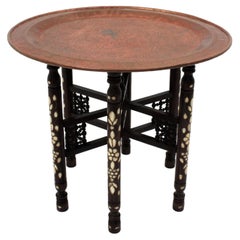
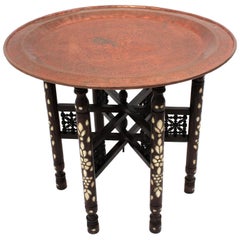
Moroccan Moorish Copper Tray Table with Folding Base
Located in Barcelona, ES
Large Moroccan antique copper tray table with wooden Syrian folding base. The removable round
Category
20th Century Moroccan Moorish Tray Tables
Materials
Copper
Moroccan Moorish Copper Tray Table with Folding Base
Located in Barcelona, ES
Large Moroccan antique copper tray table with wooden Syrian folding base. The removable round
Copper
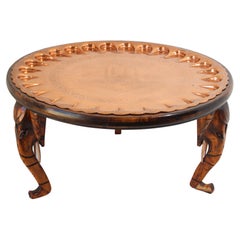
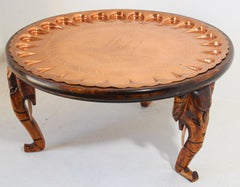
Moorish Copper Tray Table with Wooden Elephant Base, Turkey, 1900
Located in Moreno Valley, CA
Middle Eastern copper metal tray, finely handcrafted, hammered and incised with Moorish designs
Copper
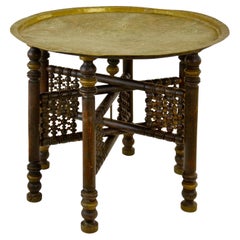
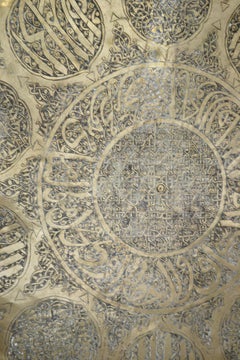
Moroccan Moorish Copper Tray Table with Hand-Carved Folding Base
Located in SOTTEVILLE-LÈS-ROUEN, FR
An exceptional Moorish Moroccan folding tray table, featuring a beautifully hand-hammered round
Brass
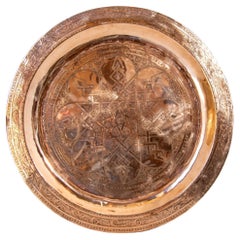
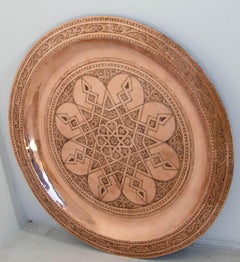
Antique Oversized Moroccan Metal Copper Tray 31 in Diameter
By Berber Tribes of Morocco
Located in Moreno Valley, CA
Antique Hand Tooled Oversized Moroccan Metal Copper Tray 31 in. D. Circa 1920's. Antique hand
Copper, Brass
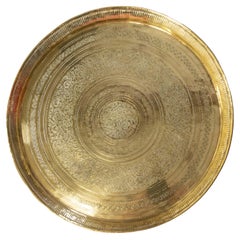
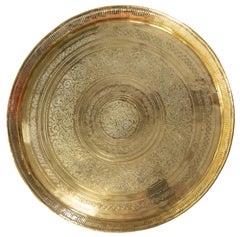
Moroccan Moorish Polished Copper Tray Early 20th Century
Located in Labrit, Landes
Morrocan copper tray Geometric motifs Good condition. Shipping: Diam 43 H 3 1.3 kg.
Copper
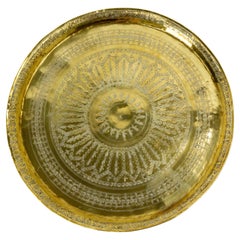
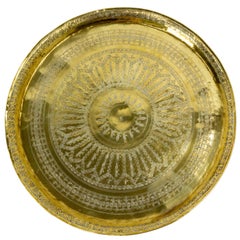
Moroccan Moorish Polished Copper Tray Early 20th Century
Located in Labrit, Landes
Morrocan copper tray Geometric motifs Good condition. Shipping: Diam 39 H 3 0.8 kg.
Copper
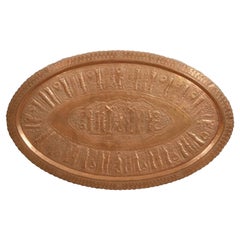
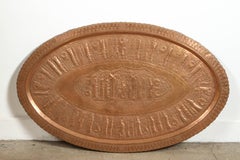
Large Persian Moorish Style Oval Decorative Copper Tray
Located in Moreno Valley, CA
Great very large oval hand-crafted decorative copper tray. Very fine Asian metal artwork, hammered
Brass, Copper
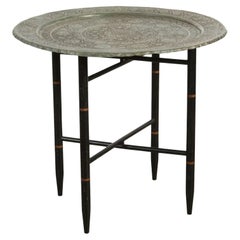
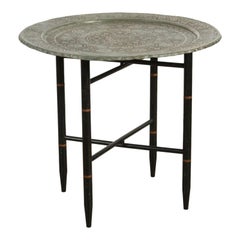
Antique Persian Copper Tray Table with Moorish Design, 1940
Located in Moreno Valley, CA
Antique Persian style copper tinned silver tray on folding Stand. Amazing finely hand etched very
Metal
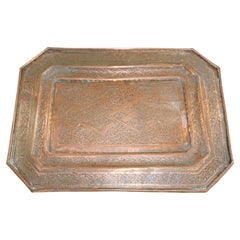
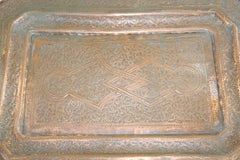
Middle Eastern Octagonal Persian Copper Tray Charger
Located in Moreno Valley, CA
Middle Eastern octagonal Persian copper serving charger. Hand-hammered copper tray with very fine
Copper
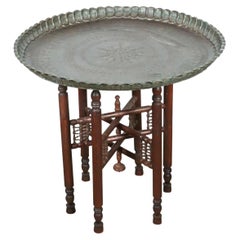
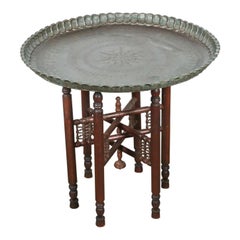
Turkish Tin Copper Tray Table on Wooden Folding Stand
Located in Moreno Valley, CA
Turkish tin copper tray table on wooden folding stand Turkish Persian Mameluke style tinned
Metal, Copper
$649Sale Price|20% Off
H 1.97 in Dm 24.61 in
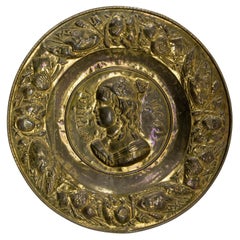
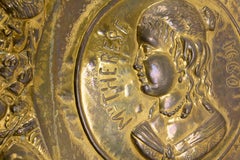
French Golden Copper Tray Profile of the Wife of Louis 14, 19th Mid-Century
Located in Labrit, Landes
French copper golden plate in commemration of Marie-Thérèse of Austria and Louis XIV king. This
Copper
$4,706
H 21.66 in W 44.89 in D 29.14 in
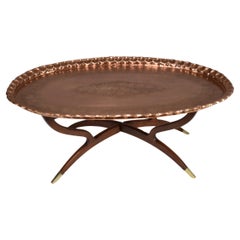
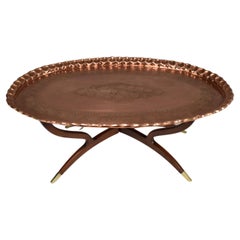
Hand-Etched Brass Moroccan Tray Table on Collapsible Base, c. 1960s
Located in Paris, FR
A fantastic 20th mid-century vintage Moorish oval-shaped coffee table composed of a removable
Copper
$495
H 0.75 in W 14 in D 10 in
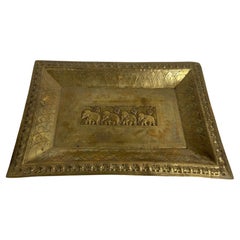
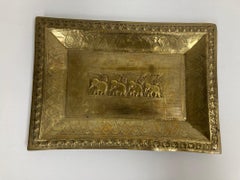
Vintage Brass Tray Indian Mughal Elephants Motif Engraved Serving Platter
Located in Moreno Valley, CA
Vintage Mughal Indian brass repousee with baby elephants motif engraved brass charger serving tray
Metal, Brass, Copper
Vintage Middle Eastern Etched Round Copper Tray Table
Located in Moreno Valley, CA
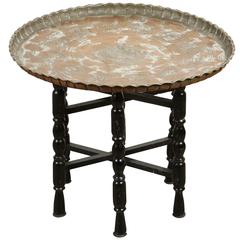
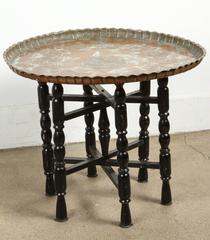
Vintage occasional Middle Eastern Turkish etched tinned copper round tray table. Removable hand
Copper
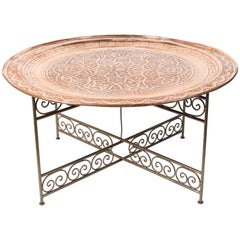
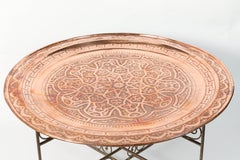
Moroccan Round Metal Brass Tray Table on Iron Folding Base
Located in Moreno Valley, CA
Moroccan Moorish large round copper tray table on iron folding base. Nice handcrafted polished
Brass, Copper, Iron
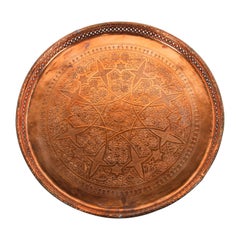
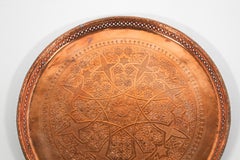
Antique Moorish Round Copper Tray
Located in Moreno Valley, CA
Moroccan antique round copper tray. The handcrafted circular copper metal platter is decorated and
Brass, Copper
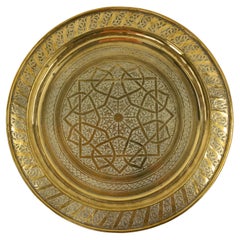
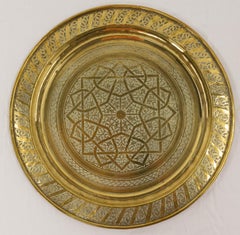
Moroccan Moorish Polished Copper Tray Late 19th Century
Located in Labrit, Landes
Morrocan copper tray Geometric motifs Good condition. Shipping: Diameter 48.5 Height 2.5 1.8
Copper
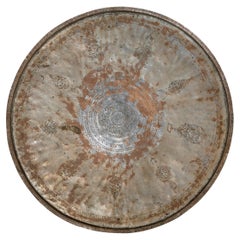
Large Moroccan Copper Tray
Located in Dallas, TX
Etched copper Moroccan tray featuring a beautiful varied patina. This item can be hung or placed
Copper
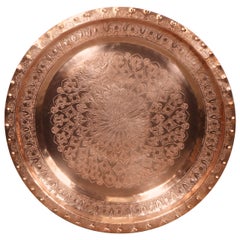
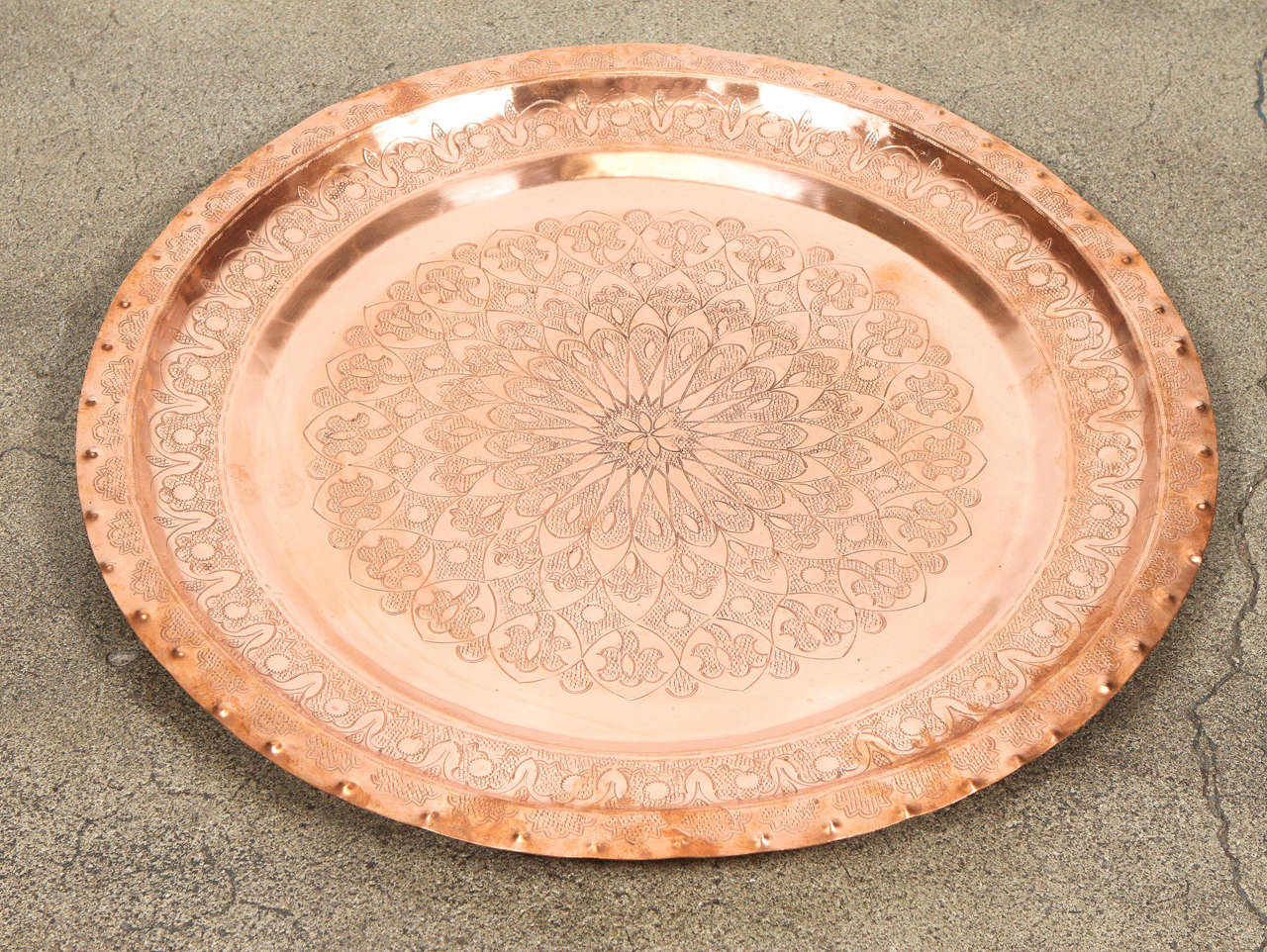
Large Antique Moroccan Hammered Copper Tray Platter
Located in Moreno Valley, CA
Large antique hand-hammered Moroccan copper tray platter. Great Islamic art brass metal work, hand
Brass, Copper
Antique Turkish Copper Tray with Arabic Calligraphy Writing
Located in Moreno Valley, CA
19th century Asian Turkish Mameluke style copper tray with Arabic calligraphy script writing
Brass, Copper
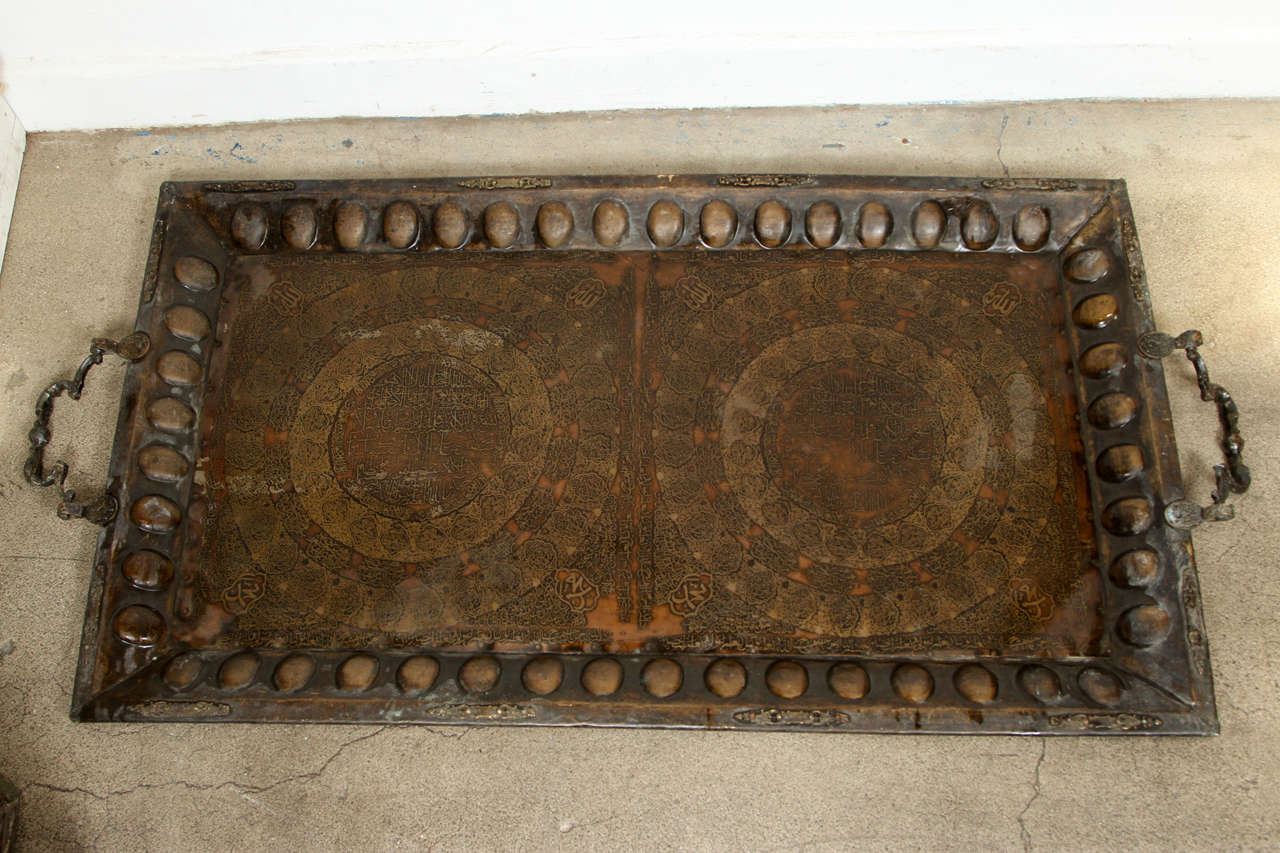
Brass Copper Tray Inlaid with Islamic Koranic Calligraphy
By Mamluke
Located in Moreno Valley, CA
Large Moorish rectangular brass and copper tray decorate with overlay brass designs in Islamic
Brass, Bronze
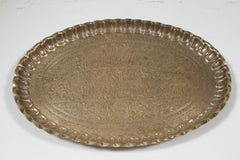
Antique Middle Eastern Egyptian Wall Hanging Silvered Tray
Located in Moreno Valley, CA
Antique Middle Eastern Egyptian wall hanging charger tray. Silver color metal with pictural scene
Metal, Copper
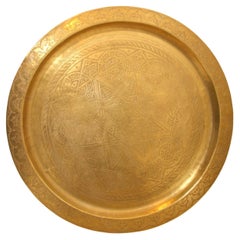
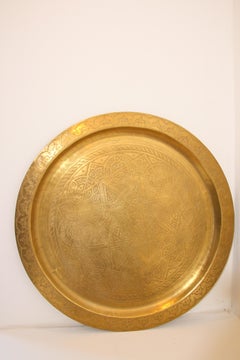
1940's Antique Moroccan Large Polished Round Brass Tray Platter 36 in. D.
By Berber Tribes of Morocco
Located in Moreno Valley, CA
geometrical Moorish designs. Heavy brass metal circular brass tray could be use as a tray table or on an
Metal, Brass, Copper
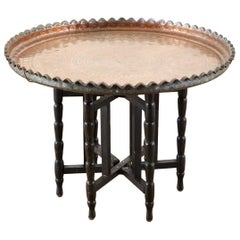
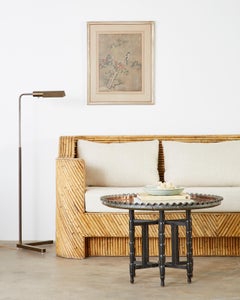
Moorish Copper Tray Table with Folding Base
Located in Rio Vista, CA
Unique Turkish copper tray table or coffee table made in the middle eastern Moorish style. Features
Copper
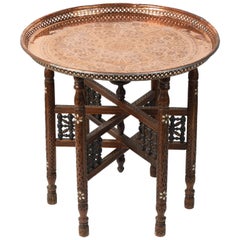
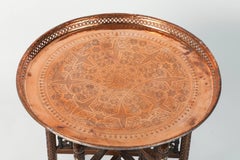
Moroccan Moorish Copper Tray Table with Folding Base
Located in Moreno Valley, CA
Moroccan Moorish antique copper tray table with wooden hand-carved folding base. The hammered
Copper
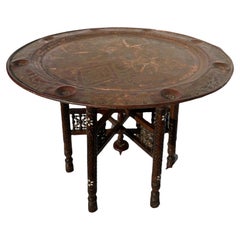
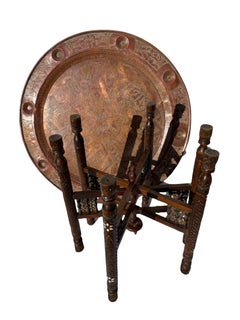
Moorish Syrian Copper Tray Table
Located in palm beach, FL
top is made of copper and engraved with arabesque.
Copper
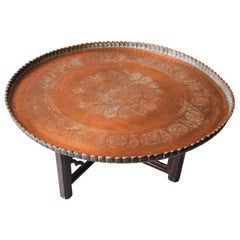
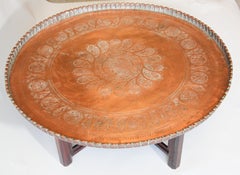
Large Moorish Qajar Mughal Copper Tray Table
Located in Moreno Valley, CA
Very large 44" Middle Eastern Asian copper metal tray, finely handcrafted, etched, hammered and
Copper
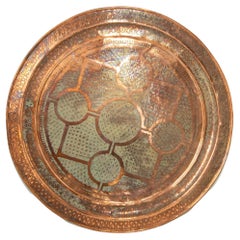
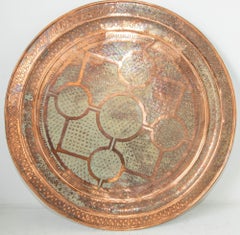
Antique Hand Tooled Oversized Moroccan Metal Copper Tray 38 in. D. Circa 1920's
By Berber Tribes of Morocco
Located in Moreno Valley, CA
Moorish design. A polished Moroccan copper tray is a stunning piece of traditional Islamic craftsmanship
Copper
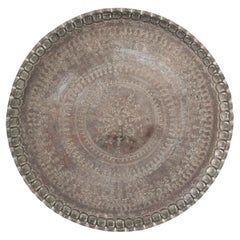
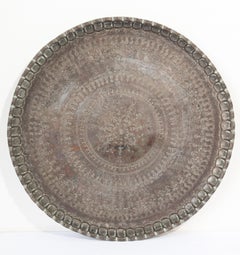
Antique Moorish Tin Copper Round Charger Tray
Located in Moreno Valley, CA
Mameluke style tinned copper circular serving tray. Very nice unusual Moorish style dark bronzed color
Metal, Copper
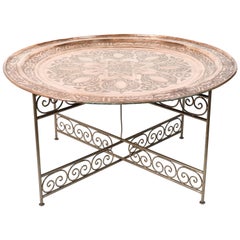
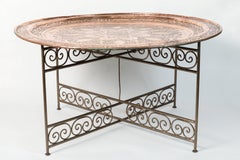
Handcrafted Moroccan Moorish Round Copper Tray Table on Iron Base
Located in Moreno Valley, CA
Handcrafted Moroccan round copper tray table on iron base. Moroccan round brass tray table on iron
Copper, Iron
Sold
H 40 in Dm 40 in
Antique Monumental Asian Turkish Moorish Tinned Copper Round Islamic Tray 19th C
Located in Moreno Valley, CA
tinned copper tray, late 19th century. A large-scale 19th century Asian Moorish Turkish Persian tin
Copper, Tin
Large Scale Moroccan Etched Copper Tray
Located in Stamford, CT
Top quality circa 1900 Moroccan copper tray etched with beautiful Moorish inspired floral
Copper
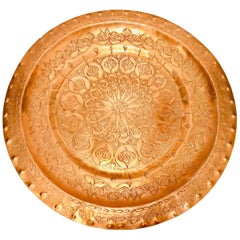

Moroccan Polished Round Metal Copper Tray
Located in Moreno Valley, CA
Vintage Moroccan polished round serving metal copper tray platter with traditional geometric
Brass, Copper
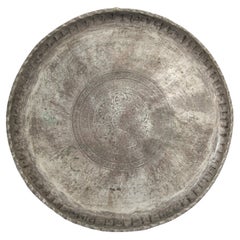
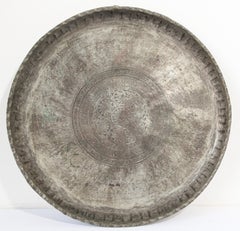
Asian Turkish Tin Copper Round Decorative Tray
Located in Moreno Valley, CA
A large-scale 19th century Moorish Turkish Asian tin copper round tray platter.. With deeply
Metal, Copper
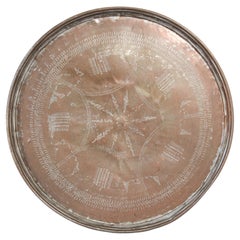

Antique Turkish Tinned Copper Circular Serving Tray
Located in Moreno Valley, CA
Turkish Asian tin copper round tray. Antique Turkish tinned copper circular serving tray. Very nice
Metal, Copper
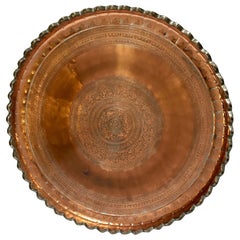
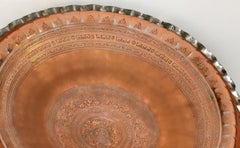
Indo Persian Islamic Tinned Copper Hanging Decorative Metal Tray
Located in Moreno Valley, CA
Large antique heavy Islamic tinned copper tray with hand chased designs of figure, animals and
Brass, Copper, Tin
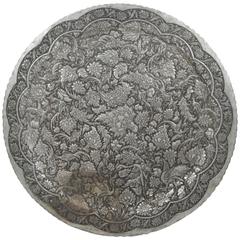
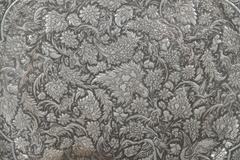
Antique Persian Silvered Wall Tray
By Mamluke
Located in Moreno Valley, CA
Large antique Persian wall hanging round charger tray. Museum quality piece. Persian Middle
Copper
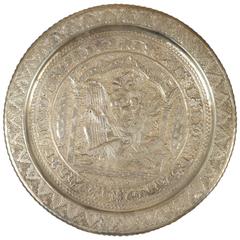

Antique Persian Silvered Wall Tray
Located in Moreno Valley, CA
Antique Persian wall hanging round charger tray. Silver color metal. Museum quality piece. Nicely
Brass, Copper, Tin
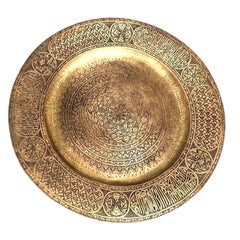
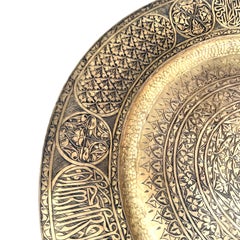
Vintage Large Moroccan Brass Tray with Engraved Design
Located in Charleston, SC
Large 25” decorative Moorish brass tray, serving platter. Middle Eastern hand-made and hand
Brass, Copper
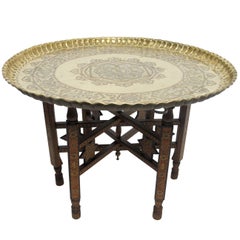
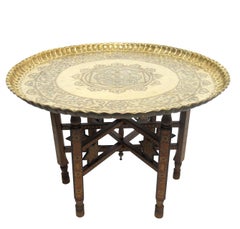
Mixed Metal Tray Table with Inlay Wood Stand, Syrian, Late 19th Century
Located in San Francisco, CA
Syrian mixed-metal tray of brass, silver and copper, on later folding wood stand having an inlaid
Silver, Brass, Copper
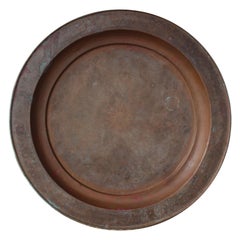

Vintage Moorish Etched Copper Tray, 19th Century
Located in Los Angeles, CA
Vintage Moorish 19th century etched copper tray. Original condition with age appropriate wear
Copper
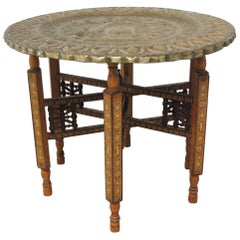
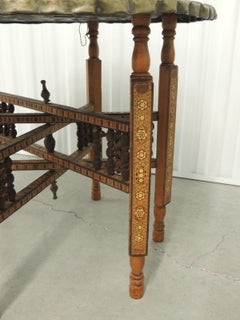
Sold
H 19.5 in Dm 25 in
Large Vintage Repoussse Indian Decorative Round Tray Side Table with Wood Stand
Located in Oakland Park, FL
decorative Indian round tray repose with an intricate pattern handmade with a mixture of brass, copper and
Copper, Brass

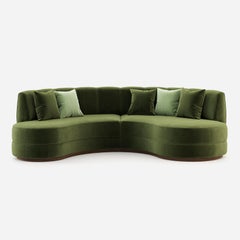
$14,350 / item
H 33.08 in W 115.36 in D 61.82 in
1950's Style Curved Velvet Sofa in Custom Velvet Colors
Located in NEW YORK, NY
The Sofa inspires itself nature where green is the predominant element and where valleys and hills prevail. The item’s details allow it to be the perfect statement piece for any cont...
Velvet, Walnut
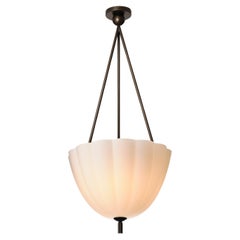
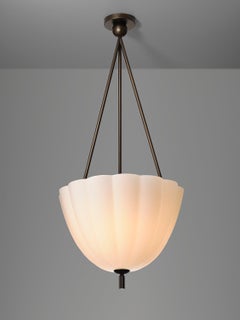
$3,800 / item
H 15 in Dm 19.63 in
VOLARE Large Pendant Light in Dark Bronze & Blown Glass by Blueprint Lighting
By Blueprint Lighting, Josef Hoffmann
Located in New York, NY
Volare draws inspiration from a collection of ornate pendants discovered by founders Kelly and Josh during a family trip to Washington, D.C. Featuring a substantial 20" pressed-glass...
Brass, Bronze, Enamel, Nickel
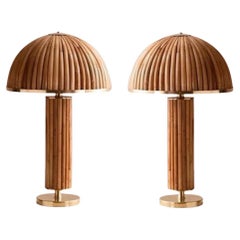
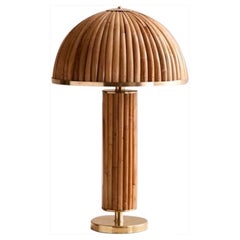
Pair of 70s Style Italian Bamboo and Brass Table Lamps
Located in New York, NY
Monumental size Bamboo lamps. Crafted in Italy and made to order, these lamps are modern and chic. Production lead time 2-4 weeks. Base diameter 8 inches, hat diameter 20 inches, he...
Brass
$5,991Sale Price / item|20% Off
H 19.69 in W 70.87 in D 27.56 in
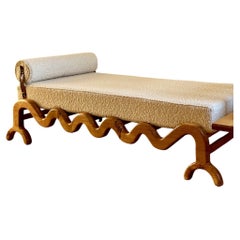
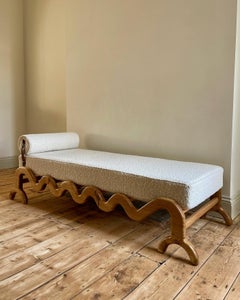
Custom Oak & Cream Bouclé Daybed by Fosfeen Handcrafted, Made to Order
Located in Plymouth, GB
A handcrafted oak and cream bouclé daybed from Fosfeen’s Sunday Collection. Made to order with full customisation available, including COM, finishes, and dimensions. The Sunday Dayb...
Bouclé, Oak, Fabric, Textile, Upholstery, Wood, Hardwood
$229,457Sale Price|33% Off
H 51.19 in W 55.12 in D 201.58 in
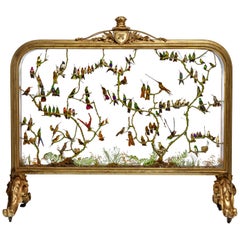
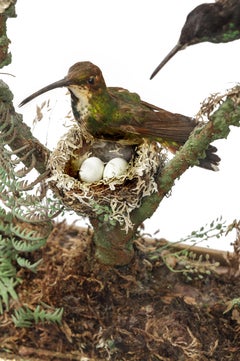
Rare Victorian Firescreen with Taxidermy Hummingbirds by Henry Ward
By Henry Ward
Located in Amsterdam, NL
England, third quarter of the 19th century On two scrolling foliate feet with casters, above which a rectangular two-side glazed frame, with on top a two-sided shield with initial...
Other
$1,800 / item
H 26 in W 18 in D 18 in
Bertu Counter Stool, Cicely Modern Sheepskin Counter Stool, White Oak
By Bertu Furniture
Located in Oak Harbor, OH
Bertu Counter Stool, Cicely Modern Sheepskin Counter Stool, White Oak This Modern Cicely Counter Stool with Sheepskin Seat is beautifully constructed from solid white oak in Ohio, ...
Sheepskin, Wood, Oak
$2,838 / item
H 24 in W 24 in D 24 in
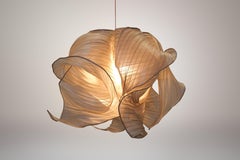
Modern Fabric Pendant Light by Studio Mirei, Nebula 60, from Costantini
Located in New York, NY
The Nebula collection is drawn out of the interstellar clouds of dust and gas in space - regions where stars begin to form. Made of a woven natural fiber from the banana tree, which ...
Natural Fiber
$2,000Sale Price / item|20% Off
H 17.72 in Dm 14.97 in
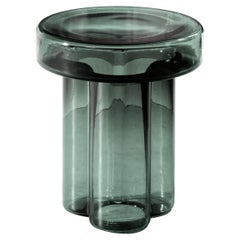
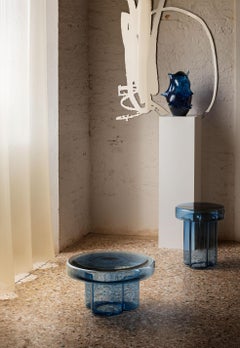
Soda Blown Murano Glass High Coffee Table in Petrol by Yiannis Ghikas
By Miniforms, Yiannis Ghikas
Located in Brooklyn, NY
Soda was born upside-down, with a puff of air. It weighs 20 kilos, and it is blown, drawn out and shaped by three master glassmakers. The result is a single volume of glass with thre...
Blown Glass

$5,106Sale Price / set|30% Off
H 24.01 in Dm 13.78 in
Pair of Constant Night Stands in Poplar Burl wood by Master for Lemon
By Lemon
Located in Amsterdam, NL
Envisioned by designer Yaniv Chen, the Constant nightstand exudes an air of refined luxury, celebrating the inherent splendor of Poplar burl wood. Meticulously crafted with impeccabl...
Burl, Poplar
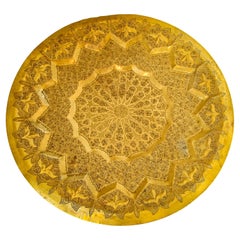

Moroccan Moorish Polished Brass Decorative Tray Wall Hanging
Located in Moreno Valley, CA
Fabulous Moroccan Moorish hand-hammered brass tray, intricate multi dimension artwork, very fine Islamic Metalwork brass repousse designs. Handcrafted wall hanging decorative brass ...
Brass
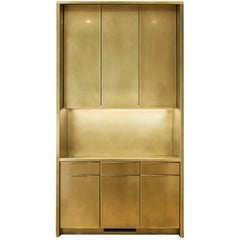
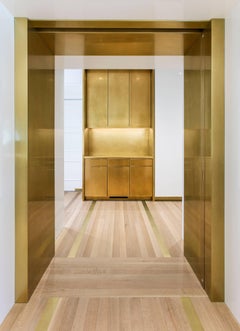
Amuneal's Brass Pantry Cabinetry
By Amuneal
Located in New York, NY
Amuneal's Brass Pantry Cabinetry, part of our metal Kitchen Collection, is designed as a feature element for any space. The three doors on the upper cabinets are fabricated with a kn...
Brass
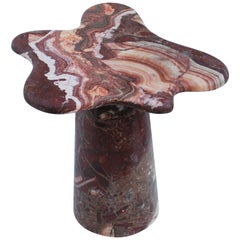
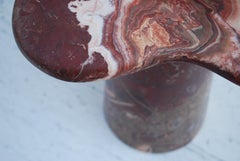
Ondamarmo Vulcano Onyx Matte Polished Side Table
Located in AVENZA CARRARA, IT
The Ondamarmo series by Federica Elmo includes 6 objects: The extra large dining table, two smaller size tables, three shelves, and a tray designed as an evolution of the shapes of t...
Onyx
$2,212Sale Price|20% Off
H 19.69 in W 16.93 in D 14.97 in
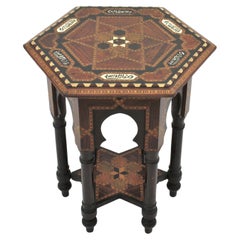
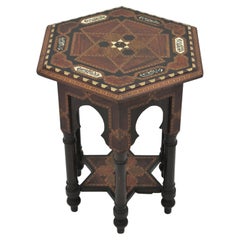
Spanish Moorish Hexagonal Wooden Table or Stand, 1950s
Located in Barcelona, ES
Superb Moorish style marquetry side table or Taboret with hexagonal top. Spain, Andalusia, 1950s. Hexagonal end table with exquisite work of marquetry inlay of walnut, ebony, root w...
Wood, Acrylic
$1,765
H 73.63 in W 57.88 in D 74.81 in
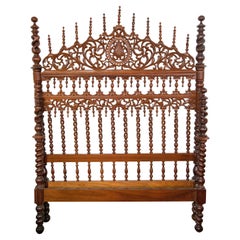
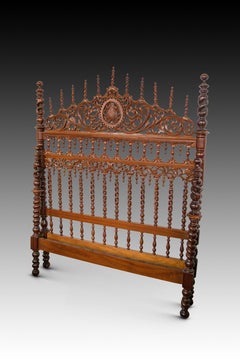
Bed frame. Carved and turned wood. 20th century, following ancient models.
Located in Madrid, ES
Bed frame. Carved and turned wood. 20th century, following ancient models. Bed frame composed of a headboard and footboard made of carved and turned wood called mogno, creating arc...
Other
$21,072
H 31.5 in W 157.49 in D 59.06 in
Verner Panton Cloverleaf Sofa 3 Parts in 'Harald 3 #982' by Kvadrat for Verpan
By Verner Panton
Located in Tilburg, NL
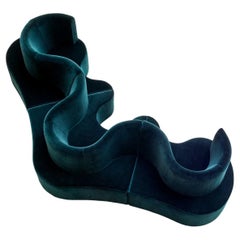
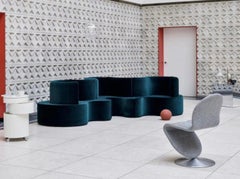
Verner Panton cloverleaf sectional sofa. Current production. This listing shows a 3-piece Cloverleaf Sofa in dark green 'Harald 3 #982' by Kvadrat. Seats 5 people in a very interesti...
Fabric, Wood
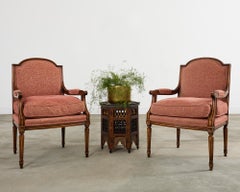
Moorish Middle Eastern Hexagonal Polychrome Drink Table
Located in Rio Vista, CA
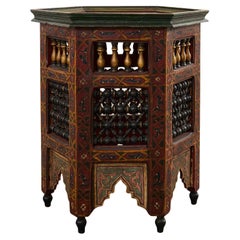
Impressive Moroccan or Syrian hexagonal shaped drinks table. The table features a highly carved, polychromed finish with intricate Moorish geometric shapes and islamic designs. Each ...
Wood, Lacquer
After the Muslim conquest of the Iberian Peninsula in the eighth century, Islamic Spain became a cultural mix of influences that shaped both private homes and religious spaces. Moorish design was the name given to this style, which evolved through the 15th century with vibrant tile work, horseshoe arches and lavish ornamentation, most visible at sites such as Granada’s Alhambra and the Mosque-Cathedral of Córdoba. Moorish furniture was often similarly ornate, and featured pieces inlaid with wood, ivory and bone.
When European designers began studying Moorish art and architecture in the early 19th century, it led to a Moorish Revival. Appropriating the style’s decorative flourishes and architectural elements, it promoted a romantic view of Islamic design. Travelers could bring home a memento of what they witnessed in the Middle East, a trend that aligned with a fad for themed interiors. Men’s smoking rooms arranged with ottomans, divans and settees and inlaid tables were especially popular, as were cafés where coffee was served amid bead curtains and colorful floor mats. (Handwoven rugs are a centerpiece of Moorish interiors.) Octagonal rooms with domed ceilings were created for wealthy homes, frequently with furnishings like pipe stands, filigree plasterwork and arched doorways. The horseshoe arch is an iconic attribute of Moorish architecture that, in addition to Spain, can be found in Sicily, Morocco and elsewhere.
Several late 19th to early 20th-century movements featured Moorish touches. The American and English Aesthetic Movement, for example, borrowed liberally from global decorating styles, as seen in furniture designed by Lockwood de Forest, a New York-born artist who mixed Eastern and Western forms. The visual vocabulary of Art Nouveau also references the elegant use of geometry in Moorish design, with Milanese Art Nouveau furniture designer Carlo Bugatti drawing inspiration from the style. The Arts and Crafts movement, which prized expressive yet simple design, incorporated Moorish influences; hand-painted furniture and tile work created by William De Morgan, a British designer and potter who made furnishings for the likes of Morris & Co., were informed by techniques from Moorish Spain.
Find a collection of Moorish lighting, decorative objects, folk art and more furniture on 1stDibs.