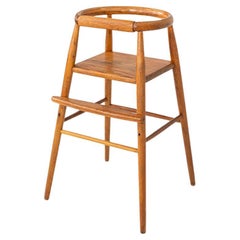
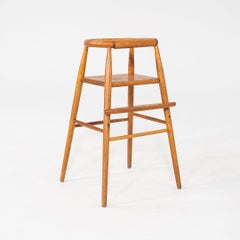
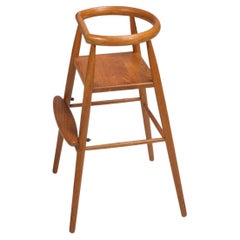
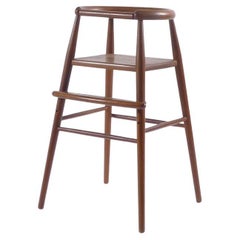
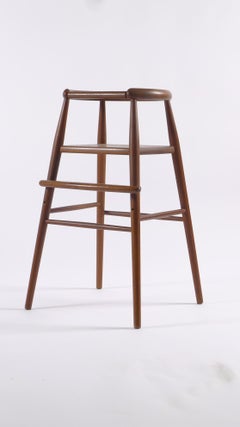
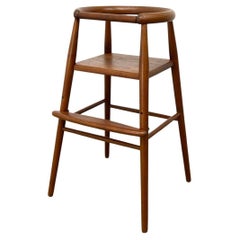
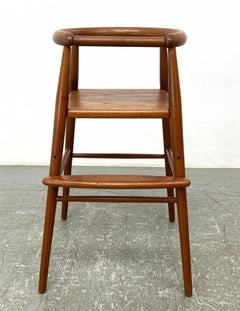
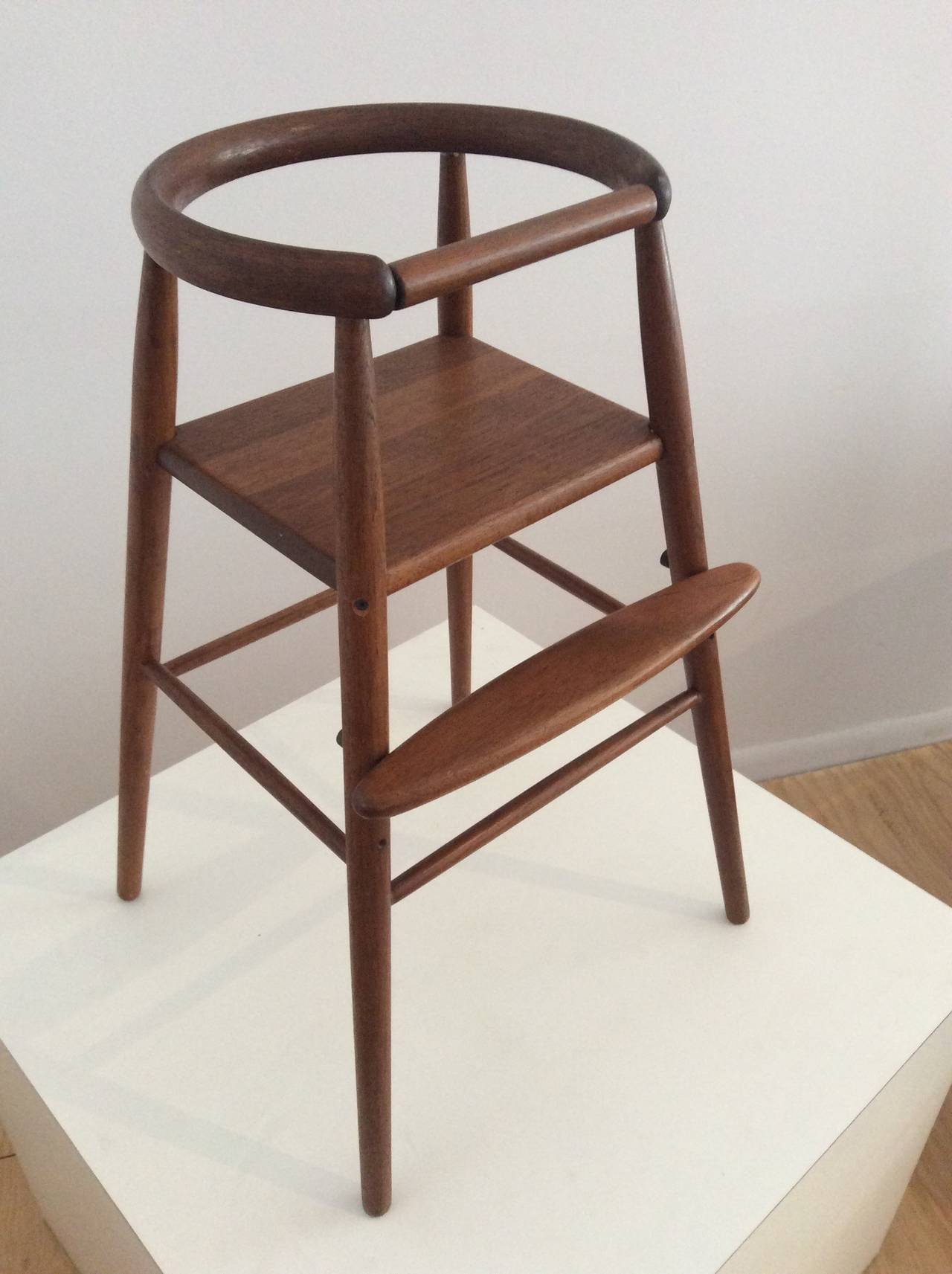
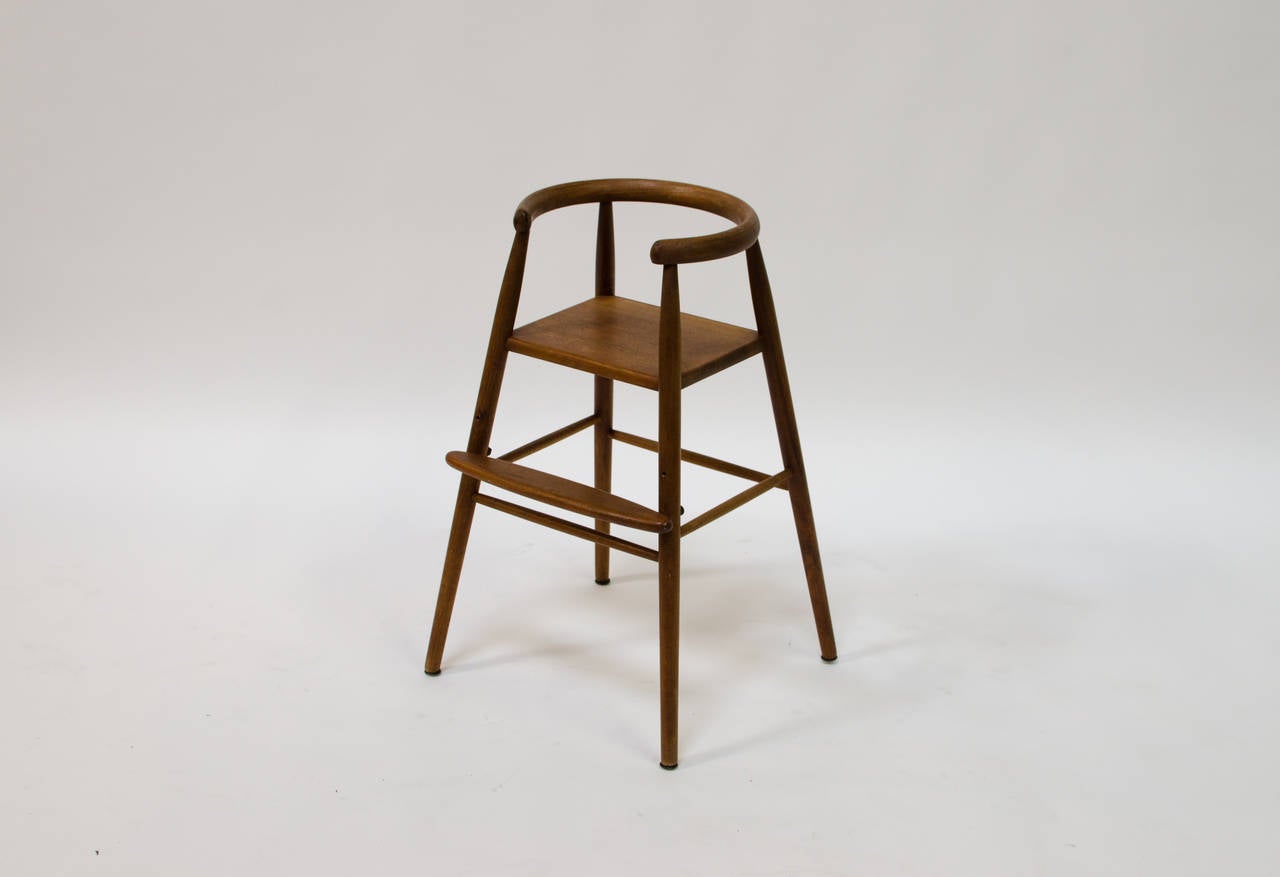
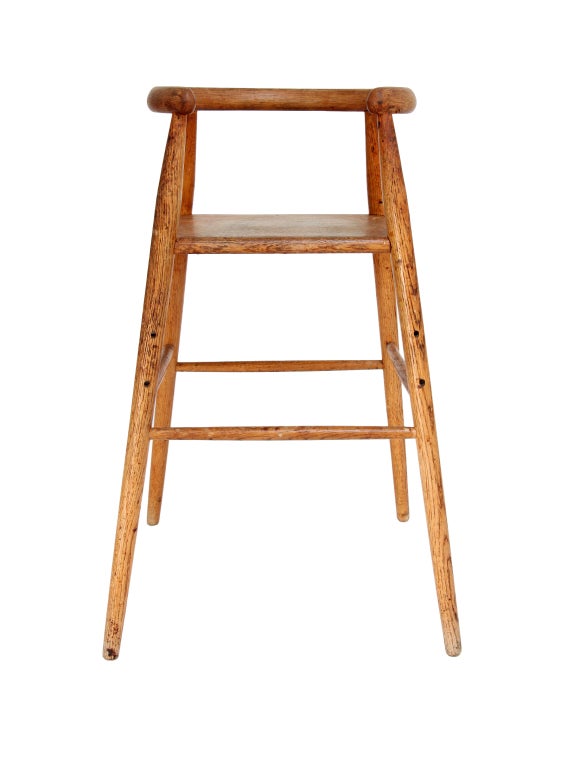
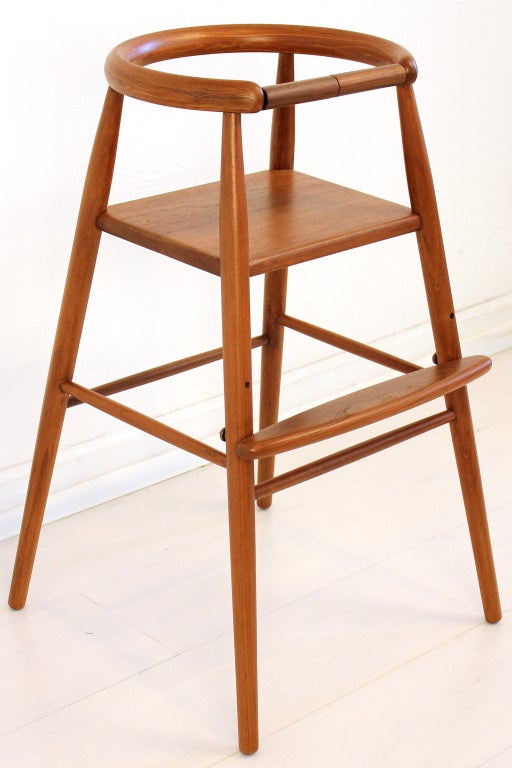
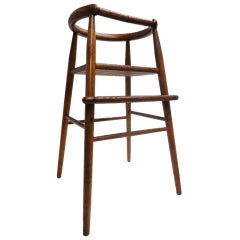
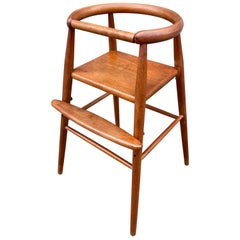
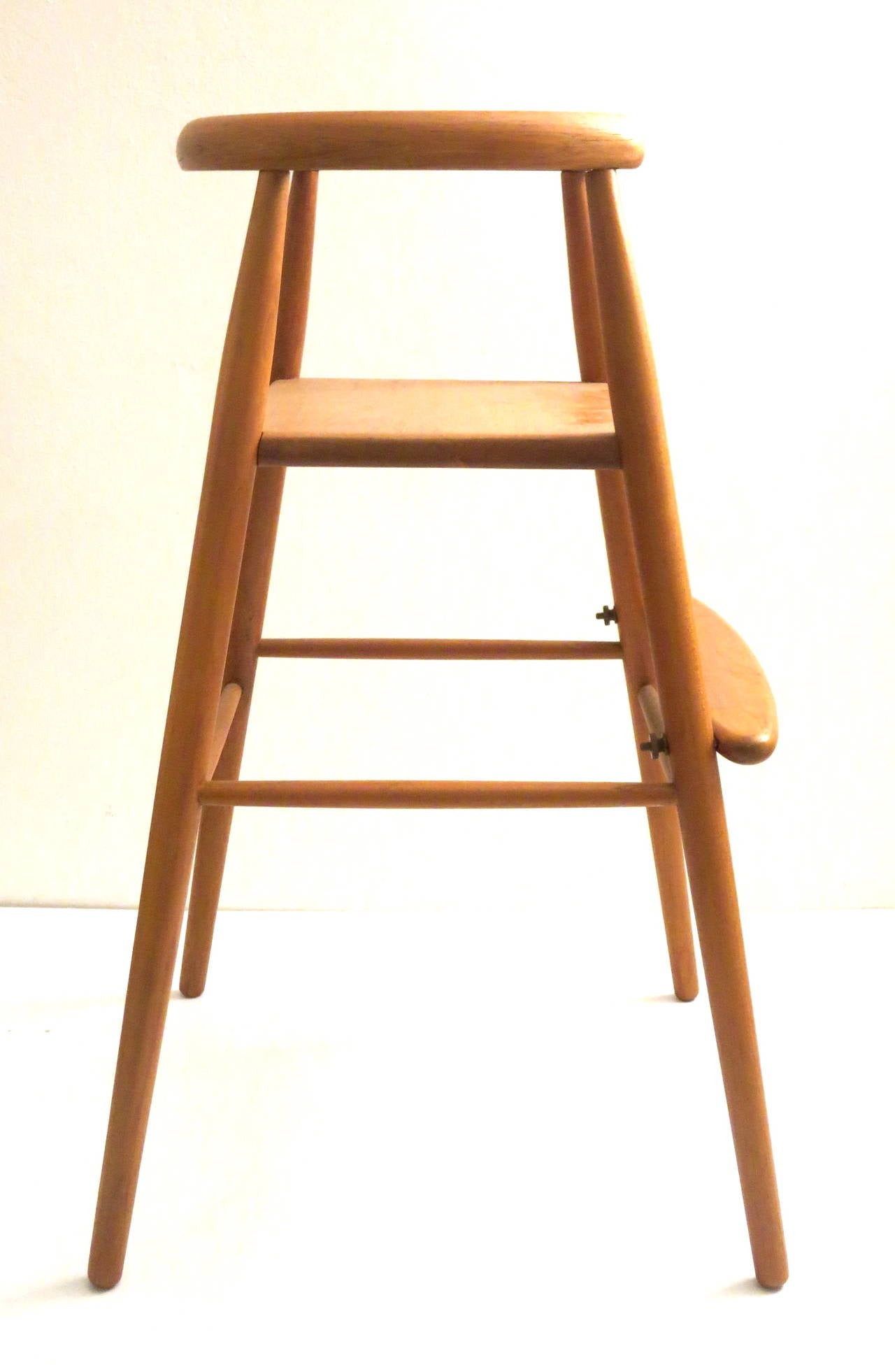
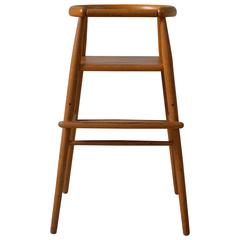
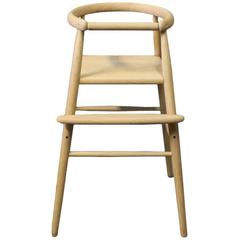
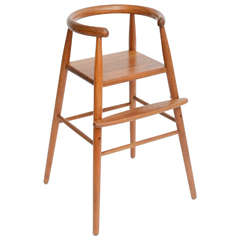
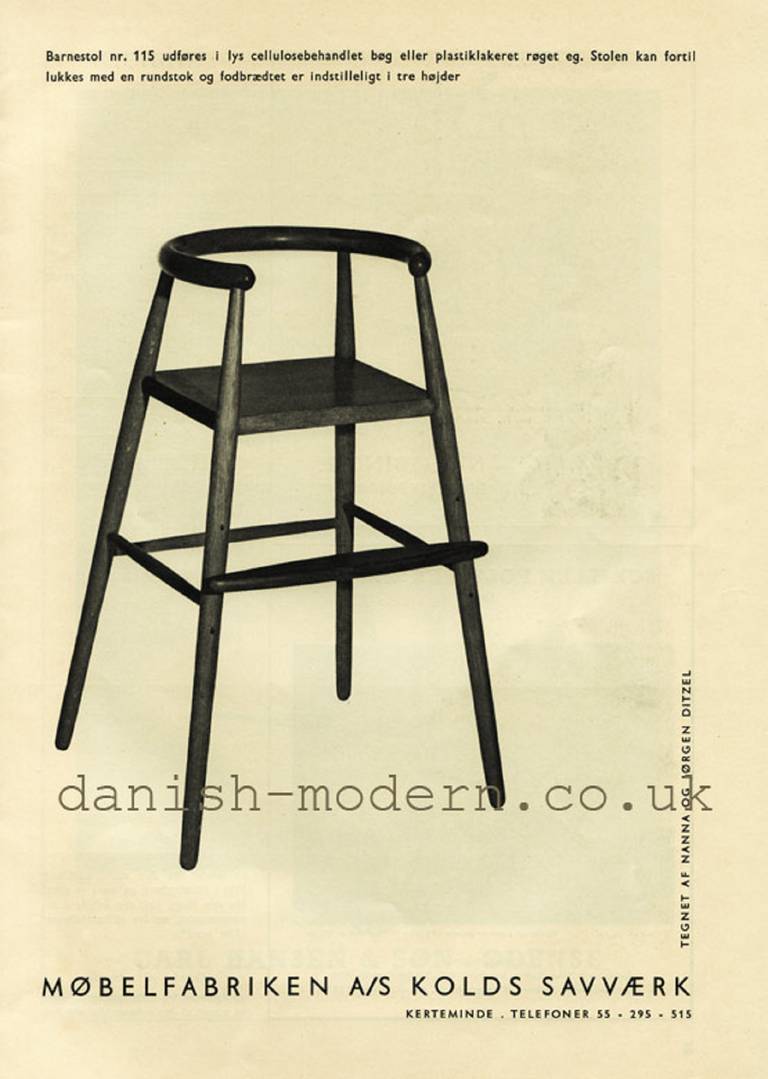
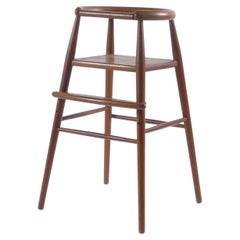
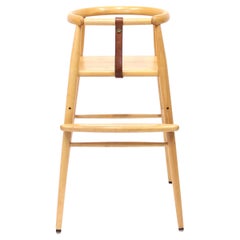
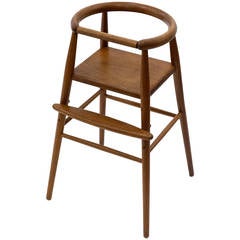
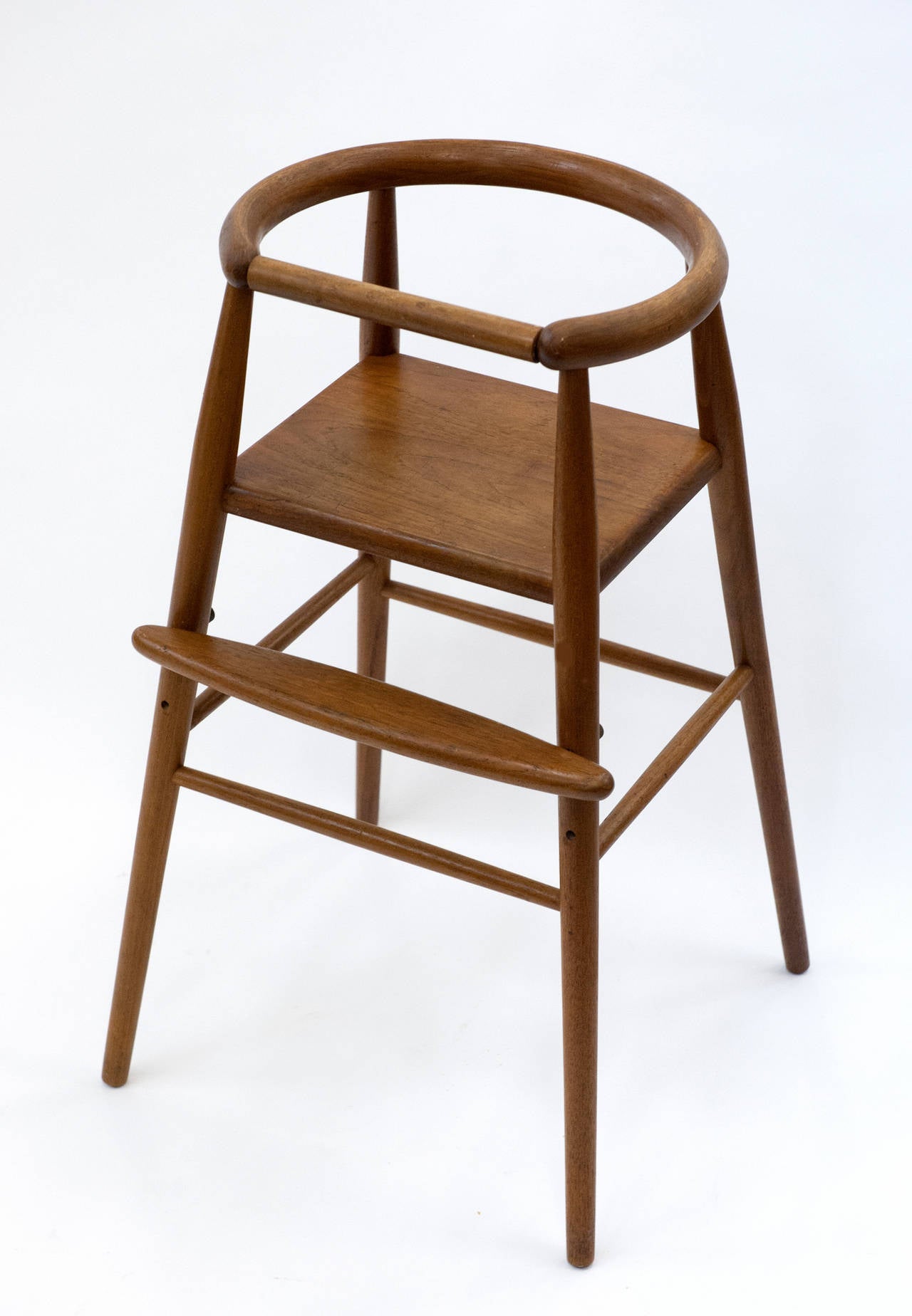
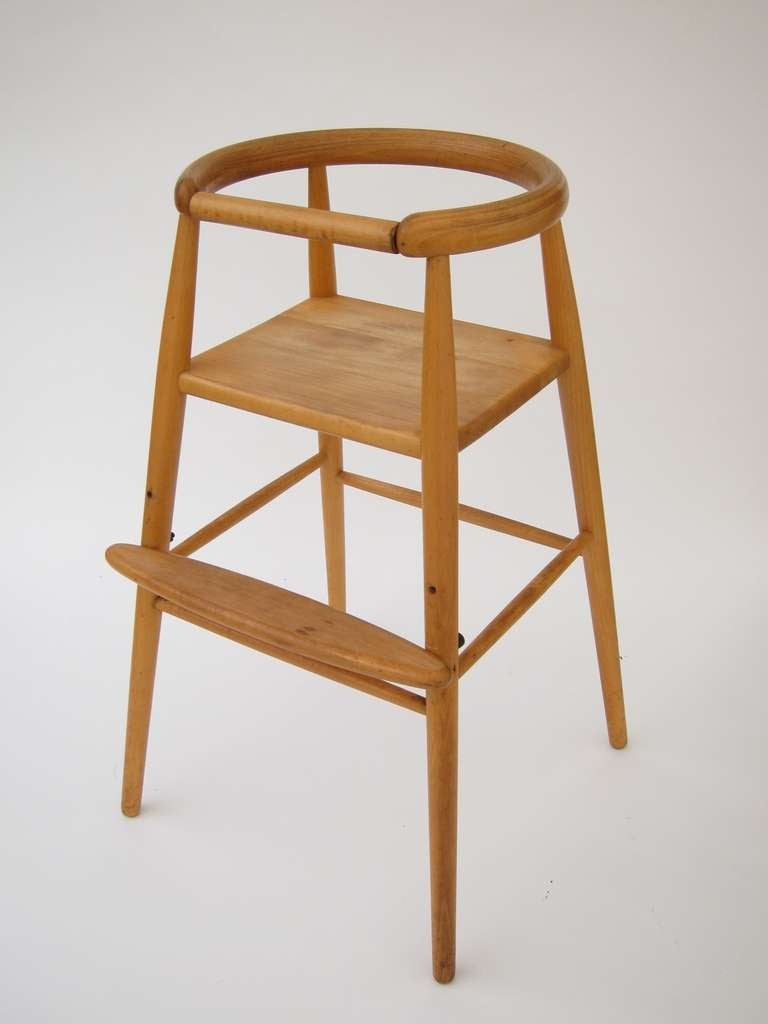
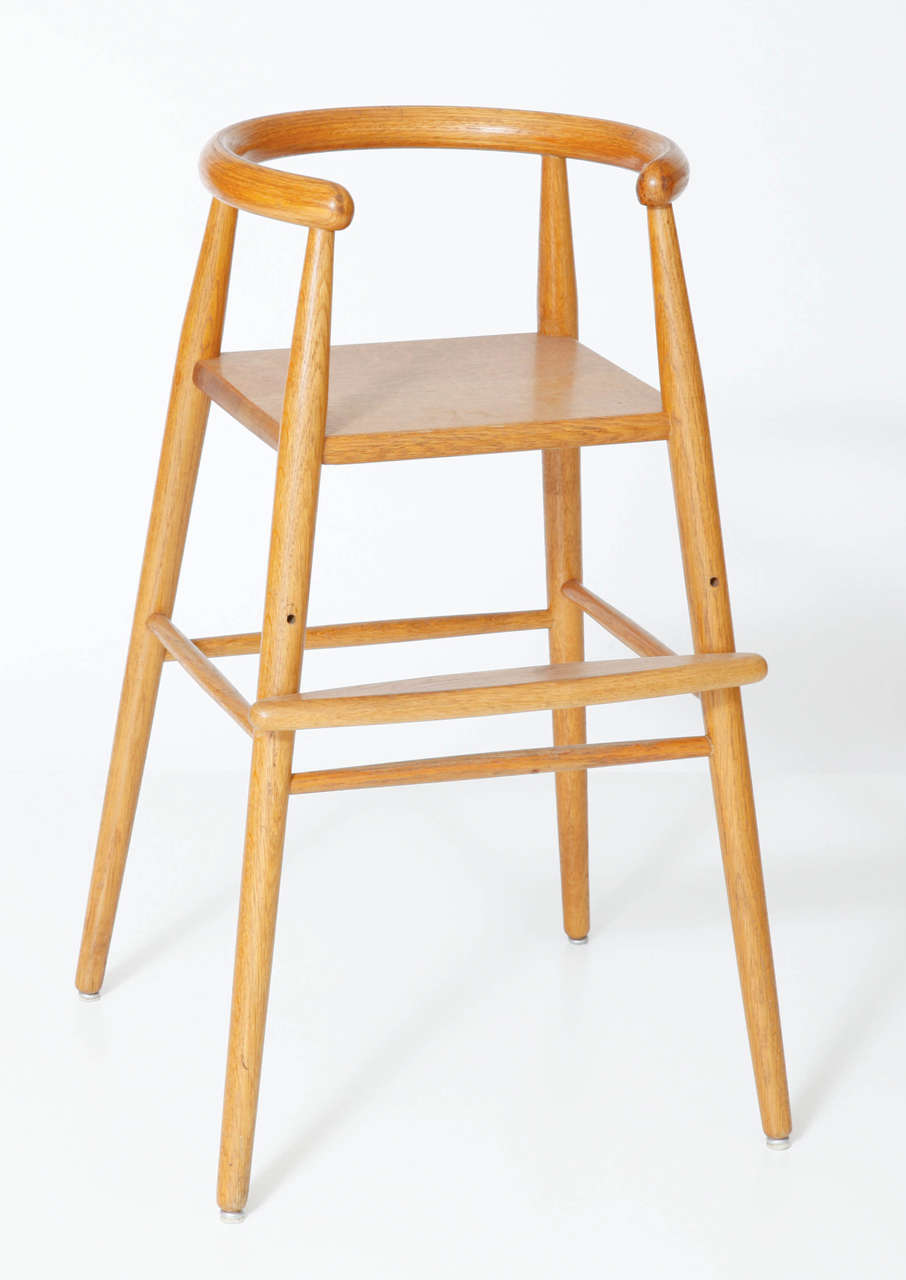
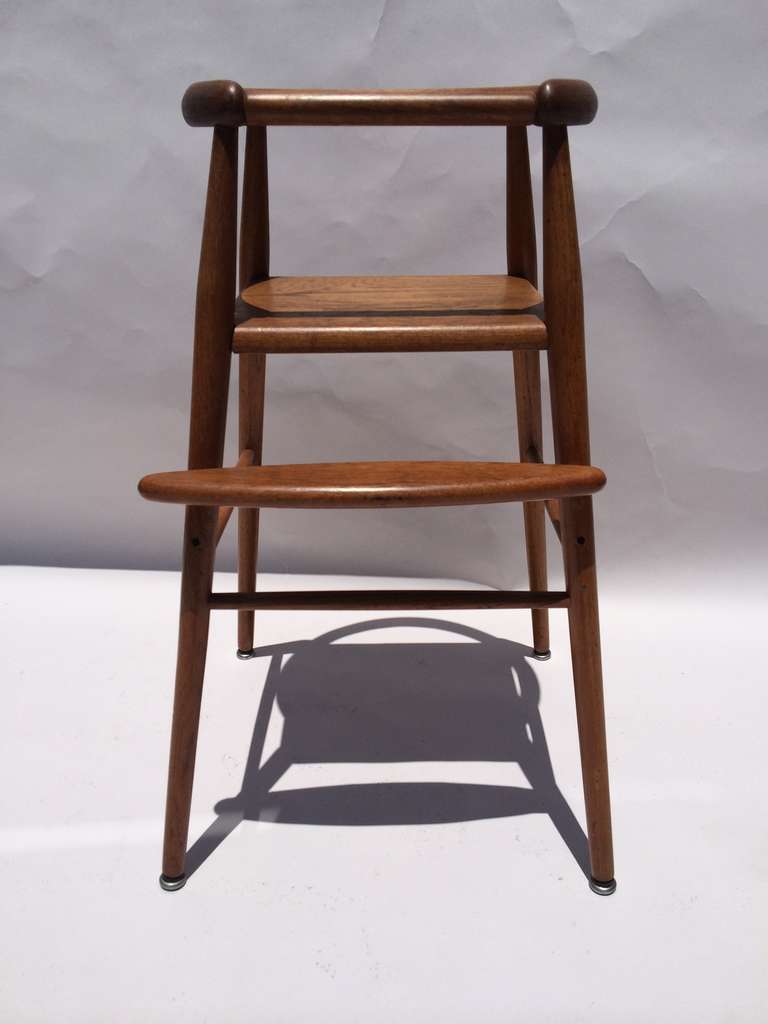
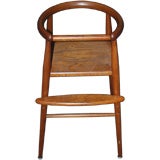
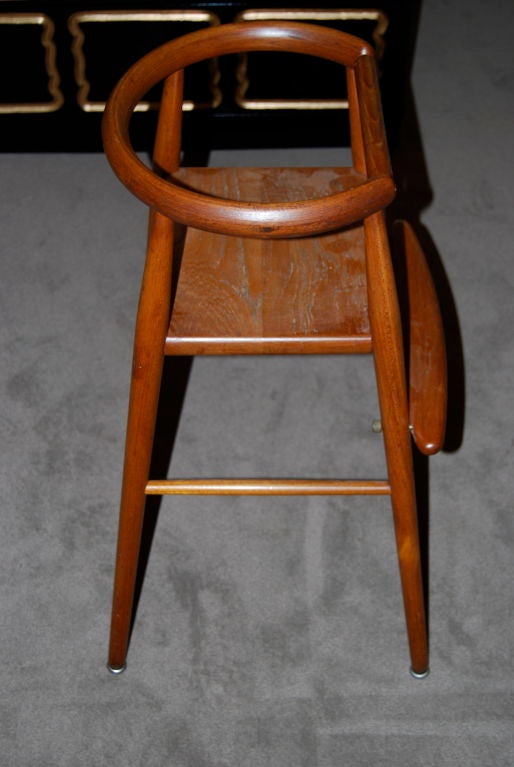
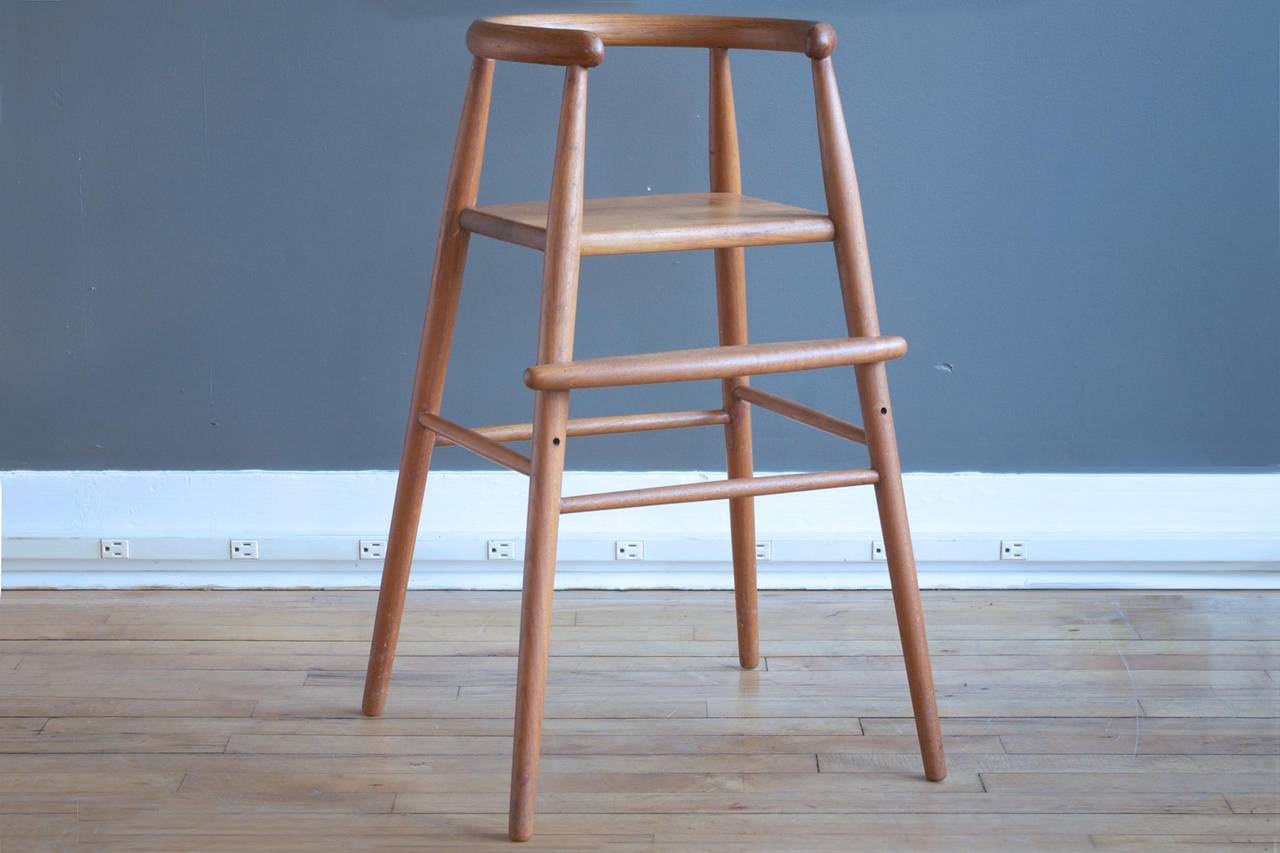
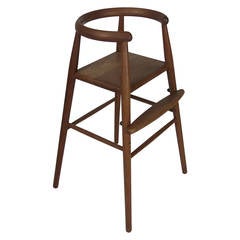
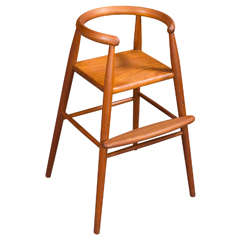
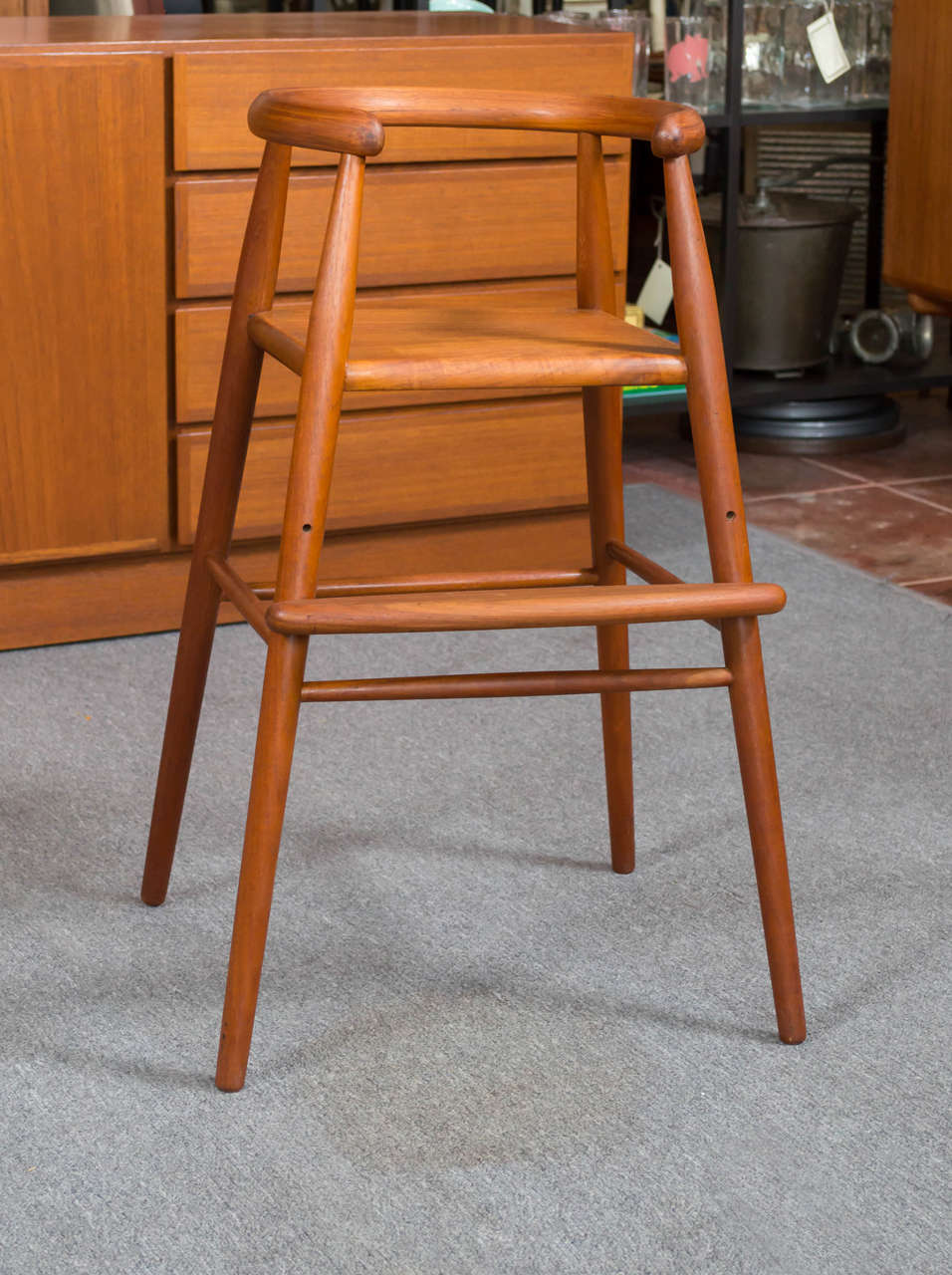
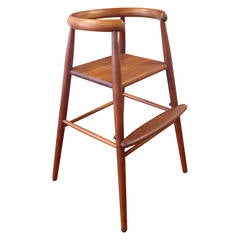
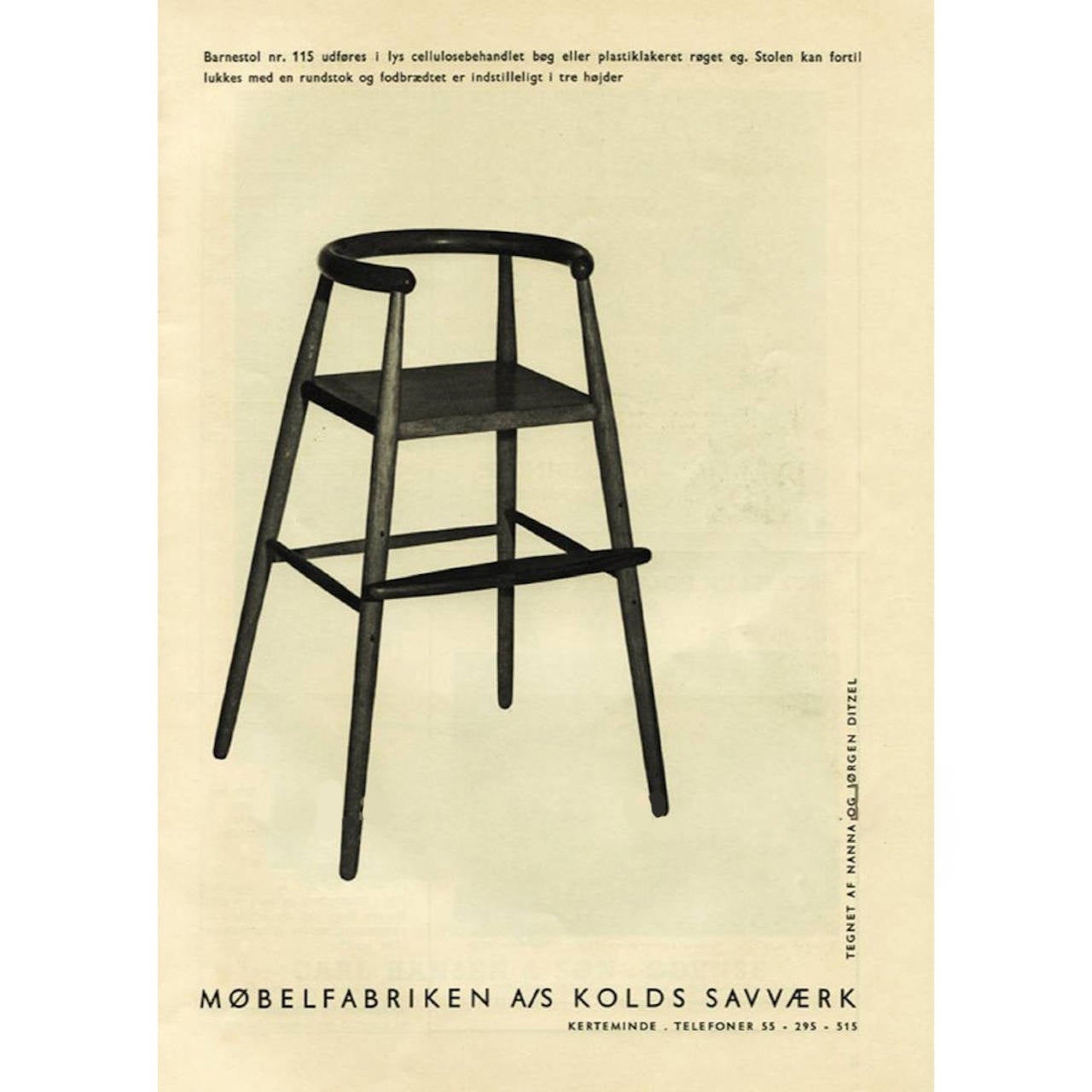
Find many varieties of an authentic nanna ditzel high chair available at 1stDibs. Frequently made of
wood,
hardwood and
teak, every nanna ditzel high chair was constructed with great care. There are many kinds of the nanna ditzel high chair you’re looking for, from those produced as long ago as the 20th Century to those made as recently as the 20th Century. When you’re browsing for the right nanna ditzel high chair, those designed in
Scandinavian Modern and
Mid-Century Modern styles are of considerable interest. You’ll likely find more than one nanna ditzel high chair that is appealing in its simplicity, but
Nanna Ditzel,
Kolds Savvaerk and
Trip Trap produced versions that are worth a look.
A nanna ditzel high chair can differ in price owing to various characteristics — the average selling price 1stDibs is $1,150, while the lowest priced sells for $850 and the highest can go for as much as $2,600.
Nanna Ditzel was the most versatile and creative female designer that Denmark produced in the 20th century. Ditzel brought her talents to bear on a staggering array of forms — she designed furniture, jewelry, tableware and textiles; and she shaped her pieces using an equally astonishing variety of materials, from wood and wicker to silver, ceramics and fiberglass.
Born in Copenhagen, she trained as a cabinetmaker at the Royal Academy's furniture school — overseen by the great craftsman of the day, Kaare Klint — and graduated in 1943. Ditzel’s early work adhered to the classic Danish modernist tenets of simplicity, comfort and quality, and her armchairs, with their softly curved backrests are much in the spirit of Hans Wegner. Ditzel’s signature piece of that time is her Ring chair. Designed along with her husband, Jørgen Ditzel, a fabric maker, the chair has a semicircular padded armrest that seems to embrace the sitter. Ditzel began designing in wicker and in 1959 produced the Hanging chair. The piece, suspended from the ceiling by a chain, became a favorite for fashion shoots and may be as iconic of the 1960s as Eero Aarnio’s plastic Ball chair of 1963.
In 1956, Ditzel began designing for the Danish silverware firm Georg Jensen. In an association that lasted some 40 years, Ditzel would create organically shaped jewelry, barware, ceramic tableware and even tablecloths. Like her fellow Dane Verner Panton, Ditzel was not afraid to embrace industrial materials, and she began designing fiberglass chairs in the mid-1960s. Some of her most flamboyant work came toward the end of her career, in pieces such as 1989’s Bench for Two, with its shocking Op-art finish, or the Trinidad chair of 1992, with it’s sunburst-like, cut-though backs. Such feats of creativity were a fitting coda to one of the most imaginative, prolific and remarkable women of modern design.