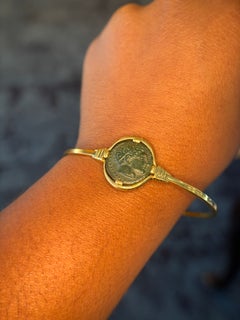
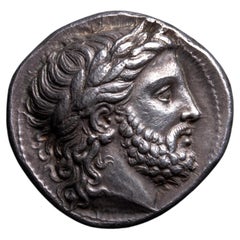
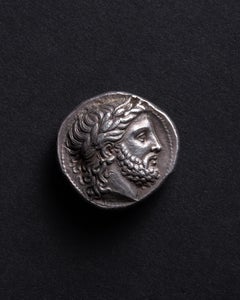
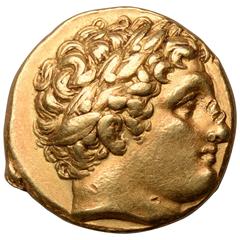
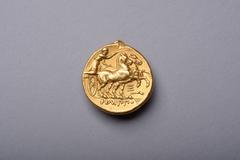
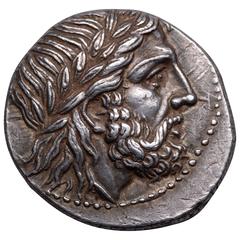
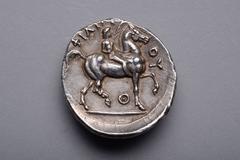
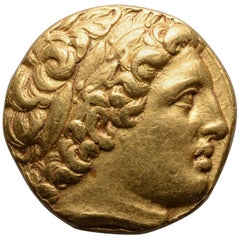
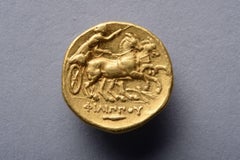
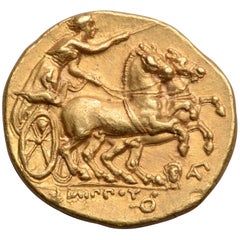
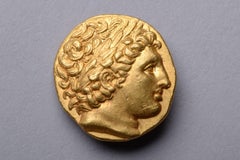
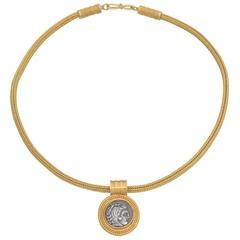
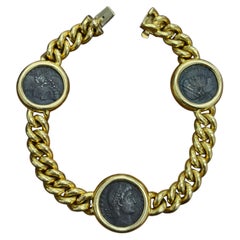
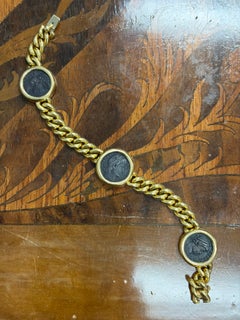
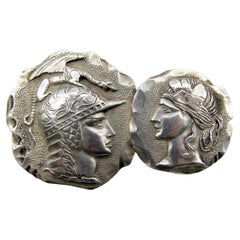
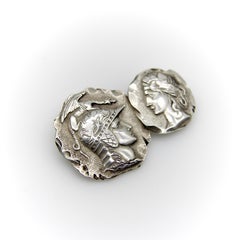
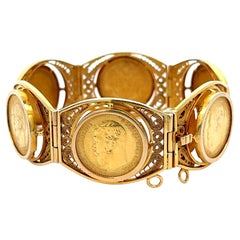
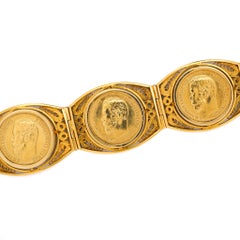
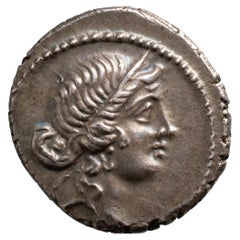
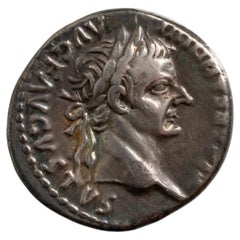
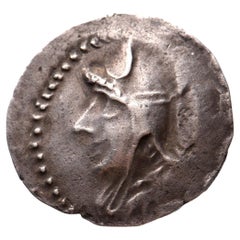
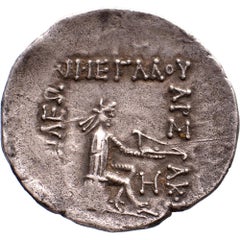
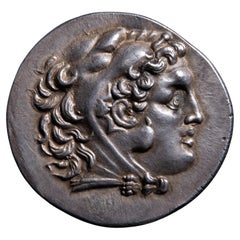
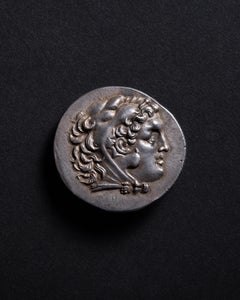
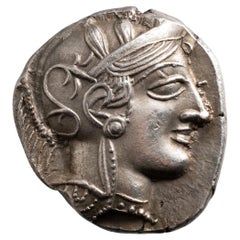
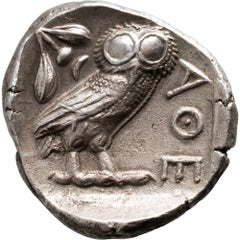
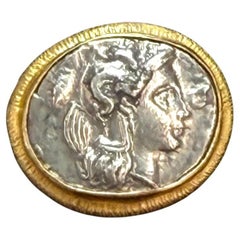
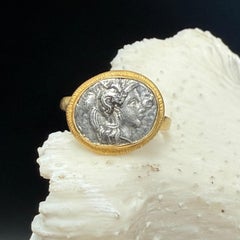
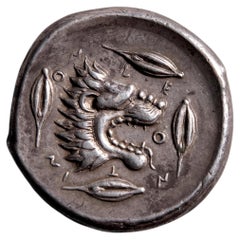
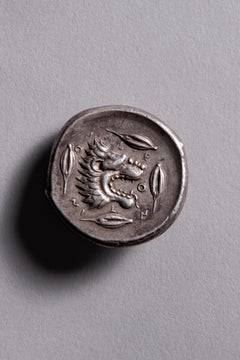
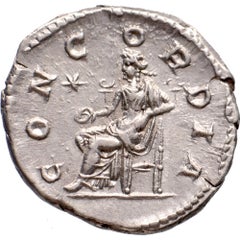
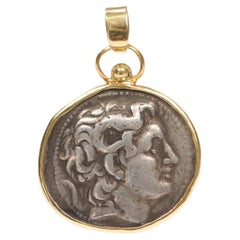
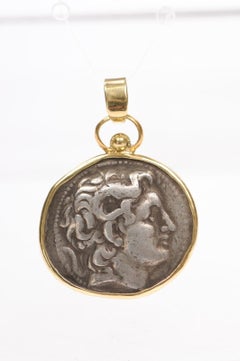
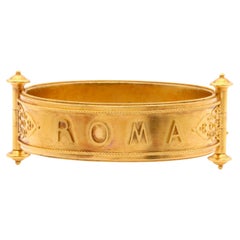
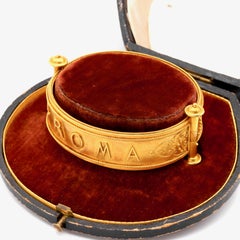
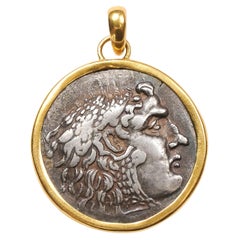
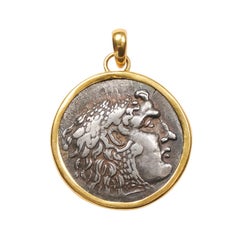
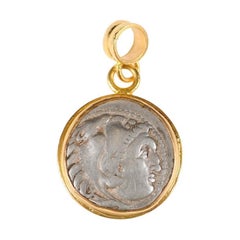
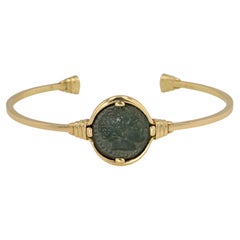
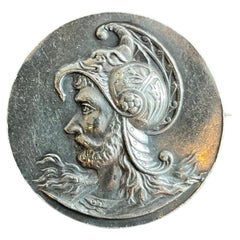
On 1stDibs, you can find the most appropriate philip ii coin for your needs in our varied inventory. Each design created in this style — which was crafted with great care and often made from
gold,
14k gold and
silver — can elevate any look. Find an antique version now, or shop for 7 vintage or 11 modern creation for a more contemporary example of these cherished accessories. Finding the perfect philip ii coin may mean sifting through those created during different time periods — you can find an early version that dates to the 18th Century and a newer variation that were made as recently as the 21st Century. There have been many well-made iterations of the classic philip ii coin over the years, but those made by
DUBINI and
Daizy Jewellery are often thought to be among the most beautiful. Take a look at a philip ii coin featuring
sapphire from our inventory today to add the perfect touch to your look. Today, if you’re looking for a
cabochon version of this piece and are unable to find the perfect match, our selection also includes
brilliant cut alternatives. There aren’t many items for
men if you’re seeking a philip ii coin, as most of the options available are for
women and unisex.
Prices for a philip ii coin can differ depending upon size, time period and other attributes — at 1stDibs, these accessories begin at $290 and can go as high as $7,052, while this accessory, on average, fetches $1,475.
There is rare surviving furniture from ancient Greece, yet this classical style has informed design for centuries. Interiors of houses in antiquity were minimal, with much of a room’s color coming from frescoes on the walls and mosaics on the floors. Classical Greek furniture was sparing but finely crafted and influenced by Egyptian furniture design through Mediterranean trade.
Furnishings of the period were usually made from local wood like cypress, cedar, oak and willow from ancient Greece’s plentiful forests, although some pieces were carved from marble, such as a 300–200 B.C. throne with lion legs and a curved back now at the Getty Villa. Comfort and clean lines characterized designs during the Classical era, the symmetry and thoughtful proportions reflecting the architecture of Greek temples.
Some pieces of ancient Greek furniture were simple, rectangular platforms like the klinē, a multipurpose ancestor of today’s couches or daybeds that held cushions stuffed with wool, dry grass or down. These structures were used for both sleeping and dining, which wealthy Greeks did while reclining. At night, oil lamps illuminated rooms that frequently surrounded a garden courtyard.
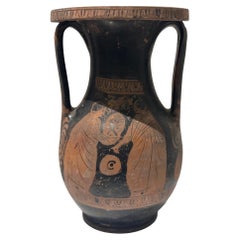
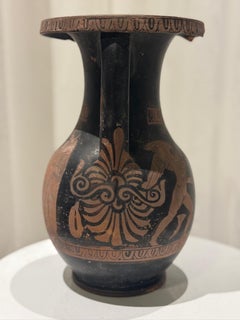
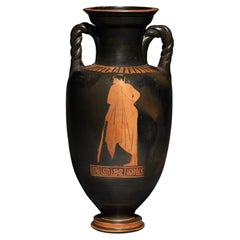
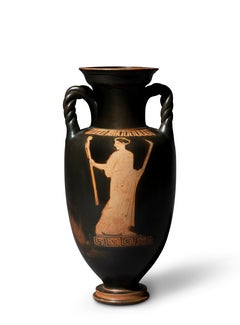
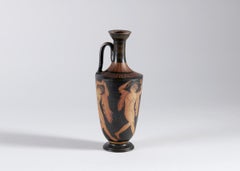
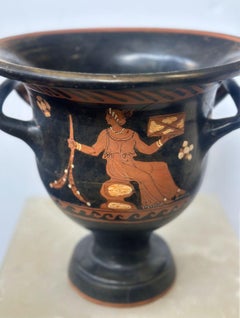
Most of what scholars have learned about Greek furniture design owes to its representations in art like vases and stelae. The portable diphros stool, with its backless design and four turned legs, was one of the more common types of seating in daily Greek life — it appears as such for the gods on the Parthenon frieze. Stools without backs have been found in early Roman tombs, while benches were also common Greek seating furniture created for use in theaters. In houses of the Hellenistic period, benches seemingly functioned as tables, too.
Some designs evolved through adaptations by the Romans, including the klismos chair. After prominent archaeological excavations at Pompeii and Herculaneum, the klismos chair — with its four saber legs and the elegant curves that define its back — was a source of inspiration for aesthetics in eras ranging from 18th-century neoclassicism to 20th-century Art Deco.
Find a collection of Classical Greek decorative objects, wall decorations and building and garden elements on 1stDibs.
Folk art refers to a genre of art that shares the creator’s traditions, offering not just an artistic display but an opportunity to learn about a culture. Vintage, new and antique folk art typically reflects a heritage or location. It can include utilitarian objects and handmade art as diverse as weather vanes, portraiture and paintings, carnival art, quilts and duck decoys.
American folk art is frequently valued because of the traditional skills involved, like weaving, hand-carving wood and even stonework. Many folk artists are self-taught, while some train as apprentices within their community. By using available materials and taking a personal approach to their creations, artists ensure each piece is unique and conveys a story. Native American folk art includes functional objects reflecting their heritage, such as baskets, textiles and wooden pieces.
During the Great Depression, artistic materials in America were hard to come by, so artisans used discarded wood from cigar boxes and shipping crates to make highly stylized, notched pieces — most often picture frames and boxes — that are today sought after by collectors. This folk art style is called tramp art and was popular from roughly 1870 until the 1940s.
Folk art brings vibrant culture and traditions into your home. Browse an extensive collection of folk art on 1stDibs.