Japan

to
611
996,878
719,951
2,266
1,837
852
640
474
429
410
191
162
151
133
124
101
93
66
62
55
48
46
41
23
22
16
14
12
9
7
7
7
7
6
6
6
5
5
5
3
3
3
2
2
2
1
1
1
1
308
185
76
66
63
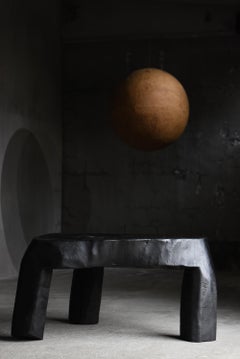
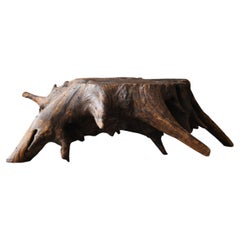
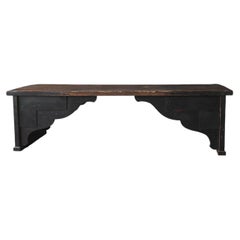
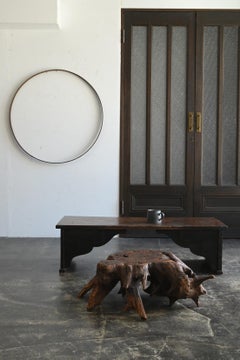
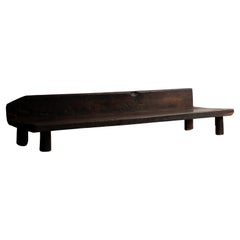
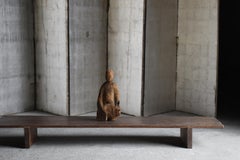
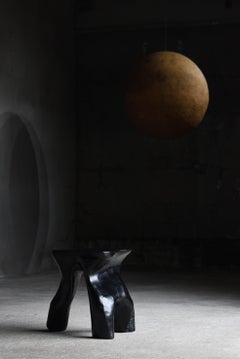
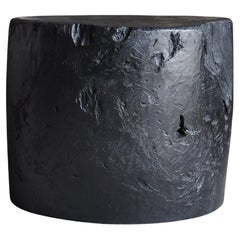
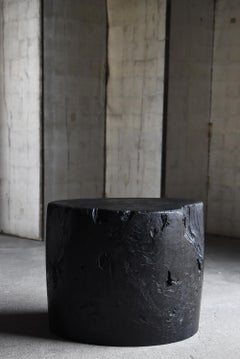
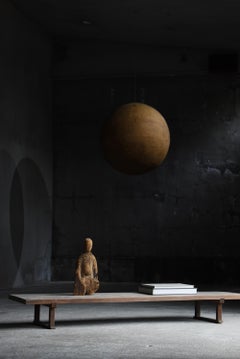
Sculptural Monolithic Wood Form 19th Century Primitive Bench, Wabi Sabi Presence

Sculptural Monolithic Wood Form 19th Century Primitive Bench, Wabi Sabi Presence

By Axel Vervoordt

Located in Sammu-shi, Chiba

A profoundly sculptural bench carved from a single massive plank of wood, embodying the quiet power of material and time. The form emerges organically. Its low elongated seat is sup...

Category

19th Century Brutalist Antique Japan

Materials

Wood

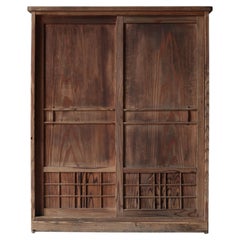
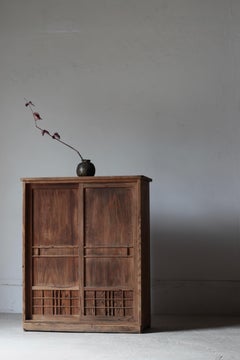
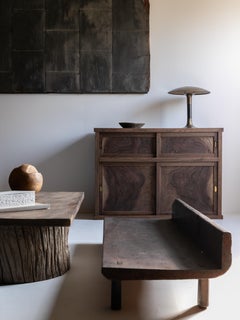
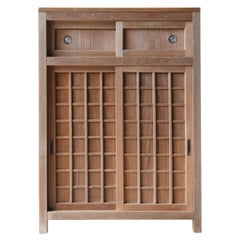
Japanese Modern Cabinet 1920-1940s / Tansu Wabi-Sabi

Japanese Modern Cabinet 1920-1940s / Tansu Wabi-Sabi

Located in Sammu-shi, Chiba

This Japanese tansu cabinet was crafted during the late Meiji to Taisho period and is made from solid cedar wood. It represents a refined example of traditional Japanese furniture, w...

Category

Early 20th Century Japanese Meiji Japan

Materials

Wood, Cedar

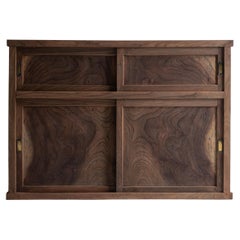
Japanese Antique Tansu Cabinet Sideboard / Wabi-sabi / Taishō–Shōwa 1910-40s

Japanese Antique Tansu Cabinet Sideboard / Wabi-sabi / Taishō–Shōwa 1910-40s

Located in Sammu-shi, Chiba

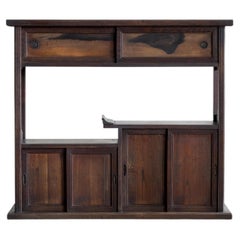
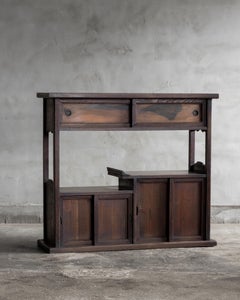
This Japanese cha dansu tea cabinet was crafted during the Taisho to early Showa period and is made from richly grained keyaki (zelkova wood), one of the most prized hardwoods in tra...

Category

Early 20th Century Japanese Taisho Japan

Materials

Wood

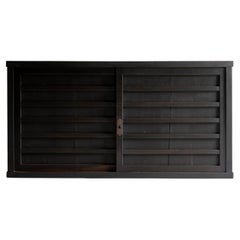
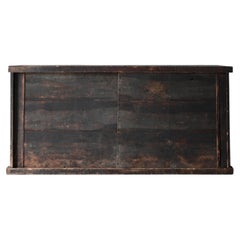
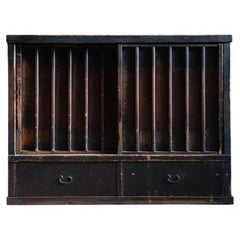
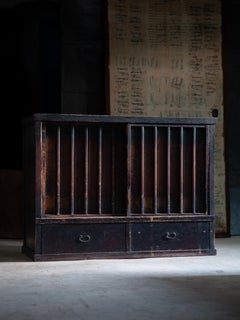
Japanese Antique Large Black Tansu 1860s-1900s / Sideboard Wabisabi

Japanese Antique Large Black Tansu 1860s-1900s / Sideboard Wabisabi

Located in Sammu-shi, Chiba

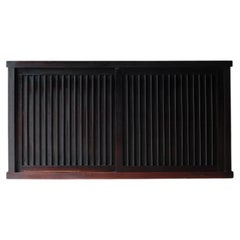
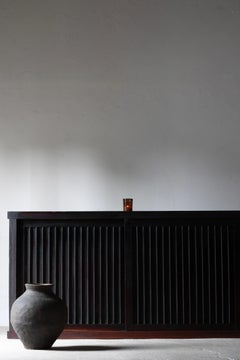
This exceptional Japanese mizuya tansu dates to the Meiji period, circa 1860s to 1900s, and is crafted from solid cedar wood. It embodies the quiet refinement of traditional Japanese...

Category

Late 19th Century Japanese Meiji Antique Japan

Materials

Iron

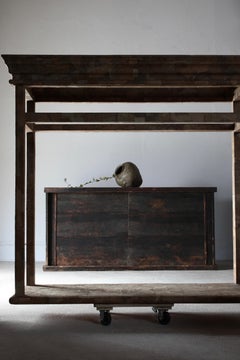
Japanese Antique Wabi Sabi Black Tansu 1860s-1900s / Chests Cabinet

Japanese Antique Wabi Sabi Black Tansu 1860s-1900s / Chests Cabinet

Located in Sammu-shi, Chiba

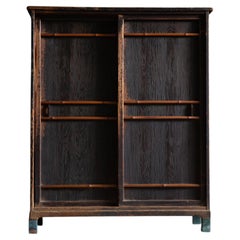
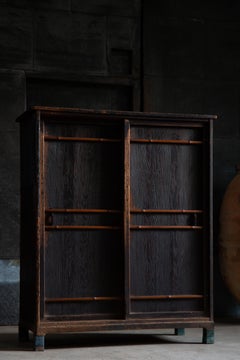
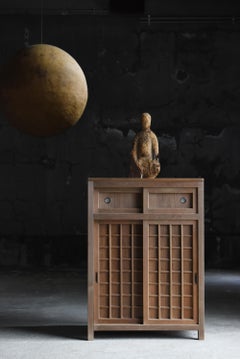
This piece is a Japanese sliding door cabinet crafted during the Meiji period to the early Taisho period. It is constructed from cedar wood, a material deeply rooted in Japanese arch...

Category

Early 20th Century Japanese Meiji Japan

Materials

Wood, Cedar

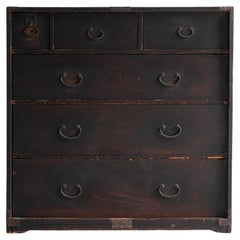
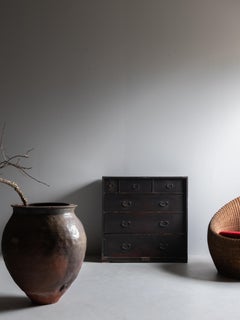
Japanese Antique Drawer 1860s-1920s / Tansu Wabi Sabi

Japanese Antique Drawer 1860s-1920s / Tansu Wabi Sabi

Located in Sammu-shi, Chiba

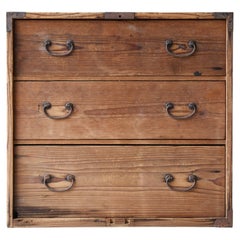
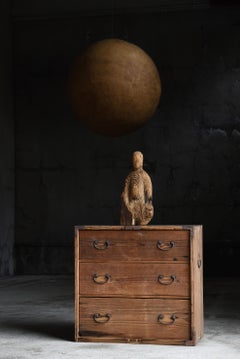
This piece is a Japanese chest of drawers crafted during the late Meiji to early Taisho period. It is constructed from cedar wood, a material deeply rooted in Japanese architecture a...

Category

Early 20th Century Japanese Meiji Japan

Materials

Wood

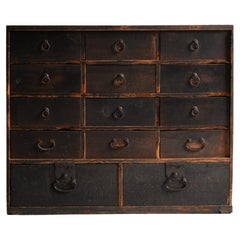
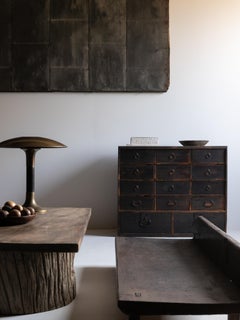
Japanese Antique Tansu Drawer Chest Edo Meiji Small Drawers Wabi Sabi Cabinet

Japanese Antique Tansu Drawer Chest Edo Meiji Small Drawers Wabi Sabi Cabinet

Located in Sammu-shi, Chiba

This is a Japanese antique drawer chest, believed to date from the late Edo period to early Meiji period circa 1800s to 1900s. Constructed from solid wood and finished in a deep tim...

Category

Early 20th Century Japanese Meiji Japan

Materials

Iron

Japanese Antique Large Tansu 1860s-1900s / Sideboard Cabinet Wabi Sabi

Japanese Antique Large Tansu 1860s-1900s / Sideboard Cabinet Wabi Sabi

Located in Chōsei District Nagara, JP

This is a large antique Tansu made in Japan. It was crafted during the Meiji period (1860s–1900s) and is made of cedar wood. The soft grain characteristic of cedar and the wood surfa...

Category

Early 20th Century Japanese Meiji Japan

Materials

Cedar

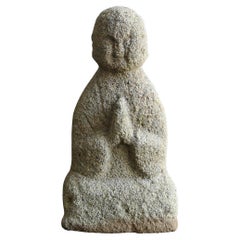
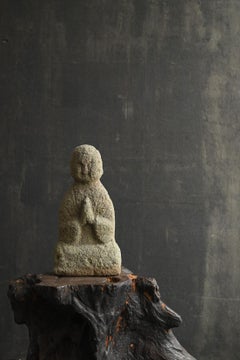
Japanese Antique Stone Buddha from Niigata Prefecture /Edo period

Japanese Antique Stone Buddha from Niigata Prefecture /Edo period

Located in Sammu-shi, Chiba

This is a stone statue of Jizo Bodhisattva, believed to have been created on Sado Island in Niigata Prefecture during the Edo period. On Sado Island, there is a small Jizo hall known as “Nashinoki Jizo,” where numerous stone Buddha statues dedicated by local people since the Edo period are still enshrined today. The sight of these statues, densely covering the ground, conveys the everyday prayers of the people of that time—their heartfelt wishes for children’s growth, recovery from illness, and protection in daily life. Against this background, Jizo worship on Sado Island is closely connected to the concept of “Migawari Jizo,” or substitute Jizo. This belief holds that Jizo takes upon itself the misfortunes and suffering that would otherwise befall people. It was a common practice for people to dedicate Jizo statues...

Category

18th Century Japanese Edo Antique Japan
Materials

Sandstone

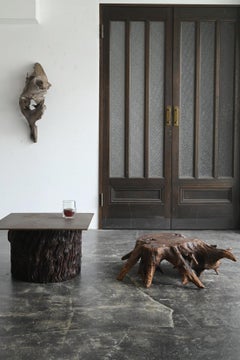
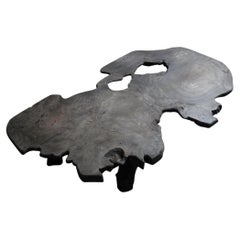
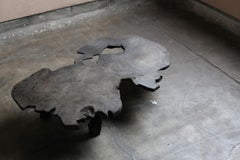
Japanese Old Massive Tree Root Table Base 1950s-1970s / Low Table Wabi Sabi

Japanese Old Massive Tree Root Table Base 1950s-1970s / Low Table Wabi Sabi

Located in Chōsei District Nagara, JP

This is a large antique table base made in Japan from what is believed to be Yakusugi cedar. The moment it is placed in a space, it radiates an overwhelming presence, almost like a s...

Category

Late 20th Century Japanese Primitive Japan

Materials

Cedar

Japanese Antique Large Pottery Vase late 19th–early 20th century / Wabi Sabi /

Japanese Antique Large Pottery Vase late 19th–early 20th century / Wabi Sabi /

Located in Sammu-shi, Chiba

This is a large antique Japanese ceramic jar, embodying a strong sculptural presence shaped by earth, fire, and the passage of time. It is believed to originate from the Tokoname re...

Category

Late 19th Century Japanese Edo Antique Japan
Materials

Pottery

Japanese Antique Pottery Jar 17th-18th Century/ Wabi-Sabi /Tokoname

Japanese Antique Pottery Jar 17th-18th Century/ Wabi-Sabi /Tokoname

Located in Sammu-shi, Chiba

This is an antique ceramic jar produced in Tokoname, Japan, dating from the 17th to 18th century. Having endured centuries of time, it carries a quiet yet powerful presence. Tokonam...

Category

Late 17th Century Japanese Edo Antique Japan

Materials

Pottery

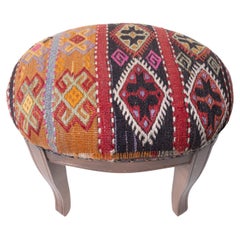
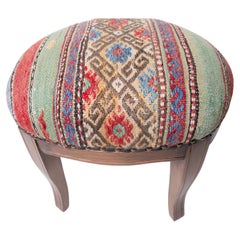
Custom Made Modern Ottoman with Vintage Turkish Anatolian Kilim Cover & Oak Wood

Custom Made Modern Ottoman with Vintage Turkish Anatolian Kilim Cover & Oak Wood

Located in Tokyo, JP

We made an oak wood ottoman using the undamaged part of the precious and high-quality old & antique kilims that cannot be repaired as a whole. Like a painting, a part of the scenery ...

Category

2010s Turkish Kilim Japan

Materials

Wool, Oak

Japanese Antique Black Tansu / Cabinet Sideboard / 1868-1912s / Wabi-Sabi

Japanese Antique Black Tansu / Cabinet Sideboard / 1868-1912s / Wabi-Sabi

Located in Iwate-gun Shizukuishi-cho, Iwate Prefecture

Overview This minimalist Japanese cabinet (Tansu) from the Meiji era is a masterclass in geometric precision and organic texture. Traditionally used as a storage chest, this piece ha...

Category

Late 19th Century Japanese Meiji Antique Japan

Materials

Cedar

Japanese Antique Cabinet/ Wabisabi / Taishō–Shōwa Period (1910s–1940s)

Japanese Antique Cabinet/ Wabisabi / Taishō–Shōwa Period (1910s–1940s)

Located in Sammu-shi, Chiba

A beautifully balanced Japanese antique storage cabinet crafted in Japan during the Taishō to early Shōwa period. Made primarily from Japanese cedar (sugi) and other native woods, th...

Category

Early 20th Century Japanese Taisho Japan

Materials

Cedar

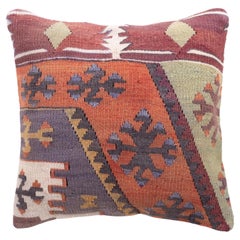
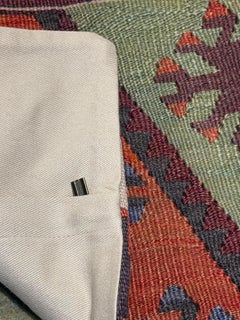
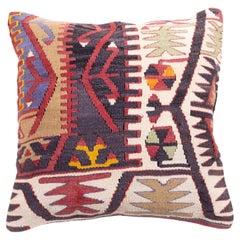
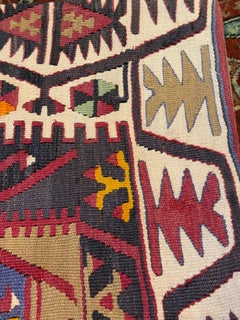
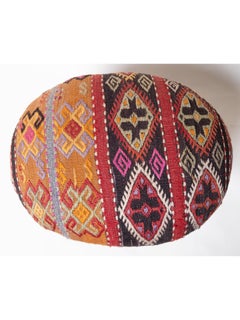
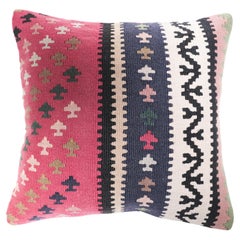
Vintage & Old Kilim Cushion Cover, Anatolian Yastik Turkish Modern Pillow 4360

Vintage & Old Kilim Cushion Cover, Anatolian Yastik Turkish Modern Pillow 4360

Located in Tokyo, JP

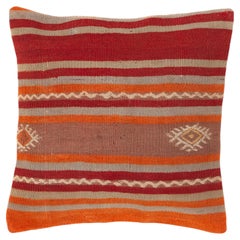
This beautifully handcrafted cushion cover is made from a vintage Anatolian kilim—once part of a traditional yastik, or small decorative rug used in Turkish homes. Woven in the mid-2...

Category

2010s Turkish Kilim Japan

Materials

Wool, Cotton, Natural Fiber, Organic Material

Japanese Antique large iron plated Kurado, wabi sabi Storehouse door 1870s-1900s

Japanese Antique large iron plated Kurado, wabi sabi Storehouse door 1870s-1900s

Located in 常陸大宮市, JP

A Japanese antique Kurado, a large, thick iron-plated wooden door for the entrance of Kura (a traditional storehouse), made of solid Keyaki Zelkova. It was manufactured in the 1870s–1900s (Meiji period) based on its style and condition. The front panel is fully covered with iron sheets that have been nailed down, and a warm patina has developed on the black rust. The surface is partly rough with red rust. This piece's distinctive feature is its large door lock plate, which is not commonly found on traditional Kurado pieces. This lock plate shares similarities with the decorative lock plates attached to Tansu furniture...

Category

Early 19th Century Japanese Meiji Antique Japan

Materials

Iron

Japanese Antique Low Table 1860s-1920s / Display Table Wabisabi

Japanese Antique Low Table 1860s-1920s / Display Table Wabisabi

Located in Chōsei District Nagara, JP

This is an antique Japanese low table, distinguished by its beautifully low proportions that extend quietly toward the floor. Its understated form reflects the aesthetic sensibility ...

Category

Early 20th Century Japanese Meiji Japan

Materials

Cedar

Japanese Antique Tin Door "Wall Decoration" 1860s-1900s / Wabi Sabi

Japanese Antique Tin Door "Wall Decoration" 1860s-1900s / Wabi Sabi

By Axel Vervoordt

Located in Sammu-shi, Chiba

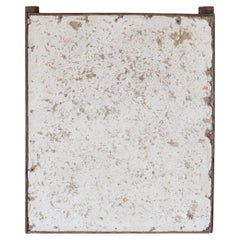
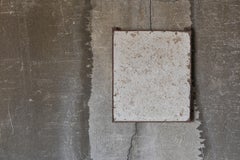
Very old large Japanese tin-clad sliding door crafted in Japan during the Meiji period (late 19th century). The wooden frame is made of cedar and covered with hand-applied tin plate...

Category

Early 20th Century Japanese Meiji Japan

Materials

Iron

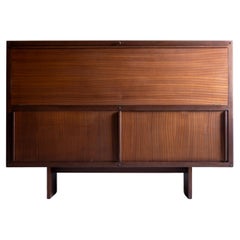
French Modernist Sideboard by André Sornay, Cloutage Technique, 1950s

French Modernist Sideboard by André Sornay, Cloutage Technique, 1950s

By Andre Sornay

Located in Sammu-shi, Chiba

A refined French modernist sideboard designed by Andre Sornay in Lyon, France, circa 1950s. Crafted using Sornay’s signature cloutage technique, the cabinet reveals delicate nail-he...

Category

Mid-20th Century French Mid-Century Modern Japan

Materials

Wood

Japanese Antique Tansu / Cabinet Dresser / 1868-1912s / Wabi-Sabi

Japanese Antique Tansu / Cabinet Dresser / 1868-1912s / Wabi-Sabi

Located in Iwate-gun Shizukuishi-cho, Iwate Prefecture

Description This exceptional Japanese tansu (chest of drawers) from the Meiji era (late 19th century) transcends its original functional purpose to become a striking piece of "accide...

Category

Late 19th Century Japanese Meiji Antique Japan

Materials

Iron

Japanese Antique Black Primitive Coffee Table 1860s-1900s / Side Table Wabisabi

Japanese Antique Black Primitive Coffee Table 1860s-1900s / Side Table Wabisabi

Located in Chōsei District Nagara, JP

This is an antique Japanese primitive-style coffee table finished in deep black. Although it stands quietly, it possesses a powerful presence the moment it is placed within a space, ...

Category

Early 20th Century Japanese Primitive Japan

Materials

Wood

Japanese Antique Cabinet 1920s-1940s / Tansu Sideboard Wabisabi

Japanese Antique Cabinet 1920s-1940s / Tansu Sideboard Wabisabi

Located in Chōsei District Nagara, JP

This is an antique cabinet from Japan. It is a piece of furniture with a refined and quiet presence, creating a calm atmosphere simply by being placed in a space. Its unadorned, simp...

Category

Mid-20th Century Japanese Showa Japan

Materials

Cedar

Japanese Old Primitive Stool 1950s-1970s / Side Chair Wabisabi

Japanese Old Primitive Stool 1950s-1970s / Side Chair Wabisabi

Located in Chōsei District Nagara, JP

This is an antique primitive-style stool from Japan. Its quiet presence carries both the strength of a sculptural object and a simple, rustic beauty. The clean form, free from unnece...

Category

1950s Japanese Primitive Vintage Japan

Materials

Wood

Jean Prouvé "Aerator" Air Vent, France 1958

Jean Prouvé "Aerator" Air Vent, France 1958

By Jean Prouvé

Located in Sammu-shi, Chiba

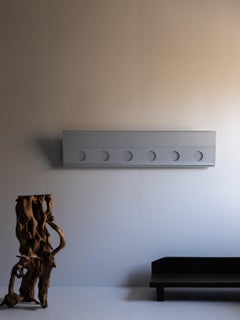
Aerator 1958 l JEAN PROUVÉ Aerator component, created for the La Doua campus of the Institut National des Sciences Appliquées de Lyon, 1960-1963 This aluminium panel was designed by...

Category

Mid-20th Century French Mid-Century Modern Japan

Materials

Aluminum

Japanese Antique Large Tansu / Cabinet Sideboard / 1868-1912s / Wabi-Sabi

Japanese Antique Large Tansu / Cabinet Sideboard / 1868-1912s / Wabi-Sabi

Located in Iwate-gun Shizukuishi-cho, Iwate Prefecture

Overview This exceptional 19th-century Japanese Mizuya Tansu (traditional kitchen cabinet) is a striking example of Meiji-era craftsmanship, blending functional storage with a bold, ...

Category

Late 19th Century Japanese Meiji Antique Japan

Materials

Hardwood, Cedar

Japanese Antique Primitive Bench 1900s-1940s / Side Chair Wabi Sabi

Japanese Antique Primitive Bench 1900s-1940s / Side Chair Wabi Sabi

Located in Chōsei District Nagara, JP

This is an old primitive-style bench made in Japan. It has a quiet presence that comes from many years of use, and you can feel the strength of the material itself. The moment it is ...

Category

Mid-20th Century Japanese Primitive Japan

Materials

Oak, Cedar

Antique Naga Primitive Chair Early 20th century / Side Chair Wabi Sabi

Antique Naga Primitive Chair Early 20th century / Side Chair Wabi Sabi

Located in Chōsei District Nagara, JP

This is a primitive chair of the Naga people. Quiet in its stance yet commanding in presence, it is a remarkably compelling piece that combines the strength of a sculptural work with the simplicity of folk furniture. It is believed to date from the early 20th century. Over many decades, the wood has taken on a deeply smoked tone, transforming into a rich dark brown surface that seems to embody time itself. Countless blade marks remain visible across the surface, and the worn patina softly reflects light. More than a piece of furniture, it stands as an art object capable of anchoring an entire space. The Naga people are a collective term for indigenous tribes living in the mountainous regions spanning present-day Northeast India and Myanmar. With their own distinct culture and spirituality, they developed powerful forms of craftsmanship, including wood carving and weaving. Born from a life lived in close relationship with nature, their creations value symbolism and function over decoration, resulting in a profoundly primal beauty. Naga chairs...

Category

Early 20th Century Indian Primitive Japan

Materials

Wood

Japanese Antique Black Wooden Coffee Table / Side Table / 1868-1912s / Wabi-sabi

Japanese Antique Black Wooden Coffee Table / Side Table / 1868-1912s / Wabi-sabi

Located in Iwate-gun Shizukuishi-cho, Iwate Prefecture

A Masterpiece of Nature: This extraordinary coffee table (originally a traditional Japanese mortar, or Usu) is carved from a single, massive block of wood where the tree trunk natura...

Category

Late 19th Century Japanese Primitive Antique Japan

Materials

Hardwood

M.180603 by Toshio Iezumi - Contemporary glass sculpture, column

M.180603 by Toshio Iezumi - Contemporary glass sculpture, column

By Toshio Iezumi

Located in Paris, FR

M.180603 is a glass sculpture by Japanese contemporary artist Toshio Iezumi, dimensions are 65 cm × 12 cm × 7 cm (25.6 × 4.7 × 2.8 in). The sculpture is signed and numbered, it is p...

Category

2010s Contemporary Japan

Materials

Glass

Vintage & Old Kilim Cushion Cover, Anatolian Yastik Turkish Modern Pillow 4447

Vintage & Old Kilim Cushion Cover, Anatolian Yastik Turkish Modern Pillow 4447

Located in Tokyo, JP

This beautifully handcrafted cushion cover is made from a vintage Anatolian kilim—once part of a traditional yastik, or small decorative rug used in Turkish homes. Woven in the mid-2...

Category

2010s Turkish Kilim Japan

Materials

Wool, Cotton, Natural Fiber, Organic Material

Japanese Antique Primitive Low Table 1860s-1900s / Sofa Table Wabi Sabi

Japanese Antique Primitive Low Table 1860s-1900s / Sofa Table Wabi Sabi

By Axel Vervoordt

Located in Chōsei District Nagara, JP

This is an old Japanese primitive-style low table. It dates to the Meiji period (1860s–1900s) and was originally used in everyday life, discovered in an old farmhouse. Free from orna...

Category

Early 20th Century Japanese Primitive Japan

Materials

Wood

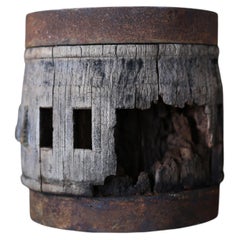
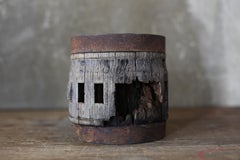
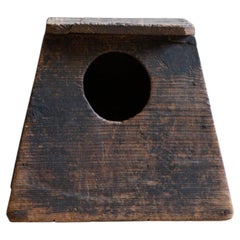
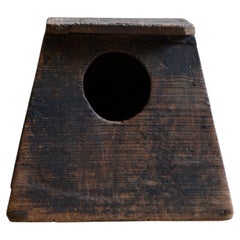
Japanese wooden antique stool / 1868-1920 / Meiji period / brazier

Japanese wooden antique stool / 1868-1920 / Meiji period / brazier

Located in Sammu-shi, Chiba

This is a wooden hibachi (traditional Japanese brazier) believed to have been made between the Meiji period and the early Showa period. Originally used as a hibachi, we are now prese...

Category

Late 19th Century Japanese Meiji Antique Japan

Materials

Wood

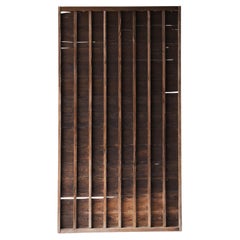
Japanese Antique Wabi-Sabi Wooden Box 1860s-1900s / Display Rack Display Stand

Japanese Antique Wabi-Sabi Wooden Box 1860s-1900s / Display Rack Display Stand

Located in Chōsei District Nagara, JP

This is a large antique wooden box made in Japan. It is believed to have been crafted during the Meiji period (1860s–1900s), using cedar wood. The soft, characteristic grain of ceda...

Category

Early 20th Century Japanese Meiji Japan

Materials

Cedar

Japanese Antique Large Pottery Vase late 16th–early 17th century / Wabi Sabi

Japanese Antique Large Pottery Vase late 16th–early 17th century / Wabi Sabi

Located in Chōsei District Nagara, JP

This is a large antique ceramic jar from Tokoname, Japan. Its dignified mass and softly curved form create a quiet yet powerful presence within any space. The beautifully balanced si...

Category

Early 17th Century Japanese Edo Antique Japan
Materials

Pottery

Japanese Antique Wabi-Sabi Wall-Mounted Natural Wood Vase Early 20th Century

Japanese Antique Wabi-Sabi Wall-Mounted Natural Wood Vase Early 20th Century

By Axel Vervoordt

Located in Chōsei District Nagara, JP

This is an antique wall-mounted flower vase made from natural wood from Japan. It is a piece that preserves the natural form created over many years, allowing the organic shape of th...

Category

Early 20th Century Japanese Primitive Japan

Materials

Cedar

Petite Meiji Japanese Keyaki Hardwood Low Table with Wabi-Sabi Patina, 1860–1910

Petite Meiji Japanese Keyaki Hardwood Low Table with Wabi-Sabi Patina, 1860–1910

Located in 常陸大宮市, JP

Japan, circa 1860–1910 (Meiji period). A small, quietly endearing antique low table crafted from solid Japanese Keyaki Zelkova. Modest in scale and simple in form, it reflects a time...

Category

Late 19th Century Japanese Meiji Antique Japan

Materials

Wood, Hardwood

Japanese Antique Boro Paper / Wall Decoration / 1800-1900s / Wabi-sabi

Japanese Antique Boro Paper / Wall Decoration / 1800-1900s / Wabi-sabi

Located in Iwate-gun Shizukuishi-cho, Iwate Prefecture

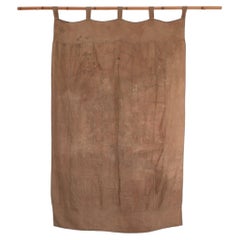
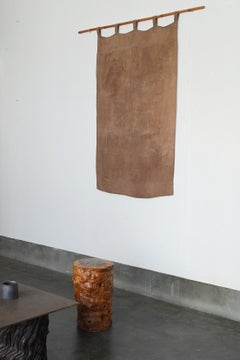
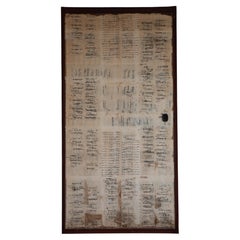
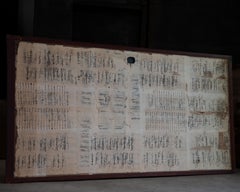
19th Century Monumental Japanese Persimmon-Dyed (Kakishibu) Manuscript Wall Art A striking and soulful monumental wall hanging composed of joined antique Japanese washi paper, datin...

Category

19th Century Japanese Meiji Antique Japan

Materials

Paper

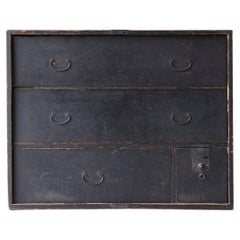
Japanese Antique Simple Large BK Tansu 1860s-1900s / Cabinet Sideboard

Japanese Antique Simple Large BK Tansu 1860s-1900s / Cabinet Sideboard

Located in Sammu-shi, Chiba

This is an antique Japanese chest of drawers. It features a simple design with only carved handles. It is a very old chest of drawers, and while it remains largely in its original c...

Category

Mid-19th Century Japanese Edo Antique Japan
Materials

Cedar

Japanese Antique Low Table or Bench 1900s-1940s / Sofa Table Wabi Sabi

Japanese Antique Low Table or Bench 1900s-1940s / Sofa Table Wabi Sabi

Located in Chōsei District Nagara, JP

This is an old Japanese low table. Originally used as furniture suited to a floor-seated lifestyle, it now naturally lends itself to use as a bench as well, making it a versatile pie...

Category

Mid-20th Century Japanese Showa Japan

Materials

Wood, Pine

Edo Period Japanese Gyosho Tansu, Traveling Merchant Chest with Multiple Drawers

Edo Period Japanese Gyosho Tansu, Traveling Merchant Chest with Multiple Drawers

Located in 常陸大宮市, JP

Antique Japanese Tansu box chest of drawers, which is originally as Gyosyo tansu (Peddler's chest), product of late Edo - Meiji era (estimate 1860s-1910s). Used by Gyosyonin (peddler...

Category

Late 19th Century Japanese Meiji Antique Japan

Materials

Wood, Cedar

Vintage & Old Kilim Cushion Cover, Anatolian Yastik Turkish Modern Pillow 4354

Vintage & Old Kilim Cushion Cover, Anatolian Yastik Turkish Modern Pillow 4354

Located in Tokyo, JP

This beautifully handcrafted cushion cover is made from a vintage Anatolian kilim—once part of a traditional yastik, or small decorative rug used in Turkish homes. Woven in the mid-2...

Category

2010s Turkish Kilim Japan

Materials

Wool, Cotton, Natural Fiber, Organic Material

Ararat Rugs Mamluk Rug with Cusped Medallion Antique Revival Carpet Natural Dyed

Ararat Rugs Mamluk Rug with Cusped Medallion Antique Revival Carpet Natural Dyed

By Ararat Rugs

Located in Tokyo, JP

Introducing the Mamluk Rug with Cusped Medallion, an outstanding example of contemporary craftsmanship influenced by centuries of tradition. This exquisite piece is handwoven in East...

Category

21st Century and Contemporary Turkish Revival Japan

Materials

Wool, Natural Fiber, Organic Material

Japanese antique stand / wabi-sabi stand / Flower stand

Japanese antique stand / wabi-sabi stand / Flower stand

Located in Sammu-shi, Chiba

This table stand combines a zelkova tree trunk base with a karinn (quince) wood tabletop. The zelkova trunk that forms the base is hollow inside and has an organic shape that evok...

Category

Early 20th Century Japanese Primitive Japan

Materials

Wood

Japanese Antique Black Low Board 1860s-1900s / Tansu Drawer Chest Wabisabi

Japanese Antique Black Low Board 1860s-1900s / Tansu Drawer Chest Wabisabi

Located in Chōsei District Nagara, JP

This is an old Japanese black low board with drawers. Crafted during the Meiji period (1860s–1900s), it carries the quiet atmosphere of an era moving toward modernization, presenting...

Category

Early 20th Century Japanese Meiji Japan

Materials

Iron

Japanese Wooden block chair /wabi-sabi chair / private chair /

Japanese Wooden block chair /wabi-sabi chair / private chair /

Located in Sammu-shi, Chiba

This chair is made from a traditional mortar, a tool once used in ancient Japan to prepare rice cakes. Its form has been transformed beyond the original shape of a mortar, resulting...

Category

Mid-20th Century Japanese Primitive Japan

Materials

Wood

Japanese Antique Low Table 1900s-1940s / Primitive Side Table Wabisabi

Japanese Antique Low Table 1900s-1940s / Primitive Side Table Wabisabi

Located in Chōsei District Nagara, JP

This is an old Japanese primitive-style low table. It is a piece of furniture that was actually used during the early Shōwa period (1900s–1940s) and was discovered in a traditional f...

Category

Mid-20th Century Japanese Primitive Japan

Materials

Cedar

Japanese Antique Black Tansu / Cabinet Dresser / 1868-1912s / Wabi-Sabi

Japanese Antique Black Tansu / Cabinet Dresser / 1868-1912s / Wabi-Sabi

Located in Iwate-gun Shizukuishi-cho, Iwate Prefecture

This striking Japanese Tansu (chest of drawers) dates back to the Meiji Period (late 19th century) and is a masterclass in functional elegance. Crafted from solid Sugi (Japanese Ceda...

Category

Late 19th Century Japanese Meiji Antique Japan

Materials

Iron

Japanese Wooden block chair /wabi-sabi chair / private chair /

Japanese Wooden block chair /wabi-sabi chair / private chair /

Located in Sammu-shi, Chiba

This chair is crafted from a tree trunk left in its natural form. Zelkova wood is used for the material. Although the surface is finished in black with cashew paint, the beautiful ...

Category

1980s Japanese Primitive Vintage Japan

Materials

Wood

Ararat Rugs Mamluk Rug with Cusped Medallion Antique Revival Carpet Natural Dyed

Ararat Rugs Mamluk Rug with Cusped Medallion Antique Revival Carpet Natural Dyed

By Ararat Rugs

Located in Tokyo, JP

This Mamluk Rug with Cusped Medallion embodies a contemporary revival of a classic design, meticulously handwoven in Eastern Turkey by skilled artisans of Ararat Rugs. The design fea...

Category

21st Century and Contemporary Turkish Revival Japan

Materials

Wool, Natural Fiber, Organic Material

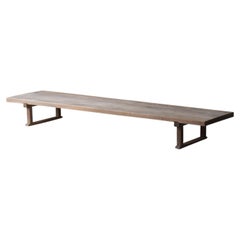
Japanese temple building materials from the Edo period/antique display stand

Japanese temple building materials from the Edo period/antique display stand

Located in Sammu-shi, Chiba

This is a part of a structural building material that was used in an old Japanese temple. It is said to be reclaimed wood that was used in the lecture hall of Yakushiji, a famous tem...

Category

Late 19th Century Japanese Edo Antique Japan
Materials

Cedar

Japanese Antique Sculptural Floor Plinth / Low Table / Wabi-sabi Primitive

Japanese Antique Sculptural Floor Plinth / Low Table / Wabi-sabi Primitive

Located in Iwate-gun Shizukuishi-cho, Iwate Prefecture

Nature as the Master Sculptor This monumental floor platform, known in Japan as an Okidoko, is a singular piece of organic art crafted from a massive, aged slab of Japanese Hardwood....

Category

Mid-20th Century Japanese Primitive Japan

Materials

Hardwood

1870s-1900s Japanese antique Mizuya tansu chest, sideboard wabi sabi primitive

1870s-1900s Japanese antique Mizuya tansu chest, sideboard wabi sabi primitive

Located in 常陸大宮市, JP

New finds from a long-established hardware shop in Ibaraki pref., Japan. Single tier Mizuya tansu is made from premium quality, reddish Sugi Cedar, the product of circa 1870s to 190...

Category

Late 19th Century Japanese Meiji Antique Japan

Materials

Wood, Cedar

Japanese Antique Keyaki Solid wood Standing Floor Mirror 1900s-30s

Japanese Antique Keyaki Solid wood Standing Floor Mirror 1900s-30s

Located in 常陸大宮市, JP

Antique Japanese standing mirror with wooden frame and stand made of quality, solid Keyaki Zelkova hardwood. It dates from the Meiji-Taisho era (1900s-1930s), as estimated by its sty...

Category

Early 20th Century Japanese Meiji Japan

Materials

Mirror, Wood

Japanese wood table /wabi-sabi table / primitive table / exhibition wood table

Japanese wood table /wabi-sabi table / primitive table / exhibition wood table

Located in Sammu-shi, Chiba

This is a wabi-sabi table made by combining driftwood and a new tabletop. The base of the table is made of the same wood, and it has three legs, so it is very strong and sturdy. T...

Category

21st Century and Contemporary Japanese Primitive Japan

Materials

Wood

17th Century Japanese Screen. Flowers & Birds of Winter and Early Spring.

17th Century Japanese Screen. Flowers & Birds of Winter and Early Spring.

Located in Kyoto, JP

Signed Unkoku Toyu (1660-1716) Flowers & Birds of Winter and Early Spring A Six-panel Japanese Screen. Ink, color and gold leaf on paper. This later 17th century Japanese screen is signed Unkoku Tōyū (1660–1716), a leading figure of the Unkoku school in the early Edo period. Tōyū was the eldest son of Unkoku Tōji, and he carried forward a lineage that deliberately anchored itself in the authority of Sesshū Tōyō. The mood of the scene is observational and seasonal, not emblematic of power as were many screens from the more wide-spread Kano school. The composition is unified by wind and atmosphere. Everything — bamboo, plum, reeds, water, birds — participates in a single directional force moving from left to right. Unlike certain later screens that flatten elements across the surface, this composition preserves a sense of depth. Yet the recession is moderated by gold clouds and frontal placement of forms. The result is a balanced tension between depth and surface. The compositional structure — with its expansive sweep across the panels — reflects the decorative ambition of Momoyama screen...

Category

Late 17th Century Japanese Edo Antique Japan
Materials

Gold Leaf

1850s-1890s Japanese antique mid-size medicine tansu chest of drawers, wabi sabi

1850s-1890s Japanese antique mid-size medicine tansu chest of drawers, wabi sabi

Located in 常陸大宮市, JP

Japanese antique mid-size apothecary chest, tansu chest of drawers for medicines (Kusuri dansu). Product of late Edo to early Meiji era (1850s-1890s), estimate from the style & ...

Category

Late 19th Century Japanese Edo Antique Japan
Materials

Wood