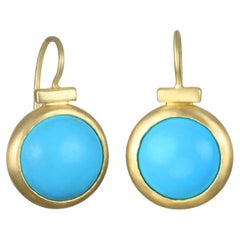
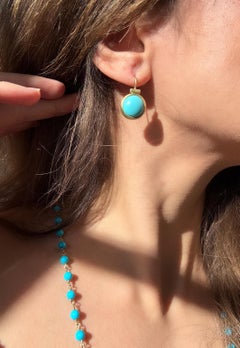
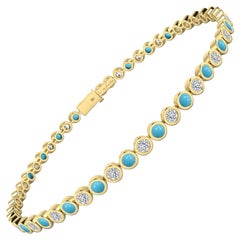
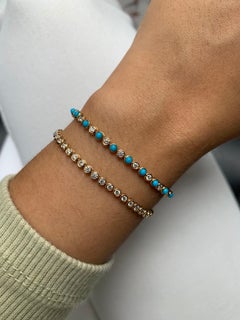
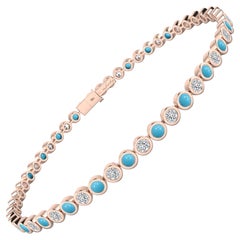
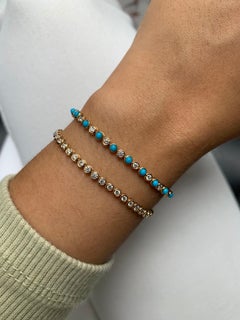
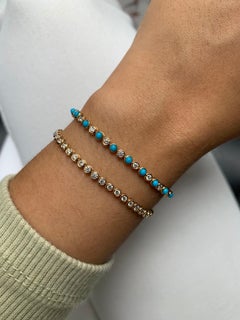
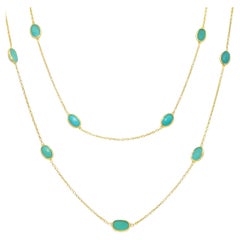
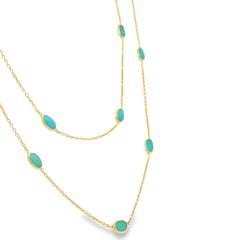
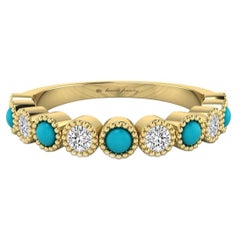
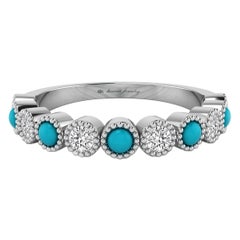
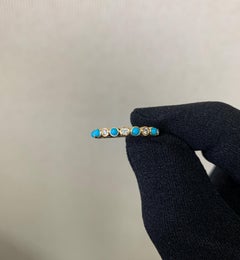
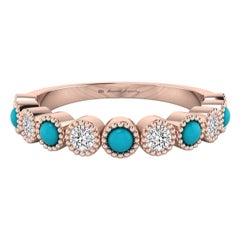
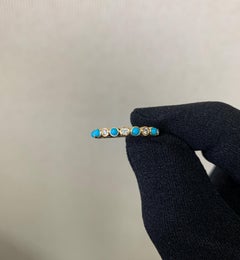
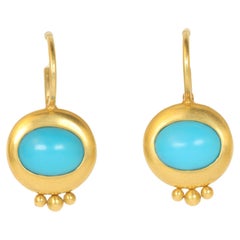
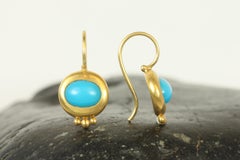
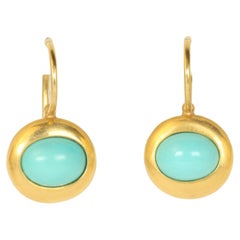
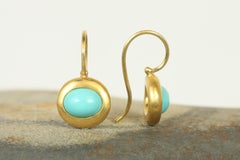
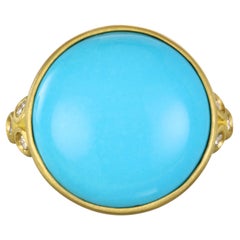
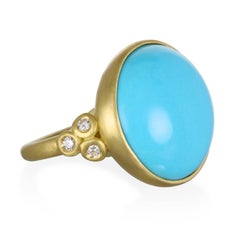
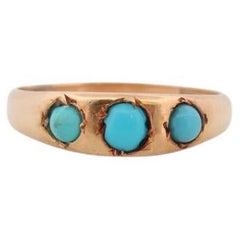
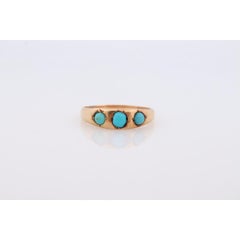
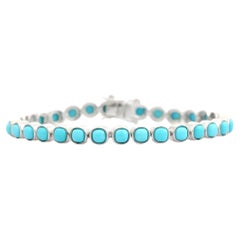
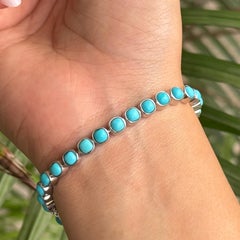
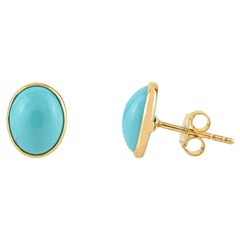
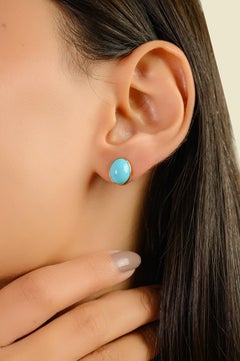
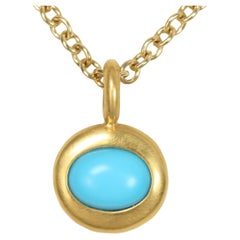
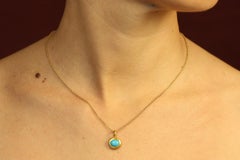
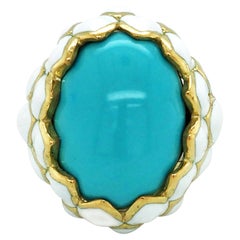
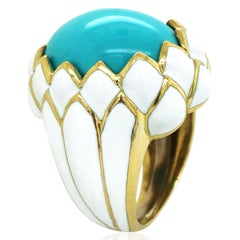
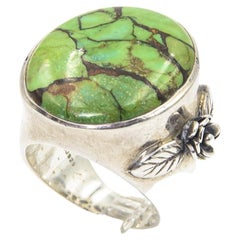
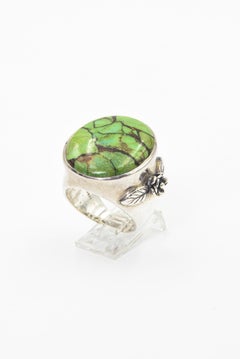
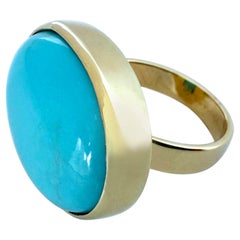
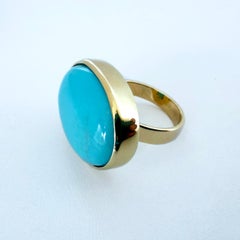
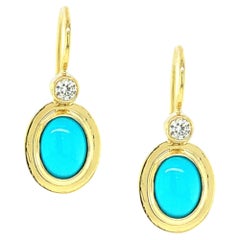
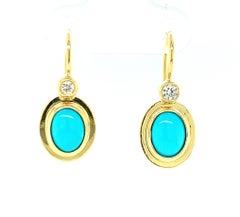
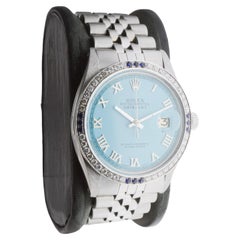
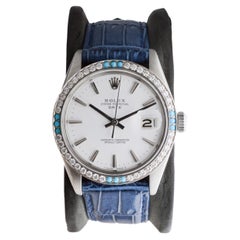
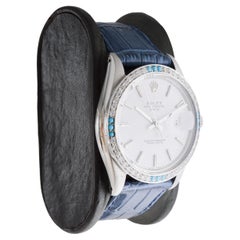
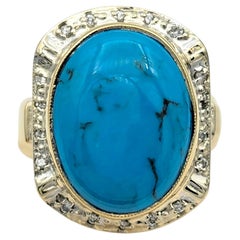
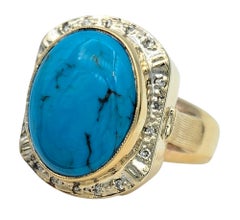
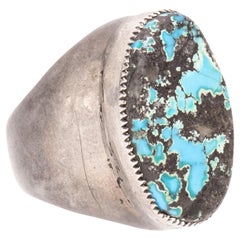
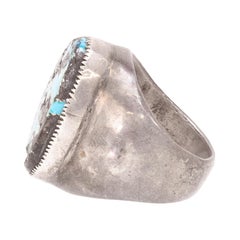
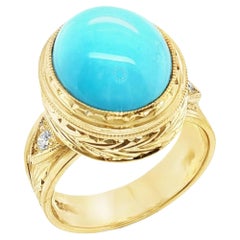
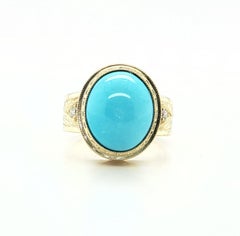
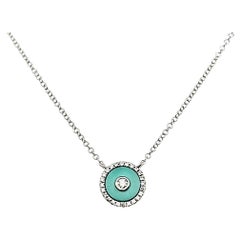
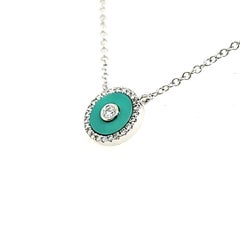
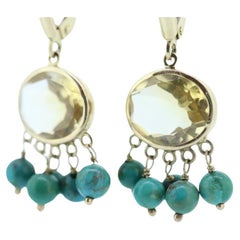
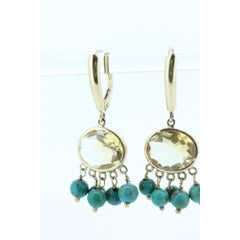
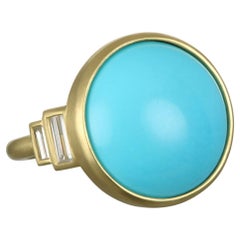
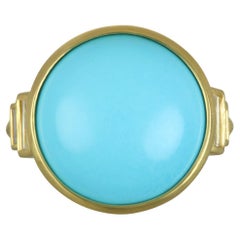
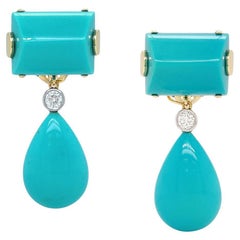
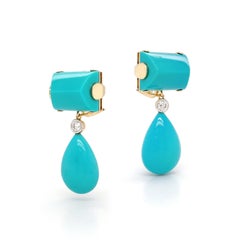
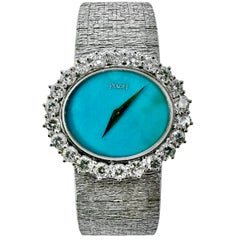
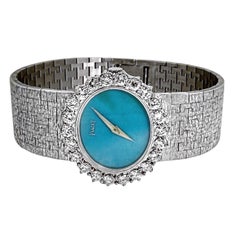
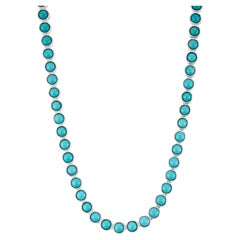
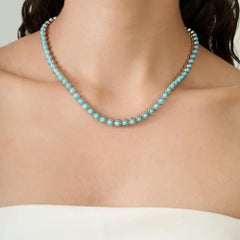
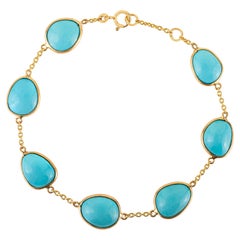
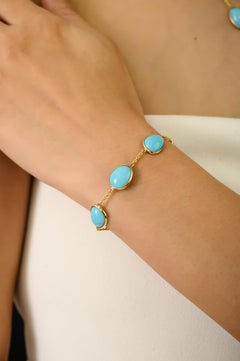
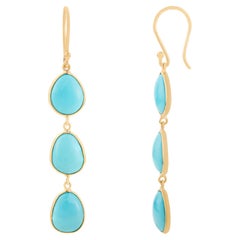
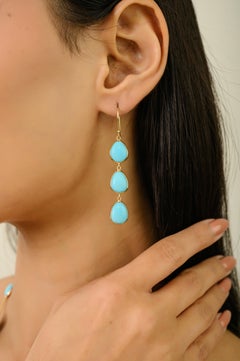
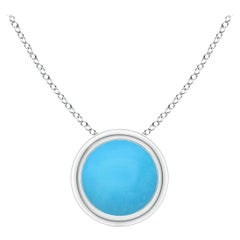
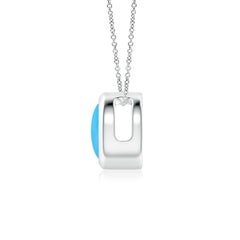
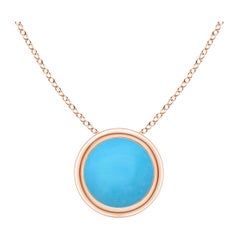
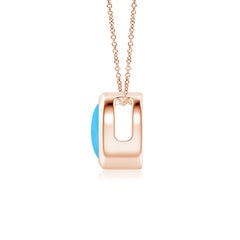
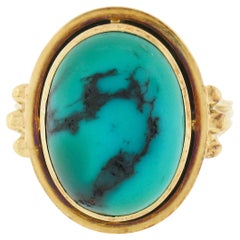
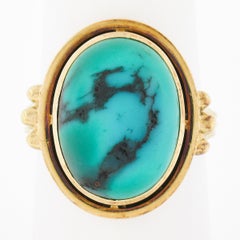
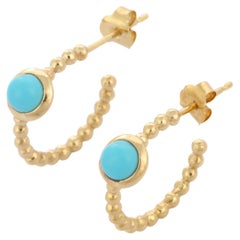
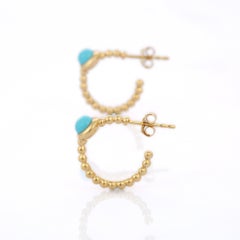
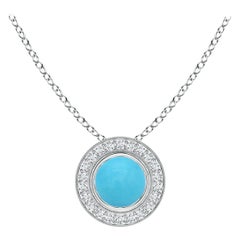
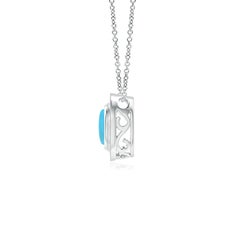
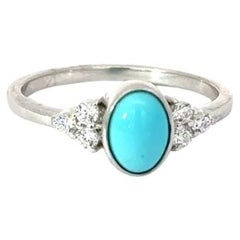
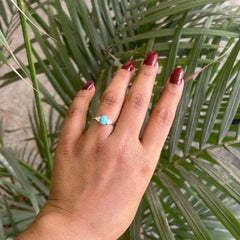
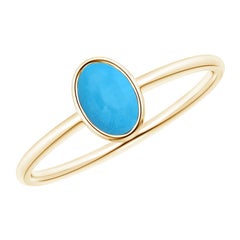
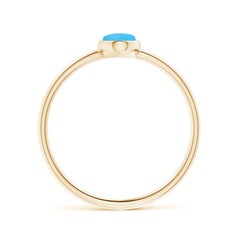
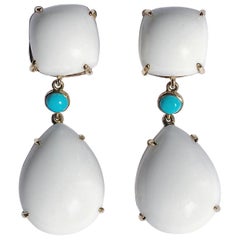
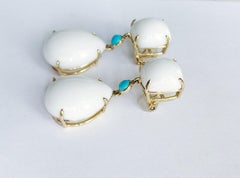
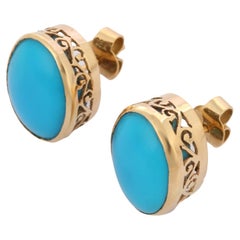
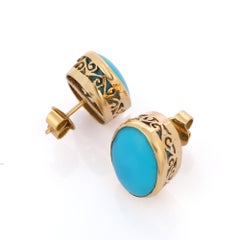
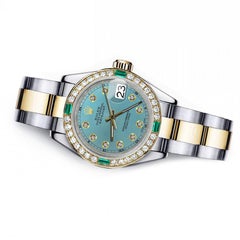
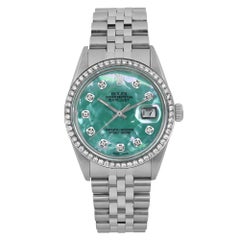
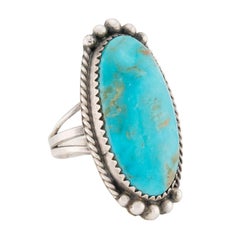
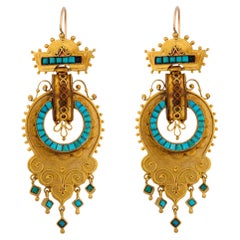
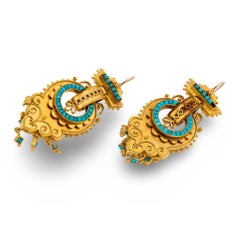
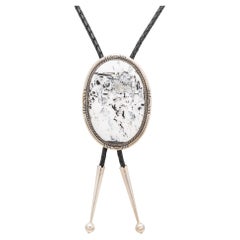
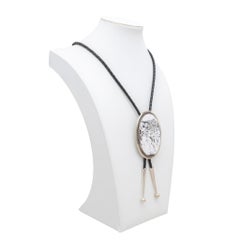
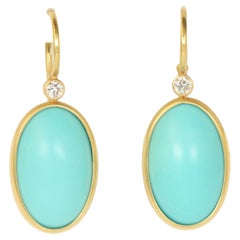
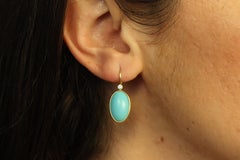
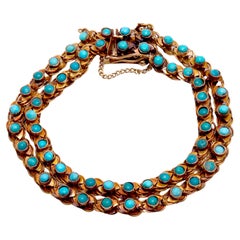
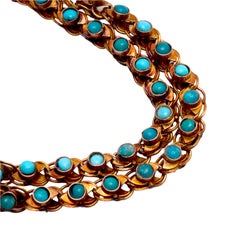
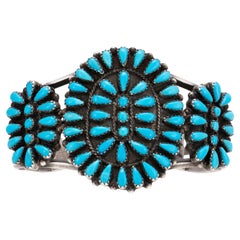
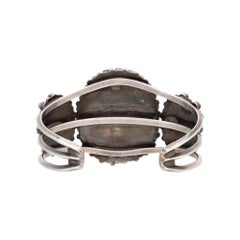
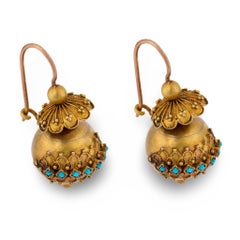
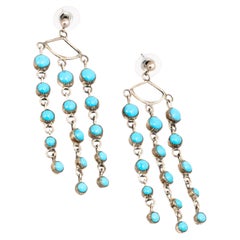
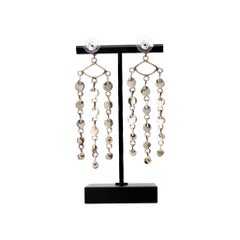
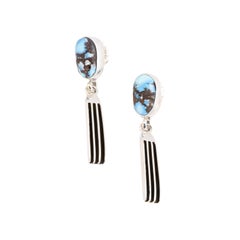
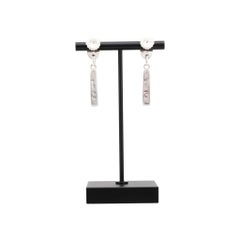
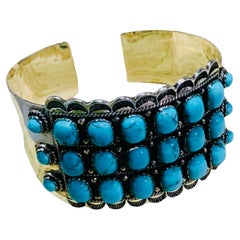
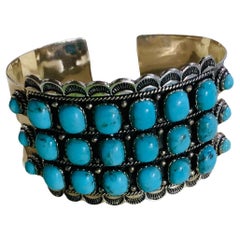
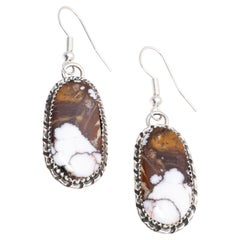
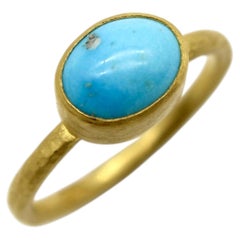
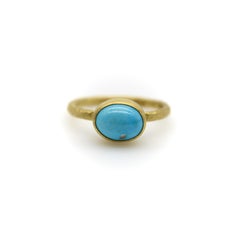
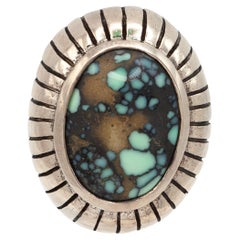
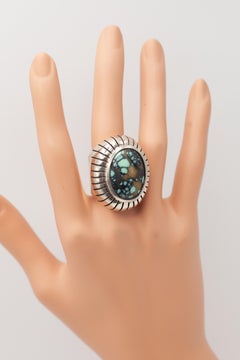
You are likely to find exactly the turquoise bezel you’re looking for on 1stDibs, as there is a broad range for sale. Every item for sale was constructed with extraordinary care, often using
Gold,
18k Gold and
Yellow Gold. Find an antique version now, or shop for 11 vintage or 37 modern creation for a more contemporary example of these cherished accessories. Finding the perfect turquoise bezel may mean sifting through those created during different time periods — you can find an early version that dates to the 20th Century and a newer variation that were made as recently as the 21st Century. Creating a turquoise bezel has been a part of the legacy of many jewelers, but those produced by
Five Star Jewelry,
Tanisa Nahata and
Intini Jewels are consistently popular. A turquoise bezel can make for a versatile accessory, but a selection from our variety of 40
Turquoise versions can add an especially stylish touch. See these pages for a
round cut iteration of this accessory, while there are also
cabochon cut and
oval cut cut versions available here, too. If you’re browsing our inventory for a turquoise bezel, you’ll find that many are available today for
women, but there are still pieces to choose from for unisex and
men.
The thought of vintage and antique turquoise jewelry often conjures up images of striking Navajo bracelets and necklaces worn with a denim shirt and cowboy boots. This all-American look has been celebrated by fashion designers like Ralph Lauren and Tommy Hilfiger on their runways and in ad campaigns. In the October 2016 issue of Vogue magazine, Tom Ford said he only wears turquoise jewelry at his Santa Fe ranch. So what is it about this gorgeous blue-green stone that makes us wish that we were born in December?
It’s not surprising that turquoise is abundant in New Mexico and Arizona because, according to the Gemological Institute of America (GIA), it needs to be in “dry and barren regions where acidic, copper-rich groundwater seeps downward and reacts with minerals that contain phosphorus and aluminum.
Turquoise is not found in a single crystal but is a combination of microcrystals. Its appearance, waxy and opaque, is attributed to its structure and composition. “It’s an aggregate of microscopic crystals that form a solid mass. If the crystals are packed closely together, the material is less porous, so it has a finer texture. Fine-textured turquoise has an attractive, waxy luster when it’s polished. Turquoise with a less-dense crystal structure has higher porosity and coarser texture, resulting in a dull luster when it’s polished,” notes the GIA. Since no one wants to set a dull piece of turquoise, porous turquoise is often treated to make the stone more attractive.
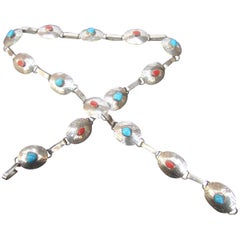
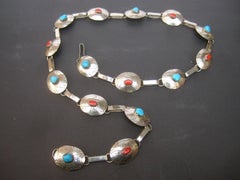
In the United States, there have been discoveries of turquoise from 200 B.C. It is not just loose turquoise stones that have been found, but entire suites of jewelry from prehistoric times. In the late 19th-century, the Navajo Indians, who learned silversmithing from the Spanish, started to make beads out of turquoise and eventually combined it with silver around the 1880s. Initially this jewelry was for ceremonial purposes, but it became fashionable once the tourism in the Southwest picked up in the beginning of the 20th century.
Find antique and vintage turquoise rings, necklaces, bracelets and other accessories on 1stDibs.