Abram Krol Art

Polish, 1919-2001
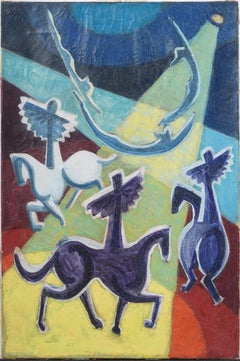
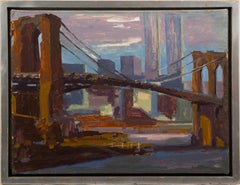
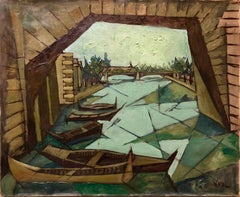
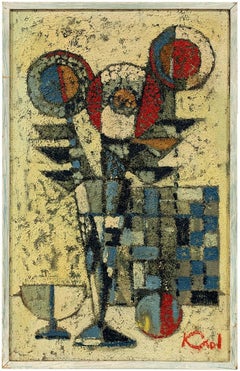
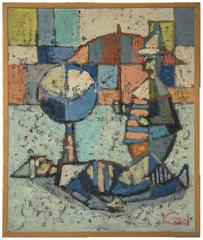
Abram (Abraham) Krol (Polish, 1919-2001) was a School of Paris artist known for his painting and fine prints depicting still lifes, landscapes, portraits, and city scenes, in a style that balanced juxtaposition of forms and objects found in everyday life, reminiscent of Cubism. Originally from Poland, Kroll moved to France in 1938 to study civil engineering at the University of Caen. At the outbreak of WWII, he joined the Foreign Legion. Upon demobilization, he worked in Avignon as a mechanic in a garage also while taking courses in sculpture at the city's School of Fine Arts. Although Jewish, he was able to survive the war by using false identities. In 1944, he settled in Paris and took up the study of engraving under fellow ex-patriot and master print maker Joseph Hecht. Hecht at that time was recognized internationally for his groundbreaking techniques in intaglio. He would go on to teach and pass on these innovations to many important artists of the day, including British Surrelist painter and printmaker, Stanley William Hayter. In 1946, Krol held his first major exhibition at the renown Katia Granoff Gallery, in Paris. Krol also designed and engraved medals for the Paris mint, painted murals for various schools throughout France, created tapestries, and produced over 200 works in enamel. His work is held in major private and public collections throughout the world, including Bibliotheque Nationale in Paris; the Victoria and Albert Museum in London; the British Museum; Houghton Library, Harvard; Bodleian Library, Oxford, and the Palace of the legion of Honor in San Francisco, California.
to
2
2
1
Overall Width
to
Overall Height
to
5
2
4
3
2
1
1
1
1
1
3
3
3
3
1
5
10,297
2,810
2,500
1,406
5
Artist: Abram Krol
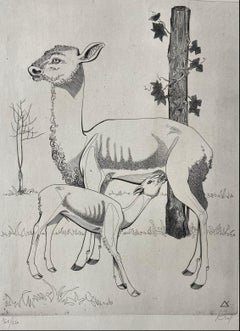
Lania z Młodym Dinner Etching, Cubist Style, Mid-20th Century

Lania z Młodym Dinner Etching, Cubist Style, Mid-20th Century

By Abram Krol

Located in Belgrade, MT

Krol also designed and engraved medals for the Paris mint, painted murals for various schools throughout France, created tapestries, and produced over 200 works in enamel. His work ...

Category

Mid-20th Century Cubist Abram Krol Art

Materials

Etching

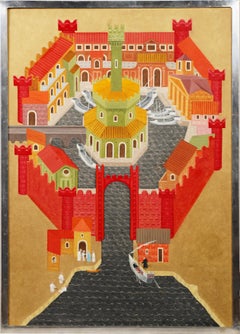
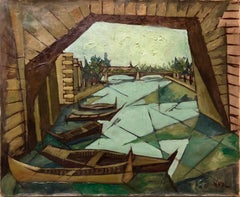
Polish French Mid Century Modern Abstract Venice Gondola Canal Scene

Polish French Mid Century Modern Abstract Venice Gondola Canal Scene

By Abram Krol

Located in Surfside, FL

Biography: Abram (Abraham) Krol was born January 22, 1919, in Pabianice (Lodz), Poland. Krol went to France in 1938 to study civil engineering at the University of Caen. In 1939 at...

Category

Mid-20th Century Modern Abram Krol Art

Materials

Canvas, Oil

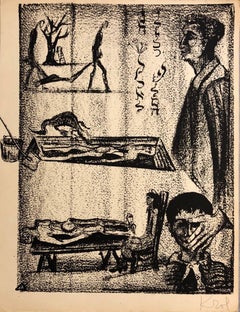
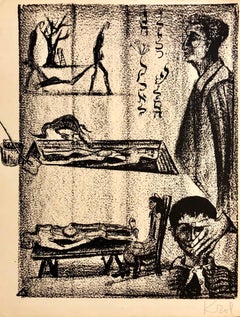
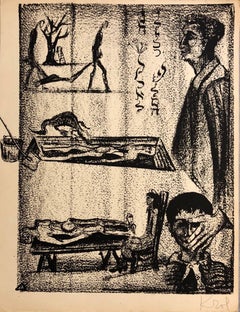
Polish French Mid Century Modern Abstract Judaica Hebrew Calligraphy Lithograph

Polish French Mid Century Modern Abstract Judaica Hebrew Calligraphy Lithograph

By Abram Krol

Located in Surfside, FL

Pencil signed Lithograph or Xylograph Biography: Abram (Abraham) Krol was born January 22, 1919, in Pabianice (Lodz), Poland. Krol went to France in 1938 to study civil engineering...

Category

Mid-20th Century Modern Abram Krol Art

Materials

Lithograph

Related Items
Gold Leaf and Mesh Lithograph

Gold Leaf and Mesh Lithograph

By Patricia A. Pearce

Located in Soquel, CA

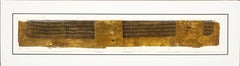
Stunning horizontal abstracted mesh and gold-leaf lithograph on heavy bond paper with artist's protocol notes (for future projects) by Patricia A. Pearce (American, b. 1948). Unsigne...

Category

Late 20th Century Abstract Abram Krol Art

Materials

Gold Leaf

Pablo Picasso, The Little Bullfight, from XXe siecle, 1970

Pablo Picasso, The Little Bullfight, from XXe siecle, 1970

By Pablo Picasso

Located in Southampton, NY

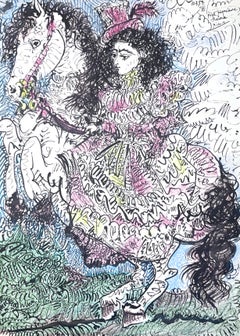
This exquisite lithograph by Pablo Picasso (1881–1973), titled La Petite Corrida (The Little Bullfight), from the album Special issue of the XX Siecle Review, Hommage a Picasso, originates from the 1971 edition published by Tudor Publishing Co., New York, in collaboration with Societe Internationale d'Art XXe siecle, Paris, under the direction of Gualtieri di San Lazzaro, editeur, Paris, and printed by Mourlot Freres, Paris. La Petite Corrida reflects Picasso’s lifelong fascination with the bullfight—a subject that symbolized vitality, struggle, and creation throughout his career. Executed with the spontaneity and graphic brilliance characteristic of his late lithographs, the composition captures both movement and ritual, merging ancient spectacle with modern energy. Executed as a lithograph on velin paper, this work measures 12.5 × 9.75 inches (31.75 × 24.77 cm). Signed in the plate and unnumbered as issued. The edition exemplifies the superb craftsmanship of Mourlot Freres, Paris, the atelier that produced many of Picasso’s greatest lithographic works. Artwork Details: Artist: Pablo Picasso (1881–1973) Title: La Petite Corrida (The Little Bullfight), from the album Hommage a Picasso, 1971 Medium: Lithograph on velin paper Dimensions: 12.5 × 9.75 inches (31.75 × 24.77 cm) Inscription: Signed in the plate and unnumbered as issued Date: 1971 Publisher: Tudor Publishing Co., New York, in collaboration with Societe Internationale d'Art XXe siecle, Paris Printer: Mourlot Freres, Paris Catalogue raisonne references: Catalogue de L’oeuvre Grave et Lithographie, Pablo Picasso: Catalogue of the Printed Graphic Work. Editions Kornfeld, 1967, illustration 839. Goeppert, Sebastian, et al. Pablo Picasso, the Illustrated Books: Catalogue Raisonne. Patrick Cramer, 1983, illustration 92. Picasso, Pablo, and Fernand Mourlot. Picasso Lithographs, Translated by Jean Didry, Boston Book and Art Publisher, 1970, illustration 302. Condition: Well preserved, consistent with age and medium Provenance: From the album Hommage a Picasso, published 1971 by Tudor Publishing Co. and Societe Internationale d'Art XXe siecle, Paris About the Publication: Gualtieri di San Lazzaro’s XXe Siecle (Twentieth Century) was one of the most influential art journals of the modern era, founded in Paris in 1938 as a platform for the greatest painters, sculptors, and writers of the 20th century. San Lazzaro—a visionary editor, critic, and champion of modernism—believed that art and literature should coexist as expressions of a shared human imagination. Under his direction, XXe Siecle became a cultural bridge between Europe and the wider world, publishing special issues devoted to leading figures such as Picasso, Matisse, Chagall, Braque, Calder, Miro, Kandinsky, and Leger. Each edition combined essays by renowned critics and poets with original lithographs printed by the foremost ateliers of Paris, including Mourlot, Arte, and Bellini, creating a uniquely rich dialogue between text and image. Through XXe Siecle, San Lazzaro preserved the creative spirit of the avant-garde during and after World War II, championing freedom of expression and the evolution of abstraction, Surrealism, and modern thought. Over nearly four decades, the journal shaped international taste and defined the intellectual landscape of postwar art publishing. Today, XXe Siecle remains celebrated for its extraordinary synthesis of art, literature, and design—an enduring testament to Gualtieri di San Lazzaro’s belief that the visual arts are the soul of the modern age. About the Artist: Pablo Picasso (1881–1973) was a Spanish painter, sculptor, printmaker, and ceramicist whose extraordinary vision revolutionized modern art and defined the visual language of the 20th century. A child prodigy from Malaga, Spain, Picasso’s career spanned more than seven decades and encompassed an astonishing range of styles and innovations—from the melancholic Blue and romantic Rose periods to his pioneering invention of Cubism with Georges Braque, which shattered conventional notions of perspective and form. Influenced by the bold expressiveness of El Greco, the structure of Cezanne, and the vitality of African and Iberian sculpture, Picasso became a central figure of the Paris avant-garde, working in creative dialogue with contemporaries such as Henri Matisse, Alexander Calder, Alberto Giacometti, Salvador Dali, Joan Miro, Wassily Kandinsky, Marcel Duchamp, and Man Ray. His insatiable experimentation extended across painting, drawing, printmaking, ceramics, and sculpture, forever expanding the boundaries of artistic expression. A master of reinvention, Picasso profoundly shaped generations of artists who followed—from Andy Warhol, Roy Lichtenstein, David Hockney, and Jean-Michel Basquiat to Jeff Koons and Banksy—cementing his status as a timeless cultural icon whose works remain among the most sought after worldwide. His landmark painting Les Femmes d’Alger (Version “O”) achieved a record-breaking sale of $179,365,000 at Christie’s, New York, on May 11, 2015, affirming Picasso’s enduring legacy as one of the most influential and valuable artists in history. Pablo Picasso La Petite Corrida, Picasso Mourlot Freres, Picasso XXe siecle, Picasso Hommage a Picasso, Picasso 1971 lithograph, Picasso velin paper, Picasso bullfight lithograph...

Category

1970s Cubist Abram Krol Art

Materials

Lithograph

"Spring Thaw, " 1960s Modern Abstract Painting

"Spring Thaw, " 1960s Modern Abstract Painting

By Stanley Bate

Located in Westport, CT

"Spring Thaw" by Modernist painter, Stanley Bate is a textured and energetic abstract painting, created in the early 1960s. Bate, who was inspired by his Abstract Expressionist peers...

Category

1960s Modern Abram Krol Art

Materials

Canvas, Oil

"Paphos, " 1960s Modern Abstract Painting

"Paphos, " 1960s Modern Abstract Painting

By Stanley Bate

Located in Westport, CT

This textured, Modern Abstract Expressionist painting Stanley Bate features a neutral palette with both warm and cool undertones. Muted blues and reds seem to be incorporated into a ...

Category

1960s Modern Abram Krol Art

Materials

Canvas, Oil

Teal Lace Collotype Lithograph

Patricia A. PearceTeal Lace Collotype Lithograph, circa 1990s

$540Sale Price|20% Off

H 24 in W 37.75 in D 0.03 in

Teal Lace Collotype Lithograph

By Patricia A. Pearce

Located in Soquel, CA

Delicate layered collotype on heavy bond paper by Patricia A. Pearce (American, b. 1948). This piece is unsigned, but was acquired with a collection of other Pearce work. No frame. I...

Category

Late 20th Century Abstract Geometric Abram Krol Art

Materials

Paper, Ink, Lithograph

Abstract Expressionist Figurative Homage to Willem de Kooning

Abstract Expressionist Figurative Homage to Willem de Kooning

By Michael Pauker

Located in Soquel, CA

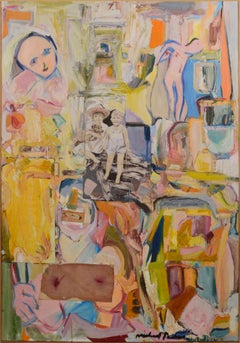
Abstract Expressionist Figurative Homage to Willem de Kooning's "Women Singing" Colorful and dynamic abstract expressionist figurative mixed media painting contemporary piece, featu...

Category

Late 20th Century Modern Abram Krol Art

Materials

Canvas, Mixed Media, Oil, Magazine Paper, Stretcher Bars

Houses and Church on the French Countryside (quaint village scene)

Houses and Church on the French Countryside (quaint village scene)

Located in New Orleans, LA

A rare color lithograph by late French artist, Éliane Thiollier. Edition of 275, certificate of authentication is provided. Minor acid staining from the old mat. Éliane Thiollier s...

Category

1950s Contemporary Abram Krol Art

Materials

Lithograph

Previously Available Items
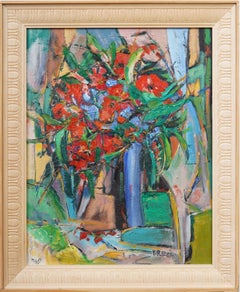
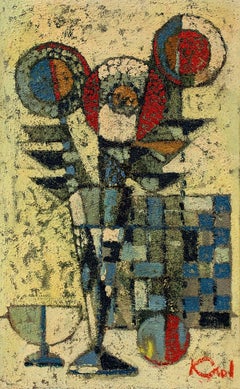
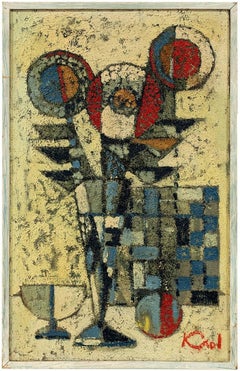
French Mid Century Modern Abstract Interior Scene (Vase with Flowers)

French Mid Century Modern Abstract Interior Scene (Vase with Flowers)

By Abram Krol

Located in Surfside, FL

Biography: Abram (Abraham) Krol was born January 22, 1919, in Pabianice (Lodz), Poland. Krol went to France in 1938 to study civil engineering at the University of Caen. In 1939 at the beginning of World War II he joined the Foreign Legion. After he was demobilized, he became a mechanic in a garage in Avignon. Although Jewish, he survived the war with a false identity. In 1943, Krol started studying to be an artist, taking courses in sculpture at the city’s School of Fine Art. He also began studying painting and self-described himself as a “Sunday painter.” Krol moved to Paris in 1944. The first exhibition of his work was in 1946 in the Katia Granoff Gallery in Paris. After the war, Krol took up engraving, studying that art form with an engraver he met in Paris. Krol reflected his Hasidic childhood often using Biblical themes in his art works. He said, During all my years of childhood I had read the Bible endlessly. I came back to the Bible because I was on solid ground...

Category

Mid-20th Century Abstract Abram Krol Art

Materials

Canvas, Oil

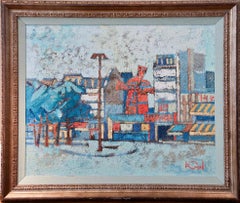
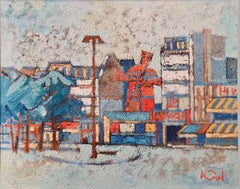
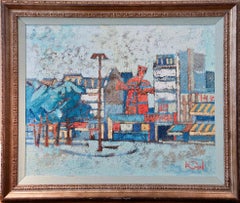
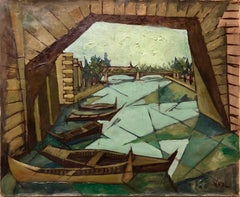
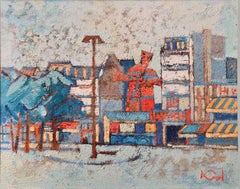
Large Polish French Paris Scene Mid Century Modernist Oil Painting Moulin Rouge

Large Polish French Paris Scene Mid Century Modernist Oil Painting Moulin Rouge

By Abram Krol

Located in Surfside, FL

Wonderful scene of the Moulin Rouge cabaret nightclub at Place Pigalle in Paris. Painted in wonderful moody blue and red colors. Size includes frame. Abram Abraham Krol was born January 22, 1919, in Pabianice (Lodz), Poland. Abram Krol went to France in 1938 to study civil engineering at the University of Caen. In 1939 at the beginning of World War II he joined the Foreign Legion. After he was demobilized, he became a mechanic in a garage in Avignon. Although Jewish, he survived the war with a false identity. In 1943, Krol started studying to be an artist, taking courses in sculpture at the city’s School of Fine Art. He also began studying painting and self-described himself as a “Sunday painter.” Krol moved to Paris in 1944. The first exhibition of his work was in 1946 in the Katia Granoff Gallery in Paris. After the war, Krol took up engraving, studying that art form with an engraver he met in Paris. Krol reflected his Hasidic childhood often using Biblical themes in his art works. He said, During all my years of childhood I had read the Bible endlessly. I came back to the Bible because I was on solid ground there. It was part of the assertion of my own truth after a time of complacency. It seemed to me that in painting or engraving there were so many reefs to avoid, so many possibilities of setback, that I had to have all the odds in my favor do what I could—say what I had to say. Krol illustrated over 20 literary works from the late 1940s through the 1960s. He also engraved medals for the Paris mint and painted murals for schools in France. He designed tapestries and painted approximately 200 enamels. Museums and libraries which own Krol’s art works include the Bibliotheque Nationale in Paris; the Victoria and Albert Museum in London; the British Museum; Houghton Library, Harvard; Bodleian Library, Oxford, and the Palace of the Legion of Honor in San Francisco. Krol has had numerous one-man shows throughout Europe, Brazil, and in California. In 1960, Krol was invited to the Venice Biennale. He was awarded the Critics Prize in 1958. He also won the Feneon Prize among other honors. Krol died on October 9, 2001. The School of Paris, Ecole de Paris, was not a single art movement or institution, but refers to the importance of Paris as a center of Western art in the early decades of the 20th century. Between 1900 and 1940 the city drew artists from all over the world and became a centre for artistic activity. School of Paris was used to describe this loose community, particularly of non-French artists, centered in the cafes, salons and shared workspaces and galleries of Montparnasse. Before World War I, a group of expatriates in Paris created art in the styles of Post-Impressionism, Cubism and Fauvism. The group included artists like Pablo Picasso, Marc Chagall, Amedeo Modigliani and Piet Mondrian. Associated French artists included Pierre Bonnard, Henri Matisse, Jean Metzinger and Albert Gleizes. The term "School of Paris" was used in 1925 by André Warnod to refer to the many foreign-born artists who had migrated to Paris. The term soon gained currency, often as a derogatory label by critics who saw the foreign artists—many of whom were Jewish—as a threat to the purity of French art. Art critic Louis Vauxcelles, noted for coining the terms "Fauvism" and "Cubism", Waldemar George, himself a French Jew, in 1931 lamented that the Ecole de paris, School of Paris name "allows any artist to pretend he is French. it refers to French tradition but instead annihilates it. The artists working in Paris between World War I and World War II experimented with various styles including Cubism, Orphism, Surrealism and Dada. Foreign and French artists working in Paris included Jean Arp, Joan Miro, Constantin Brancusi, Raoul Dufy, Tsuguharu Foujita, artists from Belarus like Michel Kikoine, Pinchus Kremegne, and Jacques Lipchitz, the Polish artist Marek Szwarc and others such as Russian-born prince Alexis Arapoff. A significant subset, the Jewish artists, came to be known as the Jewish School of Paris or the School of Montparnasse. The core members were almost all Jews, and the resentment expressed toward them by French critics in the 1930s was unquestionably fueled by anti-Semitism. Jewish members of the group included Emmanuel Mané-Katz, Chaim Soutine, Adolphe Féder...

Category

1950s Modern Abram Krol Art
Materials

Canvas, Oil

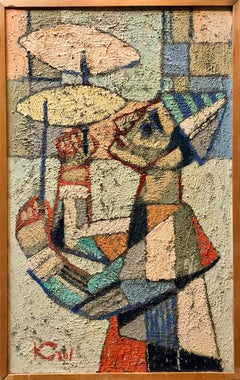
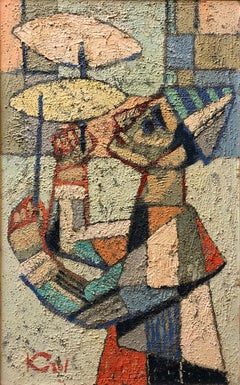
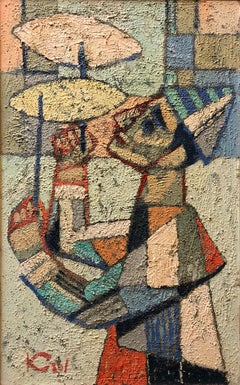
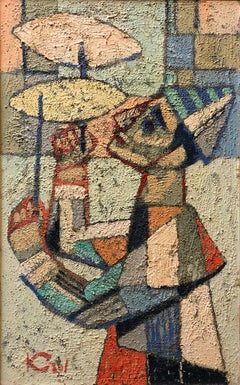
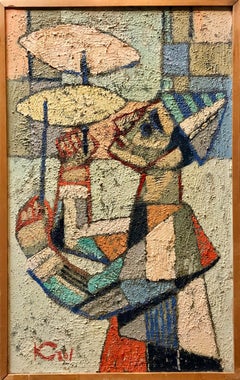
Polish French Ecole de Paris Mid Century Modernist Oil Painting Clown Juggler

Polish French Ecole de Paris Mid Century Modernist Oil Painting Clown Juggler

By Abram Krol

Located in Surfside, FL

Abram Abraham Krol was born January 22, 1919, in Pabianice (Lodz), Poland. Abram Krol went to France in 1938 to study civil engineering at the University of Caen. In 1939 at the beginning of World War II he joined the Foreign Legion. After he was demobilized, he became a mechanic in a garage in Avignon. Although Jewish, he survived the war with a false identity. In 1943, Krol started studying to be an artist, taking courses in sculpture at the city’s School of Fine Art. He also began studying painting and self-described himself as a “Sunday painter.” Krol moved to Paris in 1944. The first exhibition of his work was in 1946 in the Katia Granoff Gallery in Paris. After the war, Krol took up engraving, studying that art form with an engraver he met in Paris. Krol reflected his Hasidic childhood often using Biblical themes in his art works. He said, During all my years of childhood I had read the Bible endlessly. I came back to the Bible because I was on solid ground there. It was part of the assertion of my own truth after a time of complacency. It seemed to me that in painting or engraving there were so many reefs to avoid, so many possibilities of setback, that I had to have all the odds in my favor do what I could—say what I had to say. Krol illustrated over 20 literary works from the late 1940s through the 1960s. He also engraved medals for the Paris mint and painted murals for schools in France. He designed tapestries and painted approximately 200 enamels. Museums and libraries which own Krol’s art works include the Bibliotheque Nationale in Paris; the Victoria and Albert Museum in London; the British Museum; Houghton Library, Harvard; Bodleian Library, Oxford, and the Palace of the Legion of Honor in San Francisco. Krol has had numerous one-man shows throughout Europe, Brazil, and in California. In 1960, Krol was invited to the Venice Biennale. He was awarded the Critics Prize in 1958. He also won the Feneon Prize among other honors. Krol died on October 9, 2001. The School of Paris, Ecole de Paris, was not a single art movement or institution, but refers to the importance of Paris as a center of Western art in the early decades of the 20th century. Between 1900 and 1940 the city drew artists from all over the world and became a centre for artistic activity. School of Paris was used to describe this loose community, particularly of non-French artists, centered in the cafes, salons and shared workspaces and galleries of Montparnasse. Before World War I, a group of expatriates in Paris created art in the styles of Post-Impressionism, Cubism and Fauvism. The group included artists like Pablo Picasso, Marc Chagall, Amedeo Modigliani and Piet Mondrian. Associated French artists included Pierre Bonnard, Henri Matisse, Jean Metzinger and Albert Gleizes. The term "School of Paris" was used in 1925 by André Warnod to refer to the many foreign-born artists who had migrated to Paris. The term soon gained currency, often as a derogatory label by critics who saw the foreign artists—many of whom were Jewish—as a threat to the purity of French art. Art critic Louis Vauxcelles, noted for coining the terms "Fauvism" and "Cubism", Waldemar George, himself a French Jew, in 1931 lamented that the School of Paris name "allows any artist to pretend he is French. it refers to French tradition but instead annihilates it. The artists working in Paris between World War I and World War II experimented with various styles including Cubism, Orphism, Surrealism and Dada. Foreign and French artists working in Paris included Jean Arp, Joan Miro, Constantin Brancusi, Raoul Dufy, Tsuguharu Foujita, artists from Belarus like Michel Kikoine, Pinchus Kremegne, and Jacques Lipchitz, the Polish artist Marek Szwarc and others such as Russian-born prince Alexis Arapoff. A significant subset, the Jewish artists, came to be known as the Jewish School of Paris or the School of Montparnasse. The core members were almost all Jews, and the resentment expressed toward them by French critics in the 1930s was unquestionably fueled by anti-Semitism. Jewish members of the group included Emmanuel Mané-Katz, Chaim Soutine, Adolphe Féder...

Category

1950s Modern Abram Krol Art
Materials

Canvas, Oil

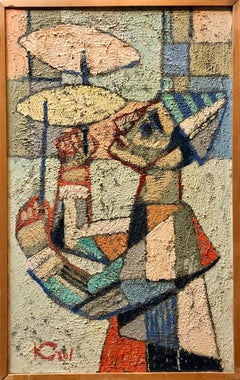
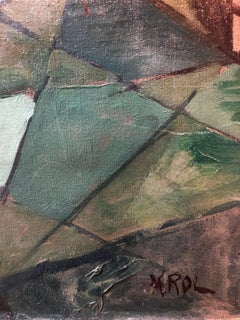
Polish French Ecole de Paris Mid Century Modernist Oil Painting Clown Juggler

Polish French Ecole de Paris Mid Century Modernist Oil Painting Clown Juggler

By Abram Krol

Located in Surfside, FL

Abram Abraham Krol was born January 22, 1919, in Pabianice (Lodz), Poland. Abram Krol went to France in 1938 to study civil engineering at the University of Caen. In 1939 at the be...

Category

1950s Modern Abram Krol Art
Materials

Canvas, Oil

Polish French Mid Century Modern Abstract Judaica Hebrew Calligraphy Lithograph

Polish French Mid Century Modern Abstract Judaica Hebrew Calligraphy Lithograph

By Abram Krol

Located in Surfside, FL

Pencil signed Lithograph or Xylograph Biography: Abram (Abraham) Krol was born January 22, 1919, in Pabianice (Lodz), Poland. Krol went to France in 1938 to study civil engineering...

Category

Mid-20th Century Modern Abram Krol Art
Materials

Lithograph

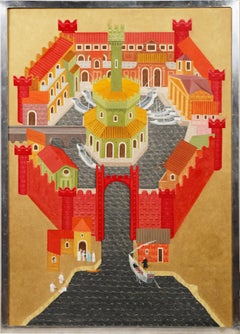
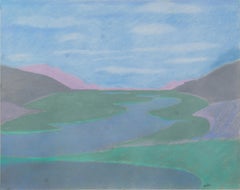
Polish French Mid Century Modern Abstract Venice Gondola Canal Scene

Polish French Mid Century Modern Abstract Venice Gondola Canal Scene

By Abram Krol

Located in Surfside, FL

Biography: Abram (Abraham) Krol was born January 22, 1919, in Pabianice (Lodz), Poland. Krol went to France in 1938 to study civil engineering at the University of Caen. In 1939 at...

Category

Mid-20th Century Modern Abram Krol Art
Materials

Canvas, Oil

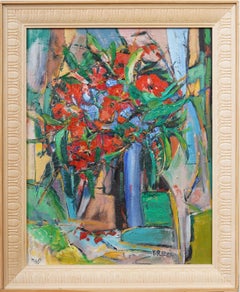
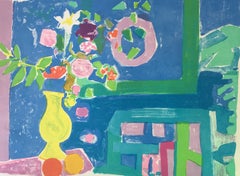
French Mid Century Modern Abstract Interior Scene (Vase with Flowers)

French Mid Century Modern Abstract Interior Scene (Vase with Flowers)

By Abram Krol

Located in Surfside, FL

Biography: Abram (Abraham) Krol was born January 22, 1919, in Pabianice (Lodz), Poland. Krol went to France in 1938 to study civil engineering at the University of Caen. In 1939 at...

Category

Mid-20th Century Abstract Abram Krol Art
Materials

Canvas, Oil

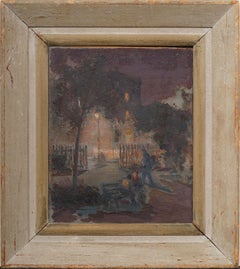
Two Clowns, Mid Century Oil Painting

Two Clowns, Mid Century Oil Painting

By Abram Krol

Located in Surfside, FL

Biography: Abram (Abraham) Krol was born January 22, 1919, in Pabianice (Lodz), Poland. Krol went to France in 1938 to study civil engineering at the University of Caen. In 1939 at...

Category

Mid-20th Century Abram Krol Art
Materials

Oil

Abram Krol art for sale on 1stDibs.
Find a wide variety of authentic Abram Krol art available for sale on 1stDibs. You can also browse by medium to find art by Abram Krol in canvas, fabric, oil paint and more. Much of the original work by this artist or collective was created during the 20th century and is mostly associated with the modern style. Not every interior allows for large Abram Krol art, so small editions measuring 10 inches across are available. Customers who are interested in this artist might also find the work of Pawel Kontny, Roger Lersy, and Morris Katz. Abram Krol art prices can differ depending upon medium, time period and other attributes. On 1stDibs, the price for these items starts at $400 and tops out at $4,500, while the average work can sell for $3,000.
Artists Similar to Abram Krol