By Henry Horenstein
Located in New York, NY
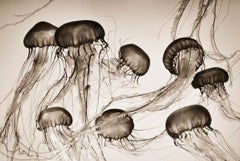
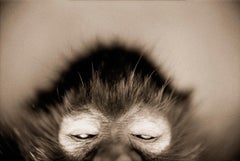
Sepia-toned gelatin silver print
Signed and numbered, verso
20 x 24 inches, sheet
(Edition of 35)
26 x 39 inches, sheet
(Edition of 15)
This photograph is offered by ClampArt, located in New York City.
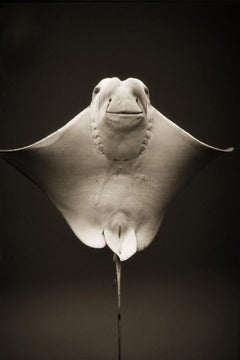
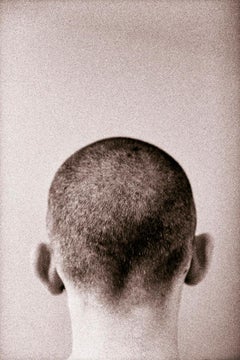
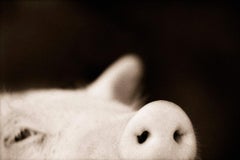
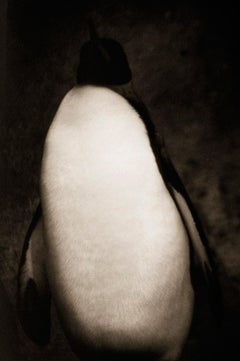
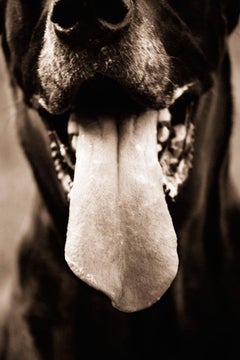
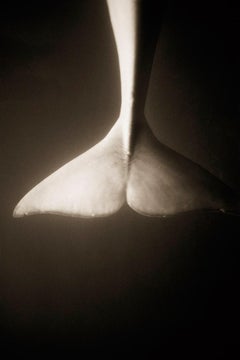
“Horenstein’s creatures are decontextualized. They appear without the backdrop of the natural landscape, outside even the artificial world of the zoo or aquarium, and devoid of their true color. As a consequence, the images are truly arresting; and in both a literal and a metaphorical sense, we see these animals as we have never seen them before. We notice details, and Horenstein focuses our vision on the unexpected: the foot of an elephant, the eye of an octopus, the hair on the back of a gibbon’s head, the pattern of feathers on a bird’s neck. He plays with scale: the rear end and tail of a rhinoceros occupy the entire picture frame. We see these as if through a magnifying glass. His pictures challenge us to look more closely, to ask questions and make connections. We think about form and function: the relationship between an elephant’s foot, a horse’s hoof, and our own toes. We ponder modes of sensing and communication: the signals that hold together a school of fish. Examining these photographs, we become scientists and discoverers.
“In some respects, Horenstein’s work continues a centuries-old tradition of natural history illustration in the realm of photography. In natural history illustration, animals are often presented in shallow space with limited landscape, sometimes even against a blank page, in order to promote close examination and study of detail. But as much as these photographs promote scientific inquiry, they are more than scientific illustration. Animals were the subjects of our first art and our first metaphors; and freed from the constraints of space and time, many of Horenstein’s creatures remind us of the lost magical connection between the ‘animal world’ and our own. They are unsettling and they mesmerize. They transcend and transgress familiar boundaries between subject and object. Who is observing whom? The Komodo dragon looks at us with piercing eyes. We’re transfixed by the gaze of the harbor...
Category
1990s Other Art Style Henry Horenstein Art