By Liceu de Artes e Ofícios
Located in Lapa de Baixo, SP
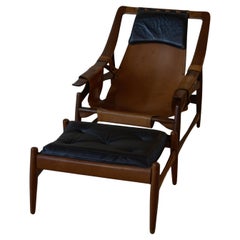
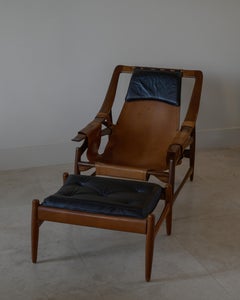
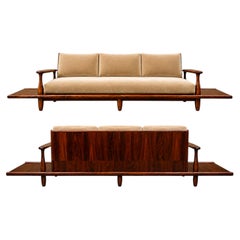
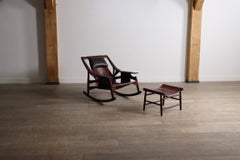
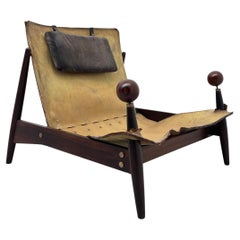
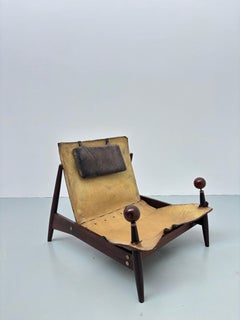
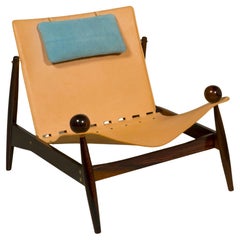
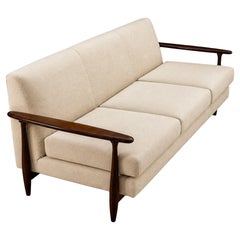
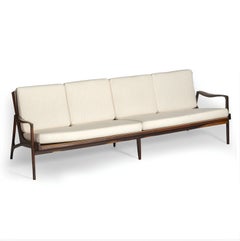
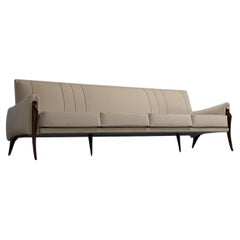
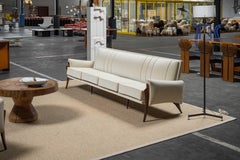
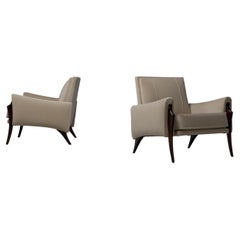
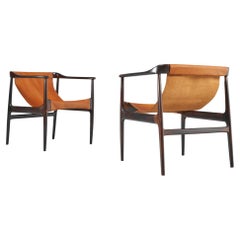
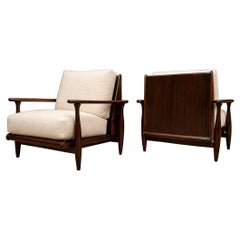
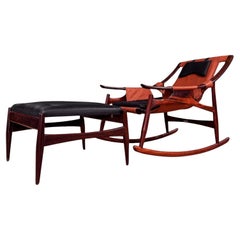
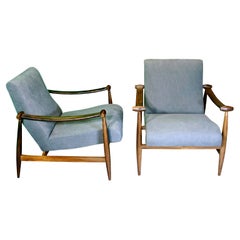
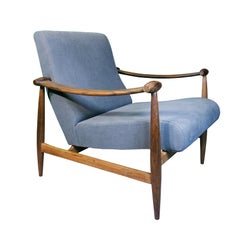
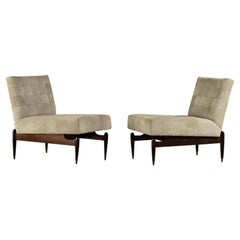
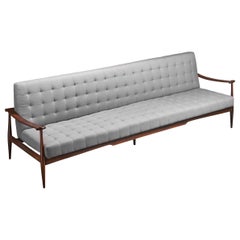
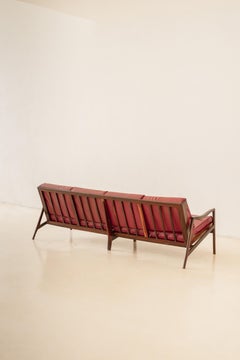
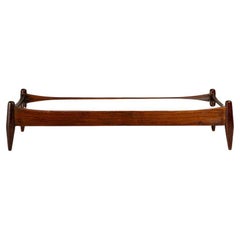
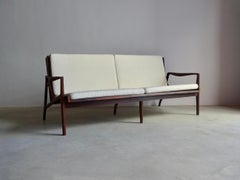
The daybed, manufactured by Liceu de Artes e Ofícios, is a prime example of mid-20th century Brazilian furniture design, which is renowned for its blend of modernist principles with traditional Brazilian materials and techniques.
Liceu de Artes e Ofícios was an important institution in the development of Brazilian design, providing education and promoting craftsmanship. Their furniture production is noted for its high-quality craftsmanship and use of local materials.
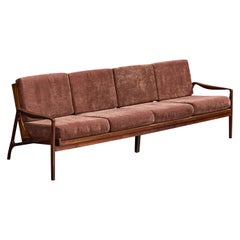
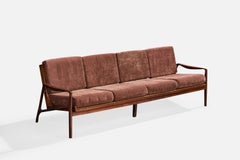
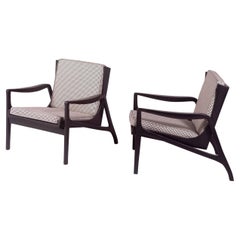
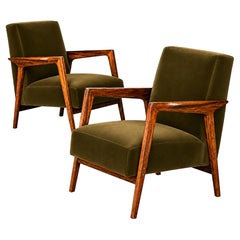
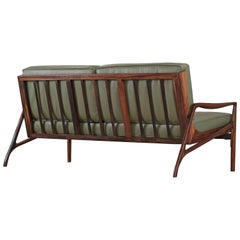
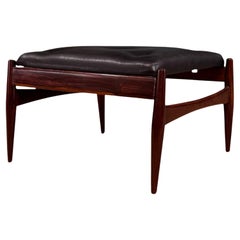
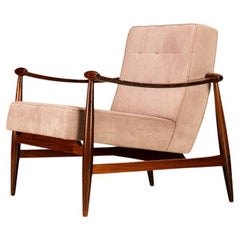
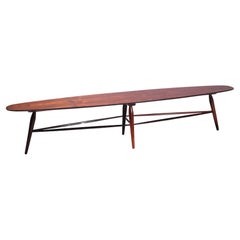
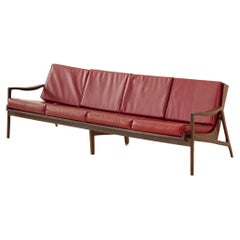
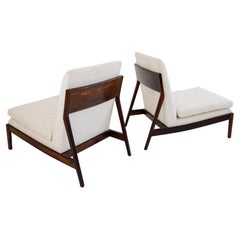
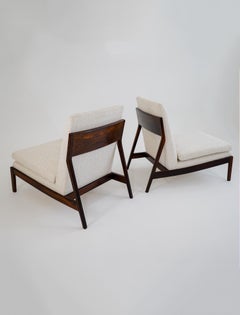
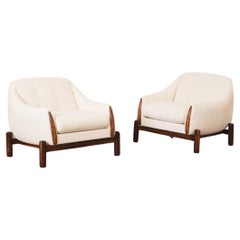
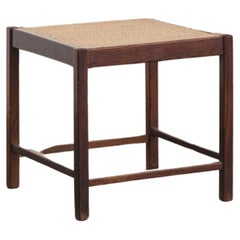
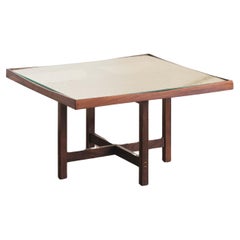
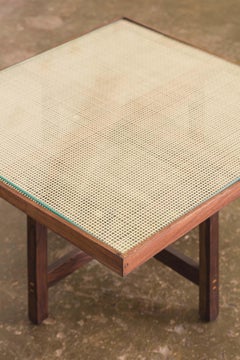
This particular daybed features a robust and simple wooden frame, made from native Brazilian hardwood, which is known for its durability and beautiful grain. The use of such wood not only ensures longevity but also gives the piece a warm, inviting appearance.
The design of the daybed is minimalist, with clean lines and an unadorned structure that emphasizes the natural beauty of the wood. It has a low profile and a rectangular shape, which are characteristic of modernist design, aiming for functionality without sacrificing style.
The cushioning on top is tufted, adding a touch of classic detailing to an otherwise modern piece. The tufting is not merely decorative but also helps to keep the upholstery in place and maintain its shape over time.
The legs of the daybed are short and splayed, a design choice that provides stability and a slight mid-century aesthetic flair. The clean geometry of the daybed allows it to fit seamlessly into various interior design schemes, from the more traditional to the contemporary.
Overall, this daybed represents the innovative spirit of Brazilian design from the mid-20th century, where designers and manufacturers were embracing modernist trends while fostering a unique Brazilian identity through the use of local materials and traditional craftsmanship. It's a functional, elegant piece that reflects the era's design values: form, function, and a close relationship with the materials used.
About the manufacturer:
The Liceu de Artes e Ofícios in São Paulo, established in 1873, is a significant Brazilian institution with a focus on technical education and has also made contributions to cultural and industrial production. The school was founded by the elite of coffee aristocrats with the positivist ideal of promoting the "dignity of man through work," aiming to prepare specialized labor for the country's future industrialization.
Throughout its history, the institution has undergone several transformations. It started with simple courses such as Arithmetic and then expanded to include technical education, inspired by the European Arts and Crafts Movement, which valued the manual work of craftsmen within the capitalist industry. Under the direction of architect Francisco de Paula Ramos de Azevedo...
Category
Mid-20th Century Brazilian Mid-Century Modern Liceu de Artes e Ofícios Furniture
MaterialsFabric, Hardwood