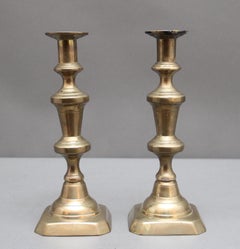
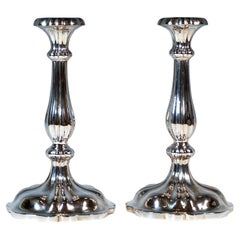
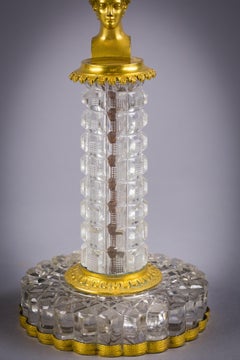
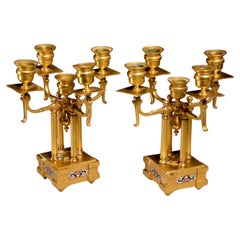
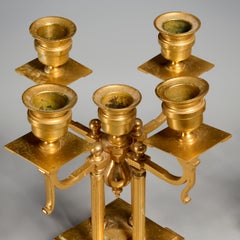
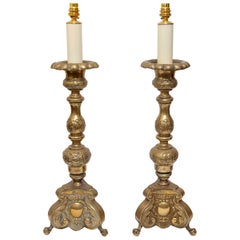
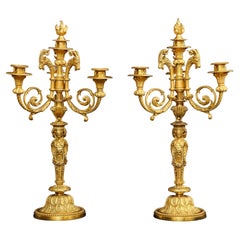
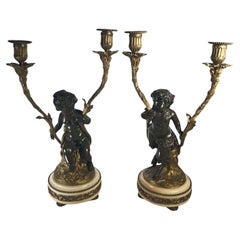
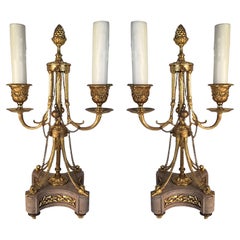
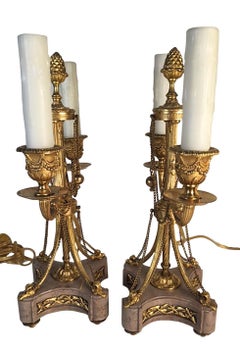
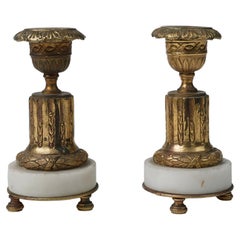
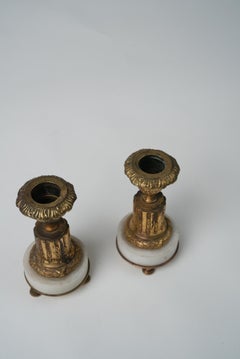
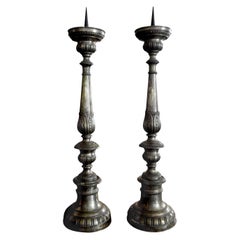
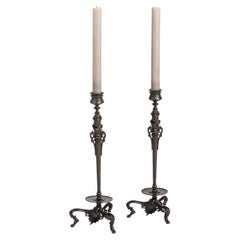
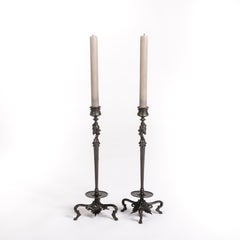
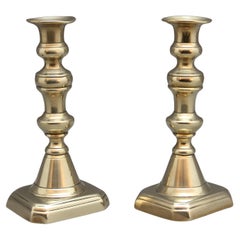
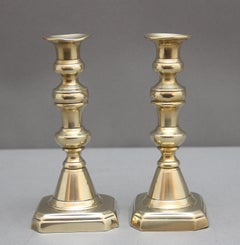
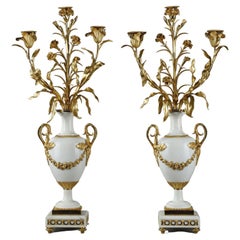
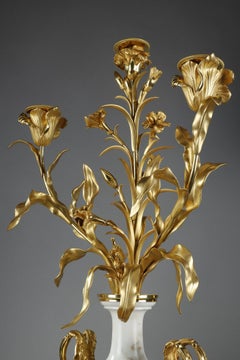
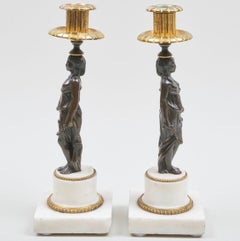
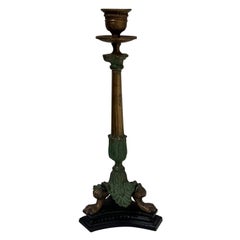
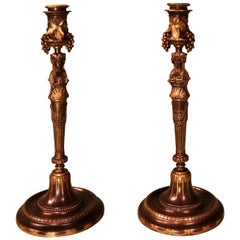
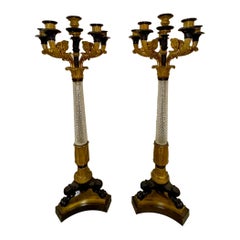
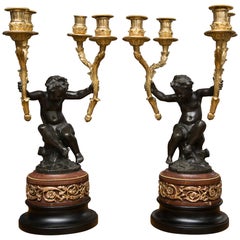
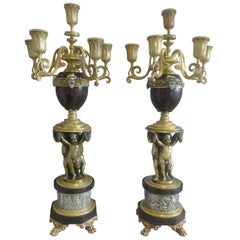
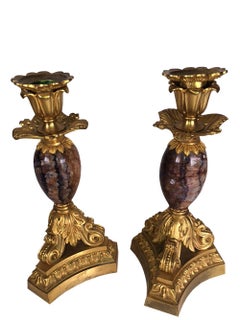
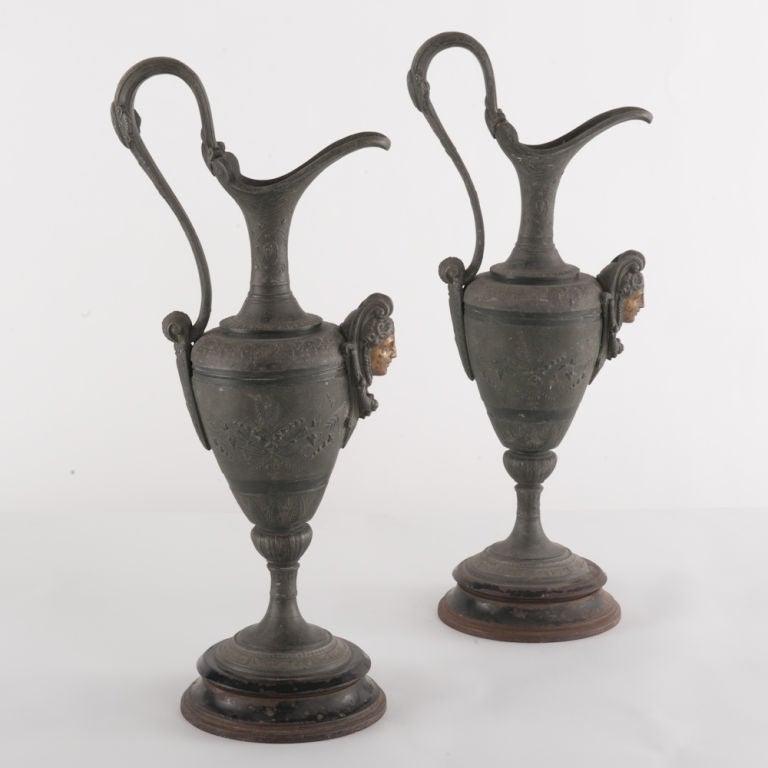
Pair of French Napoleon III Bronze Candlesticks by Foundry F. Barbedienne 1860s
By F. Barbedienne Foundry
Located in Salzburg, AT
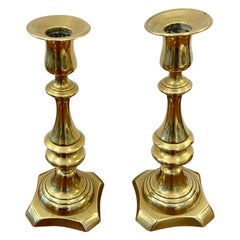
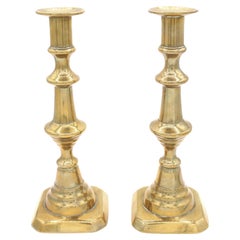
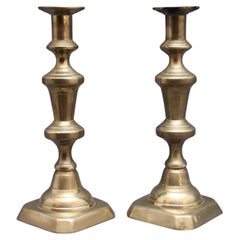
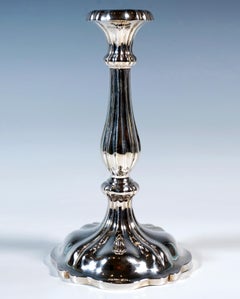
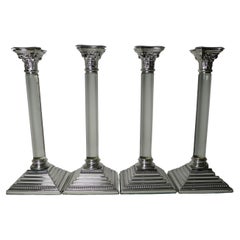
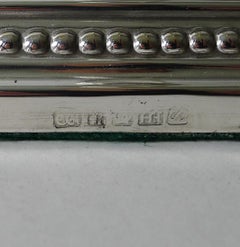
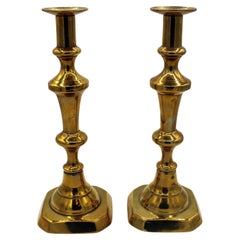
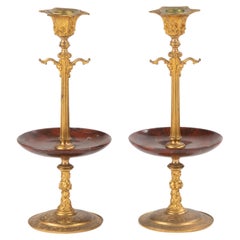
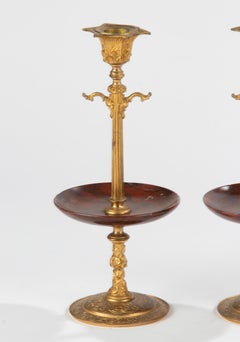
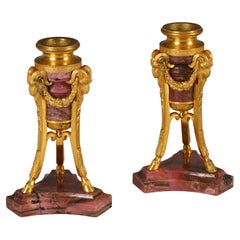
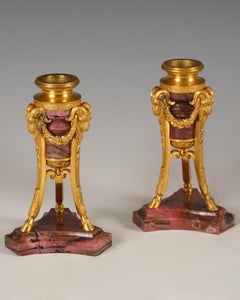
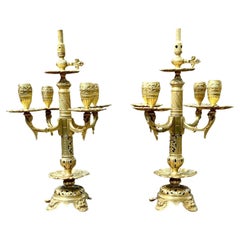
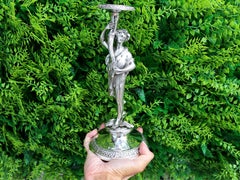
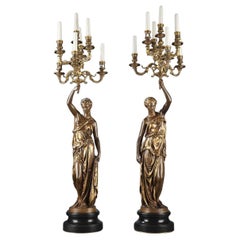
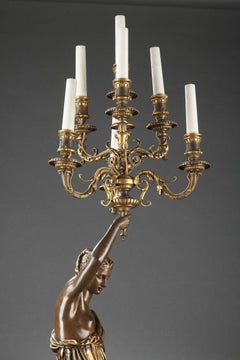
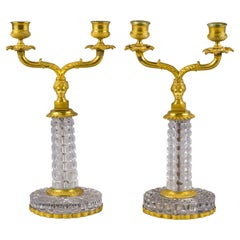
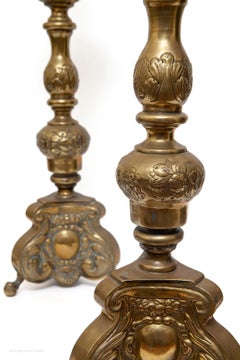
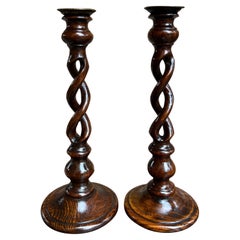
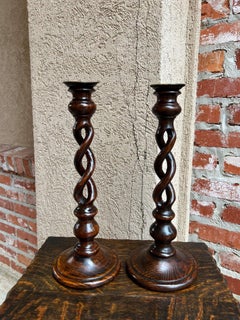
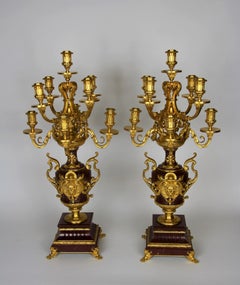
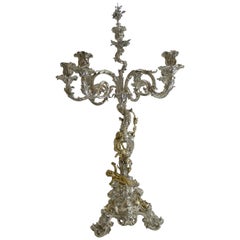
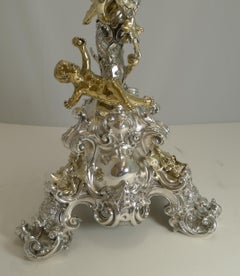
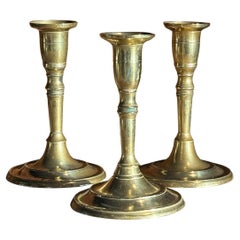
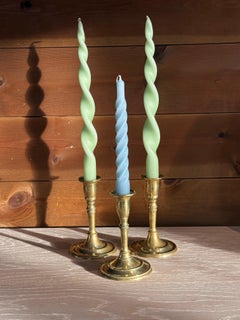
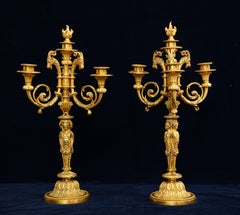
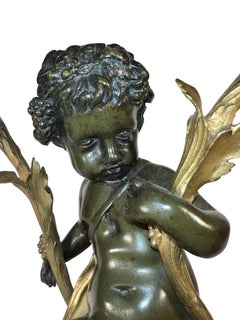
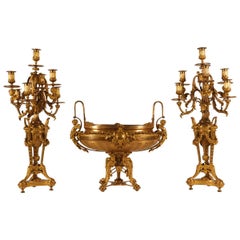
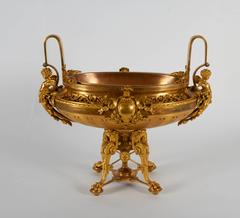
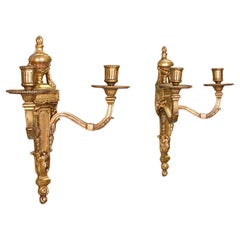
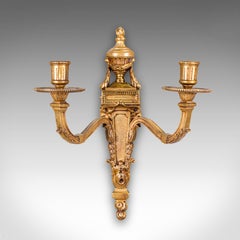
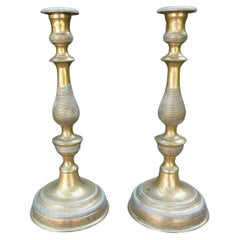
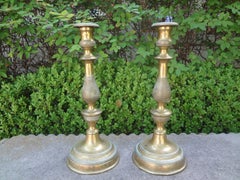
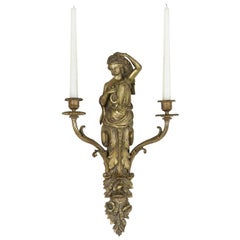
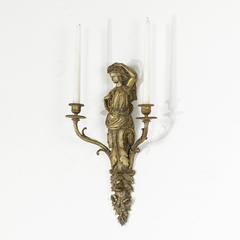
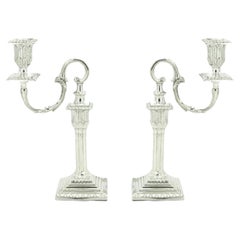
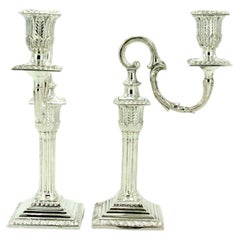
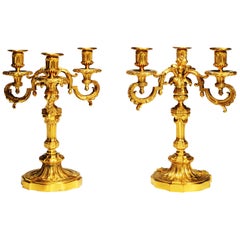
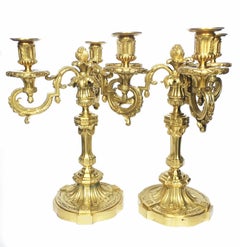
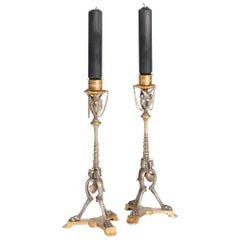
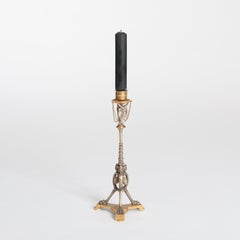
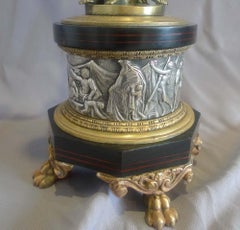
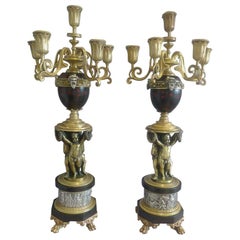
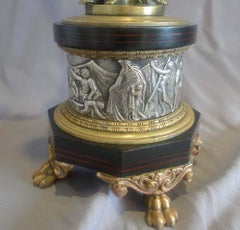
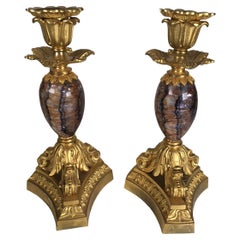
Pair of very elegant classicist candlesticks in fine patinated bronze, signed BARBEDIENNE.
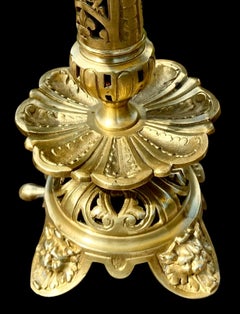
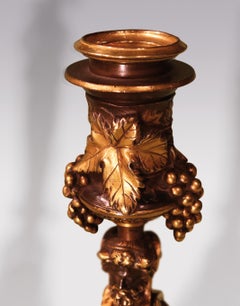
The execution of the casting is extremely finely worked with delicate leaves on the outer wall of the candlestick, with a head of antiquity on the upper part of the stem which flows into the lower part with fluting and side volutes.
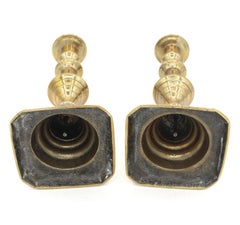
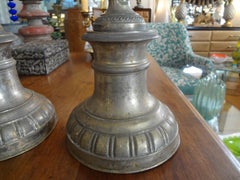
The 3 curved legs stand on raised feet with delicate strappy sandals.
Measures: The diameter at the top is 3.5cm and at the bottom 13.5cm
Ferdinand Barbedienne (* August 6, 1810 in Saint-Martin-de-Fresnay, Calvados department, France; † March 21, 1892 in Paris) was a French sculptor, bronze ware manufacturer, and gallery owner. One of the most important and popular Éditeurs d'art, or publishers of art articles, he had most of the French sculptors of his time under contract.
Life and work
Ferdinand Barbedienne was the son of a farmer. At the age of 13, he learned the Craft of saddlery.
In 1822 he moved to Paris, where he first worked as a clerk in a wallpaper shop. He received start-up capital from his employer to open his own store, which he set up on Rue Notre-Dame-de-Lorette in 1834. He pursued the idea of exhibiting bronze statues in addition to his core business and mass producing them in small format.
In 1838, he joined forces with the mechanic Achille Collas, who had developed the machine á reduction (réducteur for short); a device based on the principles of the pantograph that could reproduce three-dimensional objects in any size - reduced or enlarged. On November 29, 1838, both signed the founding contract for the company Société Ferdinand Barbedienne et Achille Collas, which aimed to commercially exploit the mechanized production of sculptural works for an initial 20 years. Barbedienne took care of the commercial management of the company, while Collas contributed the patent on his invention and seven existing machines, and with his profound knowledge of machinery was responsible for the production processes. Together they decided on the subject matter of the objects, the selling prices, and all other financial matters.
In 1841, they produced casts of the Apollo of Belvedere, the Spinario, and 21 pieces with the motif of a bas-relief of the Parthenon. These were followed by versions of the Laocoon group, the Venus of Arles, and the Borghese Fencer, among others. Special interest was initially shown in works from antiquity, for which casts from the Atelier de Moulage in the Louvre served as models. The company continued to produce works by representatives of the Renaissance such as Michelangelo, Donatello, Giovanni Bologna or by French sculptors such as Jean Goujon, Jean-François Flamand, Pierre Puget, François Girardon, Antoine Coysevox...
Category
French Napoleon III Antique 1860s Candle Holders