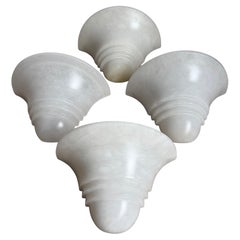
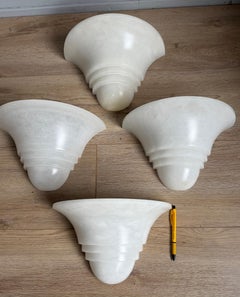
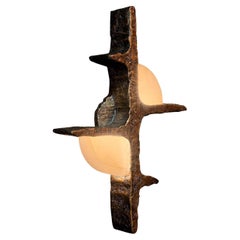
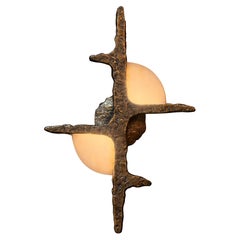
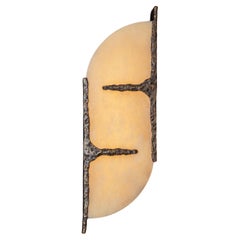
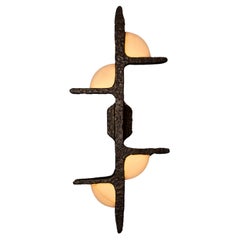
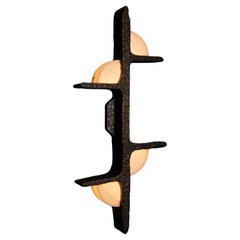
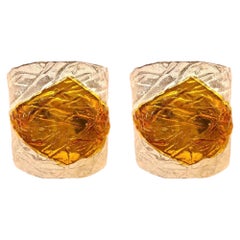
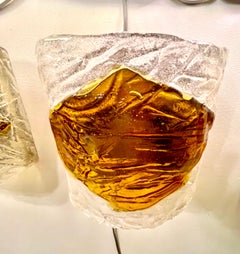
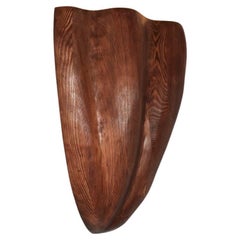
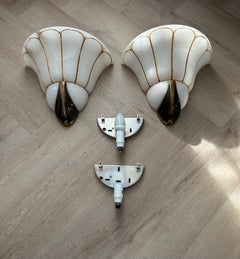
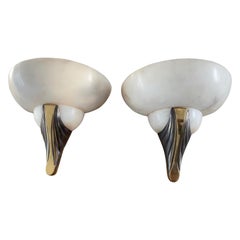
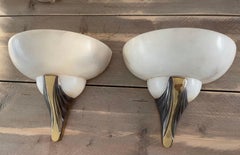
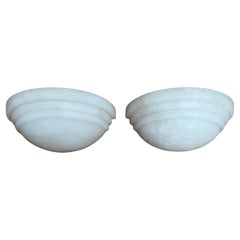
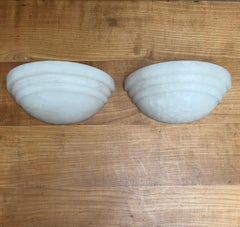
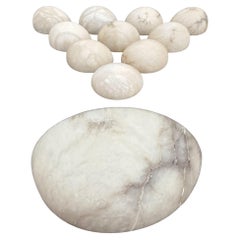
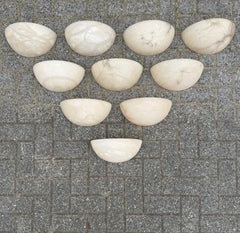
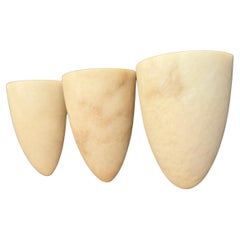
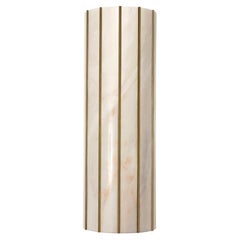
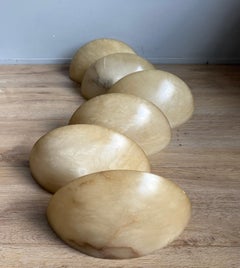
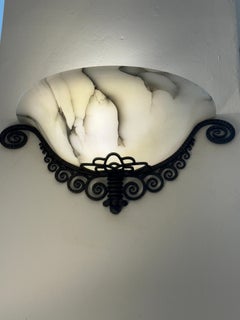
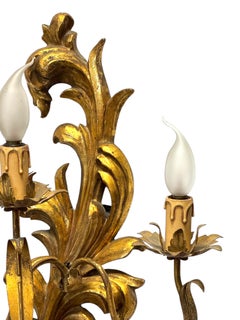
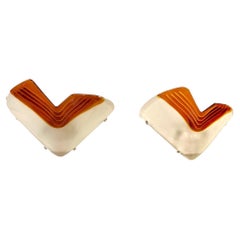
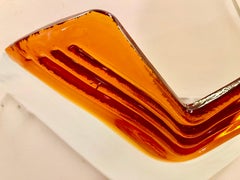
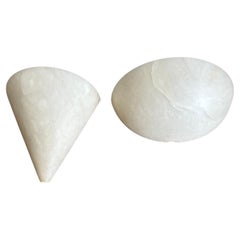
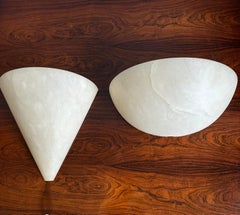
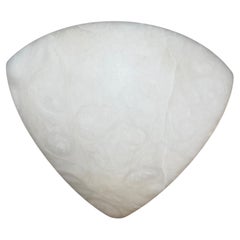
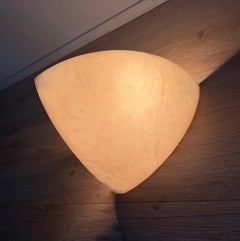
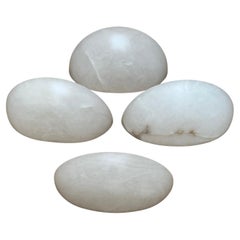
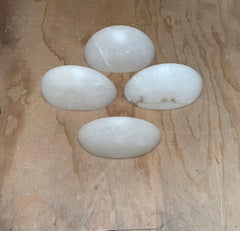
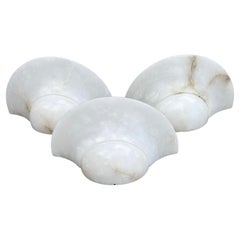
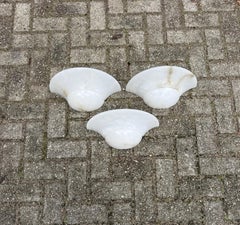
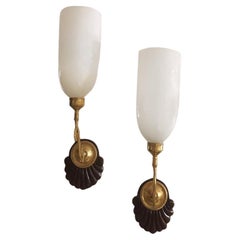
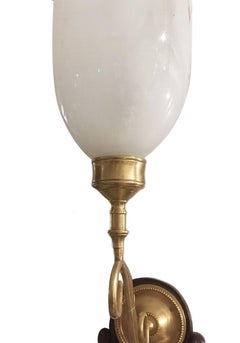
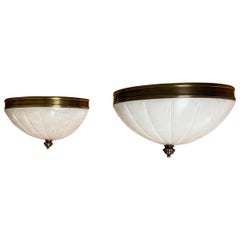
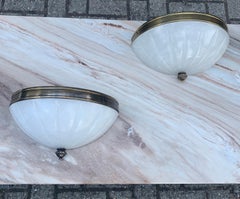
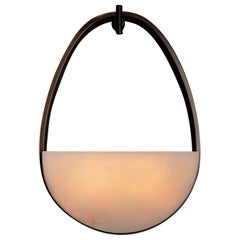
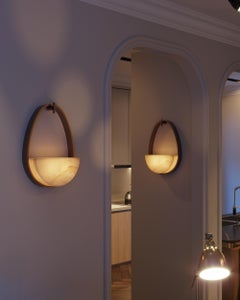
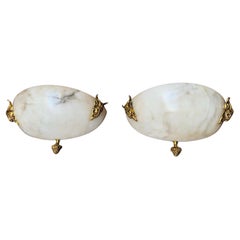
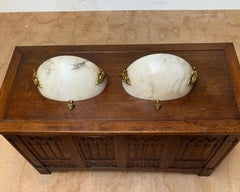
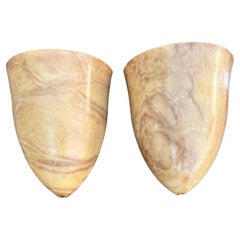
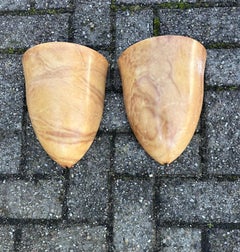
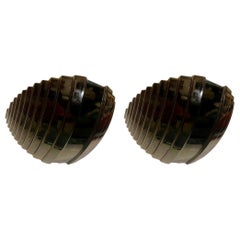
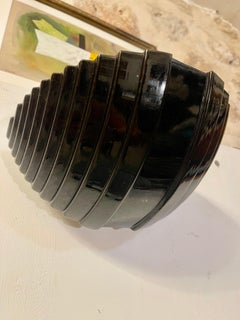
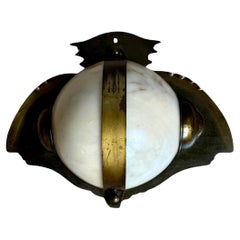
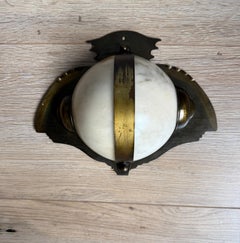
Set of ten handcrafted and very stylish cocoon shape, midcentury made alabaster wall lights.
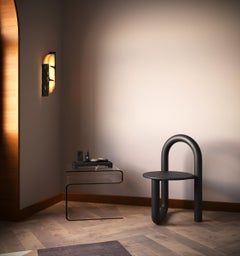
If you are looking for a great shape and practical set of 10 sconces to light up your living space then these natural mineral stone fixtures could be perfect. All handcrafted out of natural materials these very well designed and timeless sconces are an absolute joy to own and to look at. Thanks to the brackets inside they are easy to mount and they will also arrive fully rewired to the highest standard for safe and immediate usage, wherever you are. When purchased by an American client we will also (free of charge) attach American sockets so that they can be used and enjoyed upon arrival. These alabaster sconces have a classy and truly stylish look and feel and with the light switched on they radiate a warm light creating just the perfect atmosphere. You could place them up a stairwell, in an entry hall or on a landing. And as pairs you can place them on either side of a mirror, of a mantelpiece, of a painting, but they will also look great over a side table, over a credenza, on the wall above your bedside tables etc. As so often is the case, these striking and great condition alabaster sconces too look even better in real life. If you do not wish to take our word for it, then please read some of our 370 five star reviews (the highest of any seller here on 1stdibs) and maybe you will convince yourself there.
This great shape, good condition and ready to use set of alabaster sconces...
Category
Mid-20th Century Italian Art Deco Hand-Carved Wall Lights and Sconces
MaterialsAlabaster, Metal