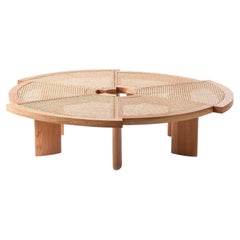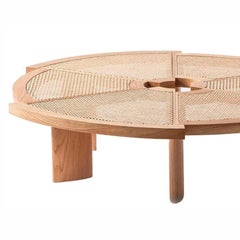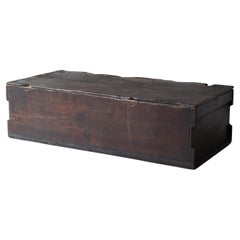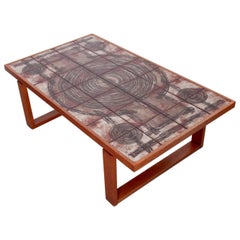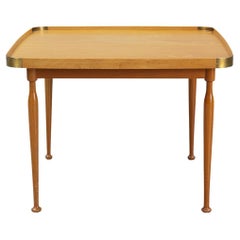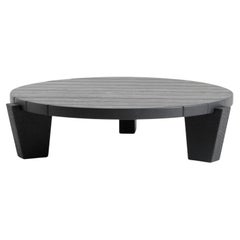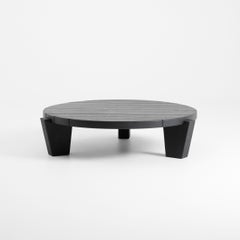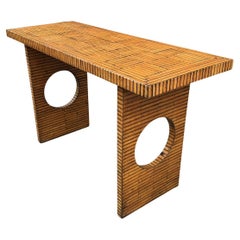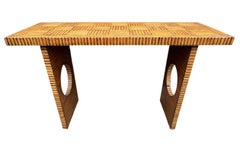
Japanese Antique Solid Wooden Low Tea Table Floor Plinth Wall Sculpture Wabisabi
Located in 足利市, JP
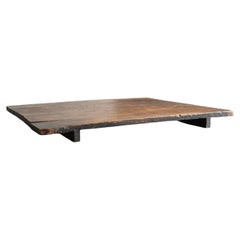
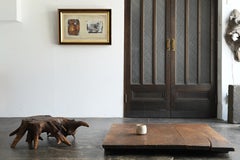
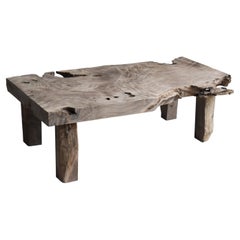
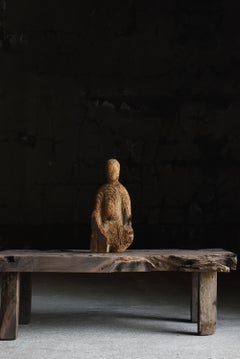
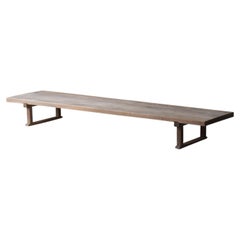
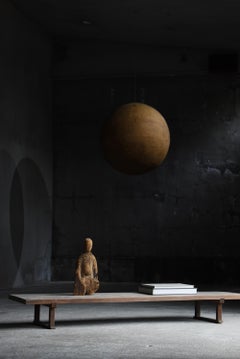
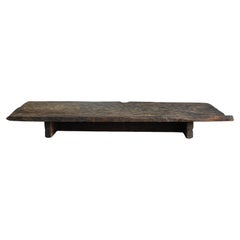
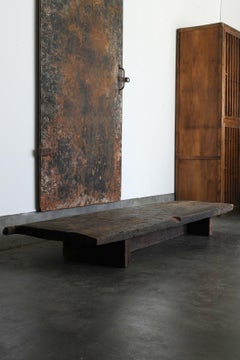
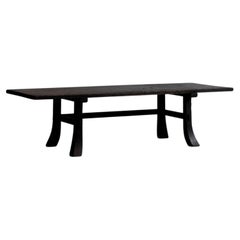
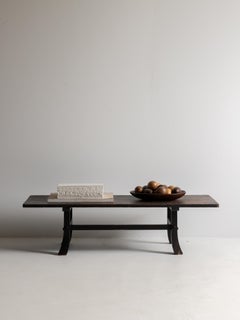
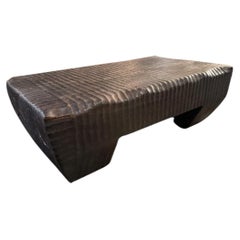
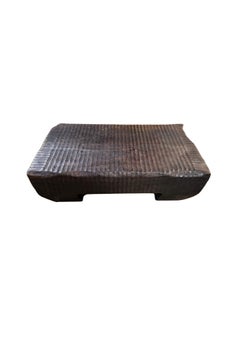
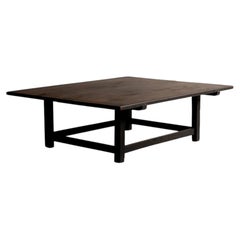
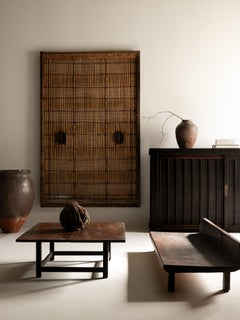
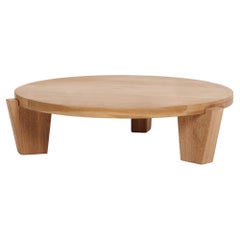
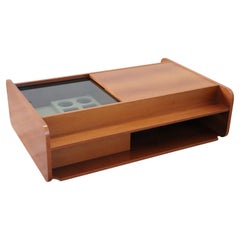
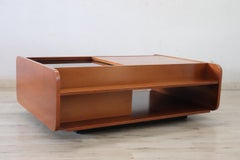
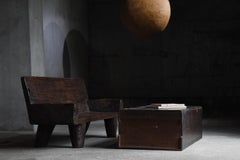
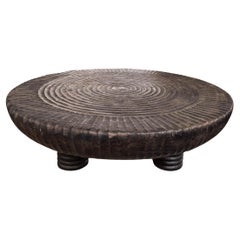
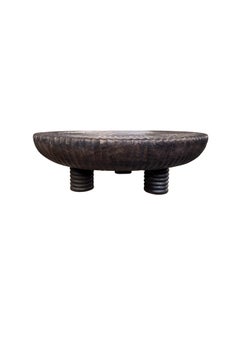
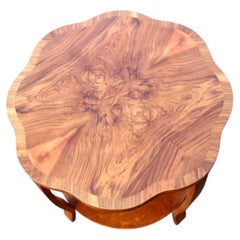
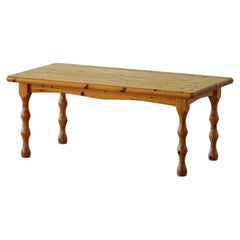
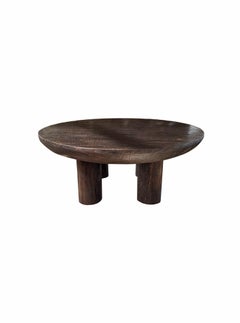
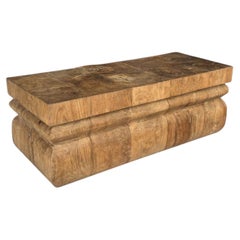
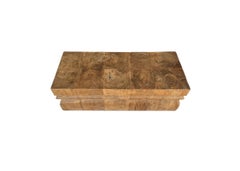
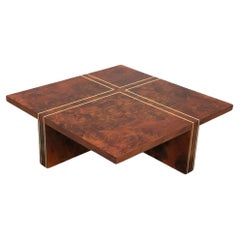
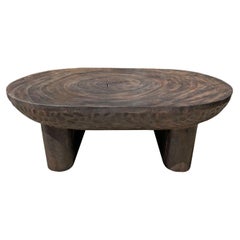
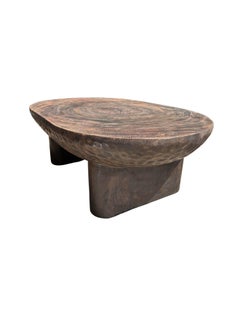
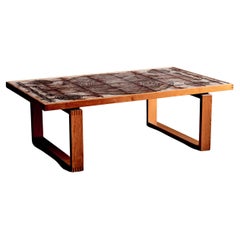
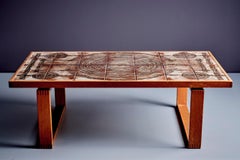
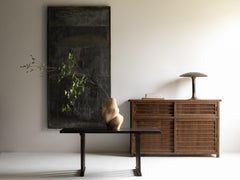
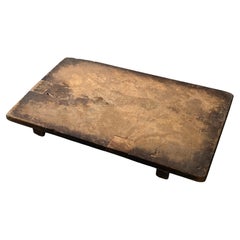
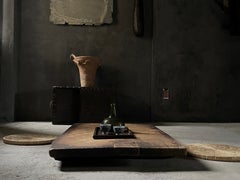
A monolithic, late Meiji-period Japanese low tea platform and display plinth hand-hewn from a massive, 8 cm (3.15 in) thick slab of solid Japanese horse chestnut (Tochi). Weighing over 29 lbs (13.3 kg), the timber features a silky, tactile surface rich in golden-amber tones, bearing authentic historic knife marks and artisanal wooden patches (Umeki). On the reverse, heavy integrated timber battens elevate the slab just off the ground, while an organic natural burl cavity reveals the ancient soul of the tree. Dense, old-growth Japanese horse chestnut (Tochi) of this thickness and width is exceptionally scarce. Celebrated for its gentle resilience and luminous grain, this utilitarian treasure seamlessly embodies the Wabi-Sabi ethos of finding sublime beauty in humble, hard-working objects. It functions effortlessly as a grounded floor tea table (Chabudai), an altar-like sculpture plinth, or an imposing textural wall relief. In person, the piece carries profound physical density and visual warmth. The top surface is smooth to the touch, alive with decades of honest patina and soft knife marks. The integrated rear runners keep it perfectly level and stable on concrete, tatami, or wood floors. The historic timber patches are tight and structural. Originally fashioned as an artisanal pastry or noodle-kneading board (Noshi-Ita) in a regional Japanese household, Tochi wood was prized by woodworkers because its fine grain was gentle on steel knives and naturally resistant to splitting. Over a century of daily ritual and wiping has burnished the wood into an organic masterpiece of Japanese folk craft (Mingei). Multifunctional Use: Ideal as a floor-level tea/cocktail table, an authentic display base for ancient ceramics/sculptures, or hung as a brutalist wood wall...
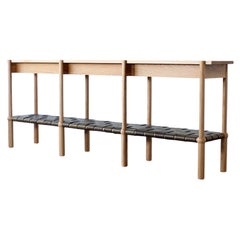
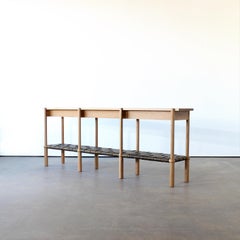
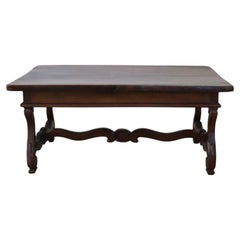
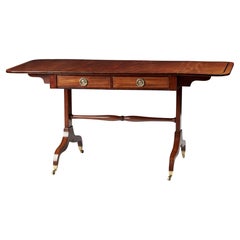
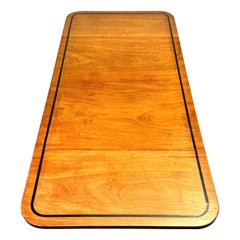
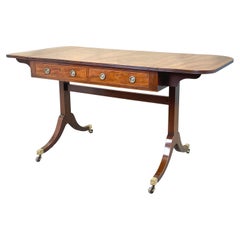
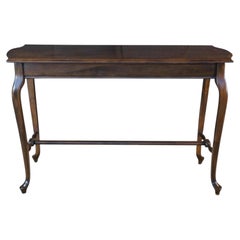
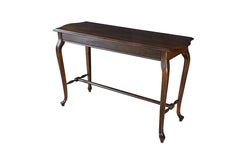
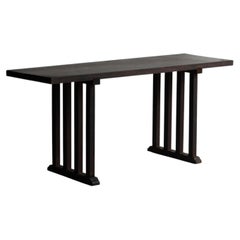
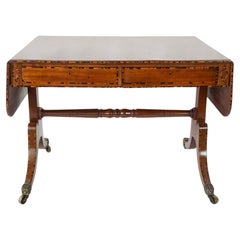
Late 19th Century Japanese Organic Modern Antique Wood Sofa Tables
Wood, Hardwood