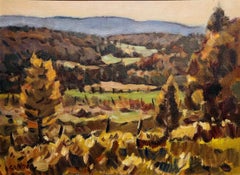
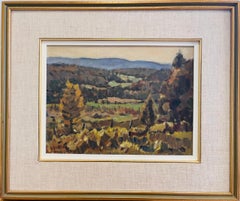
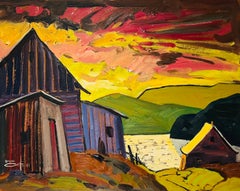
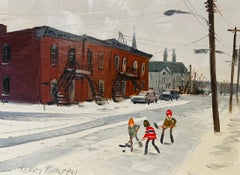
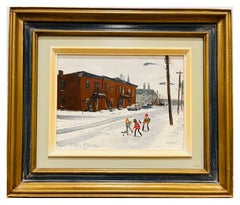
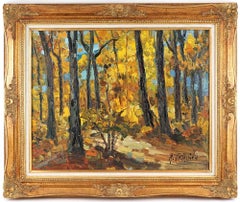
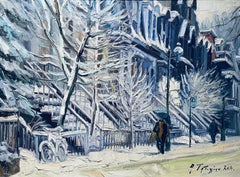
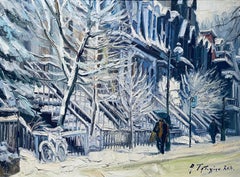
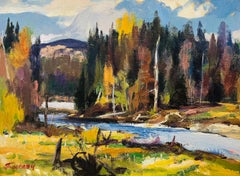
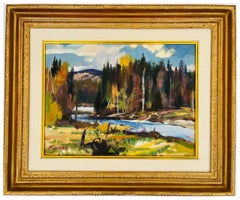
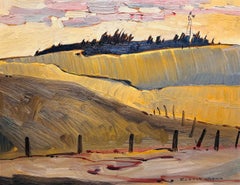
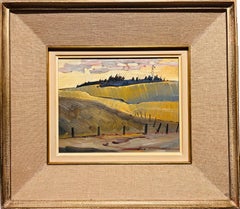
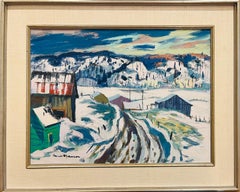
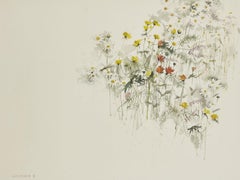
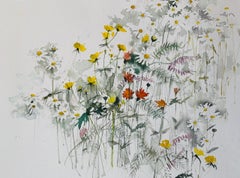
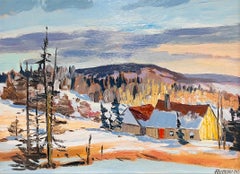
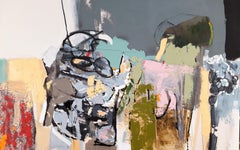
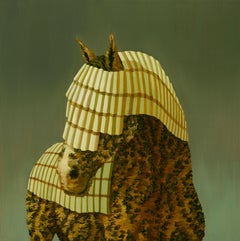
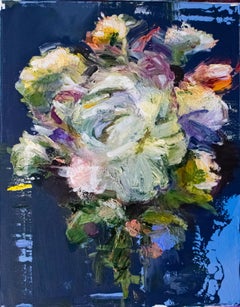
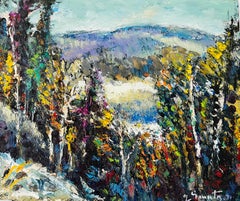
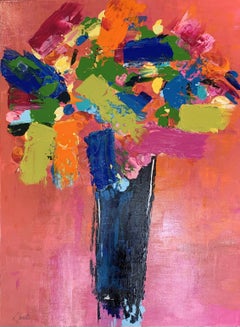
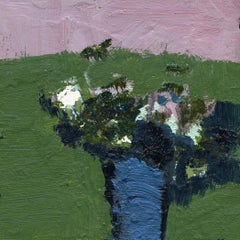
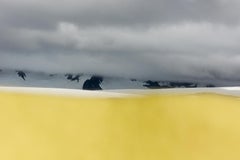
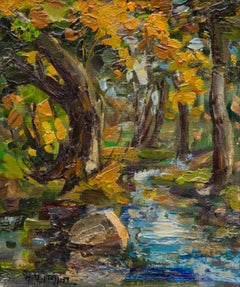
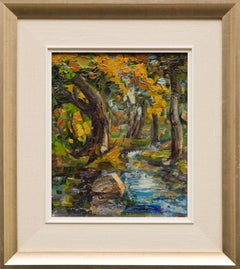
Molly Lamb Bobak, Canadian, 1920 – 2014
Flowers of the Field
Watercolour
22 x 15 in
signed
framed
Molly Bobak Biography
(1922 - 2014) RCA
It could be said that Molly Lamb Bobak was destined to be an artist. She was born on Lulu Island, near Vancouver, British Columbia, on February 25, 1920. She grew up in a bohemian enclave. Her father, Harold Mortimer Lamb, was a photographer and art critic. In 1926, her father opened a commercial art gallery in Vancouver, exhibiting painters, sculptors, and photographers.
In 1938, Bobak attended art school at the Vancouver School of Art and studied under Jack Shadbolt, where she learned to improve her drawing and composition skills. While working at the Yellow Point Lodge during the summer of 1940, Lamb kept a diary filled with text and caricatures and drew everyone that she encountered. Bobak joined the Canadian Women’s Army Corps in 1942. While serving, she found endless material to paint and included these paintings in her personal journal, which was later published and titled “W110278: The Personal War Records of Private Lamb, M”, which included 147 folios and fifty single sheet sketches. After being stationed in Alberta and Quebec, the military recognized her artistic abilities and invited her to attend a drafting course in Toronto. After finishing the course, Lamb tried to become an official war artist. In 1942, Lamb was sent to Ottawa where she drew at the Trades Training offices where she designed posters and Christmas cards. Three of Bobak’s drawings were purchased by the Art Gallery of Ontario in the same year.
In 1944, “Meal Parade, Hamilton Trades School” (n.d) tied for second prize at the National Gallery’s Canadian Army Art Show, which helped her receive the appointment as a war artist––the only woman who earned this designation. As women were not allowed on the active war front, Bobak was transferred to London, England, six weeks after Victory Day to document the aftermath of the war.
After leaving the military, Bobak settled with her husband Bruno, in Vancouver. After the move, Bobak had little time to paint as she was teaching night courses at the Vancouver School of Art and tending to her children. After earning a French scholarship in 1950, Bobak, her husband, and their two children traveled to Paris where she experienced the works of modernist painters like Cézanne and Matisse. Cézanne’s work in particular influenced Bobak’s art, which can be seen in the geometric organization of “A Bakership, Saint-Léonard” (1951) and “The Saint Ives Train...
Category
1980s Montreal - Art