Questions & Answers
Our trusted network of 1stDibs sellers answer common questions
Are Loetz vases signed?
1 Answer
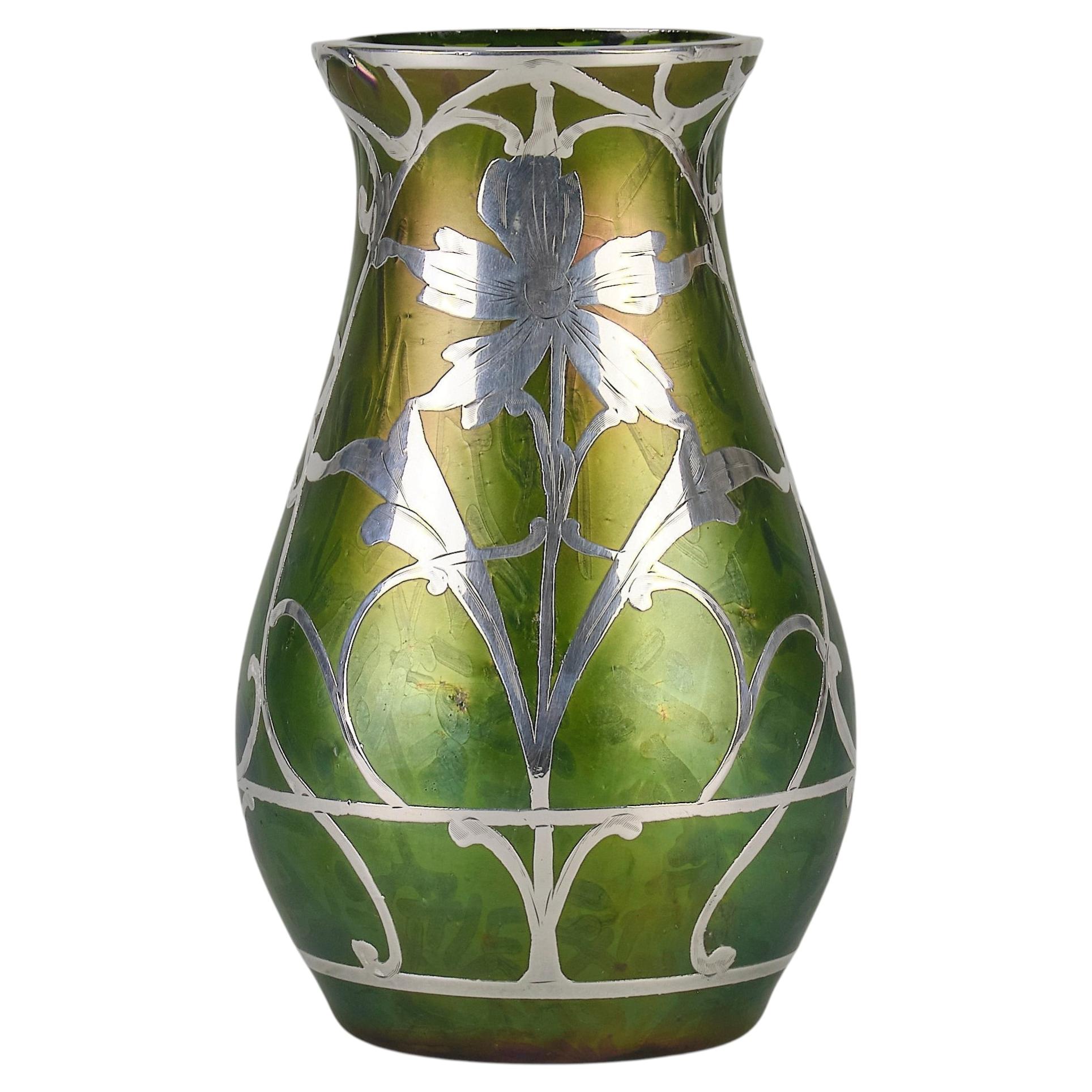
A few are, but most aren’t. Between 1880 and 1940, according to scholars, there doesn’t seem to have been clearly defined rules around when glassware needed a mark or name and how they should be applied. A variety of marks were used, if inconsistently, including marks that had elements of the von Spaun family coat of arms and the more common, but still rare, “Loetz Austria” mark used by the factory. Shop a selection of Loetz vases from top sellers on 1stDibs.
1stDibs ExpertApril 5, 2022
Related Questions
- How do I identify my Loetz vase?1 Answer
- How do I identify a Loetz vase?1 Answer
- How do I tell if a vase is a Tiffany vase?1 Answer
- What is a baluster vase?1 Answer
- What is a bubble vase?1 Answer
Shop for Loetz Glass Vases and Vessels on 1stDibs
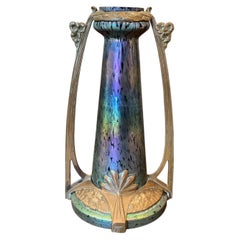
Loetz Cobalt Papillon Iridescent Bronze Mounted Vase
By Loetz Glass
Located in Dallas, TX
Bronze Mounted Iridescent Loetz Vase.
Circa 1900, Art Nouveau
An elegant Art Nouveau vase by Johann Loetz (1848–1933), featuring luminous iridescent glass in rich blue with green and...
Category
Antique Early 1900s Czech Art Nouveau Vases
Materials
Metal
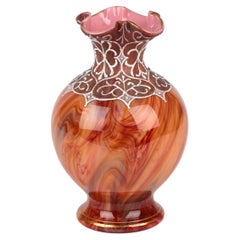
Johann Loetz Witwe Carneol Glass Vase with Lacework Patterning
By Loetz Glass
Located in Bishop's Stortford, Hertfordshire
A stunning early Johann Loetz Witwe Carneol glass vase decorated with Islamic styled lacework patterning and gilding and dating from around 1890.
The design was launched in Munich ...
Category
Antique 1880s Austrian Aesthetic Movement Vases
Materials
Blown Glass
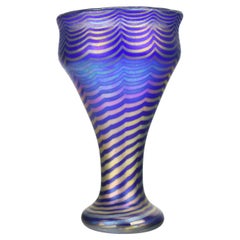
Loetz Vase Art Nouveau Secessionist Art Glass Phaenomen 6893 Antique Lötz
By Loetz Glass
Located in Bad Säckingen, DE
Antique Art Nouveau chalice shaped art glass vase created by the Loetz glassworks company, which was active during the late 19th and early 20th centuries, this vase represents a prime example of their artistic mastery.
The vase features a cobalt blue ground that adds depth and richness to its overall appearance. Its surface showcases a captivating iridescent wave pattern, which adds a mesmerizing shimmer and dynamic quality to the glass. This iridescence is a hallmark of Loetz glassware and is achieved through the application of special techniques during the glassblowing process.
The chalice-form of the vase gives it an elegant and graceful silhouette. This design creates a harmonious balance between the visually striking upper portion and the sturdy base.
Loetz glasswares are renowned for their exceptional artistry and their ability to capture and play with light. The Phaenomen Genre 6893 vase, with its dark blue color and iridescent wave pattern, is no exception. When light interacts with the glass, it reveals a captivating range of colors and reflections, making it a visually stunning and attention-grabbing piece.
As an antique Loetz glass vase...
Category
Antique 1890s Austrian Art Nouveau Vases
Materials
Luster, Glass, Art Glass, Blown Glass
$5,269 Sale Price
20% Off
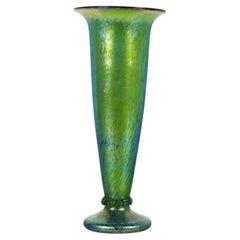
Loetz Blue Green Iridescent Art Glass Trumpet Vase
By Loetz Glass
Located in Tarry Town, NY
A spectacular large Loetz Austria studio art glass vase, showcasing the exceptional craftsmanship and luminous iridescent effects for which Loetz glass is renowned. This impressive v...
Category
Vintage 1910s Czech Bohemian Vases
Materials
Art Glass
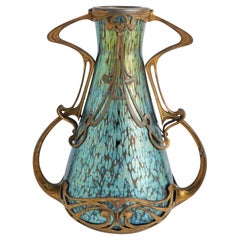
Loetz For Boudon And Klur Ruby Papillon Glass And Gilt Metal Mounted Vase
By Loetz Glass
Located in Dallas, TX
Loetz For Boudon And Klur Gilt Metal Monted Glass Vase. A highly sought after vase culminating the zenith of Loetz and the Art Nouveau design.
Czech Republic
Circa 1900
Rubin Ruby Papillon Decor
Metal mount with indistinct impressed marks for Boudon and Klur
Height: 10.5 Inches x 8 Inches wide x 5 Inches deep
Condition: Very good with wear commensurate of age and use with some loss to gilt,
The Loetz glassworks existed in Klostermuhle, Austria, for just over a hundred years, starting from 1840. But its heyday was during the life-time of Max Ritter Von Spaun, grandson of the original Johann Loetz who had founded the company. Von Spaun took over the company in 1879 and ran it until 1908, a year before his death. He was assisted by Eduard Prochaska, his technical specialist, and together they invented, designed and produced a whole series of wonderful new types of glass, taking out several patents and winning awards at all the major world exhibitions during the 1890's and the first years of the new century.
The Loetz company were amongst the leaders in Art Nouveau design and expecially in irridescent art glass. "Papillon" glass, like the vase on the left, is sometimes known today as "oil spot" glass. Another favourite Loetz colouring was irridized glass with pulled trails called "Phenomenon" glass. There were irridized vases with ribbons of metallic colours winding over the surface, and many spectacular designs with applied trails of beautiful colours, or simply pulled out of the body of the glass to form handles or decoration.
About 1900 the company started collaborating with outside designers, and some great artists designed pieces for Lotz, notably Joseph Hofmann, Koloman Moser, Maria Kirchner, and Hofstatter.
In 1908 Loetz was taken over by Max Von Spaun's son, also called Max, and although it struggled financially (going through bankruptcy in 1911 and again in 1931) there were several great designers whose work was produced by Loetz during those years and through the art deco period. These included Adolf Beckert...
Category
Antique Early 1900s Czech Art Nouveau Vases
Materials
Metal
Loetz Silberiris Candia Iridescent Twin Handled Glass Vase
By Loetz Glass
Located in Bishop's Stortford, Hertfordshire
Stylish Bohemian Silberiris Candia iridescent glass vase with brown handles by Johann Loetz Witwe and dating from around 1900. The simply shaped vase ref PN 85/5151 in the Loetz cata...
Category
Antique Early 1900s Austrian Art Nouveau Vases
Materials
Blown Glass