Questions & Answers
Our trusted network of 1stDibs sellers answer common questions
How do you identify West German pottery?
1 Answer
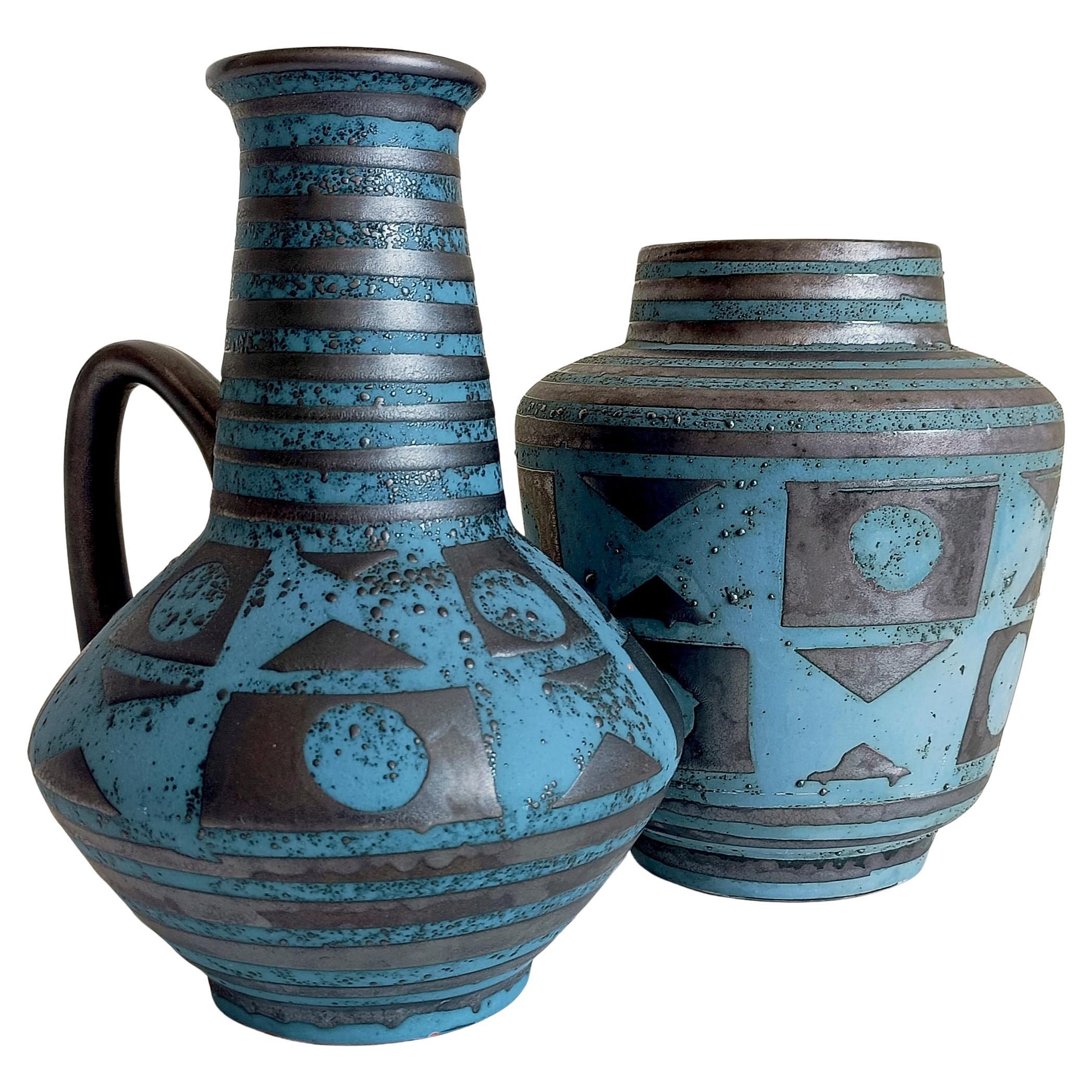
To identify West German pottery, look on the bottom or interior for markings. Many pieces will have markings with the words "West Germany.” Others may instead or also have markings with the maker's name. By researching the maker's mark, you can determine whether the manufacturer was a West German company. Well-known West German pottery manufacturers include Scheurich, ES Keramik, Ceramano and Ruscha. Some pottery also has an item or piece number on it; this can be used to learn more about your piece's age, style or line name and other characteristics. If you can't find any markings on your piece, you may wish to have a certified appraiser or knowledgeable antique dealer help you with identifying it. On 1stDibs, shop a large collection of West German pottery.
1stDibs ExpertSeptember 23, 2024
Related Questions
- How do you identify German pottery?1 Answer
- What are the markings on West German pottery?1 Answer
- What brands are West German pottery?1 Answer
- How do I identify my pottery?1 Answer
- Is West German pottery worth anything?1 Answer
Shop for West German Pottery on 1stDibs
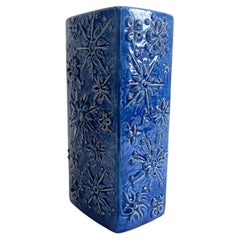
1960s Scheurich Kosmos 263-31 Sculptural Cobalt Blue Relief Vase, West Germany
By Scheurich Keramik, West German Pottery
Located in Valencia, VC
Large and heavy vintage ceramic vase by Scheurich Keramik, West Germany, model 263-31, dating from the 1960s.
The vase has a tall, architectural rectangular form with softly rounded...
Category
Vintage 1960s German Mid-Century Modern Vases
Materials
Ceramic, Clay, Earthenware
$603 Sale Price
20% Off
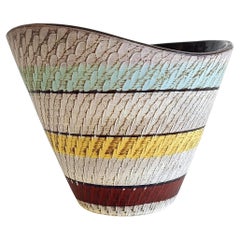
Dümler & Breiden Ceramic Cachepot with Sgraffito Décor, 1950s
By West German Pottery, Dümler & Breiden
Located in Valencia, VC
Large Dümler & Breiden West German Ceramic Bowl / Cachepot with Sgraffito Décor, 1950s
A very beautiful and sculptural large ceramic bowl or cachepot by Dümler & Breiden, ha...
Category
Mid-20th Century German Mid-Century Modern Planters, Cachepots and Jardi...
Materials
Ceramic, Clay, Earthenware, Terracotta
$491 Sale Price
20% Off
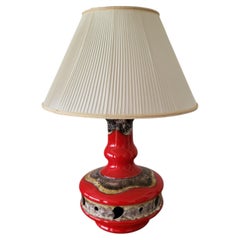
Vintage West German Ceramic Floor Lamp, Red, Double Lighting, 1970s
By West German Pottery
Located in London, England
Discover this elegant ceramic floor lamp, an iconic piece of West Germany in the 1970s. Its vintage design and vibrant red color bring a touch of warmth and character to any interior...
Category
Vintage 1970s German Mid-Century Modern Table Lamps
Materials
Enamel
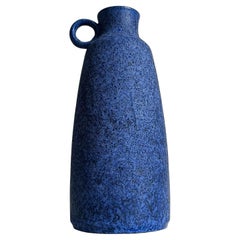
Mid-Century Ceramic Jug Vase by Ceramano, Blue Glaze, West Germany
By Ceramano, West German Pottery
Located in Valencia, VC
Ultra Modern Mid-Century Large Ceramic Jug Vase by Ceramano, c. 1960s, West Germany
A striking and rare large ceramic handled jug vase by cult German ceramics workshop Ceramano, han...
Category
Vintage 1960s German Mid-Century Modern Vases
Materials
Ceramic, Clay, Earthenware
$527 Sale Price
30% Off
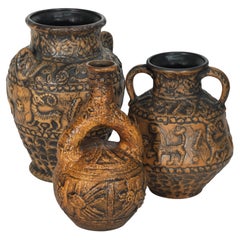
Jasba Aztec Exotica Set of 3 Vases, West German Pottery 1960s
By Jasba Keramik, West German Pottery, Jasba
Located in Clifton Springs, NY
The set of 3 vintage Jasba Keramik vases from the 'Aztec' and 'Mexiko' or 'Maya Tiki' lines of their Exotica series features relief decor, influenced by ancient Pre-Columbian civilizations. The sculptural vases in the set interpret traditional vessel forms like a pitcher in a contemporary vein while referencing Pre-Columbian art with an eclectic twist. The vases are decorated with tone-on-tone ochre brown matte glazes on the outer surfaces and semi-matte black glazes on inner surfaces, allowing the complex reliefs to dominate the composition.
The vases feature a central wide band of brutalist, rhythmically spaced mythic animals, derived from archaeology or from a wide range of Folk Art sources. The handles are interpreted not as functional parts of the design, but as an important aesthetic feature that was commonly used by West German pottery designers and artists in context of Krug Vase (Jug Vase, or Handled Vase) for their expressive possibilities. In this set, the small handles on two Aztec vases...
Category
Mid-20th Century German Mid-Century Modern Vases
Materials
Ceramic, Majolica, Pottery
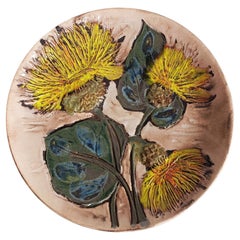
Mid-Century Ceramic Plate by Ruscha, Floral Décor, Germany, 1950s
By Vincent van Gogh, West German Pottery, Ruscha
Located in Valencia, VC
Large West Germany Ruscha Art Pottery Plate, 1950s
A stunning vintage ceramic plate by Ruscha, West Germany, handcrafted circa the 1950s. This exceptional piece features a relief-gl...
Category
Mid-20th Century German Mid-Century Modern Ceramics
Materials
Ceramic, Earthenware, Majolica
$365 Sale Price
30% Off